Every January, Wine Regions Burn Millions of Tonnes of Perfectly Good Biomass
How French, Italian, Spanish, and Australian producers convert dormant-season vine prunings into boiler fuel, mushroom substrate, and winery heating — the field-to-bale logistics chain.
Vineyard Prunings: The Seasonal Waste Stream Wine Regions Need to Solve
Every vineyard is pruned once per year during dormancy — January to February in the northern hemisphere, June to August in the southern hemisphere. The canes removed represent 1.5 to 3.5 tonnes of dry wood per hectare per year. At 7.4 million hectares of planted vineyard globally, total annual pruning biomass is 11 to 25 million tonnes — generated in a concentrated 6 to 10 week seasonal window.
The traditional management was burning in the rows — eliminating overwintering Botrytis, Eutypa, and Esca disease inoculum while returning some potassium to the soil as ash. Field burning is now prohibited or severely restricted across France, Spain, and California under air quality regulations. Italy allows limited burning under permit; Australia permits controlled burning in some regions. The regulatory tightening has left wine producers across three continents seeking commercially viable alternative management for a material that cannot be left in the row (disease management) and cannot simply be incorporated (also spreads disease inoculum through the soil).
Commercial baling for biomass combustion and mushroom cultivation substrate are the two demonstrated commercially viable alternatives. For producers considering the economics of vineyard pruning baling relative to chipping and incorporation, our article on silage baler hire vs buy covers the ownership vs contracting decision framework for seasonal operations like vineyard baling.

Pre-Processing and Bale Specifications
Why Canes Cannot Be Directly Baled
Vine canes at 0.5 to 1.5 m length and 6 to 18 mm diameter tangle in round baler pickups and produce very low-density bales. Pre-shredding with a row mulcher (inter-cep machine) to 20 to 50 mm particle length is the standard prerequisite — it enables consistent pickup, achieves bale density of 130 to 170 kg DM/m³, and produces a uniform substrate or biomass product. Whole-cane specialised vineyard bale collectors exist but are expensive niche machines.
| Market | Target Moisture | Particle Size | Price Range (EUR/t DM) | Key Spec |
|---|---|---|---|---|
| Winery biomass boiler | <20% | Any — whole or shredded | Own use — cost saving | Calorific value: 17–19 MJ/kg DM |
| District heating/biomass plant | <20% | 20–80 mm shredded | 20–45 | Ash <5%, consistent weight |
| Mushroom cultivation substrate | 12–16% | 20–40 mm | 60–120 | Zero mould, soil-free, <30 days old |
| Wine estate pellets (niche) | <12% | 3–6 mm ground | 150–250 | Premium brand positioning |
Disease Management Equivalence: Baling Equals Burning
The primary justification for burning vineyard prunings has always been disease management — destroying Eutypa lata, Botrytis, and Esca spore inoculum on the cane material. Baling and physically removing canes from the field achieves the same disease management outcome: inoculum is eliminated from the field environment regardless of whether the cane is burned on-site or baled and transported off-site. This equivalence — baling as agronomically comparable to burning but commercially superior — is the central argument used by French and Spanish viticulture extension services when promoting cane baling adoption.
Winery Energy Economics: The Self-Powered Wine Estate
A well-specified biomass boiler installed at a winery or cave coopérative can meet 60 to 90% of the facility’s thermal energy requirement for fermentation temperature management, cellar heating, and equipment sterilisation hot water. In Burgundy, Champagne, and the Rhône Valley — where winery density is high and pruning biomass is abundant — several wine cooperatives have installed biomass heating using pruning-derived wood chip or baled cane as primary fuel. Grapevine wood at 12 to 15% moisture has a calorific value of 17 to 19 MJ/kg dry matter — comparable to olive wood and hardwood biomass pellets. The combination of zero fuel purchase cost (prunings are a by-product) and significant annual heating bill elimination makes on-site winery biomass heating one of the most financially compelling renewable energy investments available to wine estates.
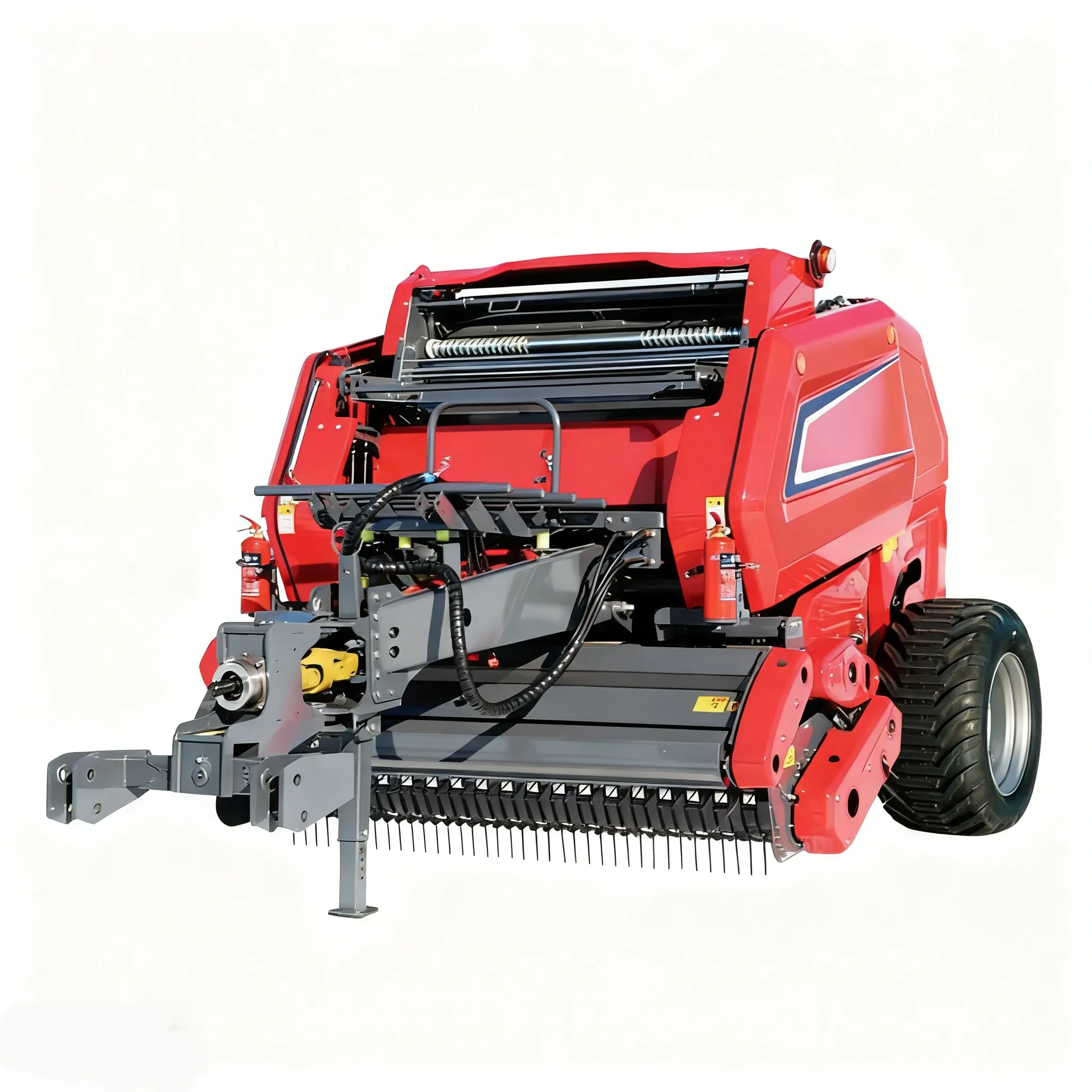
For smaller wine operations where a dedicated biomass boiler is not justified, baled pruning cane can be sold to regional biomass energy aggregators supplying district heating plants or industrial biomass boilers at €20 to €45 per tonne DM. The 9YG-1.25A variable-chamber round baler handles pre-shredded vineyard prunings at 20 to 50 mm particle size for both biomass and substrate delivery.
Common Mistakes and FAQ
Vine canes at 0.5 to 1.5 m length and 8 to 18 mm diameter tangle in round baler pickups and produce low-density, poorly formed bales. Pre-shredding with an inter-row mulcher to 20 to 50 mm is the prerequisite for any commercial round bale format.
Biomass buyers specify maximum 20% moisture for combustion efficiency. Pre-shredded cane baled above 25% moisture develops visible surface mould within 4 to 6 weeks. Allow 5 to 10 days of field drying after shredding in January/February European conditions before baling for biomass supply.
Organic mushroom substrate buyers require pruning canes from vineyards with no synthetic pesticide applications in the previous 12 months. Segregate organic and conventional vineyard bales and label clearly before sale.
Discuss Your Vineyard Pruning Baling Programme
Tell us your vineyard area, pruning system, and target market — we’ll specify the right baler and pre-shredder setup.