
A practical guide for dairy and beef cattle farms in Ireland, the UK, Germany, New Zealand, and South America — covering harvest timing, moisture management, and wrapping technique to eliminate butyric fermentation.
🎯 Baling Window: 60–70%
⚠ Clostridial Risk: High if Wet
🌍 Ireland · UK · NZ · Germany · S. America
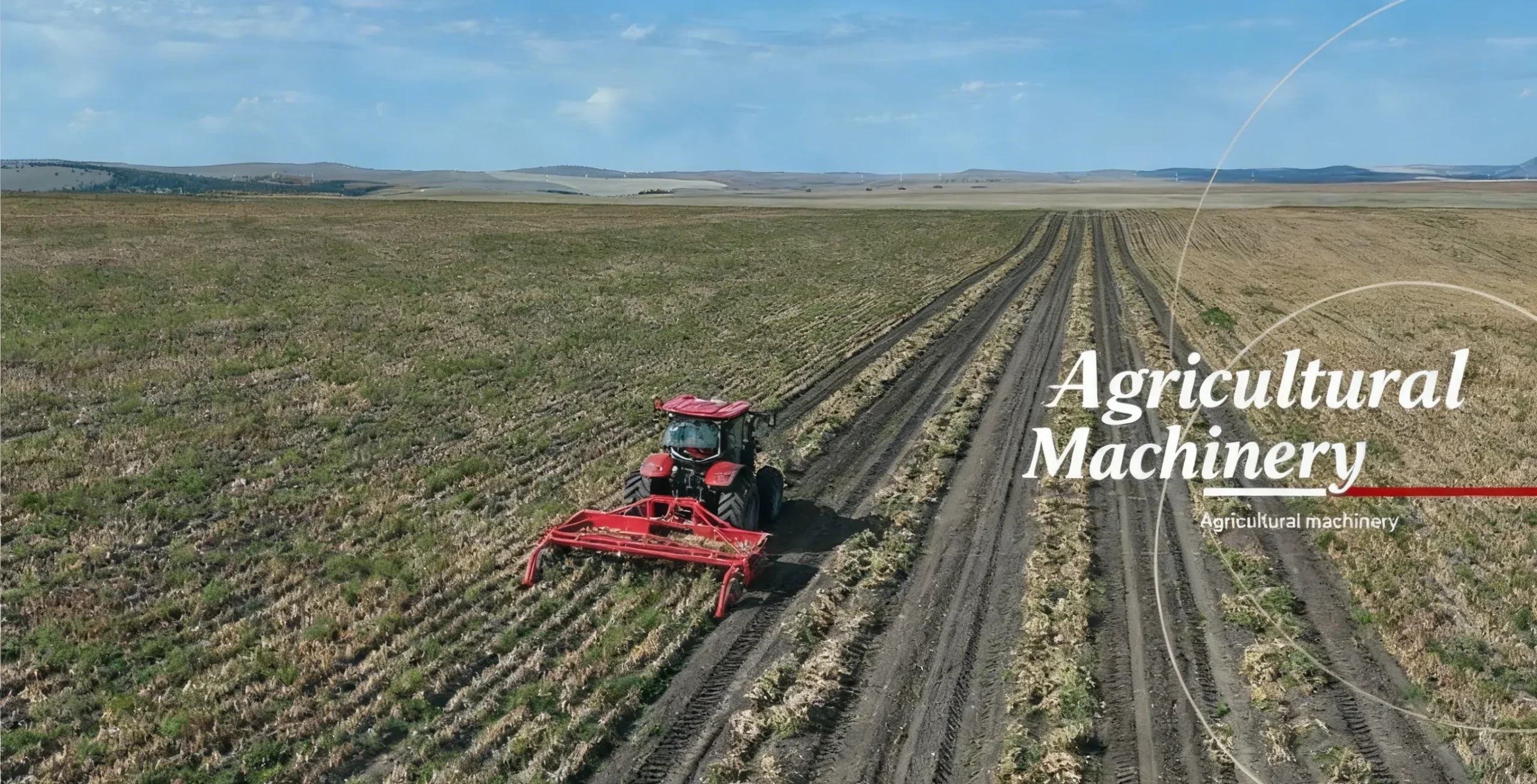
Why Ryegrass Silage Is the Backbone of European and New Zealand Dairy Farming
Perennial ryegrass (Lolium perenne) and Italian ryegrass (Lolium multiflorum) are the dominant silage crops across the UK, Ireland, Germany, the Netherlands, and New Zealand — not because they are the easiest crops to preserve, but because they are among the most productive and palatable forage grasses available in temperate, high-rainfall climates. Managed correctly, ryegrass swards yield 10 to 14 tonnes of dry matter per hectare per year across four to six cuts, delivering a reliable, cost-effective energy source for lactating dairy cows and growing beef cattle through the housing season.
The challenge is that ryegrass at cutting typically carries 70 to 80% moisture — higher than alfalfa, higher than corn, and significantly above the threshold at which clostridial bacteria begin to dominate fermentation. Clostridium species thrive in wet, high-protein silage, converting amino acids into ammonia and sugars into butyric acid rather than lactic acid. The result is feed that smells of rancid butter, causes intake depression in dairy cows, and can trigger ketosis and milk fat depression in high-yielding herds.
Avoiding that outcome requires understanding exactly why ryegrass is prone to clostridial fermentation, what wilting target eliminates the risk, and how baling and wrapping technique locks in the fermentation quality that determines feed value for the next 12 months. This guide covers every step of that process. For a broader explanation of how baleage fermentation differs from conventional silage pits, see our article on baleage vs silage explained.
Section 1: Why Ryegrass Is Prone to Clostridial Fermentation
1.1 The Biochemical Problem
Three characteristics of ryegrass combine to create a high-risk fermentation environment when the crop is baled too wet:
At 75% moisture, ryegrass dry matter content is only 25%. The water-soluble carbohydrates (WSC) that fuel lactic acid bacteria — the beneficial organisms that drive rapid pH drop — are diluted in a large volume of free water. This slows the pH drop, extending the period during which clostridial bacteria can establish before lactic acid bacteria dominate. The critical point: a slow pH drop is the single most important cause of clostridial ryegrass silage.
Ryegrass, especially clover-mixed swards common in organic and regenerative dairy systems, has a higher buffering capacity than cereal crops — meaning it resists pH change. More lactic acid must be produced to achieve the same pH drop as in a less buffered crop. This makes the fermentation window narrower and the consequences of starting too wet more severe.
Clostridial spores are naturally present in soil. In high-rainfall ryegrass systems — particularly in Ireland and the west of the UK where soil splash during cutting is common — soil contamination of the cut crop introduces additional clostridial load directly into the bale. Cutting height matters: a cutting height below 6 cm significantly increases soil contamination risk on ryegrass swards.
1.2 The Correct Response: Wilt to 60–70% Before Baling
The target moisture range for ryegrass baleage is 60 to 70% — higher than alfalfa’s 50–60% target because ryegrass has a higher WSC content relative to its protein, which supports faster lactic acid fermentation even at moderate moisture levels. The critical boundary is 70%: above this, clostridial risk rises steeply regardless of inoculant use. Below 60%, the crop is difficult to compress and pH drop becomes slow due to reduced fermentable substrate availability.
| Moisture at Baling | Fermentation Outcome | Risk Level |
|---|---|---|
| >75% | Clostridial — ammonia, butyric acid | Very High |
| 70–75% | Mixed — lactic/clostridial, unreliable | High |
| 60–70% | Lactic acid dominant — stable, low pH | Low ✓ Target |
| <60% | Slow fermentation, poor compression | Moderate |

Section 2: Cutting — Timing, Height & Tedding
2.1 When to Cut for Maximum Feed Value
The relationship between growth stage and feed quality in ryegrass is well established: early-heading material at the ear emergence stage contains the highest digestibility (D-value typically 70–75%) and the highest WSC content, which directly supports faster and more reliable fermentation. Material cut at the half-ear stage or later shows a measurable drop in both digestibility and WSC — meaning not only is it less nutritious, but it also ferments less reliably.
For first-cut ryegrass silage, this typically means cutting in late April to mid-May in Ireland and the UK, or October to November for the first cut in New Zealand’s South Island. The specific date matters less than the growth stage — target the crop at 2,500 to 3,000 kg DM/ha for first cut in a high-production system, before heading becomes advanced.
Subsequent cuts should be taken at 6 to 8 week intervals before regrowth reaches the late vegetative stage. Allowing ryegrass to reach late heading before cutting reduces D-value by 3 to 5 units per week of delay — a significant loss in a dairy feeding programme.
2.2 Cutting Height — Balancing Yield, Quality, and Contamination
Cutting height on ryegrass is a compromise between three competing factors. Cutting low (below 6 cm) maximises yield but significantly increases soil contamination risk — particularly in wet, poached swards or after heavy rainfall. Cutting high (8–10 cm) reduces yield but produces cleaner material with lower clostridial spore loads and faster wilting due to better air circulation under the windrow.
The practical recommendation for most ryegrass baleage operations is a cutting height of 6 to 8 cm. Below 6 cm should only be used in confirmed dry conditions on firm, well-drained swards. On poached or wet ground, 8–10 cm is safer even at the cost of some yield.
2.3 Tedding — Essential for Ryegrass Wilting
Because ryegrass holds significantly more moisture than most other silage crops at cutting, tedding within 1 to 2 hours of mowing is strongly recommended rather than optional. Tedding inverts the windrow, exposes the cut surface, and can reduce wilting time by 30 to 50% in moderate drying conditions — critically important in the narrow weather windows typical of Atlantic European conditions.
Ryegrass-clover mixed swards are common in organic and regenerative dairy systems across Europe and New Zealand. Clover leaves are significantly more fragile than ryegrass leaves and shatter when tedded in warm, dry conditions. If the sward contains more than 25% clover, limit tedding to once immediately after cutting and avoid tedding after the windrow has begun to dry — excessive leaf loss from clover will reduce the protein advantage these swards offer.
Section 3: Wilting — How to Hit 60–70% Moisture Consistently
3.1 Wilting Time by Condition
Ryegrass at 75–80% moisture needs to lose 5 to 15 percentage points of moisture before baling. The time required to achieve this depends on radiation, temperature, relative humidity, and windrow density. The following table is a practical field guide — not a guarantee, because drying rates vary significantly between sward types, cutting height, and windrow structure.
| Condition | Starting Moisture | Typical Wilt Time | Notes |
|---|---|---|---|
| Sunny, warm, >20°C, RH <60% | 75–80% | 6–12 hours | Ideal — possible same-day baling |
| Partly cloudy, 15–20°C, RH 60–75% | 75–80% | 18–28 hours | Cut morning, bale next morning |
| Overcast, cool, <15°C or RH >75% | 75–80% | 36–48+ hours | Wilt check mandatory before baling |
3.2 Field Moisture Testing Without Lab Equipment
A handheld conductance moisture meter gives a reading within ±2–3% accuracy when calibrated for ryegrass — adequate for baling decisions. Where no meter is available, the hand grab test provides a rough field check: take a large double handful of wilted ryegrass and twist it firmly. If free liquid flows, the material is above 70% moisture — do not bale. If the handful feels damp but no liquid appears, it is likely in the 60–70% range. If it feels dry and crumbles slightly, it is below 60% and may be too dry for reliable fermentation.
The grab test is a supplementary check, not a replacement for a moisture meter in commercial operations. Any farm producing more than 500 bales per season should carry a meter as standard equipment — the cost of a single silage analysis showing clostridial fermentation far exceeds the cost of the meter.
Section 4: Baling Ryegrass — Equipment & Technique
4.1 Baler Characteristics That Matter for Ryegrass
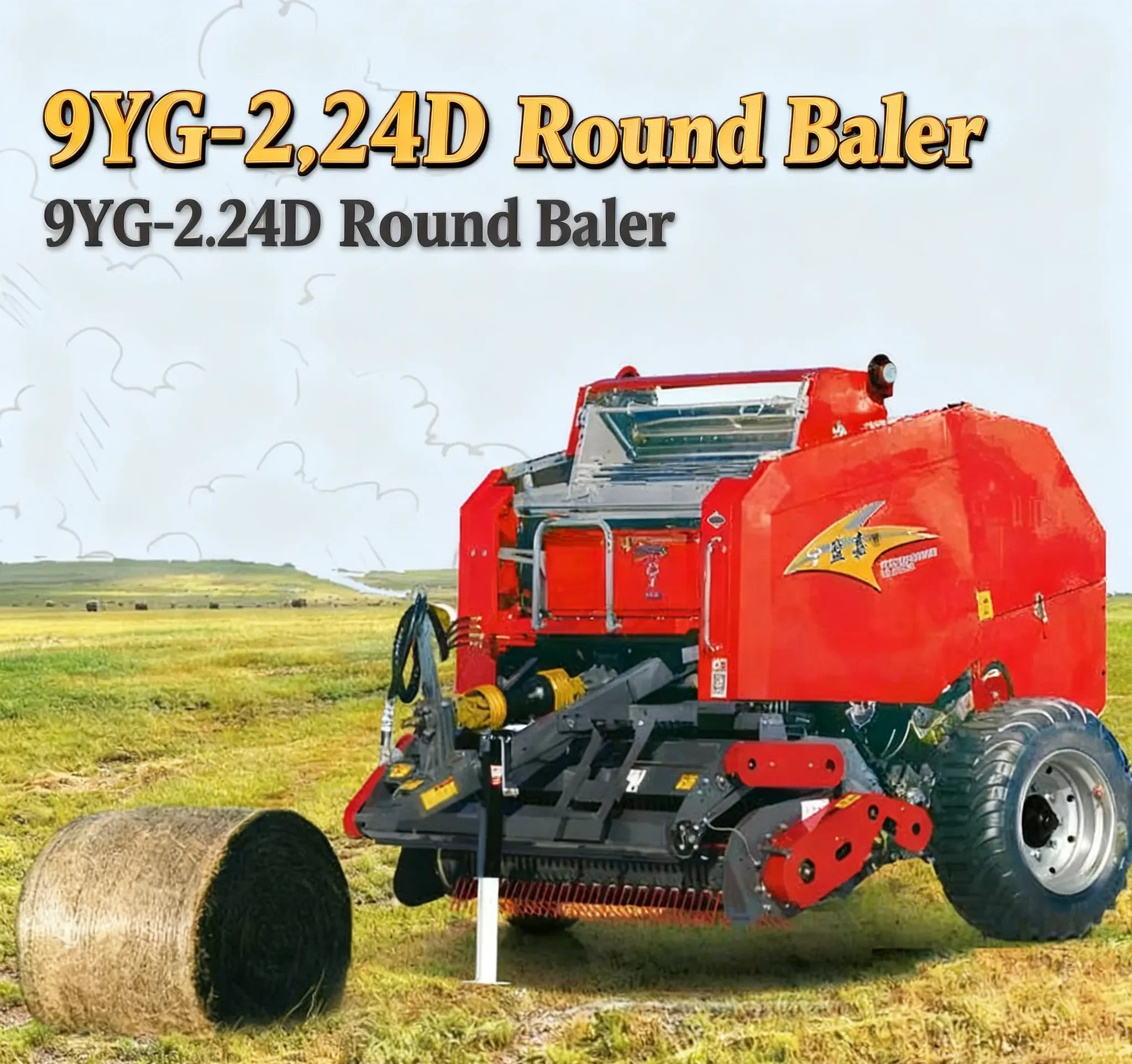
Ryegrass at 60–70% moisture is heavy, dense, and has a tendency to bridge across the pickup width if windrow density is uneven. Several baler characteristics affect performance in this crop more than in lighter, drier forages.
A wide pickup with aggressive tine spacing handles the dense, wet ryegrass windrows common in first-cut operations without blockages. Narrow pickups may require multiple passes with a merge rake to consolidate windrows to an appropriate width — adding a field operation but reducing the risk of pickup blockages in heavy crops.
Higher chamber pressure in ryegrass baleage reduces bale porosity, which directly reduces oxygen entrapment and speeds the transition to anaerobic conditions after wrapping. Target a firmer bale than you might accept in dry hay — at 65% moisture, the material compresses well and a firm bale significantly outperforms a loose one in fermentation quality.
As with all baleage, net wrap is strongly preferred over twine for ryegrass. The binding speed advantage (3–5 seconds vs 20–30 for twine) matters particularly in high-volume ryegrass operations where a baler may complete 50 to 80 bales per day in good conditions. Every second the chamber sits open after bale completion is oxygen exposure time. Net wrap’s better bale shape retention is also important for consistent film contact on the slightly irregular bale shapes that heavy ryegrass can produce.
4.2 Field Speed and Windrow Management
In ryegrass, the relationship between forward speed and bale density is more critical than in lighter crops. At 65% moisture, ryegrass bales are already heavy — a 1.25 m bale may weigh 500–550 kg. Driving too fast through dense windrows creates overfilled bales that exceed this weight, making transport handling dangerous and increasing the risk of film damage from bale deformation. Keep forward speed at 4–6 km/h in first-cut material and 6–8 km/h in lighter subsequent cuts.
Merging multiple rows is common in ryegrass operations to improve baler throughput. Merge to create a consistent windrow width of 1.2 to 1.6 m — wide enough to fill the pickup efficiently but not so wide that material wraps around the pickup drive shaft. Never attempt to bale across double or triple merged windrows from very heavy first-cut crops without checking pickup clearance first.

Section 5: Wrapping Ryegrass Baleage — Layers & Speed
5.1 Why Ryegrass Requires More Layers Than Alfalfa
Ryegrass baleage is typically wrapped at a higher residual moisture than alfalfa baleage — 60–70% vs 50–60%. This matters for two reasons. First, the greater internal pressure from a wetter bale places more mechanical stress on the film, particularly in warm weather when wrapped bales can expand slightly as fermentation produces CO₂. Second, in the UK, Ireland, and New Zealand where bales are frequently stored through winter in wet, muddy conditions, the outer film layers are exposed to more mechanical abrasion, tractor traffic proximity, and pest activity than in drier storage environments.
The standard recommendation for ryegrass baleage is 6 layers minimum, with 8 layers strongly recommended for first-cut material at the higher end of the moisture range, bales that will be stored through winter, or any operation in a high-rainfall environment where puncture risk from wet storage ground or wildlife is elevated.
| Scenario | Recommended Layers | Reason |
|---|---|---|
| Later cuts, 60–65% moisture, dry storage | 6 | Standard — 3 intact barriers after one puncture |
| First cut, 65–70% moisture, outdoor winter storage | 8 | Higher internal pressure + extended winter exposure |
| Any bale to be transported more than 5 km before storage | 8 | Transport abrasion risk on wet heavy bales |
5.2 Timing Between Baling and Wrapping
In ryegrass baleage, the maximum permissible delay between baling and wrapping is shorter than for alfalfa because ryegrass fermentation commences more rapidly in the presence of oxygen — and initial aerobic heating in unwrapped ryegrass bales can be intense enough to degrade protein and energy in the outer bale layers within hours. The practical target is to wrap within 2 to 4 hours of baling in warm weather, and within 6 hours in cool conditions.
For large operations where a single baler is producing 60 to 80 bales per day and a separate wrapper follows, the wrapping team should always start the day on bales made the previous afternoon — never allowing bales to sit overnight unwrapped during the active growing season when temperatures promote rapid aerobic activity.
Section 6: Silage Inoculants for Ryegrass — When and Which
6.1 The Case for Inoculant Use on Ryegrass
Ryegrass has a relatively favourable WSC content compared to legumes, which means lactic acid bacteria inoculants work well on it — the substrate for rapid fermentation is present, and adding a high-density inoculant population accelerates the early fermentation phase significantly. In Atlantic European conditions, where ryegrass is frequently baled at the upper end of the moisture range due to unpredictable drying windows, inoculant use is arguably more justified than on any other silage crop.
Homofermentative Lactobacillus plantarum and Pediococcus acidilactici inoculants applied at the baler pickup have been shown in multiple European trials to reduce pH at 14 days by 0.3 to 0.6 units compared to uninoculated controls — the difference between borderline clostridial and reliably lactic fermentation in material baled at 68–70% moisture.
For ryegrass-clover swards above 30% clover inclusion, consider a dual-strain inoculant that includes L. buchneri to extend aerobic stability at feedout — clover-rich baleage tends to show faster aerobic deterioration on the exposed face due to its higher protein content acting as a substrate for aerobic spoilage organisms.
6.2 Sugar Supplementation as an Alternative to Inoculants
In high-moisture conditions where the crop cannot be adequately wilted due to weather, some operators apply molasses or sugar at the rate of 2 to 4 kg per tonne of fresh material directly to the windrow or at the baler pickup. The additional fermentable substrate boosts lactic acid bacteria activity even in very wet material. This approach is most common in Ireland and the wetter parts of the UK where reliable wilting is genuinely difficult across multiple consecutive cuts.
Section 7: Storage, Fermentation Quality, and Feedout
7.1 Storage for Ryegrass Baleage in Wet Climates
Storage site selection for ryegrass baleage in Ireland, the UK, and wet-winter New Zealand conditions requires more careful attention than in drier climates, because the combination of heavy bales, wet ground, and extended storage through winter creates conditions that accelerate film degradation far faster than in continental or antipodean dry-climate operations.
A bale stored on soft, waterlogged ground will sink into the soil over winter, creating continuous film contact with wet, bacterial-rich soil. This causes base puncture and deterioration that is invisible until the bale is moved at feedout. A concrete pad, compacted stone, or even a layer of clean aggregate under the bale row eliminates this risk entirely.
Unlike dry hay, baleage does not require close stacking for insulation. In wet climates, leaving 10–15 cm between bales actually improves storage outcome by allowing air to circulate around the bale surface and dry off surface moisture, reducing the sustained wet-film contact that accelerates UV and microbial degradation of the film.
In high-rainfall environments, bale film degrades faster than in continental or desert climates. Monthly inspection from October through March in the northern hemisphere (April through August in the southern hemisphere) allows early repair of any punctures before prolonged oxygen exposure destroys feed value in the affected zone.
7.2 Fermentation Assessment When Opening
Well-fermented ryegrass baleage should show a pleasant lactic acid smell — noticeably sharper than alfalfa baleage due to ryegrass’s higher WSC content supporting more active fermentation. Colour should be bright to dark green with no brown or black zones inside the core. pH on expressed juice should measure 4.0 to 4.8 — ryegrass frequently achieves a lower final pH than alfalfa due to its higher fermentable sugar content, and a pH below 4.2 on first-cut baleage is not uncommon in well-managed operations.
At feedout, consume each opened bale within 2 days in warm weather and 3 days in cool conditions. Ryegrass baleage aerobic stability at feedout is moderate — better than clover silage, worse than well-made corn silage. In warm housing conditions (above 15°C), aerobic deterioration on the exposed face can begin within 24 hours of opening.
Section 8: Recommended Equipment from Ever-Power
EverPower Baling Machinery Australia Pty Ltd — Charlton Industrial Area, Australia | +61 2 9708 3322 | [email protected]
8.1 Round Baler
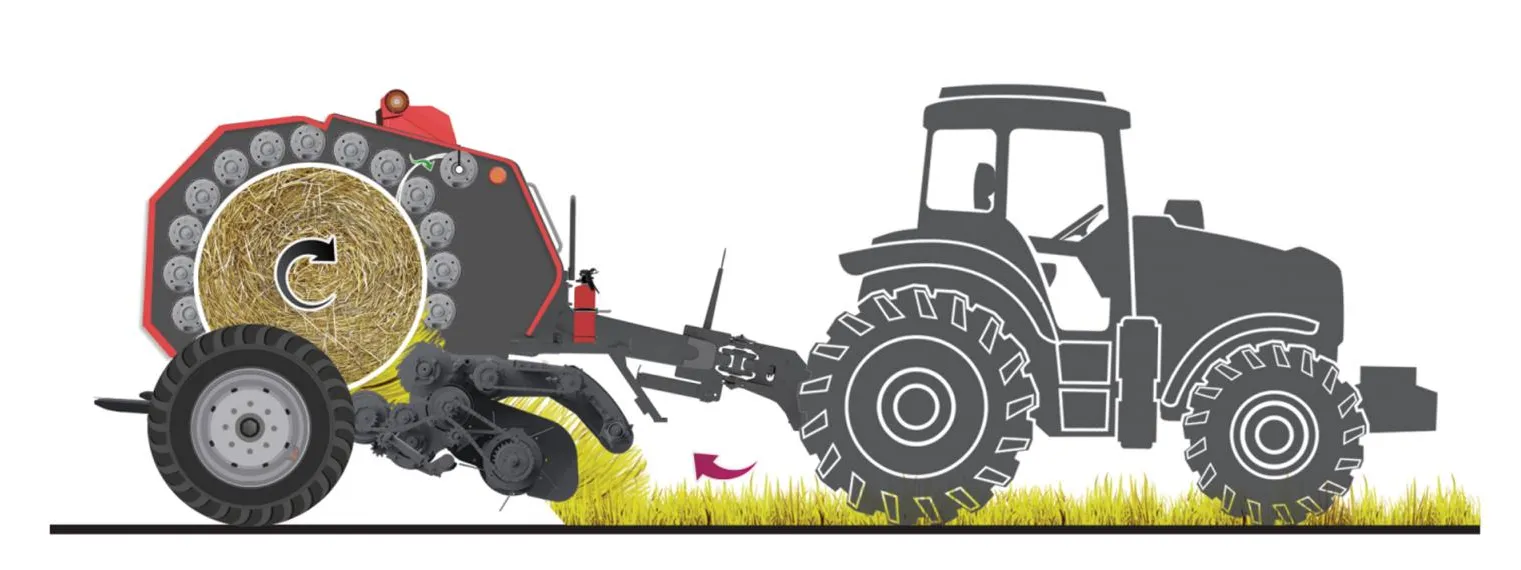
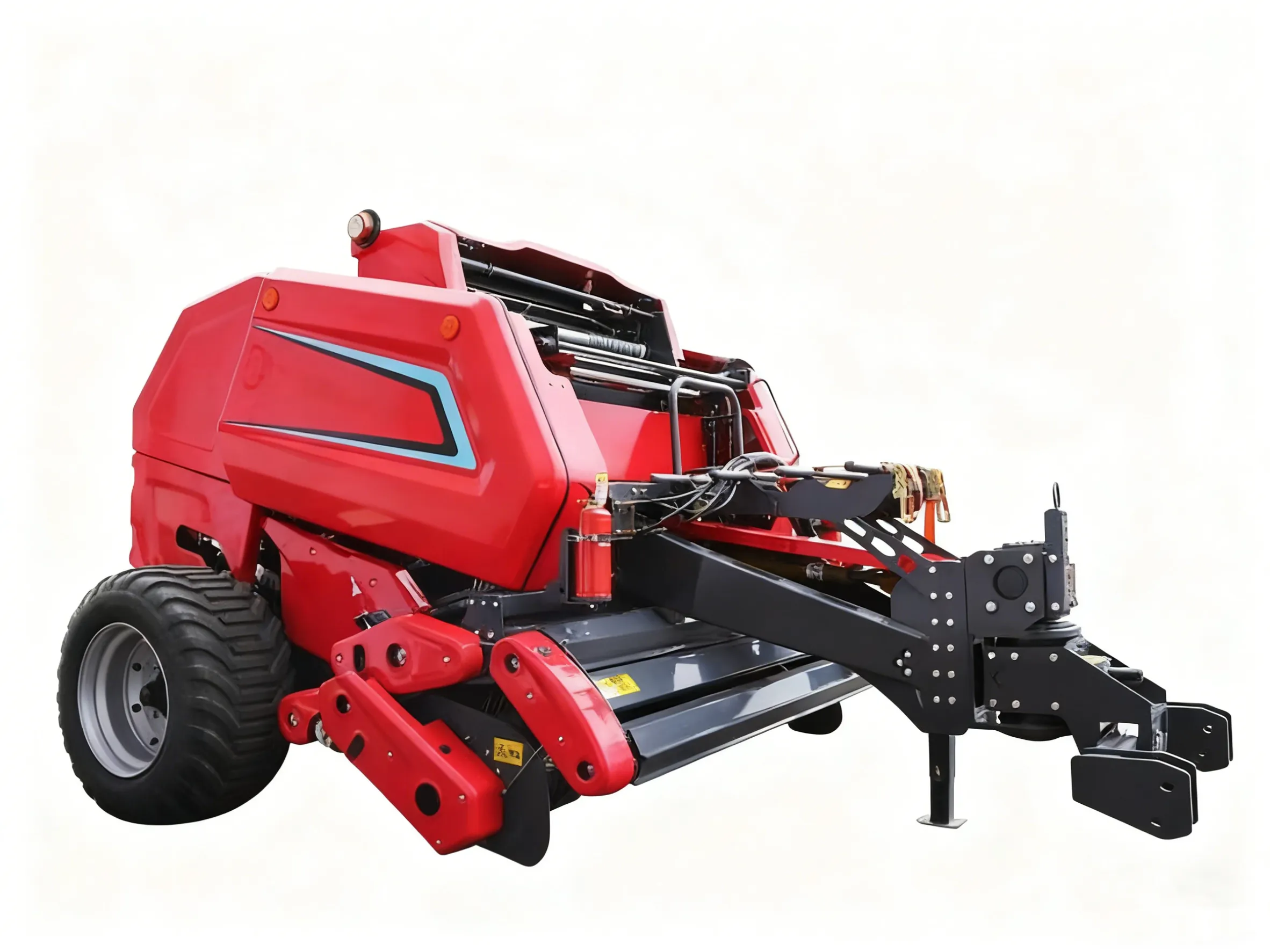
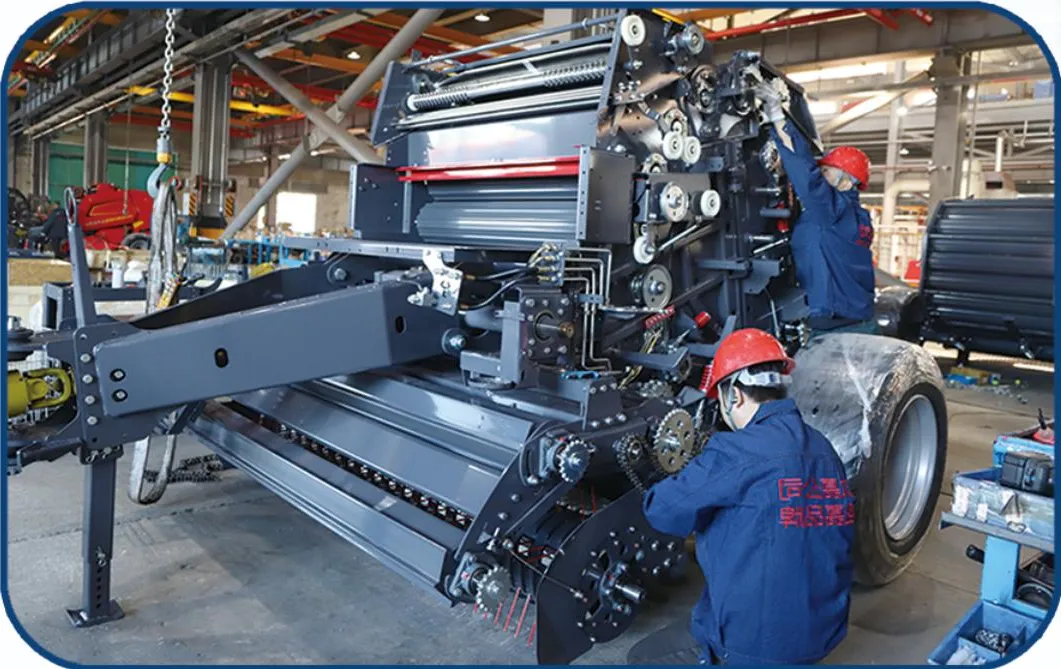
For ryegrass silage production across a range of cut weights and moisture levels, the 9YG-1.25A variable chamber round baler handles the density demands of first-cut ryegrass while adapting to the lighter subsequent cuts without operator adjustment. Its wide-pitch pickup performs reliably in the dense, wet windrows characteristic of high-yield ryegrass swards in Atlantic European and New Zealand conditions. For high-volume dairy operations processing multiple paddocks per day, the 9YG-2.24D S9000 Beyond round baler for silage provides the throughput capacity needed to keep pace with narrow weather windows and large first-cut volumes.
8.2 Mower
Precise cutting height control is critical for ryegrass — both for contamination management and for sward recovery speed. The 9GL-5.0/5.6 traction mower windrower delivers accurate, consistent cutting height adjustment across variable sward topography and produces a well-structured windrow that facilitates even wilting, reducing the risk of uneven moisture content across the bale width at harvest.
Section 9: Ryegrass Baleage vs. Dry Ryegrass Hay
In high-rainfall temperate climates, making dry ryegrass hay is technically possible but operationally difficult across more than one or two cuts per season. The comparison below reflects conditions typical of Ireland, the UK, and New Zealand’s wetter regions — where baleage is the dominant ryegrass preservation method for good reason.
| Factor | Dry Ryegrass Hay | Ryegrass Baleage |
|---|---|---|
| Drying days required | 4–7 days (high-rainfall risk) | 6–28 hours wilting only |
| Cuts per season achievable | 1–2 (weather-limited) | 4–6 (weather-independent) |
| D-value retention | 60–68% (rain losses) | 70–76% (early cut preserved) |
| Barn or shed required | Yes | No — outdoor storage |
| Intake by dairy cows | Moderate | High (lower NDF, more digestible) |
| Primary market | Equine, export | Dairy, beef cattle housing feed |
Frequently Asked Questions
Common questions from ryegrass silage producers about baleage quality, moisture, and equipment.
Equipping Your Ryegrass Silage Operation?
Tell us your annual bale target, paddock size, and available tractor horsepower. Our team will specify the right round baler, wrapper, and mower combination for your ryegrass system — whether you’re running four cuts a season or six.