
The Queen of Forages Meets Its Toughest Preservation Challenge
Why alfalfa baleage consistently outperforms sun-dried hay — and the precise management steps that prevent the high-protein legume from fermenting clostridially.
Alfalfa as a Silage Crop: Why Baleage Changed Everything
Alfalfa (Medicago sativa), called lucerne across Australia, the UK, and much of the Middle East, is the world’s most widely grown forage legume. Its capacity to fix atmospheric nitrogen at 100 to 300 kg per hectare per year, combined with crude protein levels of 15 to 25% at the vegetative-to-early-bud cutting stage, makes it the most nutritionally complete roughage available to dairy and beef cattle, horses, and export hay markets. In the major alfalfa-producing regions — the US intermountain west, southern Australia’s Murray-Darling basin, the arid northwest of China, and the irrigated deserts of Saudi Arabia and the UAE — the crop is the economic backbone of dairy nutrition.
The traditional sun-dried bale system that built the alfalfa hay industry now faces a fundamental constraint: it requires 3 to 5 consecutive days of low humidity, full sunshine, and zero rainfall to reliably cure alfalfa to below 15% moisture without leaf shatter losses. In many growing environments — Ireland and the UK, New Zealand’s South Island, Yunnan and Sichuan provinces in China, the cooler tablelands of southeast Australia — those conditions are simply not reliable enough for large-scale alfalfa hay production. Baleage (baling at 40 to 55% moisture and sealing with silage stretch film) removes the weather dependency entirely. The crop is cut, wilted for 24 to 36 hours, baled, and immediately wrapped — rain cannot re-wet it, sunshine is optional, and the fermentation process preserves the protein fraction that leaf shatter destroys in sun-dried hay.
This guide covers the complete alfalfa baleage production system: the biological reasons why alfalfa is harder to ferment well than grass silage, the cutting stage and wilting protocol that delivers the best fermentation substrate, inoculant selection, film layer requirements, and the storage and feedout management that prevents the aerobic deterioration at opening that wastes more alfalfa baleage value than any other single factor. For producers already familiar with grass silage baling who are adding alfalfa, our article on moisture targets, wrapping layers and fermentation for alfalfa silage covers the technical specifications in a complementary format.
Why Alfalfa Is the Hardest Legume to Ferment Well
The Buffering Capacity Problem — More Severe Than Clover
Every silage legume resists fermentation to some degree, and alfalfa is the most challenging of all common forage crops in this respect. Buffering capacity — the crop’s resistance to pH reduction — in fresh alfalfa at 65% moisture is 3 to 5 times higher than in ryegrass at the same moisture level. The reason is the protein load: alfalfa’s 22 to 25% crude protein at the vegetative stage provides an enormous pool of amino acids and organic acids that absorb hydrogen ions and prevent pH from falling toward the 4.0 to 4.5 range needed to suppress clostridial bacteria.
The second challenge is the water-soluble carbohydrate (WSC) deficit. Alfalfa stores carbon as starch and organic acids rather than as readily-fermentable sugars. At cutting, WSC content is typically 3 to 7% of dry matter — compared to 10 to 18% in ryegrass and 12 to 20% in whole-plant corn. This low WSC means the lactic acid bacteria in alfalfa silage have less fermentation substrate to work with, producing less lactic acid per tonne of ensiled material and therefore achieving a slower, less complete pH drop.
| Crop | Białko surowe (DM) | WSC at Cutting | Buffering Capacity | Ferment Difficulty |
|---|---|---|---|---|
| Alfalfa / Lucerne | 18–25% | 3–7% | Bardzo wysoki | ★★★★★ |
| Red Clover | 15–22% | 5–10% | Wysoki | ★★★★ |
| Ryegrass | 10–16% | 12–18% | Low-Medium | ★★ |
| Whole-Plant Corn | 8–9% | 18–25% | Niski | ★ |
The Clostridial Risk in High-Moisture Alfalfa
When alfalfa baleage is made above 60% moisture without a homofermentative LAB inoculant, the combination of high buffering capacity, low WSC, and abundant protein creates ideal conditions for clostridial bacteria: the pH drop is slow (taking 30 to 40+ days rather than 14 to 21), and clostridia — which are suppressed only when pH falls below 4.5 — multiply actively during this extended window, producing butyric acid, ammonia, and CO₂ that destroy protein quality and palatability. A spoiled batch of alfalfa baleage has crude protein that is 60 to 80% in the ammonia-nitrogen fraction — metabolically useless to the animal and actively toxic to the rumen microbiome at high intakes.
Cutting Stage and Wilting: Getting the Starting Conditions Right
The Vegetative-to-Early-Bud Window
Alfalfa for baleage should be cut at the late vegetative to early bud stage — when the most advanced stems in the stand show the first round buds but fewer than 10% of plants have open flowers. At this stage, crude protein peaks at 20 to 25% DM, NDF is 35 to 42% (still highly digestible), and the plant’s WSC content is at its seasonal maximum relative to protein load. Cutting later — at 25 to 50% flowering — drops protein by 3 to 5 percentage points and raises NDF to 45 to 52%, where digestibility declines noticeably for high-production dairy.
In most irrigated alfalfa systems (California, Nevada, Murray-Darling basin, northern China’s Gansu and Xinjiang), the interval between cuttings is 28 to 35 days in summer — producing 5 to 8 cuttings per season. The bud-stage window is 4 to 7 days wide; missing it by even 3 days in hot, fast-growing summer conditions produces a visibly mature stand with open flowers and a measurable drop in protein and digestibility.
Wilting to 45–55% Moisture: The Critical Target
Baling alfalfa above 60% moisture is the primary driver of fermentation failure. At the same time, baling below 40% moisture produces excessively dry baleage that ferments incompletely and shows elevated yeast activity and aerobic heating at feedout. The 45 to 55% moisture range is the practical optimum — sufficient fermentation substrate in solution, manageable buffering load, and minimal clostridial risk with good inoculant practice.
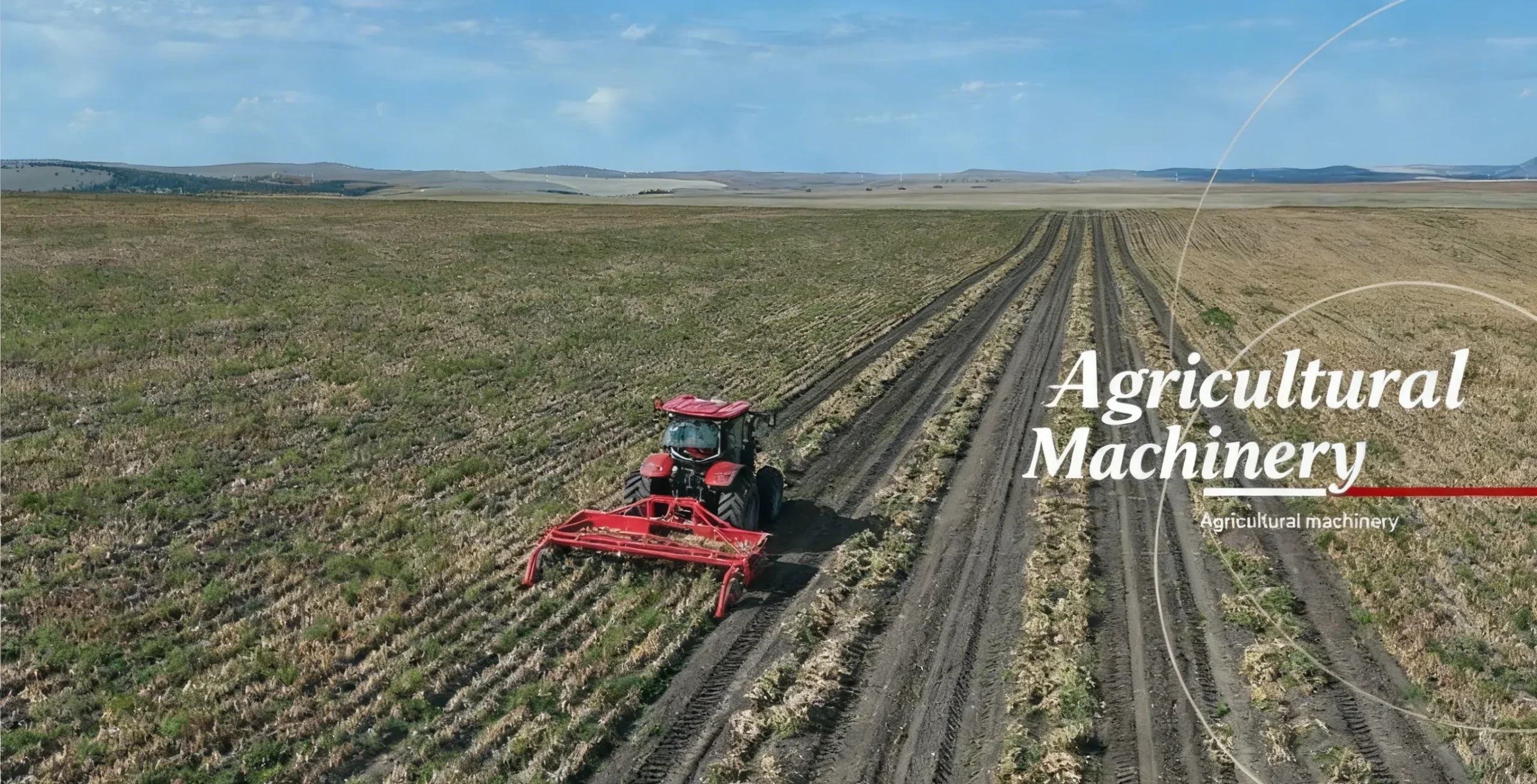
Conditioning breaks the alfalfa stem’s waxy cuticle and the lignified outer wall, exposing internal moisture to evaporation across the full stem length — not just the cut end. This single step reduces wilting time by 25 to 40% compared to plain disc mowing. In summer conditions (25–35°C, low humidity), conditioned alfalfa can wilt from 80% to 50% moisture in 18 to 28 hours.
Turn the conditioned windrow at first light the following morning when dew has dried from the surface (usually 2–3 hours after sunrise). Tedding at this point inverts the windrow and exposes the still-wet lower layer to peak daytime solar radiation. Do not ted a second time — over-handling alfalfa below 60% moisture causes leaf shatter that removes the most protein-dense fraction from the windrow.
Alfalfa wilts non-uniformly — the surface dries 4 to 8 hours ahead of the base layer. Always probe the base of the windrow with a conductance meter or Koster test sample. The surface squeeze test is unreliable for alfalfa: the waxy stem surface feels drier than it is.
Merge to baling windrow width and apply a homofermentative LAB inoculant (Lactobacillus plantarum, minimum 1 × 10⁶ cfu/g fresh matter) at the baler pickup. The inoculant is not optional for alfalfa — it is the mechanism that overcomes the buffering capacity disadvantage by rapidly populating the fermentation with lactic-acid-producing bacteria before clostridia can establish.
Film Wrapping: Why Alfalfa Baleage Needs a Minimum of 8 Layers
The standard recommendation for grass silage round baleage is 6 layers of 25-micron silage stretch film. For alfalfa, 8 layers is the correct minimum, and 10 layers is justified for any bales stored beyond 9 months or in high-UV climates. The reason is alfalfa’s extended active fermentation period: while ryegrass silage reaches stable pH within 14 to 21 days, well-made alfalfa baleage at 50% moisture requires 28 to 40 days to achieve the same stability. During this extended window, any oxygen ingress through a film puncture or weak seal redirects fermentation from lactic to aerobic pathways — a failure that is not visible externally until the bale is opened months later.
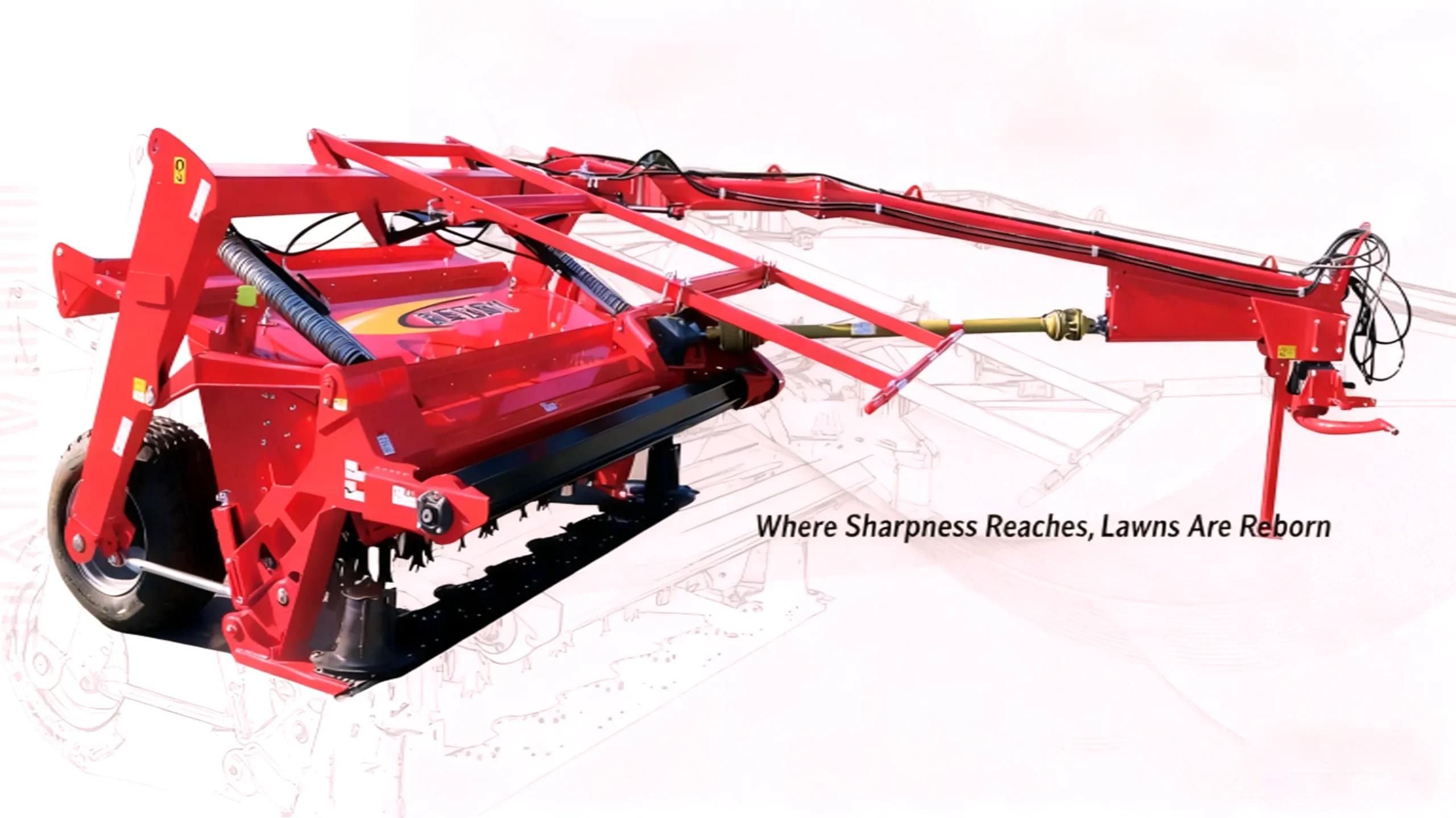
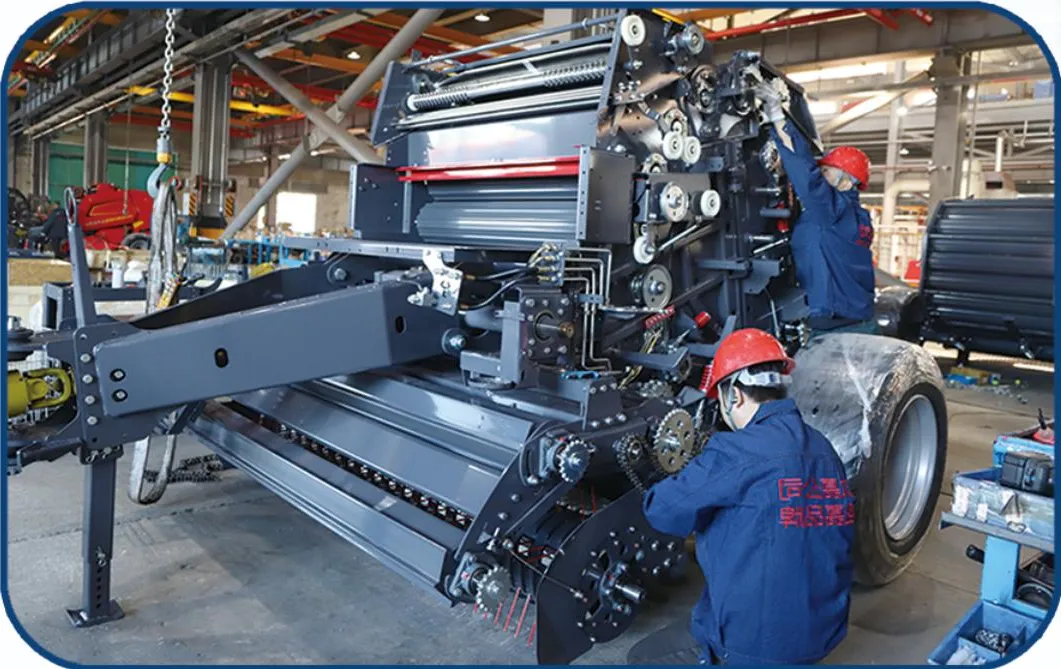
Two layers of 25-micron film have an oxygen transmission rate approximately 33% lower than one layer, but the relationship is not linear — overlapping wrap creates genuine multi-layer barrier function only when each successive layer is applied with 50% overlap of the previous. The Maszyna do pakowania w folię 9YCM-850 applies layers at programmable revolution counts with consistent 50% overlap — eliminating the operator error that causes thin spots in manually-counted wrapping operations. Pair it with the Prasa zwijająca o zmiennej komorze 9YG-1.25A for the density consistency (200–240 kg DM/m³) that alfalfa baleage requires for complete anaerobic conditions across the full bale cross-section.
Storage, Feedout, and Aerobic Stability Management
The Aerobic Deterioration Problem at Feedout
Alfalfa baleage has lower aerobic stability at feedout than most grass silages. When an alfalfa baleage bale is opened and exposed to air, the high protein content and residual fermentation acids provide an excellent substrate for yeasts and moulds. In warm conditions (above 18°C), aerobic deterioration — visible as surface heating and mould growth on the exposed face — can begin within 12 to 24 hours of opening. Alfalfa that was 20% crude protein at ensiling can degrade to an effective 14 to 16% available protein within 3 days of feedout exposure due to proteolysis and mould consumption of protein fractions.
The practical response: feed out each opened alfalfa baleage bale within 2 days in warm weather. Do not leave opened bales exposed to air for more than 48 hours. In winter conditions (below 10°C), the 3 to 4 day feedout window is acceptable. For operations that cannot achieve this feedout rate from individual bales, use baleage in a TMR system where the daily required quantity determines how many bales are opened each morning, and any unused opened bale is covered with a temporary silage sheet until the next feeding.
Diagnosing Fermentation Quality at Opening
| Wskaźnik | Good Fermentation | Clostridial Failure | Działanie |
|---|---|---|---|
| Smell | Clean, acidic, fresh | Rancid, ammonia, rotten | Do not feed — assess extent |
| Kolor | Olive green, uniform | Brown-black, grey zones | Discard affected material |
| pH (test strip) | 4.0–4.8 | 5.0–6.5 | Test adjacent bales |
| NH₃-N (lab) | <8% of total N | 10–30% of total N | Feed only to low-productivity animals |
| Temperatura | Ambient at core | Hot (>45°C) within 24 hrs | Aerobic deterioration — feed urgently |

Alfalfa Markets: Export Hay, Dairy, and the Premium Value Chain
Alfalfa is one of the few forages traded on a genuine global market. Export hay from the US Pacific Northwest, Arizona, and southern Australia moves in 20 to 40 foot container loads to Japan, South Korea, China, and the UAE, where dairy operations and horse farms pay AUD $350 to $600 per tonne for premium-grade product tested at 20%+ crude protein and below 30% NDF. For this market, sun-dried compressed hay is still the dominant format — export buyers specify maximum 14 to 15% moisture for container shipping and compressed bale formats that maximise container loading efficiency.
Within domestic markets — dairy farms, horse properties, sheep stations — alfalfa baleage is increasingly preferred over sun-dried hay because it can be produced in wet-season windows that preclude hay drying, preserves more leaf protein (the most valuable fraction), and requires no barn storage. For Australian operations producing alfalfa baleage for on-farm dairy use or local sale, the economics strongly favour baleage over hay where weather reliability is below 60 to 70% during the intended cutting window.
Common Mistakes in Alfalfa Baleage Production
At 60%+ moisture and without an LAB inoculant, the alfalfa WSC-to-buffering-capacity ratio is below 1.0 — clostridial fermentation is the statistically expected outcome, not a risk. The resulting butyric silage is unpalatable, high in ammonia nitrogen, and reduces dry matter intake in dairy cows by 15 to 30% compared to good-quality fermented alfalfa.
Six layers is correct for ryegrass with its 14 to 21 day fermentation window. Alfalfa’s 28 to 40 day window requires 8 layers minimum. Every independent trial comparing 6 and 8-layer wrapping of alfalfa baleage has found statistically significant differences in fermentation quality outcomes, with 8-layer batches showing lower ammonia nitrogen and less aerobic deterioration at feedout.
Plain disc mowing of alfalfa followed by baling relies on end-face evaporation from the cut stem. In conditions where 36+ hours of field exposure are available, this can work. In any environment where the weather window is 24 to 28 hours, non-conditioned alfalfa will still be at 65 to 70% moisture when the weather window closes — and will be baled either too wet or missed entirely. The mower-conditioner cost is recovered in the first season through improved fermentation quality and reduced spoilage.
Alfalfa baleage at 35 to 40% moisture is too dry for reliable lactic acid fermentation: not enough free water is present in the ensiled mass to maintain the anaerobic conditions and support the LAB population through the full fermentation period. Very dry alfalfa baleage shows elevated yeast counts at feedout, rapid aerobic heating when opened, and poor pH stability. The 45 to 55% moisture target is both a floor and a ceiling, not just a floor.
Często zadawane pytania
Talk to Us About Your Alfalfa Baleage Operation
Share your annual volume target, cutting schedule, and tractor horsepower — we’ll specify the right baler and wrapper combination for your alfalfa programme.