
Europe’s Most Grown Silage Crop — and the Clostridial Failure Nobody Talks About
The complete baleage guide for perennial and Italian ryegrass: wilting targets, clostridial risk factors, inoculant selection, wrapping protocol, and storage management across Ireland, the UK, Germany, and New Zealand.
Ryegrass Silage: The Backbone of European and New Zealand Dairy Nutrition
ray-grass vivace (Lolium perenne) et le ray-grass italien (L. multiflorum) cover more silage hectarage than any other single forage species in the temperate world. In Ireland, ryegrass occupies over 90% of the national grass area. In the UK, Germany, the Netherlands, Denmark, and New Zealand, it is the primary forage species for dairy, beef, and sheep operations. The grass that fills the majority of European silage bales, clamps, and towers is, in almost every case, some form of ryegrass — whether as a pure stand or as the dominant species in a grass-clover or mixed sward.
The reasons for this dominance are biological and economic. Perennial ryegrass has the highest digestibility of any commonly grown temperate grass at equivalent maturity stages — a D-value (organic matter digestibility) of 70 to 78 at the early heading stage, which is achievable in 5 to 7 week cutting intervals from established swards. Italian ryegrass adds a higher yield advantage — 20 to 30% more dry matter per hectare than perennial types in the establishment year — making it the preferred species for catch-crop silage and ley rotations.
Despite its agronomic strengths, ryegrass silage fails silently on many farms every season. The failure mode is almost always the same: baling above the target moisture range, insufficient wilting time, poor inoculant practice, or inadequate film layers. Each of these failures produces silage that looks acceptable on the outside but has undergone clostridial rather than lactic acid fermentation — producing ammonia-nitrogen concentrations that depress dry matter intake in dairy cows by 8 to 20% and reduce available protein to the rumen microbiome. This guide covers the management decisions that separate consistently high-quality ryegrass baleage from the unreliable batches that erode herd production and silage inventory value. For context on how to manage wet-weather baling without sacrificing quality, our guide on silage baling in wet conditions covers the emergency management strategies that every ryegrass operation needs.

Cutting Stage: D-Value, Timing, and the Digestibility Cliff
The Early Heading Window
The single most important agronomic decision in ryegrass silage baling is cutting stage, and it is measured not in calendar weeks but in grass development stage. For perennial ryegrass, the target cutting window for first-cut silage is when 50% of the stems in the paddock have reached the early flag-leaf stage — the final leaf has emerged and the seed head is beginning to swell inside the sheath, but the seed head tip is not yet visible above the flag leaf ligule. At this stage, D-value is 68 to 74 (depending on variety and season), crude protein is 12 to 17%, and the sward offers 3 to 4 tonnes DM per hectare from a well-established perennial stand.
Waiting one more week — to visible heading across 30 to 50% of stems — drops D-value by 3 to 6 percentage points (approximately 0.5 D units per day in fast-growing spring conditions). For a 100-cow dairy, the difference between 70 and 65 D-value silage in the first-cut batch can translate to 1.5 to 2.5 kg less milk per cow per day when fed as the primary forage — a production loss that cannot be recovered by feeding more of the lower-quality silage.
| Stade de croissance | D-Value | Protéines brutes | Typical Timing (First Cut) | Market/Use |
|---|---|---|---|---|
| Vegetative | 75–80% | 16–20% | Late March–early April (N. Europe) | Very early — low yield |
| Flag leaf ✓ | 70–76% | 13–17% | Late April–early May | Optimal silage cut |
| En tête de liste | 66–72% | 11–15% | Early–mid May | Good quality, higher yield |
| Titre moyen | 60–66% | 9–12% | Mid–late May | Commodity silage |
| Titre complet+ | <60% | 8–10% | June+ | Poor — fibrous roughage only |
Italian Ryegrass and Multi-Cut Systems
Italian ryegrass produces its highest D-value and best fermentation characteristics at the same early flag-leaf stage, but its faster growth rate means this window arrives 10 to 14 days earlier than perennial ryegrass in the same season and environment. In multi-cut Italian ryegrass systems (3 to 5 cuts per season), maintaining consistent cutting stage across all cuts requires active monitoring — the second and subsequent cuts regenerate faster from the leaf axils than the first cut regrowth, and can reach heading stage in 5 to 6 weeks under warm conditions rather than the 7 to 9 weeks of the first-cut interval.
Wilting Ryegrass: Targets, Timing, and Practical Management
The 28–40% Moisture Target and Why It Matters
The optimal baling moisture for ryegrass silage round baleage is 28 to 40% moisture (60 to 72% dry matter content). At this moisture range, water-soluble carbohydrate concentration is sufficient relative to buffering capacity to support reliable lactic acid fermentation without inoculant, and the risk of clostridial spoilage is low even with adequate wilting and good film management. Above 45% moisture (below 55% DM), the clostridial risk rises sharply and inoculant use becomes necessary. Below 25% moisture, fermentation is incomplete and aerobic yeast activity at feedout is elevated.
In European and New Zealand conditions, ryegrass at 70 to 80% moisture at cutting typically wilt to the 30 to 40% range in 24 to 36 hours under reasonable drying conditions (15 to 22°C, partial sunshine, low-moderate humidity). In the frequently overcast, Atlantic-influenced climate of Ireland and western Britain, achieving this wilt in a single drying day is reliable only 30 to 40% of the time. Most operations plan for a 36 to 48 hour wilt window and accept the risk of baling at 40 to 48% moisture in difficult drying conditions, using an LAB inoculant to compensate for the less-than-ideal fermentation substrate.
Morning cuts (7:00–10:00 AM) allow the full afternoon solar radiation to begin the surface drying phase. In the UK and Ireland, 6 to 8 hours of afternoon sunshine on day one accelerates moisture loss from 75% to 55 to 60%, setting up the bale for 30 to 38% moisture by the following afternoon.
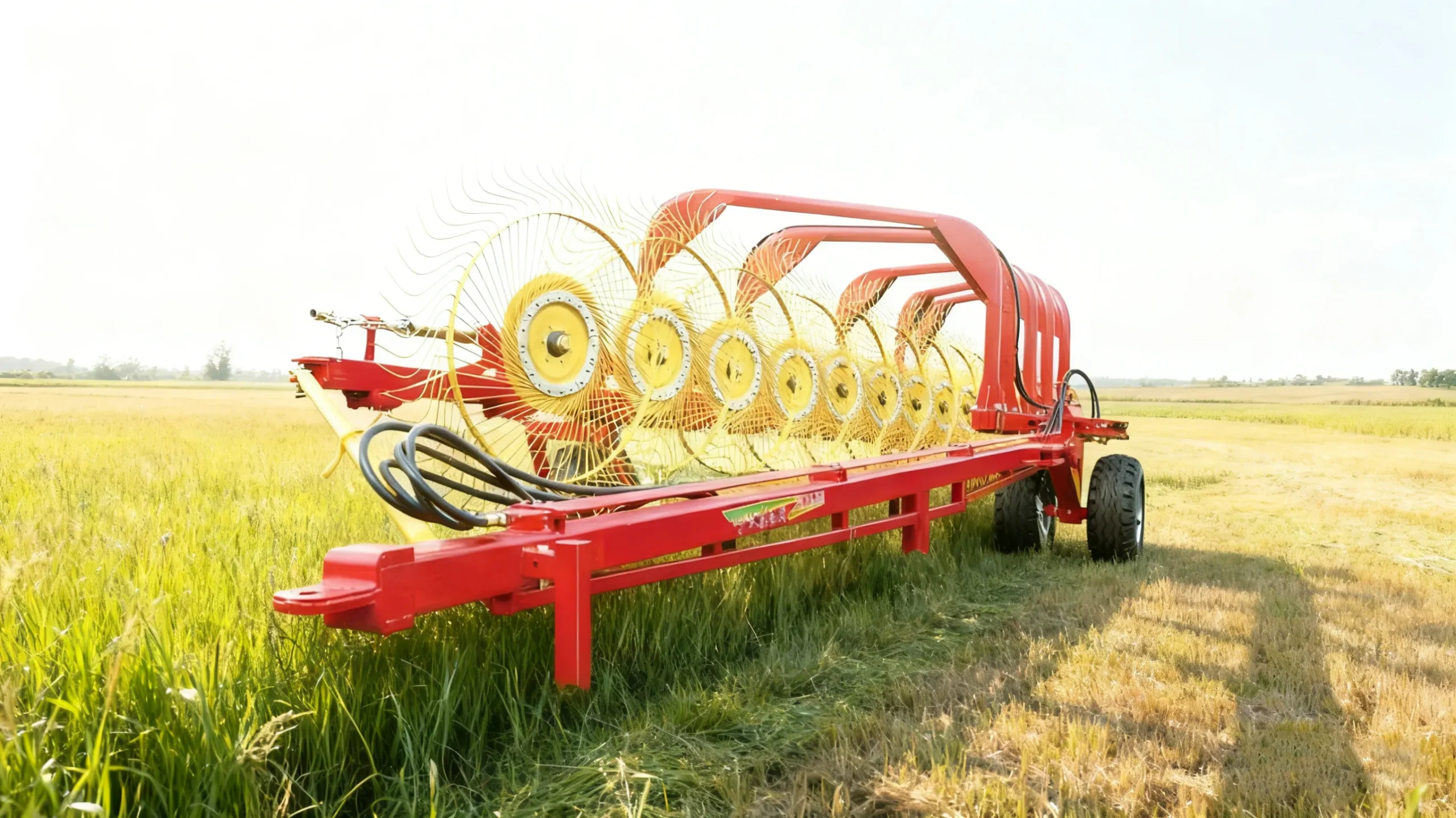
Cutting into a narrow, tight windrow slows drying by restricting airflow and solar penetration. Spread the cut material into a wide, open swathe with a tedder or wide-spread mower. In good drying conditions, spread ryegrass can lose 12 to 18% moisture in the first 6 hours — twice the rate of a tight windrow.
A single tedding pass at 16 to 20 hours post-cutting — if moisture is still above 50% — accelerates the final drying phase significantly. Do not ted below 45% moisture: ryegrass at this point is approaching leaf shatter threshold and each mechanical contact causes cumulative dry matter loss.
Merge the spread swathe to baling windrow width when moisture is in the target range. Apply a homofermentative LAB inoculant at the baler pickup in all cases where baling moisture is above 35%, in all second and subsequent cuts, and whenever the wilt period has been less than 24 hours.
Inoculant Selection and Film Wrapping Protocol
When Inoculant Is Necessary vs. Optional
Ryegrass at 28 to 35% baling moisture with a WSC content above 12% DM ferments reliably without inoculant under normal conditions. This is the situation most New Zealand silage operators rely on in their favourable late-summer drying climate — low humidity, consistent sunshine, and ryegrass harvested at high WSC. In European and British conditions, where first-cut ryegrass is harvested in spring with WSC of 10 to 14% DM and baling moisture frequently sits at 35 to 45%, inoculant use is the standard of care rather than an option. The cost of LAB inoculant (typically £0.50 to £1.50 per bale at commercial UK prices) is recovered in the first batch of prevented spoilage.
For second and third cuts of perennial ryegrass in European conditions — where the crop has been fertilised with nitrogen, WSC is often lower (8 to 12%), and cutting intervals may be shorter — inoculant use is effectively mandatory. Nitrogen-fertilised regrowth ryegrass has a particularly low WSC-to-buffering-capacity ratio and benefits most clearly from LAB inoculant support.
Six Layers: The Correct Standard for Ryegrass
Ryegrass silage baleage at 28 to 40% moisture ferments actively for 14 to 21 days and reaches stable pH within this period with good inoculant practice. Six layers of 25-micron silage stretch film provides adequate oxygen barrier for this fermentation window in standard temperate storage conditions. The machine d'emballage de film plastique 9YCM-850 applies 6 layers with programmable revolution control and 50% layer overlap — consistent across every bale in a high-volume harvest day. Increase to 8 layers for bales above 45% moisture or for storage beyond 12 months.
Second-Cut Ryegrass: The Underestimated Challenge
First-cut ryegrass silage, despite its larger volume, is generally easier to make well than second and subsequent cuts. First-cut material has its full seasonal WSC accumulation, predictable growth staging from winter dormancy, and a clearly identifiable heading-stage trigger. Second-cut ryegrass regenerates from leaf axils rather than from crown buds, produces a more variable stand structure across the paddock, and has lower WSC in many European and British conditions because it is cut on a shorter interval and with higher nitrogen fertiliser levels.
The practical consequence: second-cut ryegrass baleage has a higher incidence of clostridial fermentation failure than first-cut material even when made under identical conditions. Operations that rely on first-cut inoculant practice and skip inoculant on the second cut — on the reasoning that ‘the first cut was fine without it’ — consistently report second-cut batches that are darker in colour, smell of ammonia at opening, and depress dry matter intake in cows. Apply inoculant to every second-cut batch without exception.
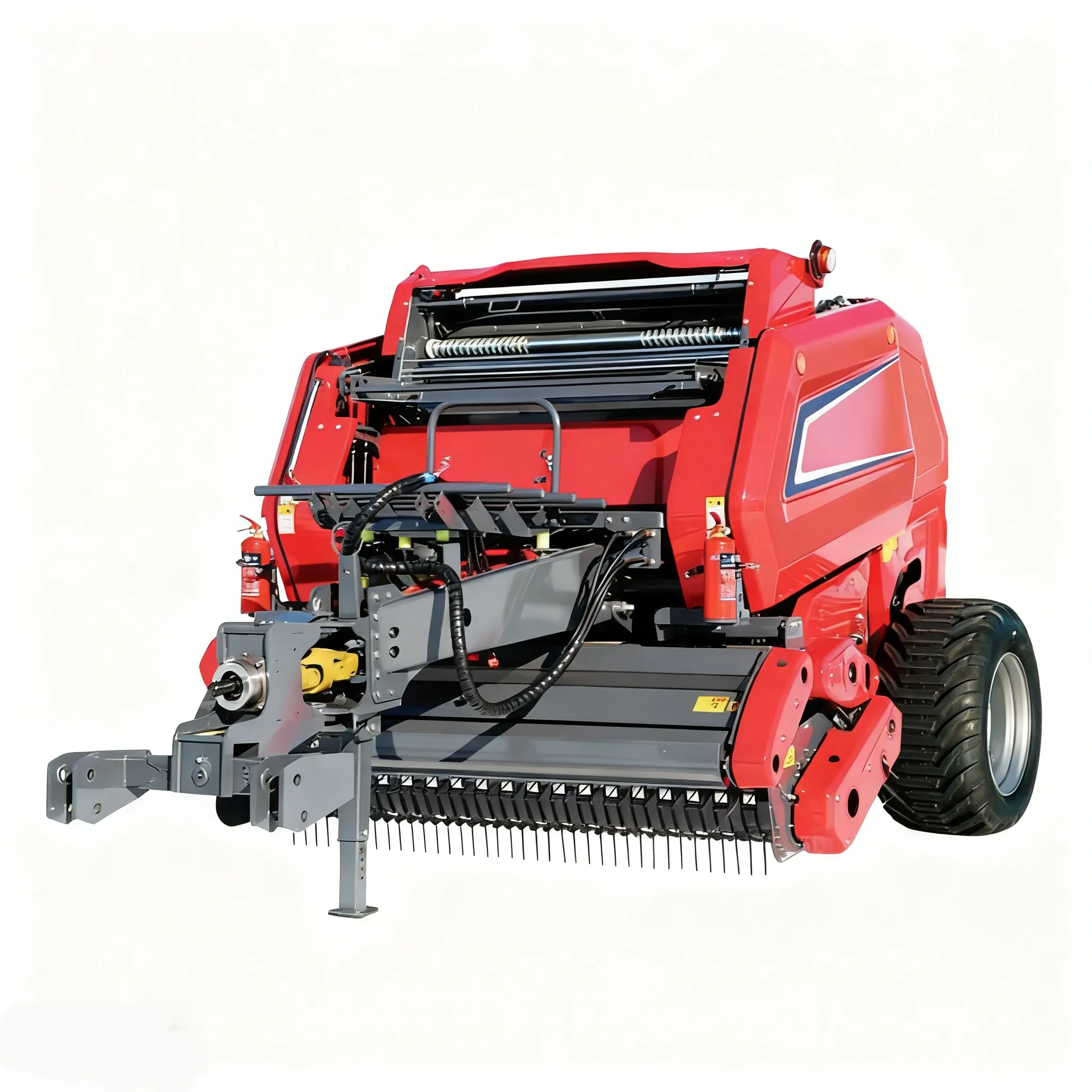
Pour le Presse à balles rondes à chambre variable 9YG-1.25A, the variable chamber pressure setting is particularly valuable for second-cut ryegrass, which often presents in lighter windrows (lower DM yield per cut) than first-cut material. The variable chamber maintains target bale density (180 to 220 kg DM/m³) across the full range of windrow weights encountered across the season.
Clostridial Spoilage: Diagnosis, Prevention, and Damage Control
Recognising Clostridial Fermentation at Opening
Clostridially spoiled ryegrass baleage has a distinctive and immediately recognisable profile: a sharp, rancid odour resembling rotten butter or ammonia, dark olive to brown-black coloration throughout the bale interior, a slimy or wet texture in the core layers, and elevated temperature when probed (above 30°C even in cool ambient conditions, rising from ongoing microbial activity). pH measured with a silage test strip will be above 5.0 — sometimes above 6.0 in severe cases.
The dairy cow response confirms the diagnosis: intakes drop 15 to 25% when animals are offered clostridial silage alongside acceptable material. Cows are sensitive to butyric acid — the primary clostridial fermentation product — and will actively sort away from it in a TMR or reduce total DMI when it is the only forage available. Feeding heavily clostridial silage to fresh cows in the first 60 days of lactation has been associated with increased fatty liver incidence and reduced peak milk yield in controlled studies.
| pH at Opening | Ammoniac-N (% de N total) | Diagnosis | Recommandations alimentaires |
|---|---|---|---|
| 4.0–4.5 | <8% | Good fermentation | Feed normally — all classes |
| 4.5–5.0 | 8–12% | Marginal fermentation | Avoid fresh cows; limit dry cows |
| 5.0–5.5 | 12–20% | Clostridial spoilage | Dilute 50:50 with good silage |
| >5.5 | >20% | Severe failure | Discard or compost — do not feed |
Foire aux questions

Discuss Your Ryegrass Silage Programme With Our Team
Tell us your farm size, cutting schedule, and target quality — we’ll specify the right baler and wrapper setup for your ryegrass silage operation.