produk
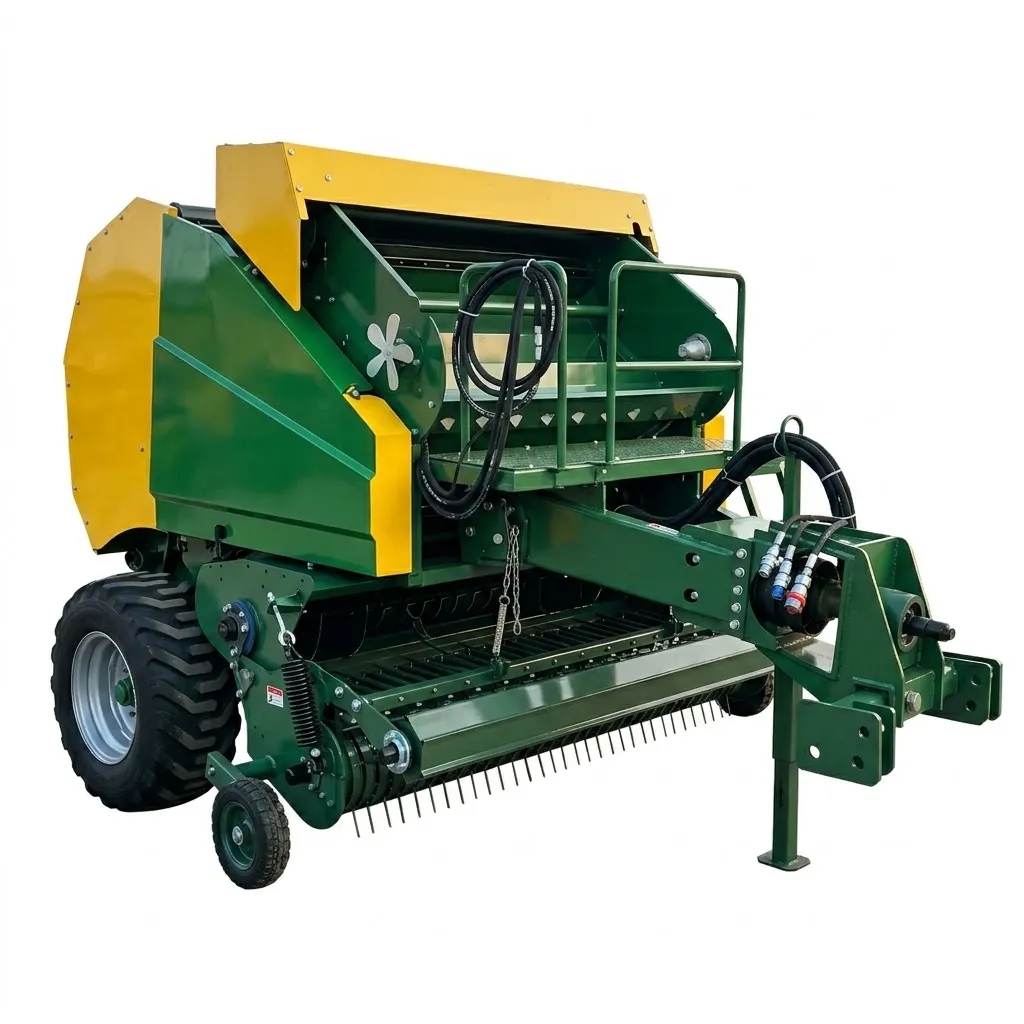
9YQ-1950 Rondebaler | Dubbelstadium-toevoer, 50–150 pk
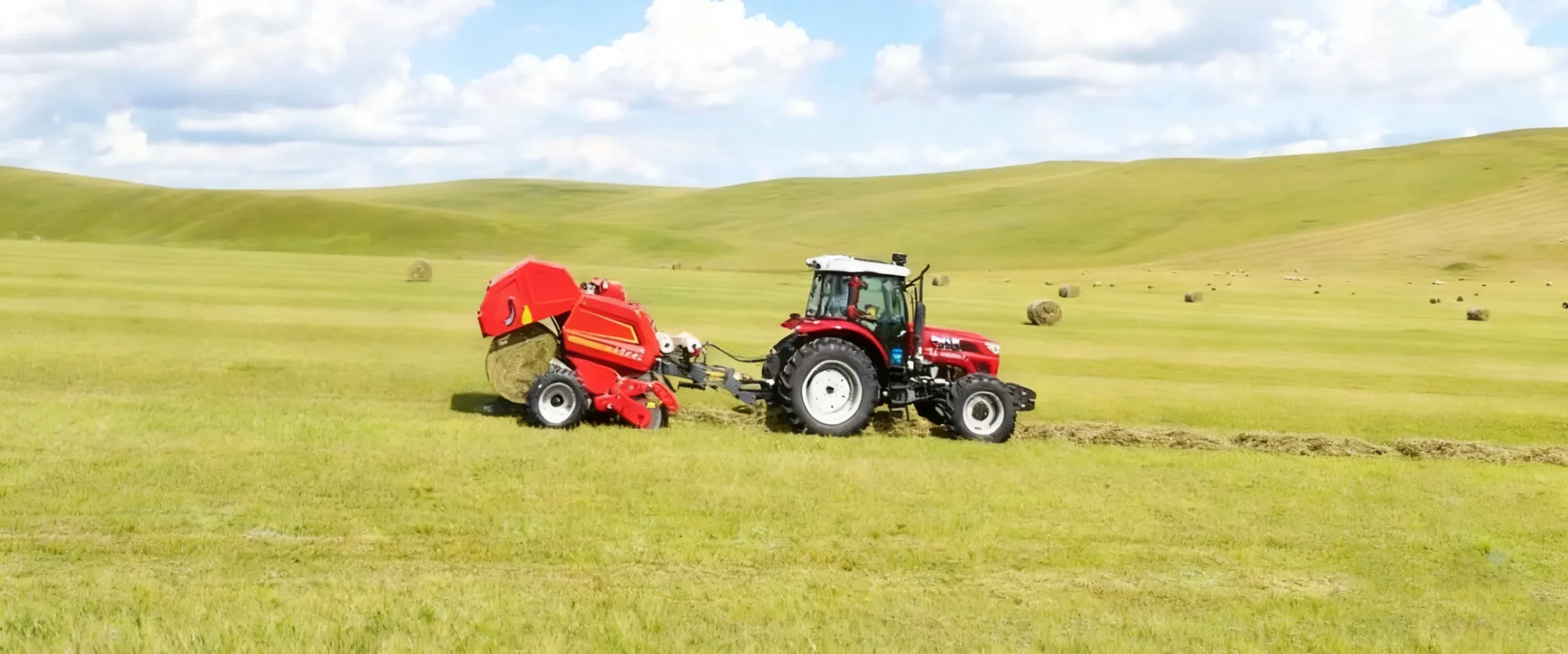
Die 9YQ-1950 kombineer 'n 18-roller Φ1000 mm roldrom-kompressiekamer met 'n tweestadium-skuifvurk en skroef-deurlopende voerstelsel — wat voerblokkasies in hoë-vog kuilvoer en veranderlike windrytoestande verminder. Met 'n kragreeks van 36.7–110.3 kW, is dit geskik vir trekkers van 50 tot 150 pk, wat roldrombaalkwaliteit toeganklik maak vir middelgroot melk-, skaap- en gemengde plaasbedrywighede.
Die Baler wat Hanteer wat jou trekker reeds het — 9YQ-1950 Roltrommelbaler, 50 tot 150 pk
Een van die mees algemene beperkings in Australiese voerbaling is nie gewasvolume, nie veldgrootte nie, en nie seisoenale tydsberekening nie – dit is trekkerbeskikbaarheid. Die hoëspesifikasie-roldrombalers wat premium kuilvoerbaalgehalte lewer, benodig tipies 150–200 pk-trekkers. Die 9YQ-1950 is gebou om dieselfde roldromkamertegnologie beskikbaar te stel aan plase wie se trekkervloot in die 50–150 pk-reeks is: die minimum is 36,7 kW (ongeveer 50 pk), en die boonste limiet is 110,3 kW (ongeveer 150 pk). Daardie drie-tot-een-reeks dek die meerderheid gemengde plaastrekkers wat in Australië se suiwel-, skaap-, bees- en gewasstreke werk.
Die masjien se mees kenmerkende meganiese kenmerk is nie sy kragbereik nie – dit is die tweestadium-voerstelsel. Waar die meeste rondebalers in hierdie gewigsklas 'n enkele voermeganisme gebruik, koppel die 9YQ-1950 'n skuifvurk-voermeganisme met 'n skroef-deurlopende voermeganisme wat in volgorde werk. Die vurkstadium ontvang die oes direk vanaf die 1950 mm-veertand-opnemer en breek dit in afgemete porsies voordat dit die skroef bereik. Die skroef lewer dan 'n gladde, ononderbroke vloei in die Φ1000 mm-roldrom-kompressiekamer. Hierdie tweestapbenadering hanteer stygingstoestande, hoë vogklontering en veranderlike windry-digtheid op maniere wat enige meganisme alleen nie kan hanteer nie – die praktiese resultaat is minder blokkasiegebeurtenisse en meer konsekwente kamervulling oor uiteenlopende gewastoestande. Vir 'n nader kyk na hoe Optel- en voerprobleme beïnvloed baalkwaliteit, ons gids dek algemene oorsake en oplossings.
Met 'n gewig van 2385 kg is die 9YQ-1950 'n werklik vervoerbare masjien – aansienlik ligter as die 9YG-2.2 en kompak genoeg vir gereelde beweging tussen eiendomme of kampe op 'n standaard plaaswa. Australia Ever-power Forage Balers Co., Ltd. verskaf hierdie masjien direk vanaf die Charlton Industriële Gebied, met Australiese onderdelevoorraad vir die tweestadium-voerstelsel wat dit uniek maak in hierdie kategorie.
Volledige tegniese spesifikasies
Volledige tegniese dokumentasie en onderdelekatalogus beskikbaar op aanvraag — kontak ons span.
Die Voedingsblokkadeprobleem — en waarom twee stadiums oplos wat 'n mens nie kan oplos nie
Vra enige operateur wat al 'n rondebaler deur hoë-vog kuilvoergewasse laat loop het wat hul mees algemene landonderbreking is, en die antwoord is amper altyd dieselfde: voerderblokkasie. Nie meganiese foute nie, nie net-toedraai-misbindings nie, nie kragaftakasprobleme nie – die oomblik wanneer gewasse by die voerderinlaat vassteek en die masjien stilstaan. Die 9YQ-1950 is spesifiek ontwerp om dit op meganiese vlak aan te spreek eerder as om dit aan die operateur se grondspoedbestuur oor te laat.
🌿 Veranderlike Windry Digtheid
Windrye is nie eenvormig oor hul lengte nie. 'n Dik gedeelte gevolg deur 'n yl gedeelte lewer 'n opwelling en dan 'n stroompie na die voerder. 'n Slegs-skroef-inlaat staak op die opwelling; 'n slegs-vurkinlaat voed oneweredig vanaf die stroompie. Die tweestadiumstelsel hanteer albei: die vurkstadium absorbeer die opwelling, die skroefstadium vergoed vir die stroompie. Die kamer ontvang dieselfde volume op elke siklus, ongeag wat die opnemer op die deurgang teëkom.
💧 Hoë-vog klonterigheid
Groen raaigras teen 60–70% vog, varsgesnyde lusern, vroeggesnyde weiding – al hierdie klonte vorm saam op die optelbak en arriveer by die voerderinlaat as 'n gekompakteerde massa eerder as 'n los vloei. 'n Skroef-enigste voerder wat met hierdie massa aangebied word, staak. Die vurkstadium breek die klont voordat dit die skroef bereik, wat 'n onhanteerbare massa in 'n hanteerbare stroom omskakel. Dit is waar die dubbelstadium-voordeel die duidelikste en kommersieel mees betekenisvol is.
🌾 Gemengde Gewassoorte in Een Dag
Bedrywighede wat dieselfde masjien deur hawerhooi in die oggend en kuilvoerweiding in die middag laat loop, teëkom 'n volledige verandering in gewasdigtheid, vog en klontgedrag tussen sessies. Die tweestadiumstelsel pas by beide aan: die vurkstadium pas sy effektiewe skoonmaakaksie aan by die materiaalmassa wat deur die optel aangebied word, en die skroef lewer konsekwent stroomaf ongeag. Geen herkonfigurasie van die voerder tussen gewasse is nodig nie.
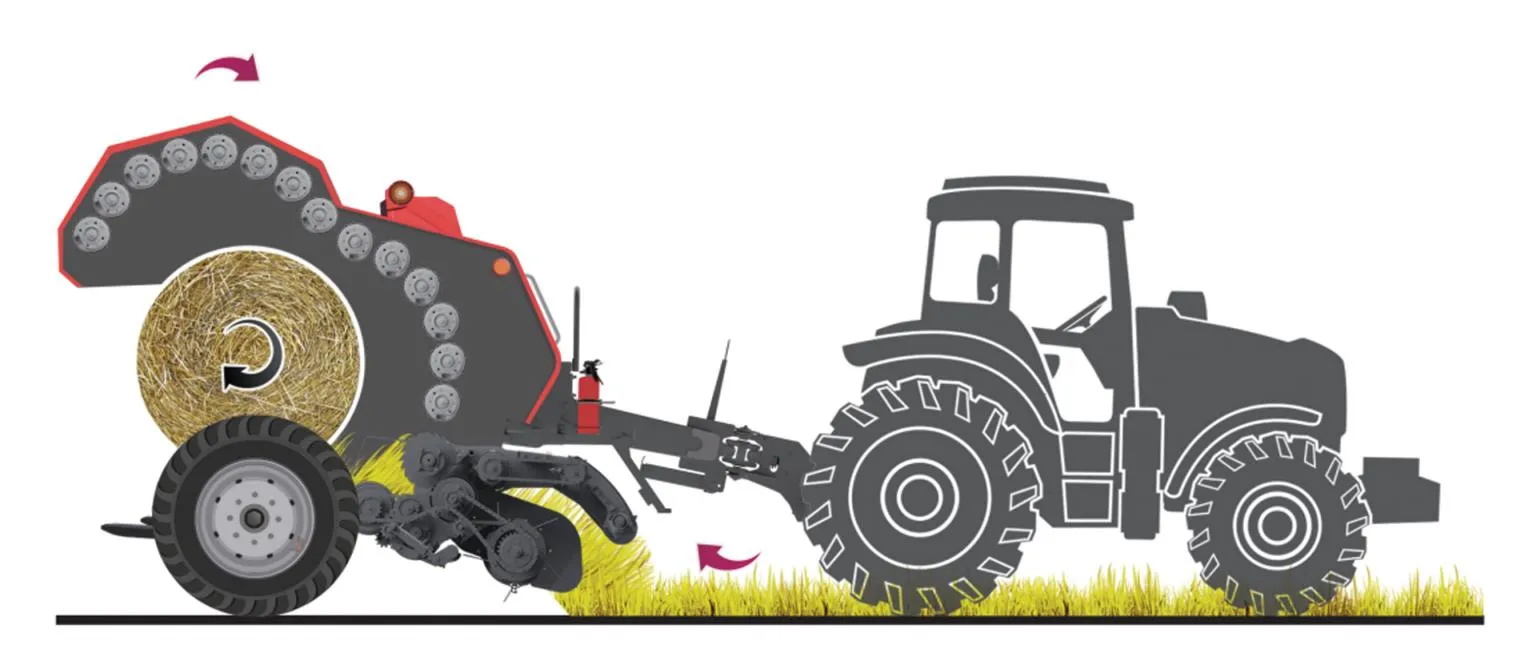
36.7 tot 110.3 kW — ’n Kragreeks wat by jou bedryf pas soos dit is, nie soos dit behoort te wees nie
Die 9YQ-1950 se kragreeks is nie 'n bemarkingsfiguur nie – dit is 'n werklike operasionele omvang wat die meeste Australiese plaastrekkers dek, van intreevlak-vierwielaandrywing tot groot hoëperdekragmasjiene. Die betekenis is prakties: hierdie masjien werk met die trekker wat jy reeds besit, sonder dat 'n aparte verkrygingsbesluit nodig is om sy vermoë te ontsluit.
Waarom die wye kragreeks 'n voordeel vir die plaasvloot is
Die meeste plase met gemengde bedrywighede het nie 'n toegewyde baaltrekker nie. Die masjien wat een maand baal, kan die volgende maand besig wees met bewerking, verspreiding of na-bestuur. Wanneer die primêre trekker elders gebruik word tydens 'n beperkte baalvenster, staan 'n baler met 'n smal kragbereik stil. Die 9YQ-1950 se 36.7–110.3 kW-reeks beteken dat byna enige trekker wat op 'n gegewe dag beskikbaar is, dit produktief kan laat loop – binne die gegradeerde omvang en sonder om buite die masjien se ontwerpparameters te werk.
18-Roller Roldromkamer — Φ1000 mm Vaste Kompressie
Die Φ1000 mm-kompressiesone word gevorm deur 18 Φ190 mm verharde staalrollers oor 'n kamerwydte van 1250 mm. Soos die groter 9YG-2.2, pas die vaste-deursnee-geometrie dieselfde radiale kompressiekrag toe dwarsdeur die volle baalvormingsiklus - geen kompressievariasie vanaf die eerste materiaalinvoer tot die nettoedraai-sneller nie. Die Φ1000 mm-deursnee is ietwat kleiner as die 9YG-2.2 se Φ1220 mm, wat 'n ligter gewig per baal lewer wat geskik is vir 'n breër reeks plaashanteringstoerusting en voerstelsels.
Die praktiese hanteringsvoordeel van Φ1000 mm
'n Φ1000 mm kuilvoerbaal is betekenisvol kleiner en ligter as die Φ1220 mm baal van die 9YG-2.2. Vir plase wat kleiner teleskopiese hanteerders of voorlaaiers vir baalhantering gebruik – eerder as toegewyde grootskaalse baalhanteerders – is die Φ1000 mm-formaat meer versoenbaar met die toerusting wat reeds op die eiendom is. Die plafonhoogte van die stoorskuur, die veiligheid van die stapelhoogte en die konfigurasie van die vervoerstapel is alles meer hanteerbaar met 'n kleiner baaldeursnee.
1950 mm Veertand-opnemer — Hidrouliese hoogte, grondvolgende vlotter
Die 1950 mm-veertandkatrol vang windrye van 4-5 meter maaitoerusting in 'n enkele beweging vas sonder om te hark of saam te voeg. Veerbelaaide tande volg grondoppervlakvariasies sonder om te knak op ryslandriwwe, dreineringsgleuwe of ongelyke weidingsoppervlaktes. Hidrouliese optelhoogteverstelling met sweefvermoë laat die operateur toe om die katrolhoogte aan te pas by veranderende toestande vanuit die trekkerkajuit - wat konsekwente gewasvang handhaaf sonder veldstops vir handmatige hoogteveranderings.
9YQ-1950 vs 9YG-2.2 — Watter Roltrommelbaler Pas By Jou Skaal?
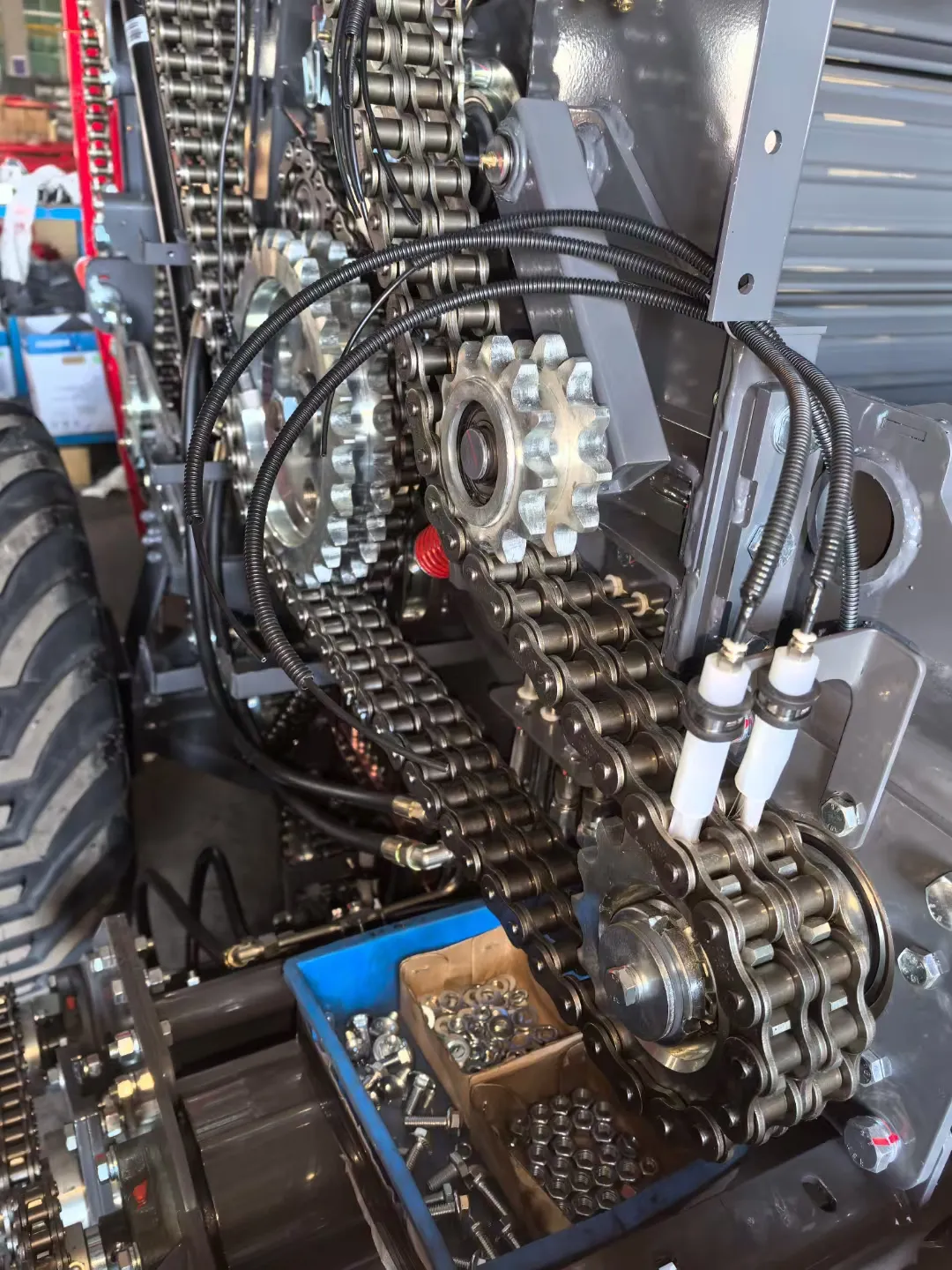
Waar die 9YQ-1950 sy duidelikste voordeel lewer
Die 9YQ-1950 se dubbelstadium-voedingsvoordeel is die duidelikste waar gewastoestande die meeste wissel – oor verskillende vogvlakke, verskillende gewastipes en verskillende windryprofiele. Dit is die toestande wat middelskaalse Australiese kuilvoer- en hooibedrywighede definieer.
Raaigras en Weidingskuilvoer
Meerjarige raaigras met hoë vog teen 60–70% is die mees veeleisende voedingstoestand vir 'n rondebaler op hierdie skaal. Die vurkstadium hanteer die klonterige, klewerige materiaal van 'n nat optel sonder die skroefstallingsgebeurtenisse wat enkelmeganismemasjiene in hierdie toestande kenmerk. Die roldromkamer handhaaf konsekwente kompressie deur die hoë vogmateriaal wat bandaangedrewe alternatiewe wisselvallig hanteer.
Lusern- en Hawerhooi
Teen vog onder 20%, lusern- en hawerhooibaal deur die 9YQ-1950 sonder die klontrisiko van kuilvoergewasse. Die dubbelstadium-voerder bly voordelig om konsekwente kamervulling oor droë hooi-windrye met veranderlike digtheid te handhaaf - die vurkstadium vergoed vir windry-tapsheid en yl gedeeltes wat digtheidsvariasie in die baal met 'n enkelmeganisme-voerder sou veroorsaak.
Mieliekuilvoer by die boonste kragreeks
Heelplantmielies teen 60–70% vog is die swaarste voedingstoepassing in hierdie masjien se omhulsel. 'n Trekker van 100–110 pk aan die boonste punt van die gegradeerde reeks is die korrekte kombinasie vir hierdie gewas. Die vurkstadium se bufferfunksie is veral waardevol in mieliekuilvoer, waar gekapte materiaal in ongelyke ladings van die kopstuk afkom wat 'n skroef-enigste inlaat teen dieselfde gewasvolume sou oorweldig.
Middelgrootte melkplase
Melkplase wat konsekwente kuilvoergehalte vir wintervoeding benodig – maar nie teen die uitsetvolumes wat die 9YG-2.2 se swaarder belegging regverdig nie – is die natuurlike pasmaat vir die 9YQ-1950. Die roltrommelkamer se digtheidseenvormigheid ondersteun konsekwente fermentasie oor die baalbondel, wat lei tot meer voorspelbare daaglikse melkproduksie oor die kudde deur die voerperiode.
Skaap- en Gemengde Veeplase
Skaapplase en gemengde veeboerderye wat hawerhooi en wieke vir voerreserwes deur droë periodes baal, trek voordeel uit die 9YQ-1950 se buigsaamheid oor verskillende gewassoorte. Dieselfde masjien hanteer hawerhooi vir droëseisoenreserwes en weidingkuilvoer vir vroeë-gesnyde voedingsgehalte, met die dubbelstadium-voerder wat by beide aanpas sonder herkonfigurasie tussen toepassings.
Klein Kuilvoer Kontrakteurs
Kleiner kontrakteringsbedrywighede wat skaapplase, klein suiwelblokke en gemengde-ondernemingskliënte bedien, trek voordeel uit die 9YQ-1950 se kompakte vervoerafmetings (3200 mm lengte, 2385 kg) en die versoenbaarheid daarvan met 'n wye reeks kliëntplaastrekkers. Die tweestadium-voerder se robuustheid oor verskillende gewassoorte verminder die probleemoplossingslas wanneer tussen verskillende plaaskontekste in 'n enkele kontrakteringsdag beweeg word.
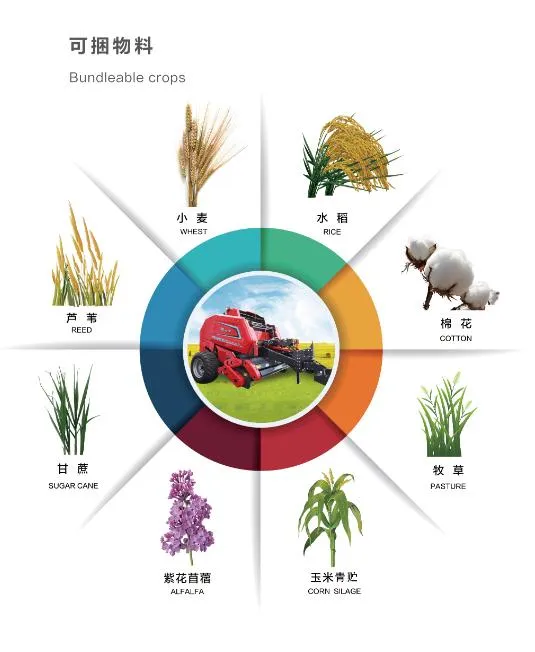
Die doeltreffende gebruik van die 9YQ-1950 oor gewastipes en kragkonfigurasies heen
Die sterkte van die tweestadium-voerder – die aanpasbaarheid daarvan oor gewastoestande – beteken ook dat om die meeste daaruit te kry, die aktiewe gebruik van die regte trekker vir die regte gewas vereis word. Hierdie praktyke vertaal die masjien se ontwerpbuigsaamheid in veldvlak-uitsette.
Pas Trekkerkrag by die Dag se Oes
Ligte droë hooi teen 50–70 pk. Swaar groen kuilvoer teen 90–110 pk. Hierdie aktiewe paring is wat die wye kragreeks moontlik maak – en dit moet doelbewus gebruik word eerder as om standaard na dieselfde trekker oor te skakel, ongeag die gewastoestande. As 'n 50 pk-trekker deur swaar mieliekuilvoer gebruik word, veroorsaak dit 'n aftakasspoeddaling onder las, wat die vurkstadium-skoonmaakspoed verminder en klonte toelaat om die doseeraksie te omseil en die skroef te laat stilstaan. Pas die trekker by die gewas aan, en die tweestadiumstelsel presteer volgens spesifikasie.
Inspekteer die vurkstadium by elke brandstofstop in nat toestande
In hoë-vog kuilvoertoestande — 60%+ gewasvog — versamel materiaal vinniger op die vurkvlak as in droë hooitoedienings. Klewerige kuilvoerreste op die vurk wat die skoonmaakaksie verminder, is die mees algemene oorsaak van verminderde tweestadium-prestasie tydens intensiewe groen kuilvoerlopies. By elke brandstofstop bevestig 'n kort visuele inspeksie van die vurkvlak en die inlaat na die skroefstadium dat die vurk effektief skoonmaak en laat dit vroeë-stadium-residuverwydering toe voordat dit opbou tot 'n vlak wat die voerderprestasie beïnvloed.
Voorseisoen-rolkontrole — Al 18
Voor die eerste baal van elke seisoen, inspekteer al 18 kompressierollers vir laerspeling, oppervlakslytasie en aksiale posisionering oor die kamerwydte van 1250 mm. 'n Rol met verhoogde laerspeling skep 'n herhalende sagte sone in die baal by sy hoekposisie - waarneembaar deur 'n hand om die omtrek van die uitgeworpe baal te beweeg. Om 'n verslete laer voor die seisoen op te spoor en te vervang, neem 'n uur; om dieselfde probleem in die middel van die piek kuilvoerseisoen te diagnoseer, neem langer en kos die dag se uitset.
Stel optelhoogte by elke veldverandering
Hidrouliese hoogteverstelling word met 'n rede voorsien – gebruik dit aktief by elke nuwe land. Vir kuilvoergewasse waar grondbesoedeling van die baal die risiko van klostridiale bederf verhoog, is die korrekte optelhoogte 'n direkte inset vir kuilvoerkwaliteit: te laag en die tande sleep grond in die voerder en in die baal. Te hoog in ligte windrye en fyn stingelblaarmateriaal word op die grond gelaat, wat baalgewig en voedingsdigtheid per geproduseerde baal verminder.
Pas netwikkel aan vir gewasvogvlak
Kuilvoerbale met 'n hoë voggehalte benodig meer nettoedraai-lusse as droë hooibale om hul vorm te behou tydens afkoeling en vervoer na die toedraaiplek. Stel die toedraaitelling aktief terug tussen kuilvoer- en hooitoedienings eerder as om die telling op 'n enkele instelling vas te stel. Op skaal – honderde bale per seisoen – verteenwoordig die verskil tussen 'n gepaste toedraaitelling en 'n oortollige toedraaitelling 'n betekenisvolle verbruikskoste, en onvoldoende toedraaitelling loop die risiko van baalinsinking wat filmtoedraai en bergingsstapeling bemoeilik.
Smeer alle punte by elke brandstofstop
Die 9YQ-1950 se dubbelstadium-voerder bring bykomende laerpunte bo en behalwe die standaard optel-en-kamer-uitleg – die vurkstadium-spilpuntlaers en die skroefvoerder-aslaers benodig albei gereelde smering met die tussenposes wat in die onderhoudskedule gespesifiseer word. Smering by elke hervullingstop eerder as een keer per dag handhaaf beskerming oor alle punte gelyktydig. In Australiese somerkuilvoertoestande versnel middaghitte die afbreek van vet by blootgestelde toebehore – om tot die volgende oggend te wag om te smeer, beteken etlike ure se ondergesmeerde werking by piek omgewingstemperatuur.
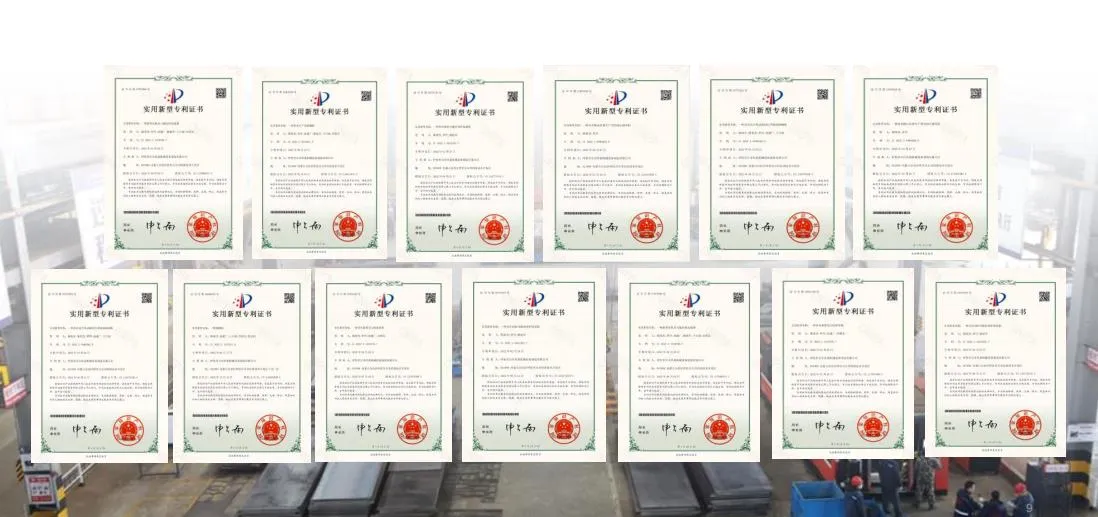
Dubbelstadium-voedingstegnologie word direk verskaf — met Australiese onderdelevoorraad vir die komponente wat dit uniek maak
Australië Ever-power Voerbalperse Maatskappy, Bpk., Charlton Industriële Gebied. Lees meer by foragebalers.com/oor-ons.
Direkte Prys — Geen Verspreideroorhoofse Koste
'n Dubbelstadium-voerder gekombineer met 'n roltrommelkamer in hierdie kragreeks is 'n spesifikasiekombinasie wat 'n beduidende premie in Europese handelsmerk-verspreidingskanale behaal - die tegnologie word as superieur erken, en die pryse weerspieël beide ingenieursgehalte en meervlakkige verspreidingsmarges. Ever-power se direkte voorsiening aan Australië verwyder die verspreiderlaag: die prys wat jy betaal, is die prys van die masjien, nie die prys van die masjien plus die koste van die verspreiding daarvan deur verskeie tussengangers nie.
Australiese voorraad vir dubbelstadium-voerderonderdele
Die skuifvurkkomponente en skroefvoerderonderdele wat die 9YQ-1950 se voerderontwerp definieer, word in Australië gehou – nie op internasionale vragtydlyne nie. Veeropteltande, vurk-spilpuntlaers, skroefaskomponente, rollagers en netwikkelmeganismeonderdele word almal plaaslik gehou. Die tweestadiumvoerder is die mees meganies kenmerkende element van hierdie masjien; die beskikbaarheid van onderdele in Australië beskerm die seisoenale kontinuïteit wat die masjien se prestasievoordeel gebou is om te lewer.
Opstelondersteuning vir die dubbelstadiumstelsel
Ons Australiese span bied eersteseisoenleiding oor vurkvryhoogte-aanpassing, skroeftydsberekening, grondspoedoptimalisering vir spesifieke gewas- en trekkerkombinasies, en netwikkeltellinginstellings vir kuilvoer- teenoor hooitoepassings. Die tweestadium-voerder presteer die beste wanneer dit korrek vir die gewas opgestel word - ons ondersteun daardie opstelling eerder as om dit aan probeerslae oor te laat. Kontak ons by [email protected] of deur ons kontakvorm.
Gereelde vrae
Algemene vrae van gemengde plaasoperateurs, klein suiwelprodusente en kontrakteurs wat die 9YQ-1950 evalueer.