
Why Testing Silage Quality Is Worth the Effort
The Information Gap Between the Baler and the Feed Trough
A silage bale produced by a 青貯飼料打捆機 and correctly wrapped is a sealed unit — its internal quality is invisible until opened. For much of the storage period, the only indication that something has gone wrong inside a bale is an external film breach or the subtle signs of aerobic heating that a thorough inspection routine picks up. When the bale is finally opened and distributed to livestock, the quality assessment often happens by default — the cattle eat it enthusiastically or they don’t, and the farmer draws conclusions from animal behaviour rather than systematic evaluation.
This reactive approach leaves money on the table in multiple directions. Poor-quality silage fed without identification may be causing subclinical health problems in livestock (particularly from butyric acid and mycotoxins in clostridial silage) that reduce production without producing visible symptoms attributable to the feed. Good-quality silage fed without nutritional knowledge makes accurate ration formulation difficult — without knowing the dry matter, protein, and energy content of what’s being fed, a ration is necessarily estimated rather than calculated. And silage that is below threshold for safe feeding in high-production dairy cows may be perfectly acceptable for dry cows or growing beef cattle — without assessment, this allocation decision cannot be made.
Systematic silage quality testing — using sensory assessment at opening plus targeted laboratory analysis for valuable or suspect batches — closes this information gap at modest cost relative to the value of the stored feed. This guide covers the full testing toolkit: the field assessment methods every farmer can use at every bale opening, and the laboratory analysis approach for situations where more precise information is needed. For more about the silage equipment that produces the bales being assessed here, see the full Ever-power silage baler range.
The Smell Test: The Most Reliable Field Assessment Tool
What Different Silage Odours Tell You About Fermentation Quality
The smell of freshly opened silage is the single most informative and most accessible quality indicator available to farmers in the field. Human olfactory sensitivity to the key fermentation acids in silage — lactic acid, acetic acid, and butyric acid — is sufficient to detect quality differences that would require laboratory pH measurement to quantify precisely. An experienced silage manager reading the smell of a fresh bale face can make reasonably accurate quality assessments that are validated by subsequent laboratory analysis in the majority of cases. Learning to read silage smell systematically transforms what is often an intuitive reaction into a structured diagnostic tool.
The Smell of Good Silage
Well-fermented silage has a characteristic smell that is pleasant, tangy, and slightly fruity — often described as resembling pickles, yoghurt, or mild vinegar. This smell comes from lactic acid (the dominant acid in well-preserved silage, contributing the yoghurt/pickle character) and small amounts of acetic acid (the vinegar note). The smell should be clean and fresh without any off-notes — no mustiness, no rancidity, no ammonia or barnyard character. This smell profile indicates pH has dropped to the preservation threshold (typically below 4.5), fermentation has been dominated by lactic acid bacteria, and the anaerobic conditions were established and maintained. When a bale smells like this at opening, the fermentation outcome is almost certainly acceptable regardless of what the colour and texture subsequently reveal.
The Smell of Clostridial Silage
Clostridial silage — silage in which clostridial bacteria dominated the fermentation rather than lactic acid bacteria — has a distinctly unpleasant smell that is immediately recognisable once learned: a rancid, rotten butter, or vomit-like odour that is caused by butyric acid, the characteristic end-product of clostridial fermentation. This smell is unmistakeable and deeply unpleasant — livestock strongly avoid it, which is itself a quality indicator when animals that would normally crowd a feed bale stand back from it. Clostridial silage also has a noticeably higher ammonia note — a sharp, pungent, urine-like component that comes from protein breakdown products. When a bale has this smell profile, it should not be fed to high-production dairy cows, pregnant animals, or young stock — the butyric acid and protein breakdown products have significant negative effects on production and health in sensitive livestock categories.
The Smell of Aerobically Spoiled Silage
Aerobic spoilage — silage in which yeasts and moulds established during an extended aerobic phase after wrapping or after a film breach — has a musty, earthy, compost-like smell that is quite different from both good silage and clostridial silage. It may also have a sweet, bread-like, or alcoholic note if yeast activity has been significant. This smell profile indicates that aerobic organisms were active, consuming dry matter and producing heat, during some part of the storage period. The affected silage may have reduced digestibility from heat-damaged proteins (Maillard reactions) and elevated mycotoxin risk from mould activity. Visual mould growth confirms the suspicion when it is present, but mould visible on the feed face is the late stage of what began as an invisible yeast and mould colonisation in the early post-wrapping period.
| Smell Profile | Fermentation Type | Feeding Recommendation |
|---|---|---|
| Tangy, fruity, mild vinegar / pickle | Lactic acid dominant ✅ | Safe for all livestock — optimal quality |
| Stronger vinegar, sharper acidity | Acetic acid elevated | Acceptable — may indicate wet conditions at baling |
| Rancid butter, vomit-like, sharp ammonia | Clostridial — butyric acid | Do not feed to dairy cows, pregnant animals, or young stock |
| Musty, earthy, compost / mouldy bread | Aerobic spoilage — yeast/mould | Restrict from high-production and sensitive animals — mycotoxin risk |
| Very strong ammonia / putrid smell | Severe protein breakdown / total failure | Discard — do not feed to any livestock |
Colour Assessment: What the Visual Appearance Reveals
Reading Silage Colour at the Feed Face
Silage colour provides useful quality information when interpreted correctly, though it is a less reliable indicator than smell because the same colour can arise from different processes. Colour should always be assessed in conjunction with smell — a silage that smells right but looks unusual is more likely to be acceptable than one that smells wrong regardless of colour. The colour reference points below apply to grass-based silage; maize, lucerne, and other crop types have different colour baselines that adjust these reference points.
🟢 Olive Green to Tan — Excellent
The typical colour range of well-fermented grass silage. The original bright green chlorophyll converts to olive-brown pigments during the anaerobic fermentation — this colour change is normal and desirable. A consistent olive-to-tan colour throughout the bale face indicates uniform fermentation without oxygen infiltration zones.
🟡 Yellow to Light Brown — Acceptable
Slightly more advanced colour change than optimal, often seen in silage that was baled at the higher moisture end of the acceptable range or that was held slightly longer before sealing. Generally acceptable if smell is clean — assess smell first.
🟠 Dark Brown — Investigate
Very dark brown colour indicates either heat damage from an aerobic phase (Maillard reaction), or water-saturated silage that has undergone colour changes from effluent contact. Assess smell — if it smells musty or hot, heat damage is likely. High-protein heat-damaged silage has severely reduced rumen-available protein.
⚪ White/Grey Patches — Mould Present
White, grey, or blue-green patches on the silage face are visible mould growth. Mould indicates a film breach at that area or oxygen infiltration during filling. Affected material should be discarded from the face before feeding — do not mix mouldy material into feed for high-production or sensitive animals.
Texture, Temperature, and the pH Strip Test
The Remaining Field Assessment Tools That Complement Smell and Colour
Texture
Well-fermented silage has a moist but not saturated texture — the stems are pliable and hold together under hand pressure without excessive free liquid. Taking a handful of silage and squeezing firmly for 10 seconds should produce a small amount of expressed liquid but the silage should not flow or drip continuously. Silage that expresses large volumes of free liquid when squeezed was either baled too wet or has undergone significant butyric acid fermentation that has disrupted the cellular structure and released free moisture. Silage that feels dry and crumbles without any expressed liquid was either baled at the low end of the moisture range or has experienced significant DM loss from aerobic activity.
Temperature at Feed-Out
Freshly opened silage should be at approximately ambient temperature — the fermentation within a correctly preserved bale produces minimal heat because lactic acid fermentation is anaerobic and relatively low in heat production. Silage that is noticeably warm to the touch at opening — more than 5–8°C above ambient — is undergoing active aerobic activity, either from an inadequate fermentation that left the pH too high for anaerobic preservation, or from a film breach that allowed oxygen to establish a spoilage zone before opening. Warm silage at feed-out loses dry matter and quality rapidly after the bale is opened — feed it immediately without allowing it to sit in the feeder or TMR wagon longer than necessary.
The pH Strip Test
A pH test strip pressed against the moist face of freshly opened silage gives an immediate reading that confirms or challenges the smell and colour assessment. Standard litmus pH strips in the 3.5–6.0 range are sufficient for silage pH assessment and cost very little per test. Target pH for well-fermented grass silage at 50–60% moisture is 3.8–4.5; for wetter silage (60–67%) the target is 4.0–4.8. A pH reading below 3.8 in grass silage sometimes indicates over-acidification from excessive fermentation, though this is uncommon in Australian conditions. A pH above 5.0 in silage that has been stored for 8+ weeks is a reliable indicator that fermentation did not complete successfully — this silage warrants more detailed investigation before regular inclusion in a livestock ration. For expert advice on the silage baler for dairy farm systems that produce the feed you’re testing, contact our Charlton team.
Laboratory Analysis: When, Why, and What to Test
Moving Beyond Field Assessment to Quantitative Analysis
Laboratory silage analysis provides quantitative data that field assessment cannot. It tells you the exact dry matter content, the protein fraction and its rumen availability, the metabolisable energy value, the fermentation acid profile, and the presence of specific spoilage indicators. This information is the foundation of accurate ration formulation for high-production dairy cows and finishing beef cattle, where the difference between an estimated and a measured ration can represent significant production and profitability outcomes. The question is not whether laboratory analysis is useful — it clearly is — but when it justifies its cost for the specific situation.
When Laboratory Analysis Is Warranted
✅
High-production dairy rations. Any silage included as a significant component of a dairy cow TMR should be laboratory-analysed at least once per cutting batch. The difference between 9 MJ ME/kg DM and 11 MJ ME/kg DM in silage translates directly into either energy deficiency or ration over-cost at dairy production levels.
✅
Suspect silage before wide feeding. When field assessment raises concerns — unusual smell, high pH on the strip test, elevated temperature — laboratory analysis before feeding the batch to a full herd prevents a quality problem from affecting a large number of animals before it is identified.
✅
Purchased silage. Silage purchased from another property should always be laboratory-analysed before inclusion in a livestock ration — the vendor’s quality assessment may not apply to the specific bales received, and the ration implications of unknown-quality silage are significant.
✅
Unexplained production or health issues. When livestock performance declines unexpectedly and feed quality is a suspect cause, laboratory silage analysis is part of the diagnostic toolkit that rules in or out the feed as a contributing factor.
✅
New silage system or process change. When a new silage baler machine is purchased, when crop type or cutting timing changes significantly, or when a new wrapping procedure is adopted, laboratory analysis of the first batch confirms whether the system change has produced the intended quality outcome.
What the Laboratory Tests — and How to Sample Correctly
The Key Parameters and the Sampling Approach That Makes Results Meaningful
The value of laboratory analysis depends entirely on the quality of the sample — a sample that is not representative of the batch being assessed produces numbers that are accurate for the sample but misleading for the batch. Because silage bales can vary significantly between bales in the same batch (particularly if crop conditions varied during baling), the correct sampling approach involves taking material from multiple bales across the batch and combining them into a composite sample that represents the average of the batch.
Correct Sampling Procedure for Bale Silage
- Sample a minimum of 5–8 bales per cutting batch — more if the batch is large or if conditions varied during baling.
- Use a silage coring probe (preferable) or cut a 200g sample from the interior of the bale face immediately after opening — not from the outer surface where aerobic deterioration may have occurred.
- Place each bale’s sample into the same clean plastic bag — combining samples from multiple bales into one bag creates the composite sample.
- Exclude any visibly mouldy or discoloured material from the sample — unless the purpose is to test the mouldy portion specifically, sampling from spoiled areas skews the composite result.
- Seal the bag immediately and exclude as much air as possible — silage samples degrade rapidly after exposure to oxygen, changing the fermentation acid profile within hours if not kept cool and sealed.
- Keep the sample refrigerated (not frozen) and submit to the laboratory within 24 hours of sampling. If same-day or next-day submission is not possible, freeze the sample to halt the degradation process.
Key Parameters and What They Tell You
| Parameter | Target Range (Grass) | What It Tells You |
|---|---|---|
| Dry matter (DM%) | 35–50% | Confirms moisture at baling — basis for all nutritional calculations |
| pH | 3.8–4.5 | Fermentation completion — pH >5.0 indicates fermentation failure |
| Crude protein (CP%DM) | 12–20% | Protein content for ration formulation |
| Ammonia-N (% of total N) | <10% | Protein breakdown — >15% indicates clostridial activity or prolonged fermentation |
| Metabolisable energy (MJ ME/kg DM) | 9.5–11.5 | Energy value for ration formulation — key for dairy and finishing beef |
| Lactic acid (% DM) | 5–12% | Fermentation type — high lactic, low butyric indicates well-preserved silage |
| Butyric acid (% DM) | <0.3% | Clostridial activity indicator — >0.5% is significant concern for dairy cows |
Interpreting Results and Making Feeding Decisions
What to Do With What the Analysis Tells You
A laboratory result is the starting point for a feeding decision, not the end point. Even below-standard silage has a place in a livestock feeding programme — the key is to know what you have and match it to the livestock category that can most tolerate its limitations. Silage with elevated butyric acid that cannot be fed safely to late-pregnancy or early-lactation dairy cows may be entirely acceptable for growing beef steers or dry dairy cows, where the threshold for adverse effects from butyric acid is significantly higher. Silage with heat-damaged protein that has low rumen-available protein may still have adequate metabolisable energy for maintenance-level feeding of mature cattle during a feed gap.
When laboratory results indicate a quality problem, the appropriate response is a tiered allocation decision: high-quality silage for the most demanding livestock categories (peak-lactation dairy cows, late-pregnancy stock), medium-quality for mid-production and maintenance categories, and poor-quality (if not discarded) for the least-sensitive categories only after veterinary or nutritionist advice. This tiered approach maximises the value recovered from every bale in the stack regardless of quality, rather than either discarding all below-standard silage or feeding it undifferentiated to all livestock. For more information about the complete range of Ever-power silage equipment, visit our About page.
Ever-Power: Producing the Bales That Test Well
The Equipment Connection Between Bale Quality and Test Results
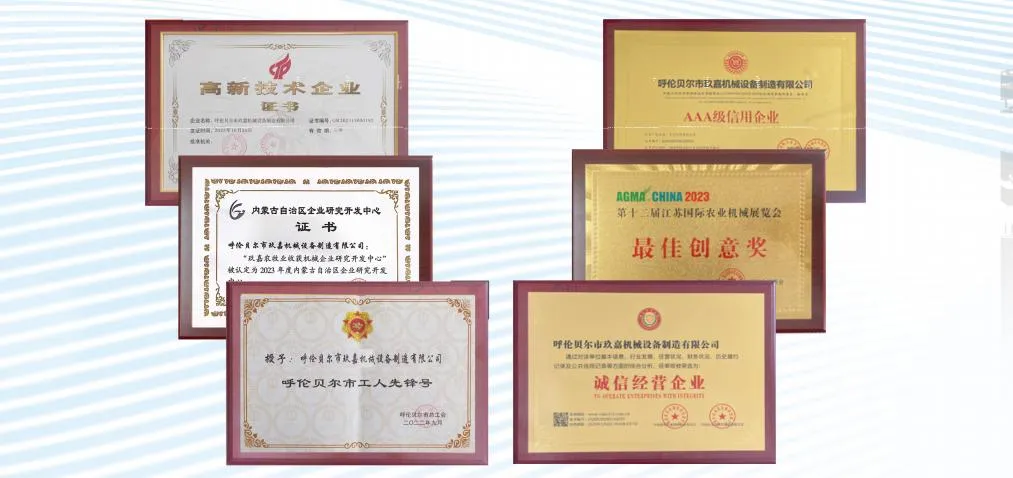
The laboratory result is the outcome of everything that happened before the sample was submitted — crop growth stage, moisture at baling, bale density, wrap layers, wrapping interval, and storage management. The baler’s contribution to that outcome is bale density: higher density means faster oxygen exhaustion, shorter aerobic phase, lower fermentation DM losses, and a fermentation acid profile that is more lactic-dominant and less butyric-prone. Ever-power’s variable chamber pressure system is the mechanical tool that drives bale density toward the upper achievable limit for each crop condition, which is why operations using these machines consistently achieve laboratory results that reflect the quality investment made at the production stage. For a silage baler for sale that produces the bale density that test results reward, contact the Charlton team.
Questions About Silage Quality or Equipment?
Talk to Our Australian Silage Specialists
Charlton Industrial Area, Australia — silage quality advice, baler selection, and technical support for Australian dairy and beef operations.
常見問題解答
Common Questions About Silage Bale Quality Testing

澳洲永動力飼料打包機有限公司
📍 Charlton Industrial Area, Australia