How Sheep Farm Silage Needs Differ From Dairy and Beef
The Specific Characteristics of Sheep Farm Silage Production That Drive Different Equipment Decisions
Most 青貯飼料打捆機 buying guides are written with dairy and beef operations as the primary audience — and for good reason, since these enterprises represent the largest silage volumes in Australian agriculture. But sheep farms have distinct requirements that, when properly understood, lead to different optimal equipment choices at each decision point. Applying a dairy operation framework to a sheep farm silage decision consistently leads to over-specification (purchasing too much machine for the actual production scale) or misalignment (purchasing a machine that doesn’t fit the feed-out logistics of sheep production).
The key ways sheep farm silage production differs from cattle operations are: annual production volumes are typically smaller (30–150 bales per year for most sheep farms versus 200–500+ for comparable-scale dairy operations), feed-out quantities per feeding event are smaller (a 1.25m bale fed to 200 ewes at 1 kg DM per head lasts 4–5 days versus 1–2 days for a comparable cattle mob), silage quality standards are somewhat more tolerant (sheep can generally tolerate lower fermentation quality than dairy cows without measurable production impacts, with the exception of pregnant ewes in late gestation and young lambs), and the tractor available for baling on a sheep farm is often smaller than on a dairy or beef operation.
These differences flow directly into the equipment selection: smaller chamber size, lower HP requirement, simpler specification (fixed or variable chamber depending on quality priorities), and potentially the most straightforward economic argument for contracting rather than ownership at volumes below 80–100 bales per year. This guide addresses each decision point for the Australian sheep farm context specifically. For more about the full Ever-power range, visit the product pages.
Silage Quality Requirements for Sheep: What Matters and What’s Flexible
Where Sheep Are More Tolerant — and Where They Are Not
Sheep are generally more tolerant of lower fermentation quality in silage than high-production dairy cows — they are less affected by moderate butyric acid concentrations and are not subject to the milk fat or protein depression that makes butyric acid silage particularly costly in dairy production. This tolerance gives sheep farmers slightly more latitude on silage baling moisture management than dairy farmers need to observe strictly — baling at 65–68% moisture (Zone 1 conditions) with good inoculant management produces silage that sheep typically consume and utilise well, whereas the same silage would be suboptimal for high-production dairy cows.
However, there are two sheep production scenarios where silage quality is critical and the dairy-standard management approach must be applied in full. The first is late-pregnancy ewes (last 6 weeks of gestation) — a period where high-energy feed intake is critical to prevent pregnancy toxaemia and optimise lamb birth weight. Silage with elevated butyric acid or poor fermentation quality reduces dry matter intake in late-pregnancy ewes and increases metabolic disease risk. The second is feeding to young lambs under 3 months of age — where very poor quality silage with high mycotoxin or butyric acid levels can cause liver damage in growing lambs. For these two categories, apply the same quality standards as dairy production — target moisture below 65%, inoculant use, and laboratory quality testing before introducing new batches.
For the remainder of the sheep flock — growing store lambs, ewes outside the last 6 weeks of pregnancy, wethers — good-quality silage above pH 4.5 with no visible mould but moderate fermentation quality is generally well tolerated and produces adequate performance outcomes. This flexible quality requirement means the overall quality management intensity required in sheep farm silage production is somewhat lower than in dairy production — which has implications for equipment specification and management investment. For advice on the silage baler for small farm range appropriate to sheep operations, contact the Charlton team.
Bale Size Selection: Matching Bale Weight to Flock Feeding Rate
Why Bale Size Matters More for Sheep Than for Cattle
Bale size selection is particularly important for sheep farms because the feed-out rate of sheep is much lower than cattle per animal, meaning larger bales remain partially open for longer periods before being fully consumed. A 1.25m round silage bale containing 250–300 kg DM fed to a mob of 200 ewes at 1.0 kg DM per head per day will take 4–5 days to consume. An open bale face that sits exposed for 4–5 days in warm Australian conditions loses significant quality from aerobic deterioration — particularly in summer when temperatures above 25°C accelerate face heating. The practical principle for sheep farms is: use the smallest bale size that is still economically practical to produce, to minimise the face exposure time between opening and consumption.
| 捆包尺寸 | DM per Bale | Days to Consume | Recommendation |
|---|---|---|---|
| 1.0m bale (~160 kg DM) | ~160 kg | 2–3 days @ 200 ewes, 1.0 kg DM/hd | ✅ Best for small sheep operations |
| 1.25m bale (~250 kg DM) | ~250 kg | 4–5 days @ 200 ewes, 1.0 kg DM/hd | ⚡ Acceptable for 300+ ewe mobs |
| 1.5m bale (~380 kg DM) | ~380 kg | 6–8+ days @ 200 ewes — too long open | ⚠️ Only for 500+ ewe mobs |
For most Australian sheep farms running 200–500 ewes, the 1.0m bale format represents the best balance between production economy (larger than a very small bale format so not excessively slow to produce) and feed-out logistics (consumed within 2–4 days on typical mob feeding rates, minimising face deterioration). Sheep farms running 600+ ewes can justify the 1.25m format as the daily consumption keeps the face fresh. The 9YG-1.0 and 9YG-1.0C models in the Ever-power range are designed specifically for the 1.0m format that suits small to medium sheep operations. For larger sheep enterprises, the 9YG-1.25 is appropriate when mob size justifies the larger bale format.
Tractor Requirements: Matching the Baler to the Tractor Available
Why Sheep Farm Tractors Often Drive a Different Baler Choice From Cattle Operations
The tractor fleet on a typical Australian sheep farm is significantly lighter than on a comparable-scale dairy or intensive beef operation. A mixed-enterprise sheep farm’s primary tractor is commonly in the 45–75 HP range — capable of all standard sheep farming operations but below the 75–100 HP range that suits the 1.25m class silage balers most commonly used in dairy operations. This tractor HP constraint is a practical driver toward the smaller 1.0m and 1.0C baler formats, which operate reliably at 40–55 HP in silage service.
The lower tractor HP also affects the baling speed and windrow density that the sheep farm operator should plan for. A 55 HP tractor baling grass silage with a 1.0m baler can maintain 5–7 km/h travel speed on a standard windrow, completing 60–80 bales per day in a normal session. This is adequate for the typical sheep farm’s annual silage program of 60–120 bales, completing the cutting in 1–2 days per session. Attempting to bale at faster speeds to “get it done quicker” typically produces bale density compromises that reduce fermentation quality — a false efficiency that costs more in feed value than the time saved.
40–55 HP
9YG-1.0 / 9YG-1.0C
Small to medium sheep operations: 100–600 ewes, 40–120 bales/year. Best match for the most common Australian sheep farm tractor.
60–80 HP
9YG-1.25 / 9YG-1.25A
Larger sheep operations: 600–1,500+ ewes, 150–300+ bales/year. Appropriate when mob size justifies 1.25m bale format for feed-out.
Own vs Contract for Sheep Farms: The Economics at Typical Volumes
Why the Own vs Hire Decision Is Different for Sheep Than for Dairy
As covered in the hire vs buy analysis, the economics of silage baler ownership generally favour contracting below approximately 200 bales per year at standard contractor rates. Most Australian sheep farms produce fewer than 150 bales per year — positioning them firmly in the range where contracting is often economically superior to ownership purely on cost grounds. The additional factors that tip dairy operations toward ownership (quality control, availability for daily milking schedule compatibility, quality returns in milk) are less compelling for sheep operations where the quality tolerance is higher and the feeding schedule is more flexible.
The cases where ownership makes sense for sheep farms, even at lower volumes, are: farms in regions with unreliable contractor access during the critical spring silage window (particularly in zones where grass matures quickly and the optimal cutting window is very short), farms that also produce hay in significant volumes from the same machine (the dual-use economics improve per-bale cost for both products), farms that produce drought reserve silage specifically from high-quality annual crops where precise timing is essential, and farms where the annual bale number, while modest for the sheep enterprise, is increased by occasional contract baling for neighbours.
For sheep farms that do invest in owned baling equipment, the 9YG-1.0C is specifically positioned for this use case — it operates from tractors as small as 45 HP, is priced at the accessible lower end of the Ever-power range, produces bales at the 1.0m size appropriate for sheep feed-out logistics, and handles both silage and hay service reliably. For a silage baler for sale at sheep farm scale, the Charlton team can provide specific model and pricing information for your operation’s requirements.
Silage Crops Commonly Used on Australian Sheep Farms
The Crops That Produce the Best Silage for Sheep Enterprise Requirements
Australian sheep farms produce silage from a wider variety of crop types than dairy operations, reflecting the more diverse pasture base and cropping systems common in sheep country. The most common silage crops on Australian sheep farms are: annual ryegrass (dominant in winter-rainfall zones — produces high-energy silage from first-year swards in late spring), cereal crops (oats, barley, triticale — whole-crop cereal silage is the dominant sheep silage crop in many regions, particularly for drought reserve), subterranean clover pastures (high-protein silage suited to pre-lambing ewe supplementation), and Mediterranean annual grass pastures (variable quality but often the only practical source of silage in lower-rainfall environments).
Whole-crop cereal silage is particularly important in the sheep farm context because it produces a silage with higher dry matter content (35–45% DM at the soft dough stage) and longer storage life than grass silage, and can be harvested when cereals are at the ideal growth stage rather than being tied to a narrow pasture spring growth window. Cereal silage is more forgiving of variation in harvest moisture than grass silage because the straw fraction buffers the fermentation, making it well-suited to sheep farm operations where harvest precision may be less consistent. Baling cereal silage requires similar settings to corn silage (higher chamber pressure, lower travel speed) due to the coarser straw material, and the machine requirements are similar. For information on the Ever-power range across all crop types, visit the About page.
Ever-Power: The Right Silage Baler for Every Scale of Australian Sheep Farm
From Compact Models for Small Flocks to Full-Scale Options for Large Enterprises
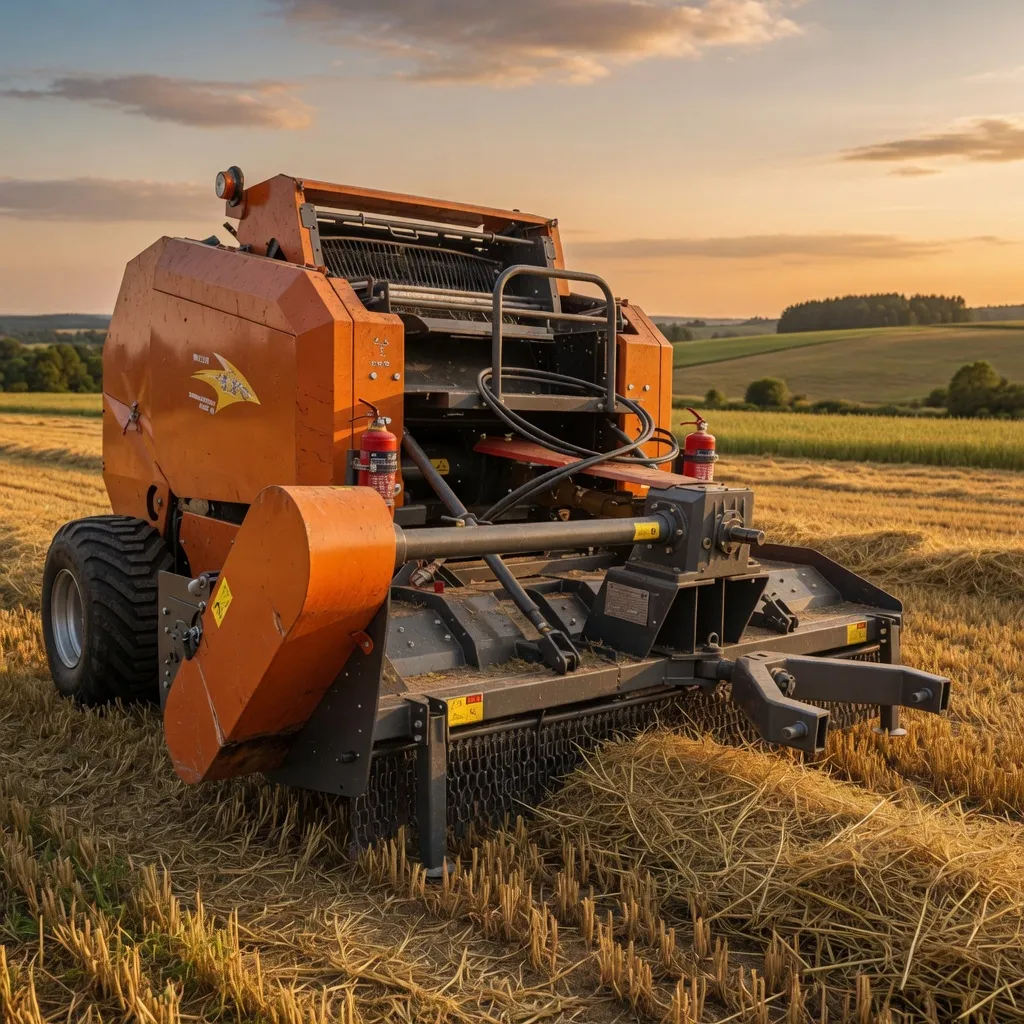
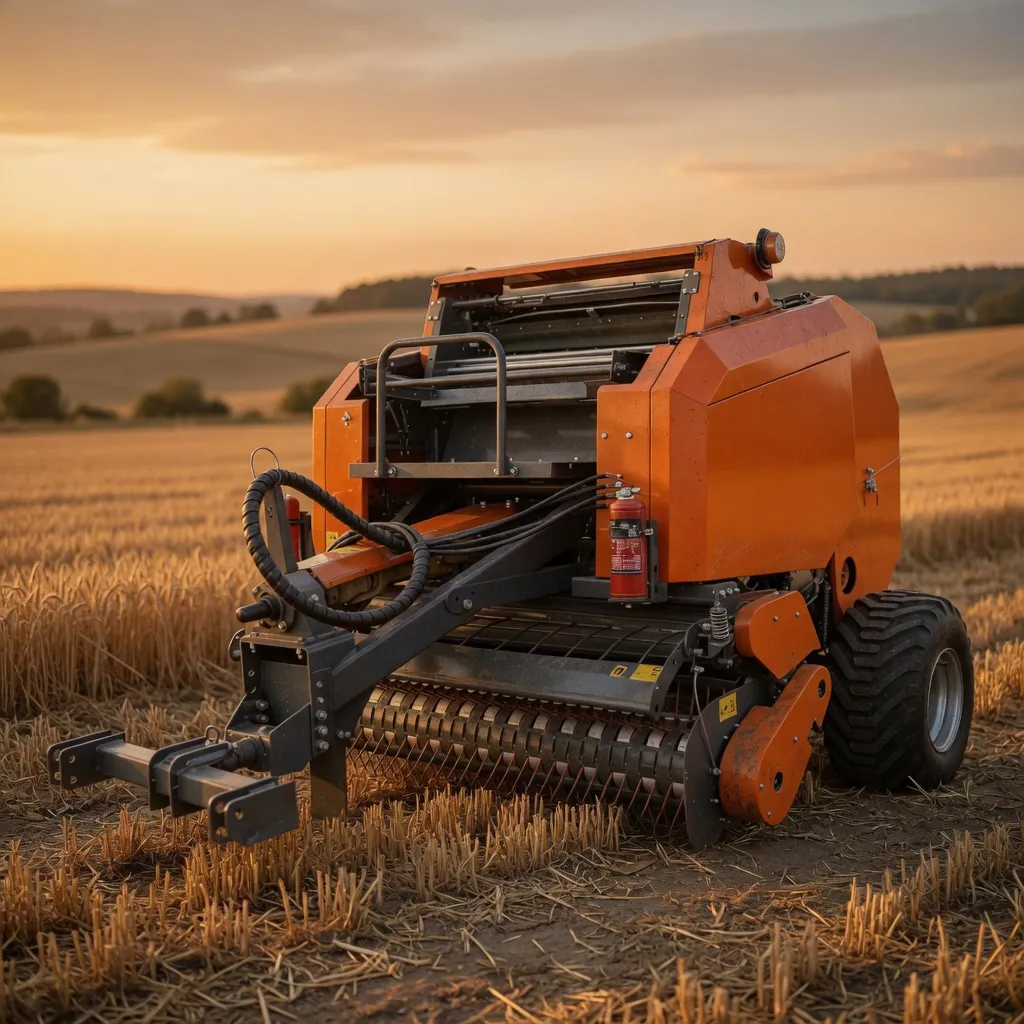
The Ever-power range specifically addresses the sheep farm silage production profile through the 1.0m and 1.0C models — machines designed for the 40–55 HP tractor range, producing bales in the 1.0m format that minimises feed-out face deterioration at typical sheep mob feeding rates, at a purchase price that makes the ownership economics viable at the lower annual volumes typical of sheep farm silage programs. These models also handle hay baling reliably, providing the dual-use economics that improve the per-bale cost calculation for sheep farms producing both silage and hay from the same machine through the season. For operations outgrowing the 1.0m format as their flock expands, the 1.25m series provides the next step up while remaining within the tractor HP range available on most sheep farms with a tractor upgrade.
Selecting a Silage Baler for Your Sheep Operation?
Get a Recommendation Matched to Your Flock Size
Charlton Industrial Area, Australia — baler selection advice for sheep farms of all sizes, matched to flock size, tractor HP, and annual bale volume.
常見問題解答
Common Questions About Silage Balers for Sheep Farms

澳洲永動力飼料打包機有限公司
📍 Charlton Industrial Area, Australia