Maintenance Guide

The condition your サイレージベーラー goes into storage in directly determines the condition it comes out in. This end-of-season guide covers every step needed to protect the machine through winter — from cleaning and corrosion prevention to belt tension relief and documentation — so that next season’s pre-season inspection starts from a strong base rather than a corroded one.

❄️ Winter Storage
🌿 Silage Baler
🔧 End-of-Season

Why End-of-Season Storage Determines Next Season’s Cost

What Happens to a Neglected Silage Baler Over Winter

The last bale of the season is done, the tractor is needed for the next job, and the サイレージベーラー gets pushed to the back of the shed with whatever it accumulated on the final day. This is one of the most expensive short-cuts in farm machinery management. Silage crop residue is not inert. The plant acids, mineral salts, and organic matter left on and inside the machine continue reacting with every surface they contact throughout the storage period — corroding ferrous metals, degrading rubber seals, penetrating bearing housings, and chemically attacking belt compound. By the time pre-season inspection rolls around, what would have been a half-day clean-up job at the end of the season has become a significantly larger task, frequently accompanied by component replacements that correct storage-period damage that proper post-season care would have prevented entirely.

The specific vulnerabilities of a silage baler machine during storage differ from those of a hay baler in two important ways. First, the silage residue left on metal surfaces is more chemically aggressive than hay dust — its acid content continues driving corrosion even after the moisture has evaporated, leaving a dry residue that still accelerates surface rust on bare steel and attacks zinc coatings. Second, the high-moisture operating environment means that seals and rubber components on a silage baler are already more fatigued by the end of the season than on a hay baler with equivalent hours — these components need more careful off-season protection to reach the next season in serviceable condition.

The effort required for correct end-of-season storage — realistically three to four hours of focused work — is directly offset by a shorter and simpler pre-season inspection the following year, fewer component replacements required before the first cut, and lower probability of a mid-season failure caused by storage-period damage. For Australian operators managing dairy, beef, or mixed enterprise properties where the silage harvest window is tight and the baler’s availability is critical, the off-season investment in correct storage is one of the highest-return maintenance activities in the annual calendar. Browse the full Ever-power silage baler range to compare models suited to your operation.

Silage baler end-of-season storage maintenance procedure

End-of-season maintenance takes three to four hours — the same work done at the start of the next season takes twice as long and costs more in replacement parts

Step 1 — Thorough Machine Cleaning

The Foundation of All Other Storage Preparation Steps

Cleaning must happen before any other storage preparation — applying grease over silage residue traps acid-contaminated material against metal surfaces, and applying corrosion protection over dirty surfaces reduces the adhesion and effectiveness of the protective layer. Every other step in the storage process depends on starting with a genuinely clean machine, not just one that looks acceptable from a distance.

Pressure Washing Protocol

A pressure washer is the correct tool for end-of-season cleaning — manual brushing cannot remove the dried silage residue that has baked onto roller surfaces, chain links, and belt backing material over the season. Start from the top of the machine and work downward, so loosened residue falls away from already-cleaned areas. Pay particular attention to the bale chamber interior, where multiple layers of crop material accumulate around roller housings and belt guide channels. The pickup head requires thorough cleaning of the cam track channel, tine reel bore, and the drive chain case — these areas trap the highest-moisture crop material and experience the worst post-season corrosion if left unaddressed.

Knotter Assembly Cleaning

The knotter mechanism is the most precision-sensitive component on the machine and the one most affected by off-season residue accumulation. Use compressed air to clear the twine guide channels, bill hook housing, and knife slot — these narrow passages trap fine silage material that water pressure alone cannot dislodge. After air-clearing, rinse with clean water and allow the mechanism to dry completely before lubricating. A knotter that goes into storage with packed silage residue in its clearance-critical passages will have drifted out of specification before it runs again next season.

Drying Before Lubrication

After pressure washing, allow the entire machine to dry for a minimum of two hours before applying grease or corrosion protection. Grease applied to wet surfaces traps water against the bearing seat — the opposite of what storage lubrication is meant to achieve. Drying is fastest with good airflow; parking the machine in a breezy shed bay or using a leaf blower to move air through the chamber interior significantly reduces drying time. If conditions require that lubricating and greasing happen the same day as washing, use compressed air to clear moisture from bearing housings before applying grease.

✅ Cleaning Checklist

  • Pressure-wash the complete machine top to bottom — chamber interior, pickup head, all roller surfaces, PTO shaft.
  • Clear knotter passages with compressed air before water rinse — air first removes packed material, water rinse finishes the job.
  • Clean the inside of the belt tensioner housing — silage residue inside tensioner springs accelerates spring corrosion.
  • Remove and clean the chain case covers — inspect chains for residue packing that causes corrosion between links.
  • Allow minimum 2 hours drying time before proceeding to lubrication and corrosion protection steps.

Step 2 — Full Lubrication Before Storage

Displacing Acid-Contaminated Grease Before the Off-Season

End-of-season lubrication is one of the most important and most frequently neglected steps in silage baler storage preparation. The grease that has been in the bearings throughout the season has been contaminated by plant juice acids, moisture, and metallic debris from normal bearing wear — it is not in the same condition as when it was applied. Over the storage period, the acid components in contaminated grease continue attacking bearing raceways. A bearing that finishes the season with acceptable surface condition can begin the next season with visible corrosion pitting simply because the contaminated grease was never displaced before storage.

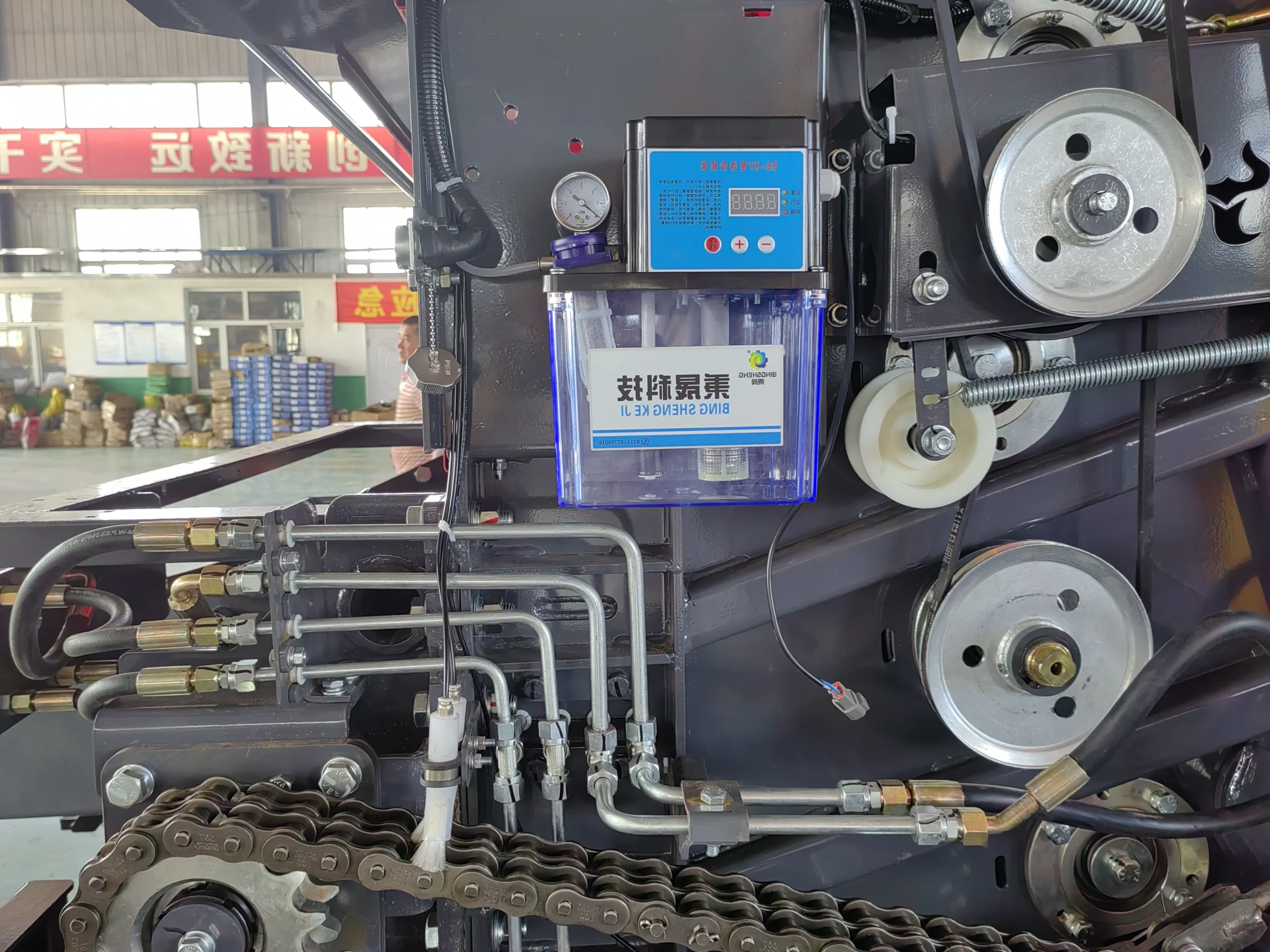
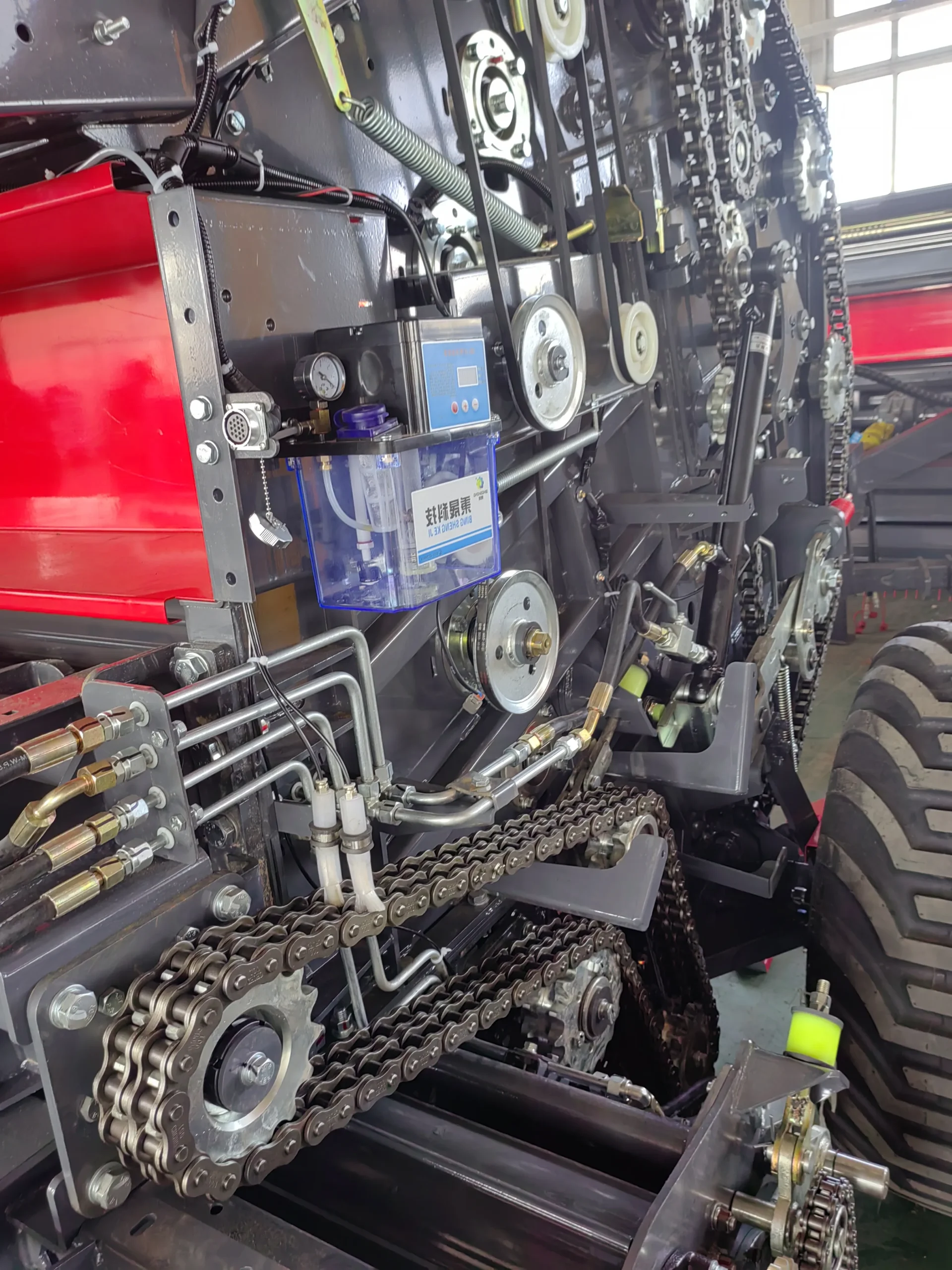
The goal of end-of-season greasing is to pump enough fresh grease through every bearing point to fully displace the season’s contaminated charge. This means greasing until fresh, uncontaminated grease purges from the bearing seal — not just a few pumps to top up the cavity. Use a calcium-sulphonate complex grease for all silage baler bearing points, as this chemistry provides the best corrosion-inhibiting protection during the storage period. For silage baler parts and recommended lubricants for Ever-power models, contact our Charlton Industrial Area team.

🔩 All Bearing Points

Pump fresh grease through every marked fitting until new grease purges at the seal. This displaces the contaminated seasonal charge and establishes a fresh corrosion-inhibiting film for the storage period.

⚡ PTO Universal Joints

Grease through all cross fittings until fresh grease exits. PTO joint crosses are small-volume — contamination is displaced quickly with correct greasing. Apply corrosion spray to the slip joint telescoping section.

🔗 Drive Chains

Apply a chain lubricant or thin-film corrosion protection oil to all drive chains before closing chain cases. Chains left dry over winter develop surface rust in the link pins that causes chain stiffness and accelerated wear from the first operating day next season.

⚙️ Tailgate Pivots and Latches

Grease tailgate hinge pins and latch pivot points. These are the most exposed fasteners on the machine to weather during storage — seized tailgate hinges at the start of next season require significant force to free and typically damage the pin housing surface.

Step 3 — Corrosion Protection for Exposed Metal Surfaces

Protecting the Surfaces Bearing Grease Cannot Reach

Bearing lubrication addresses the contact surfaces inside housings, but the external metal surfaces of the machine — roller faces, tine reel bars, pickup shaft exposed sections, bill hook and knife, frame members exposed through paint chips — need separate corrosion protection treatment. These surfaces have been in direct contact with silage crop juice throughout the season, and they continue to corrode after the season ends unless they are cleaned and treated. A corrosion-inhibiting spray applied to cleaned metal surfaces forms a thin protective film that displaces residual moisture and significantly slows the surface rust development that would otherwise occur during the storage period.

The knotter bill hook and knife deserve particular attention. These are precision-dimensioned components in corrosion-resistant alloy, but they are not stainless — they can develop corrosion pitting on precision surfaces during winter storage if unprotected. A light coat of a corrosion-inhibiting oil (not a thick grease, which would need to be fully cleaned away before the knotter can be adjusted next season) applied to the bill hook face, knife edge, and twine disc surface provides adequate protection and is easy to wipe off during pre-season preparation.

Pay attention to any paint chips or bare metal areas on the frame that developed during the season — these are the starting points for structural corrosion that progressively weakens painted frame sections. Touch up with a matching farm equipment enamel after cleaning while the surface is accessible and dry. A 20-minute paint touch-up in autumn prevents the remedial rust treatment and painting that a full season of unprotected surface rust makes necessary. For comprehensive サイレージベーラー support and model information, visit the About Us page.

✅ Corrosion Protection Checklist

  • Spray all roller surfaces with corrosion-inhibiting oil — apply after cleaning and drying, wipe excess to prevent belt contamination at startup.
  • Apply a light corrosion-inhibiting film to bill hook face, knife edge, and twine disc — wipe-on oil rather than thick grease for easy pre-season removal.
  • Spray all exposed pickup tine reel bars and the cam track channel interior.
  • Touch up any paint chips on the frame and chamber panels — bare metal winter storage accelerates structural surface rust.
  • Apply a film to the PTO shaft slip tube interior after cleaning — prevents the corrosion-induced binding that makes PTO shaft adjustment difficult next season.
Silage baler winter storage corrosion protection treatment

Corrosion protection applied to cleaned, dry surfaces forms a protective barrier that prevents the surface rust and pitting that unprotected storage causes

Step 4 — Belt Tension Relief for the Storage Period

Why Storing Belts Under Tension Shortens Their Service Life

Silage baler belts are engineered rubber-and-cord composite structures that require sustained tension during operation to transmit drive and compress the forming bale. During the off-season, however, maintaining this tension continuously serves no purpose and causes measurable damage. Rubber compounds under sustained tension at ambient temperature undergo a process called stress relaxation — the polymer chains in the rubber gradually rearrange to relieve the applied load, resulting in a permanent reduction in the belt’s elastic stiffness and effective grip coefficient. Belts stored under full operating tension for four to six months emerge the following season with less elasticity than belts stored at near-zero tension, requiring earlier replacement or more frequent re-tensioning to maintain the same operating performance.

The belt tension relief procedure is simple and takes under 10 minutes: back off the tensioner adjustment bolts on each belt set until the belts are visibly slack with no load on the rollers. Record the operating tension setting (or mark the adjustment position) before backing off, so re-tensioning to the correct specification at pre-season is straightforward. A note in the maintenance log or a marker pen line on the tensioner bracket adjacent to the adjustment bolt position serves this purpose adequately. Silage-rated belts are a significant replacement cost — protecting them during storage by releasing tension is one of the simplest high-value maintenance actions in the end-of-season process.

⚠️ Important: Mark the Operating Setting Before Backing Off

Always record or mark the operating tension position on the tensioner bracket before reducing tension for storage. Re-tensioning “by feel” at the start of next season without a reference position leads to inconsistent tension across the belt set — the most common cause of differential belt slip at the start of a new silage campaign. A marked reference point makes pre-season re-tensioning a 5-minute task rather than a trial-and-error process.

Step 5 — Hydraulic System Storage Preparation

Protecting Seals and Cylinders During the Off-Season

The hydraulic tailgate system on a round baler works under high cyclic loads throughout the silage season — the tailgate opens and closes under pressure on every single bale ejection. By the end of the season, hydraulic hoses have accumulated a full season’s worth of flexing cycles, and cylinder seals have been working against sustained pressure for every operating hour. The storage period is the correct time to inspect these components while the machine is accessible and there is no time pressure — not the morning before the first cut of the next season when any problem discovered means a delayed start.

Retract tailgate cylinders to their fully-retracted position before storage — this withdraws the polished chrome cylinder rod surfaces into the cylinder body, protecting them from corrosion and UV degradation during the storage period. An exposed cylinder rod that spends the winter outside the cylinder develops surface oxidation that damages the rod seal on next extension, creating a slow internal leak that will progressively worsen throughout the following season if not caught at pre-season inspection. Check the hydraulic fluid level and colour before storage — milky fluid indicates water contamination that should be corrected with a fluid change before storage, as water in the hydraulic system causes corrosion in cylinders and pump during the off-season.

✅ Hydraulic Storage Checklist

  • Retract all hydraulic cylinders fully — protects chrome rod surfaces from corrosion and UV.
  • Check hydraulic fluid level and colour — replace if milky (water ingress) or significantly discoloured.
  • Inspect all hose outer surfaces for cracking, swelling, or weeping at fittings — note for pre-season replacement.
  • Wipe hydraulic hose fittings clean and apply a light corrosion protection spray to threaded fittings.
  • Cap any open hydraulic connections if the tractor couplings will be disconnected for the storage period — prevents moisture and debris entry into the system.

Step 6 — Rubber and Plastic Component Care

Protecting Components That Deteriorate from UV and Ozone During Storage

Rubber components — belts, hydraulic hose outer casings, PTO shaft guard covers, and door seals on control boxes — are subject to ozone cracking and UV degradation during outdoor storage. Ozone in the atmosphere attacks the polymer chains in rubber compounds, creating a network of fine surface cracks that progressively deepen with each ozone exposure cycle. This degradation is significantly accelerated by UV light and is particularly problematic for components under any degree of residual surface tension (which is why belt tension relief in the previous step is also relevant to belt longevity during storage, not just operational performance).

The most effective protection against storage-period rubber degradation is covered storage — a shed or covered bay that prevents direct UV and weather exposure. For machines that must be stored outdoors, a purpose-made machinery cover prevents the worst of the UV exposure and significantly reduces ozone concentration at the surface by blocking the air movement that delivers fresh ozone to rubber surfaces. Apply a rubber conditioner or protectant product to belt surfaces, hose exteriors, and PTO shaft guard rubber after cleaning — these products contain anti-ozonant additives that slow the cracking process during storage. Note any belts or hoses showing existing surface cracking for pre-season replacement so parts can be ordered before they’re needed.

Step 7 — Mechanical Inspection While the Machine Is Clean and Accessible

End-of-Season Is the Best Time to Find What Next Season’s Pre-Season Will Confirm

With the machine clean and stationary, the end-of-season storage procedure is the most practical time to conduct a thorough mechanical inspection of wear-critical components. Pre-season inspection will repeat this check, but doing it at storage time means any replacement parts needed have weeks or months to be sourced, rather than the days available between pre-season inspection and the first cut. The combination of a clean machine, good shed lighting, and no time pressure makes this the most productive inspection window in the year.

Component What to Check Action if Found
Pickup tines Tip length, stress cracks at root, any bent tines Order replacement tines — fit before next season
Drive belts Surface cracking, glazing, edge fraying, cord exposure Note condition — order new set if any are found
Bill hook Tip profile wear vs new hook profile Order replacement hook for pre-season fitting
Knotter knife Edge corrosion, notching, or dulling Order replacement knife — plan for pre-season fitting
Drive chains Elongation with wear gauge, sprocket tooth profile Replace chain and sprocket together if worn
Roller bearings Roughness or play on hand rotation of each roller Order replacement bearings for pre-season fitting
Shear bolts Count current stock — buy to at least 10 spares Order OEM-grade replacement stock now

Step 8 — Storage Location and Environmental Conditions

Where the Machine Stores Is as Important as How It Is Prepared

The ideal storage location for a silage baler is a covered shed with good ventilation — covered to prevent rain and UV exposure, ventilated to prevent condensation accumulation. A shed that is sealed too tightly traps humidity from the ground, and condensation that forms on cold metal surfaces during temperature changes accelerates corrosion more aggressively than direct rain on a machine stored outdoors. Airflow through the shed prevents humidity saturation and keeps metal surface temperatures close to ambient, minimising condensation cycles.

If outdoor storage is the only option, park the machine with the pickup head angled slightly downward so any water that enters the cam track and tine reel can drain rather than pooling. Cover the machine with a breathable agricultural machinery cover — non-breathable tarpaulins trap humidity under the cover and create a greenhouse effect that accelerates rust and rubber degradation. Leave the tailgate in the closed position to protect the chamber interior and bale formation rollers from weather and bird nesting. In high-rainfall regions of Australia, a short re-inspection at the midpoint of the storage period — checking for any cover damage that has allowed water ingress — is worthwhile.

✅ Ideal Storage

  • Covered shed, ventilated
  • Off direct ground (concrete or gravel)
  • Tailgate closed, belts slack
  • Cylinders fully retracted
  • Machine level, stable position

⚠️ Avoid

  • Sealed shed without airflow
  • Non-breathable tarpaulin tight to machine
  • Outdoor storage with no cover
  • Cylinder rods exposed to weather
  • Belts under full operating tension

Step 9 — Documentation: The Step That Saves Time Next Season

Recording This Season’s Findings So Next Season Starts Right

End-of-season documentation is the final and most often skipped step of winter storage preparation. It costs less than 20 minutes and consistently pays back more than its time investment at the start of next season. The information to record falls into three categories: the operating hours accumulated this season, any component wear observations made during storage preparation (so that pre-season inspection knows what to focus on), and any adjustments or problems that recurred during the season (which may point to a wear issue that is developing gradually).

A simple paper or digital maintenance log for the machine that is stored with the operator manual is sufficient for this purpose — it doesn’t need to be elaborate. The key value is continuity: the person who prepares the machine for storage may not be the person who runs it next season, and a clear record of what was found this year and what was ordered for next year prevents the duplication of inspection work and the risk of components being missed because no one remembered they were flagged. For any questions about parts sourcing or technical support across the season, the Ever-power team in Charlton Industrial Area is available to assist.

Why Ever-Power Silage Balers Are Designed for Long-Term Serviceability

Corrosion-Resistant Alloys, Accessible Design, and Local Australian Parts Support

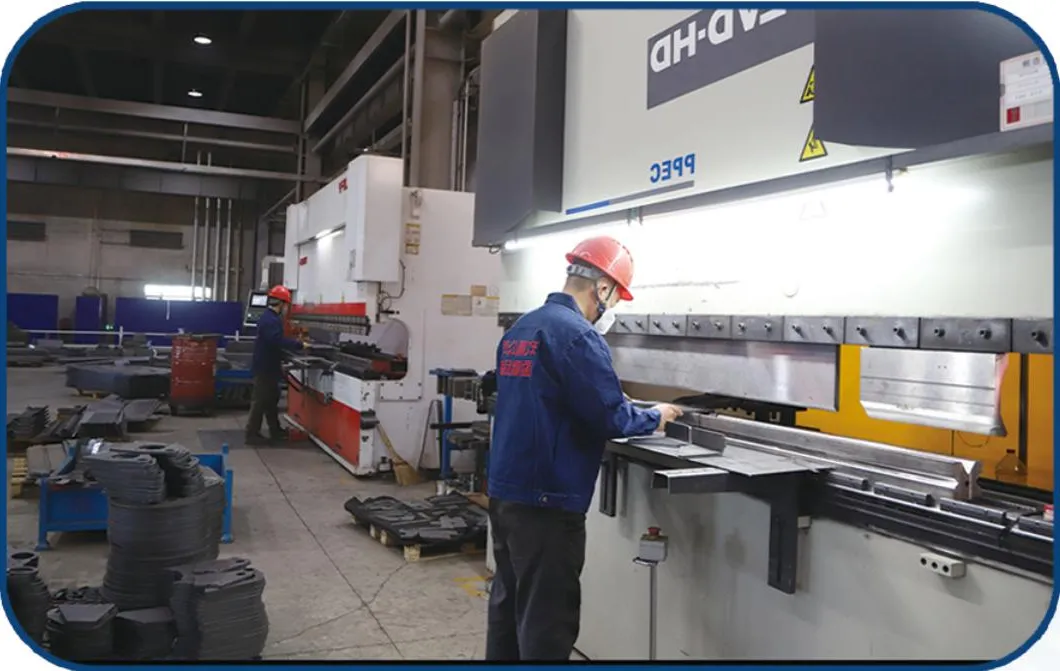
Australia Ever-Power Forage Balers factory engineering and quality

Australia Ever-power Forage Balers — engineering processes designed for long-term serviceability in Australian conditions, with local parts supply to support it

When evaluating a silage baler for sale in Australia, long-term serviceability — how well the machine sustains its performance over multiple seasons with correct maintenance — is as important as its out-of-the-box specification. Ever-power machines are designed with this consideration embedded at the engineering level: corrosion-resistant surface treatments on key metal components, sealed bearing housings at high-contamination positions, and a frame paint system selected for agricultural acid resistance rather than standard industrial specifications. These choices don’t eliminate the need for end-of-season storage care, but they do mean that the machine responds to correct storage procedures with longer effective service life between component replacements compared to machines designed without the silage environment in mind.

🛡️

Acid-Resistant Coatings

Frame and chamber paint formulated for agricultural acid resistance — resists the silage residue corrosion that degrades standard industrial paint over multiple seasons.

🔩

Sealed Bearing Positions

High-contact 2RS sealed bearings at the highest contamination-risk positions — enters storage with better seal protection than open or lightly-shielded alternatives.

🔧

Accessible Maintenance Design

Storage preparation tasks — greasing, belt tension relief, knotter cleaning — designed to be completed efficiently without specialist tools or dealer attendance.

📦

Local Parts Availability

Parts stocked in Australia — winter is the right time to order; off-season lead times are shorter than in-season emergency supply.

Planning Next Season’s Preparation?

Order Parts Now — Before the Season Rush

Charlton Industrial Area, Australia — belts, bearings, knotter parts, and shear bolts available for all Ever-power models. Off-season orders ship faster.

Contact Our Team →


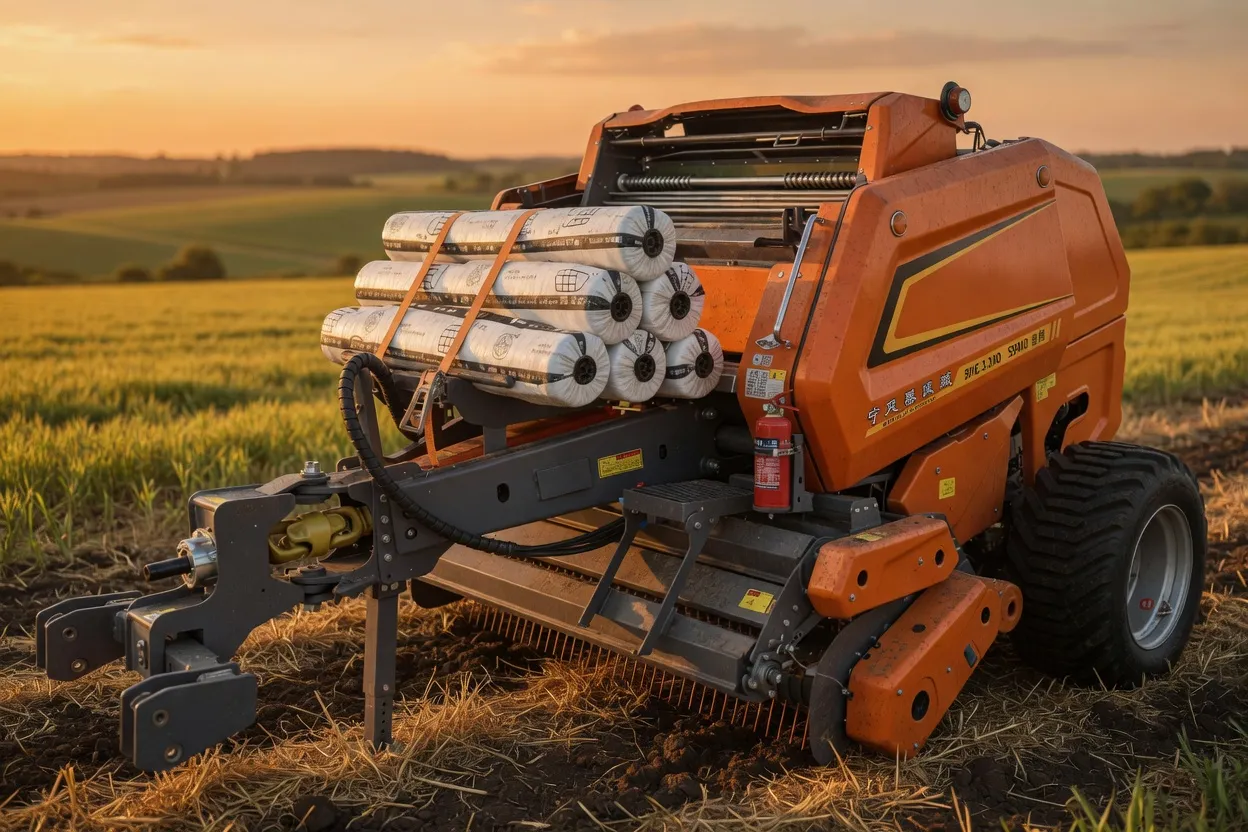
9YG-2.24D S9000 Classic round baler built for long-term Australian service

Recommended Product

9YG-2.24D Round Baler — S9000 Classic

For operators who invest in proper seasonal maintenance and want a machine that rewards that investment with sustained reliability, the S9000 Classic is an excellent foundation. Its maintenance access design — all primary lubrication points reachable without guard removal, single-access knotter panel, belt tensioner that releases with a single spanner — makes the end-of-season storage procedure efficient enough that it actually happens rather than being deferred.

The S9000 Classic’s corrosion-resistant surface treatments at knotter, chamber roller, and frame positions extend the protective window available during the off-season, particularly for machines that must be stored in conditions that are less than ideal. For Australian commercial operations running multiple silage cuts and needing a machine that reaches each new season in predictable condition, the S9000 Classic consistently delivers that outcome when paired with the storage procedure outlined in this guide.

View S9000 Classic Details →

よくある質問

Common Questions About Silage Baler Winter Storage

1. How long does proper silage baler end-of-season storage preparation take?+
A thorough end-of-season storage procedure — full pressure wash, complete greasing to purge, corrosion protection, belt tension relief, hydraulic system check, mechanical inspection, and documentation — realistically takes three to four hours for one person working systematically through the machine with all required materials on hand. This time increases if significant cleaning is required first or if replacement parts fitting is included. Allowing a full half-day ensures nothing is rushed. The three to four hours invested at the end of the season consistently reduces pre-season preparation time the following year, because the machine arrives at pre-season inspection in better condition with fewer issues to address before the first cut.
2. Should I change the gearbox oil at the end of the season?+
The timing of gearbox oil changes depends on the manufacturer’s specified interval for your model, typically expressed in operating hours. If the machine has reached or exceeded the change interval during the season, changing the oil at the end of the season — while the gearbox is warm from operation and the old oil drains cleanly — is better practice than carrying degraded oil through the storage period. Silage baler gearbox oil is subject to the same moisture contamination risk as other components; check for milky or discoloured oil, which indicates water ingress that requires an oil change regardless of operating hours. Fresh oil over the storage period protects internal surfaces from the corrosion that contaminated oil can cause during the off-season.
3. Do silage baler belts need special treatment before winter storage?+
Yes — belt treatment before winter storage involves two actions: tension relief (covered in Step 4) and a light application of a rubber protectant or conditioner to the belt surfaces after cleaning. The protectant replaces plasticisers that leach out of rubber during the season under heat and load, keeping the belt compound pliable through the storage period and slowing the ozone cracking that affects rubber stored under UV and atmospheric exposure. Do not apply protectant products that contain petroleum distillates directly to the belt drive surface — these reduce friction coefficient and will cause belt slip at startup next season. Apply protectant to the belt backing and edges, not to the friction face that contacts the rollers.
4. My baler has to be stored outside. What is the minimum protection needed?+
For outdoor storage, complete the full cleaning, greasing, and corrosion protection procedure first — these steps are more critical outdoors than under cover because the machine will face direct weather exposure. Then: use a breathable agricultural machinery cover rather than a non-breathable tarpaulin; retract all hydraulic cylinders fully; close the tailgate; position the machine so the pickup head angle allows water to drain rather than pool; and place on concrete or gravel rather than directly on soil if possible. Conduct a mid-season storage check — typically at the four-month mark — to inspect the cover for damage and to check that any areas of bare metal haven’t developed significant rust that needs to be treated before it progresses further.
5. What should I order during winter to be ready for next season?+
Use the end-of-season inspection findings as the ordering guide. As a minimum baseline for any silage baler entering storage: a full set of OEM-grade shear bolts (replace the current set pre-season), a knotter knife (replace as pre-season standard), and any component identified during the storage inspection as approaching or at wear limit. If the belt set shows glazing, cracking, or cord exposure, order the replacement set during winter — silage-rated belts are a common pre-season item with potential supply lag. For pickup tines, bearings, and drive chains, use the condition noted in the storage inspection to determine whether ordering is needed or whether the existing components will comfortably last another season. Order off-season rather than at the last moment — supply availability and lead times are consistently better outside the peak spring silage preparation period.

Australia Ever-power Forage Balers

オーストラリア エバーパワー フォレージベーラーズ株式会社

📍 Charlton Industrial Area, Australia

✉️ [email protected]