
Surplus Bagasse: From Sugar Mill Boiler By-Product to Global Biomass, Paper, and Substrate Markets
How mills in Brazil, India, Thailand, and Guangxi are finding commercial buyers for surplus bagasse — drying logistics, bale moisture specs, and the three industries competing for the same material.
Bagasse: The By-Product That Powers Sugar Mills — and Increasingly, Much Else
Sugarcane bagasse is the fibrous residue remaining after the cane stalk has been crushed to extract juice for sugar or ethanol production. At 48 to 52% moisture immediately after extraction, fresh bagasse retains approximately 50% of the original stalk’s calorific energy — energy that sugar mills have captured for their own process power since the earliest days of industrial sugar manufacturing. A modern mill burning its own bagasse in high-pressure steam boilers can generate 250 to 280 kWh of electricity per tonne of cane processed — sufficient to power the mill and export 80 to 150 kWh to the national grid per tonne.
The introduction of high-efficiency 90-bar boilers at modern Brazilian, Indian, and Thai mills has created surplus bagasse at some operations — 10 to 20% of production without an on-site combustion outlet. This surplus must either be stored for the inter-harvest period or sold to external buyers. External demand has grown significantly since 2015 across three industries: biomass power, paper and fibre board manufacturing, and mushroom cultivation substrate. Baling converts a bulky, wet, loose material into a transportable, storable product with consistent density and format that makes external sale logistically viable. Our guide on how to prevent silage bale spoilage covers the storage management principles applicable to bagasse bales during the drying and staging phase.

The Drying Challenge: 50% Mill-Exit to Bale-Ready
Why Fresh Bagasse Cannot Be Directly Baled for Commercial Delivery
Bagasse at 48 to 52% moisture is too wet for any of its three external markets. Biomass combustion buyers specify maximum 20 to 25%; paper mills specify 15 to 20%; mushroom substrate buyers specify 12 to 16%. The most cost-effective drying method at mill scale is spreading bagasse on concrete or compacted earth drying pads in layers 20 to 30 cm deep and turning once or twice daily with a front loader. In Brazil’s São Paulo state dry season (April to September), bagasse reaches 18 to 22% moisture within 3 to 5 days. In India’s monsoon season, pad drying to below 20% may take 7 to 14 days or require active drying tunnels.
Bagasse piles above 40% moisture generate heat through microbial and chemical oxidation at a rate that can raise internal temperatures to 55 to 70°C within 3 to 5 days. Above 65°C, slow smouldering combustion begins in the anaerobic pile interior — a documented fire hazard at sugar mills across Brazil, India, and the Philippines. Limit pad pile depth to 30 to 40 cm and turn every 24 to 48 hours without exception.
| Drying Stage | Moisture | Appropriate Action |
|---|---|---|
| Mill exit | 48–52% | Spread on pad — 20–30 cm layers |
| Day 2 | 35–45% | Turn; consolidate thin sections |
| Day 3–4 | 20–30% | Form baling windrows |
| Day 4–6 ✓ | 15–20% | Bale immediately — target achieved |
Three Market Channels and Bale Specifications
Channel 1: Biomass Combustion
Industrial biomass users — district heating plants, food processing operations with biomass boilers, co-generation facilities — are the most accessible external bagasse market. At current Brazilian and Thai prices (USD 18 to 35 per tonne DM), bagasse competes primarily on cost and proximity. Its advantage is volume and logistics simplicity near sugar mills; its disadvantage is moderate ash content (5 to 9% DM) that limits acceptance in low-ash-tolerance combustion systems.
Channel 2: Paper and Pulp Manufacturing
Bagasse pulp is used in paper manufacturing as a non-wood fibre source, producing newsprint, tissue, and packaging paper. Paper mills in China, India, and Thailand specify baled bagasse at 15 to 20% moisture with pith content below 25% (pith produces short, weak paper fibres; the fibrous rind fraction is preferred) and consistent bale weight for automated handling.
Channel 3: Mushroom Cultivation Substrate
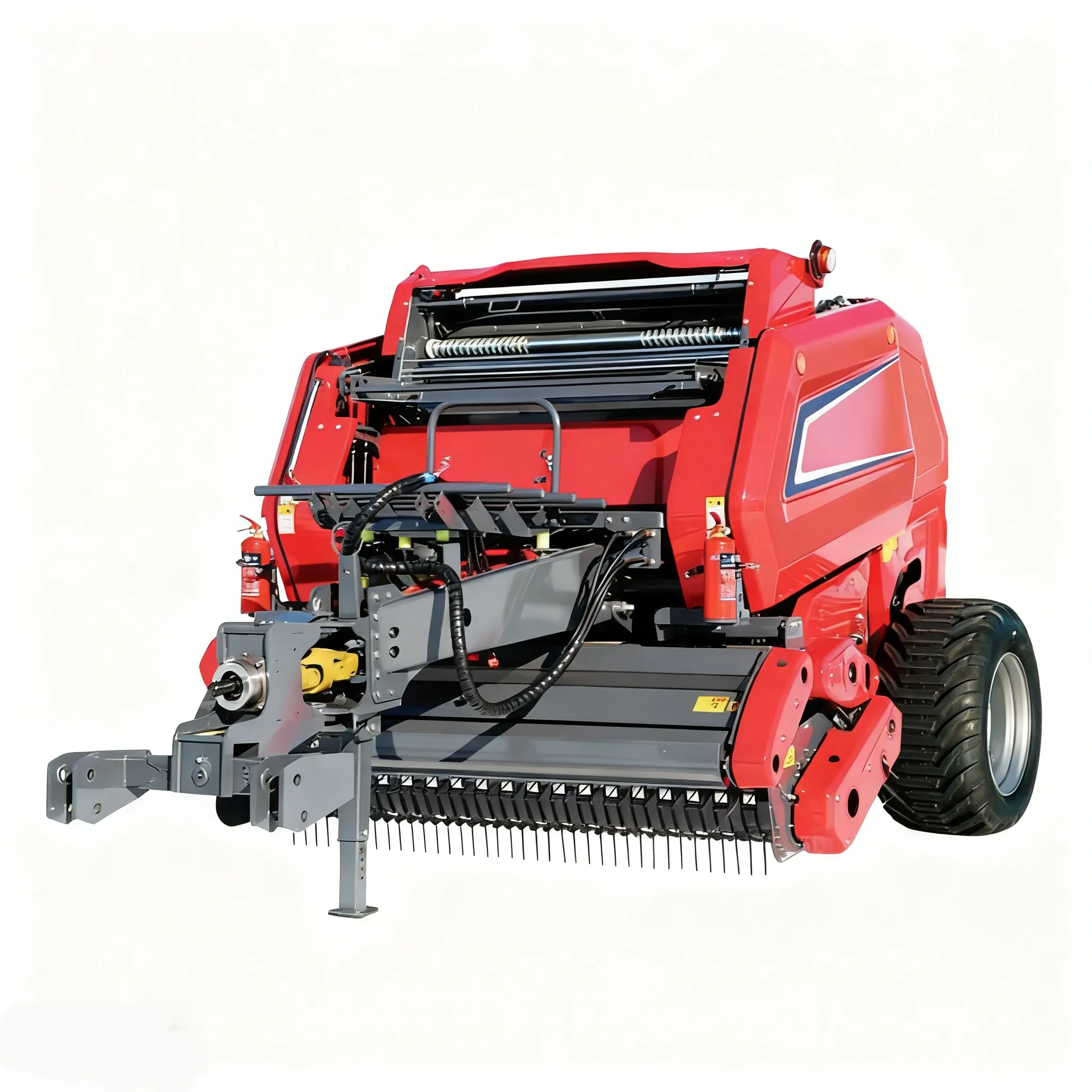
Bagasse at 12 to 16% moisture in round bales is used for oyster mushroom cultivation across Southeast Asia and China’s Guangxi and Guangdong provinces. Substrate buyers specify zero visible mould, consistent weight, soil-free pickup protocol, and delivery within 30 days of baling — the same specification as rice and wheat straw substrate bales. The price premium over biomass (substrate at ¥150 to ¥220 per bale versus ¥60 to ¥100 for biomass) makes substrate the priority channel. The 9YG-1.0 round baler is standard for substrate-spec bagasse bales in Guangxi; the 9YG-1.25A variable-chamber round baler serves larger-volume biomass and paper mill supply.
Regional Profiles and Common Mistakes
| Region | Annual Surplus Volume | Primary External Markets | Key Constraint |
|---|---|---|---|
| Brazil (São Paulo) | 15–40 Mt surplus | Biomass power, bioethanol | Surplus only at modern efficient mills |
| India (Maharashtra, UP) | 10–25 Mt surplus | Paper mills, biomass boilers | Monsoon drying logistics |
| Thailand (Central Plain) | 5–12 Mt surplus | Biomass CHP, substrate | Limited local paper mill demand |
| China (Guangxi) | 3–8 Mt surplus | Substrate, paper, biomass | Rising substrate demand |
Bagasse above 25% moisture in sealed round bales continues self-heating through microbial respiration. Core temperatures above 55°C within 72 hours are common. Resulting degraded material has lower calorific value (biomass rejection), altered fibre structure (paper quality concerns), and mould development (substrate rejection). Dry to below 20% before baling for any external delivery.
Paper mills penalise or reject deliveries with high pith content because pith cells produce short, weak fibres that reduce paper quality. Source bagasse from mature cane harvested at peak fibre development, and avoid mixing bagasse from immature or stressed cane that produces higher pith ratios.
Discuss Your Bagasse Baling Programme
Tell us your mill location, surplus volume, and target market — we’ll specify the right baler for your bagasse supply chain.