
Энергетычная трава Паўночнай Амерыкі — ад радовішча Вялікіх раўнін да варот біяперапрацоўчага завода
Тэрміны збору ўраджаю, зімовая сушка, мэтавыя паказчыкі шчыльнасці цюкоў для пелетных заводаў і заводаў па вытворчасці біяэтанолу, а таксама лагістычная эканоміка вызначаюць, ці будзе прэсаванне проса неэфектыўным для вашай дзейнасці.
Прас прутовидный: чаму ўрад ЗША выдаткаваў 30 гадоў на распрацоўку гэтай культуры
Панікум віргатум — проса прутовидное — гэта шматгадовая трава цёплага сезона C4, якая расце ў высокатравных прэрыях цэнтральнай Паўночнай Амерыкі і гістарычна распаўсюджана ад Саскачэвана да Тэхаса і ад Атлантычнага ўзбярэжжа да перадгор'яў Скалістых гор. Гэта від, у які Міністэрства энергетыкі і Міністэрства сельскай гаспадаркі ЗША ўклалі найбольшыя сродкі як у спецыялізаваную сыравіну для вытворчасці цэлюлозна-этанольнага этанолу, з каардынацыяй праграм селекцыі, агранамічных даследаванняў і пілотных праектаў па развіцці ланцужкоў паставак, якія бесперапынна рэалізуюцца з пачатку 1990-х гадоў. Прычына гэтага агранамічная і эканамічная: проса прутовидное дае ад 8 да 20 тон сухога рэчыва на гектар у год на землях, занадта малаўрадлівых для вытворчасці кукурузы або соі, не патрабуе штогадовай перасадкі пасля ўкаранення, лепш за любую камерцыйную прапашную культуру пераносіць засуху, бедныя глебы і перыядычныя паводкі, і змяшчае ад 60 да 70% вугляводных фракцый (цэлюлозу і геміцэлюлозу), якія можна ператварыць у этанол у працэсе цэлюлознай ферментацыі.
Амерыканская прамысловасць цэлюлознага этанолу развівалася павольней, чым меркавалася ў прагнозах на 2007 год, але спецыялізаваная вытворчасць энергіі з біямасы, сумеснае спальванне з вуглём і вытворчасць пелет для экспарту на еўрапейскія рынкі біямасы паглынулі інфраструктуру ланцужка паставак проса, якая была пабудавана для этанолу. У Канзасе, Аклахоме, Небрасцы і Дакоце — асноўных рэгіёнах камерцыйнага вырошчвання проса — усталяваныя адносіны паставак паміж фермерамі, якія вырошчваюць проса на маргінальных землях Праграмы аховы прыродных рэзерваў (CRP), і рэгіянальнымі пакупнікамі біямасы (пелетнымі заводамі, камунальнымі службамі сумеснага спальвання, цэнтралізаванымі цеплаабменнікамі) цяпер падтрымліваюць дзясяткі тысяч гектараў камерцыйнай вытворчасці. Разуменне таго, як эфектыўна цюкаваць проса, і як спецыфікацыі якасці цюкоў непасрэдна звязаны з ланцужком стварэння каштоўнасці энергіі, з'яўляецца адпраўной кропкай для любой аперацыі, якая ўлічвае культуру. Агляд таго, чым адрозніваюцца спецыфікацыі прэс-падборшчыкаў для круглых падборшчыкаў у залежнасці ад прымянення біямасы і сіласу, глядзіце ў нашым кіраўніцтве па прэс-падборшчык з фіксаванай і зменнай камерай для сіласу ахоплівае меркаванні па праектаванні камер, якія тычацца прэсавання біямасы высокай шчыльнасці.
Аграномія проса і выбар часу для збору ўраджаю
Чаму проса збіраюць зімой, а не летам
Як і міскантус, проса проса восенню падвяргаецца натуральнай рэтранслакацыі пажыўных рэчываў — азот, фосфар і калій перамяшчаюцца з надземнай біямасы назад у каранёвую сістэму, калі тэмпература апускаецца ніжэй за 10°C у кастрычніку і лістападзе. Гэты працэс мае вырашальнае значэнне для ўстойлівасці насаджэнняў і стабільнасці ўраджайнасці на працягу 10-15 гадоў прадуктыўнага жыцця сфарміраванага насаджэння. Збор ураджаю да завяршэння гэтай рэтранслакацыі — скошванне зялёнага або часткова старога насаджэння ў верасні або кастрычніку — пазбаўляе насаджэнне пажыўных рэчываў, неабходных для развіцця каранёў у наступным годзе, паступова зніжаючы ўраджайнасць на працягу наступных сезонаў і павялічваючы патрэбу ў ўгнаеннях.
З агранамічнага пункту гледжання, найбольш правільны час для вырошчвання проса проса — пасля замаразкаў і старэння, які збіраецца ў перыяд са студзеня па пачатак сакавіка. Да гэтага часу ўраджай скідае большую частку лісця (біямаса лісця зніжаецца да 30–401 т сухога рэчыва ў параўнанні з 55–651 т сухога рэчыва ў летнім насаджэнні), вільготнасць зніжаецца з 65 да 751 т сухога рэчыва ў піку росту да 12–201 т сухога рэчыва за кошт натуральнага высыхання ў полі, а ўтрыманне азоту зніжаецца з 1,2 да 1,81 т сухога рэчыва летам да 0,4–0,81 т сухога рэчыва ў зімовай уборцы. Ніжэйшае ўтрыманне азоту азначае зніжэнне выкідаў NOₓ пры згаранні, што з'яўляецца перавагай у якасці для пакупнікоў электрастанцый, якія працуюць у адпаведнасці з умовамі дазволу на якасць паветра.
| Час збору ўраджаю | Вільготнасць | N-змест (DM) | Эш (DM) | Лепшае прыкладанне |
|---|---|---|---|---|
| Лета (ліпень–жнівень) | 65–75% | 1,2–1,8% | 5–8% | Не падыходзіць для біямасы |
| Паслямаразовы перыяд (лістапад–снежань) | 25–40% | 0,8–1,2% | 4–6% | Маргінальны — усё яшчэ занадта вільготны/высокі N |
| Зіма (студзень–люты) ✓ | 15–22% | 0,4–0,8% | 3–5% | Аптымальна — нізкі ўзровень азоту, нізкая вільготнасць |
| Позняя зіма (сакавік) | 10–16% | 0,3–0,6% | 2–4% | Добра, некаторыя страты ўраджаю з-за абсыпання |
Кіраванне ўраджайнасцю і насаджэннямі
Ураджайнасць проса пруткавага значна адрозніваецца ў залежнасці ад экатыпу, якасці глебы, колькасці ападкаў і ўзросту насаджэнняў. Узвышшныя экатыпы (Блэквел, Канлоу, Кейв-ін-Рок), прыдатныя для больш сухіх умоў Вялікіх раўнін, даюць ад 6 да 12 тон сухога рэчыва з гектара; нізінныя экатыпы (Аламо), лепш падыходзяць для паўднёва-ўсходняй часткі ЗША і больш вільготных глеб, даюць ад 12 да 20 тон сухога рэчыва з гектара ў прадуктыўныя гады. Насаджэнні дасягаюць поўнага патэнцыялу ўраджайнасці на 3-4 год і застаюцца прадуктыўнымі на працягу 10-15 гадоў пры правільным пасляўборачным кіраванні. Асноўныя правілы: ніколі не збірайце ўраджай ніжэй за 15 см на вышыні іржышча (абараняе мерыстэмы для адрастання ў наступным годзе), штогод уносіце ад 50 да 80 кг азоту на гектар, каб кампенсаваць адносна невялікія, але пастаянныя страты экспарту сабранай біямасы, і пазбягайце вясновых выпальванняў пасля 3-га года — яны больш не агранамічна неабходныя і выдаляюць біямасу, якая ў адваротным выпадку спрыяла б ураджаю.
Прэсаванне проса: абсталяванне, шчыльнасць і спецыфікацыі пакупніка біямасы
Сувязь паміж шчыльнасцю і эканомікай транспарту
Эканамічныя аспекты паставак проса пакупнікам біямасы ў асноўным залежаць ад кошту транспарціроўкі — кошту перамяшчэння грувасткай сельскагаспадарчай біямасы з нізкай шчыльнасцю энергіі з поля на перапрацоўчы аб'ект за тону-кіламетр. Тыповы радыус здабычы энергіі з біямасы на Вялікіх раўнінах ЗША складае ад 50 да 120 км; грануляцыйныя заводы, якія атрымліваюць энергію з больш шырокага геаграфічнага раёна, могуць пастаўляць яе з адлегласці да 200 км. На гэтых адлегласцях шчыльнасць цюкоў непасрэдна кантралюе колькасць грузаў, неабходных для дастаўкі пэўнай колькасці біямасы, і, такім чынам, кошт транспарціроўкі на адзін ГДж пастаўленай энергіі.
Мэтавая шчыльнасць цюкоў проса проса, які пастаўляецца на пелетныя заводы і электрастанцыі на біямасе, складае ад 160 да 200 кг сухога рэчыва/м³. Круглы цюк даўжынёй 1,25 м з шчыльнасцю 180 кг сухога рэчыва/м³ і вільготнасцю 15% важыць прыблізна ад 260 да 310 кг. Стандартны амерыканскі паўпрычэп з плоскай платформай (53 футы, 45 000 фунтаў брута) перавозіць ад 38 да 44 цюкоў гэтай спецыфікацыі, што дазваляе перавозіць ад 10 да 14 тон сухога рэчыва на адну загрузку. Больш высокая шчыльнасць цюкоў павялічвае колькасць тон на адну загрузку і памяншае неабходную колькасць даставак за сезон, што непасрэдна зніжае выдаткі на транспарціроўку на тону.
Канфігурацыя абсталявання
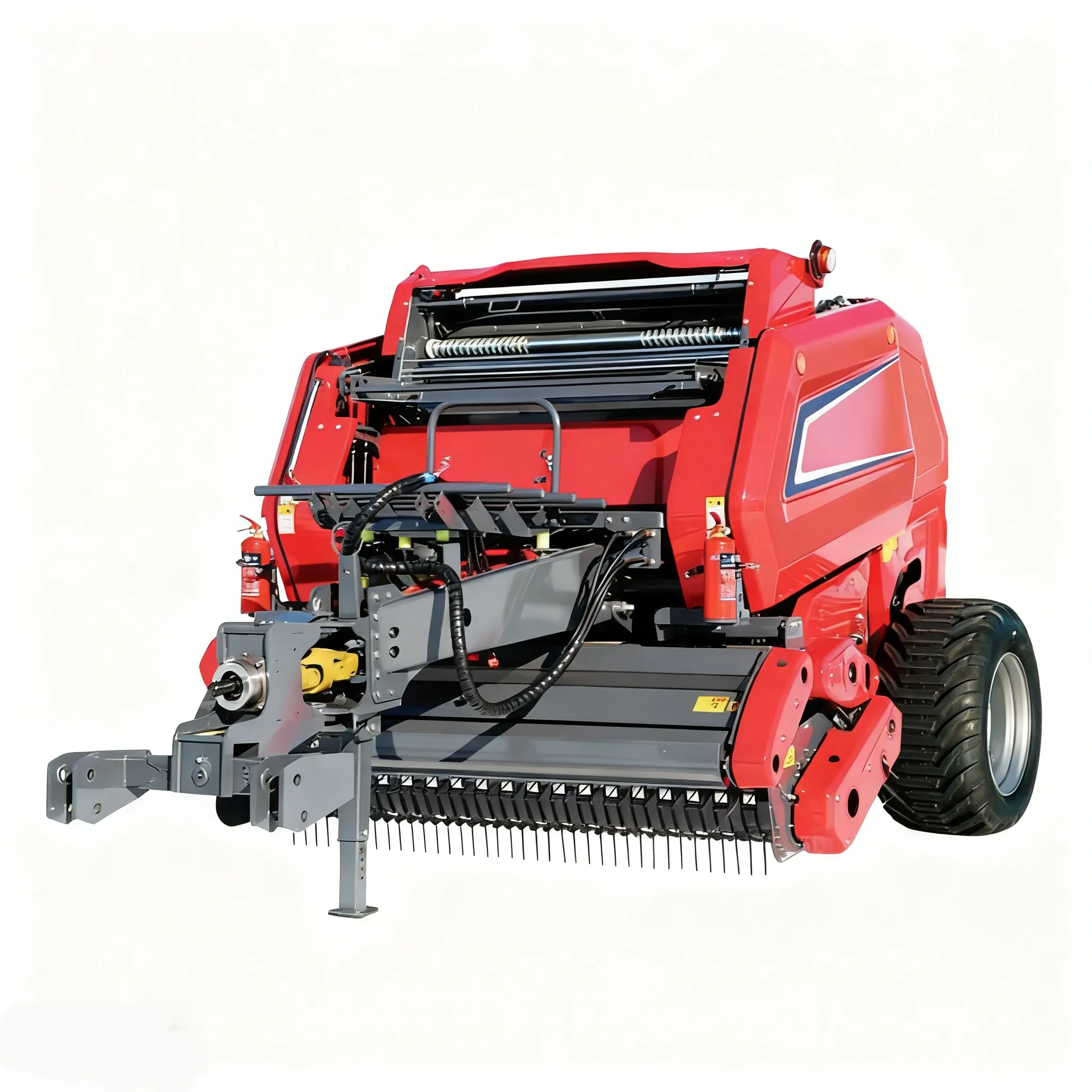
Зімой сабраны проса проса пры вільготнасці ад 15 да 201 TP3T — гэта лёгкі, жорсткі, умерана абразіўны матэрыял. Сухія сцеблы (дыяметрам ад 6 да 8 мм, вышынёй ад 1,2 да 1,8 м) грубейшыя за сена, але значна лягчэйшыя і менш абразіўныя, чым кукурузная сцябліна. Асноўныя моманты канфігурацыі прэса: максімальны ціск у камеры для шчыльнасці, хуткасць руху ад 6 да 9 км/г у стандартных валках проса проса, вышыня зубцоў падборшчыка ад 5 да 7 см (пласт сухога лісця, які назапашваецца пад зімой сабраным просам проса, не павінен уключацца ў рулон, бо гэта павялічвае ўтрыманне попелу) і неабходнасць абмотвання сеткай паверх шпагата. Рулонны прэс-падборшчык са зменнай камерай 9YG-1.25A эфектыўна спраўляецца з зімовым просам пры мэтавай шчыльнасці, указанай пакупнікамі біямасы.
Спецыфікацыі ланцужка паставак і пакупніка
Што пакупнікі біямасы ў ЗША выбіраюць для проса
| Спецыфікацыя | Грануляцыйны млын | Электрастанцыя Co-Fire | Наступствы промаху |
|---|---|---|---|
| Вільготнасць | <18% | <20% | Зніжэнне якасці пелет / эфектыўнасці катла |
| Змест попелу | <6% | <7% | Забруджванне рашоткі, страта эфектыўнасці |
| Змест азоту (DM) | <0.9% | <1.2% | Перавышэнне выкідаў NOₓ — выдача дазволу |
| Дапушчальная вага цюка | ±8% | ±12% | Парушэнні канвеера / неэфектыўнасць загрузкі |
| Замежны матэрыял | <1% | <2% | Даплата за забруджванне або адмова |
Інтэграцыя зямлі і плацяжоў CRP
Значная доля вытворчасці проса пруткавага ў ЗША прыпадае на землі, зарэгістраваныя ў Праграме аховы прыродных рэзерватаў (CRP), — маргінальныя ворныя землі, якія знаходзяцца пад кантрактам Міністэрства сельскай гаспадаркі ЗША для выкарыстання ў мэтах аховы прыроды. Кантракты CRP традыцыйна забаранялі збор біямасы, але змененыя палажэнні CRP (практычныя кодэксы SAFE, CP4B, CP25) цяпер дазваляюць збор біямасы з устаноўленых травяных насаджэнняў пры ўмове: збор ураджаю адбываецца пасля 15 ліпеня (абарона асяроддзя пражывання птушак, якія гняздуюцца на зямлі), мінімум 10% зарэгістраванай плошчы застаецца неўбранай у якасці запаведніка для дзікай прыроды, а вышыня іржышча падтрымліваецца на ўзроўні не менш за 10 см. Вытворцы на землях CRP з палажэннямі аб зборы біямасы атрымліваюць як штогадовую выплату CRP, так і даход ад продажу біямасы — двайны паток даходу, які значна паляпшае эканоміку вытворчасці проса пруткавага на зарэгістраваных землях.
Праблемы і распаўсюджаныя памылкі
Скошванне проса проса ў верасні ці кастрычніку — да завяршэння рэтранслакацыі пажыўных рэчываў — выносіць ад 40 да 60 кг азоту на гектар у сабранай біямасе, якая павінна была вярнуцца да каранёў. У гаспадарках, якія пастаянна збіраюць ураджай да старэння, было зафіксавана зніжэнне ўраджайнасці насаджэнняў на 15–251 TP3T у год. Ураджай пасля замаразкаў — гэта не проста перавага якасці, гэта агранамічная патрэба ў захаванні насаджэнняў.
У зімовых насаджэннях проса назапашваецца пласт падсцілкі з апалага лісця ля асновы. Зубцы падборшчыка, устаноўленыя ніжэй за 5 см, уплятаюць гэты матэрыял у рулон, павялічваючы ўтрыманне попелу з 3 да 51 TP3T (біямаса сцябла) да 6 да 101 TP3T (рулон, забруджаны падсцілкай). Грануляцыйныя заводы адбракоўваюць або ўжываюць штрафы за якасць рулонаў з утрыманнем попелу вышэй за 61 TP3T. Усталюйце вышыню зубцоў на 6-8 см і прымайце крыху меншую вагу рулона, а не забруджванне падсцілкай.
У сакавіку і красавіку на Вялікіх раўнінах могуць назірацца цыклы замярзання і адтавання, калі паверхня валка выглядае сухой, але ўтрымлівае вільгаць, затрымленую ў выніку начной рэгідратацыі. Прэсаванне пры бачнай вільготнасці 15%, калі сапраўдная сярэдняя вільготнасць складае ад 22 да 25%, прыводзіць да награвання цюкоў і адбракоўкі ўсёй загрузкі ў пункце вымярэння вільготнасці пакупніком біямасы. Заўсёды вымярайце ў некалькіх пунктах валка і праверце аснову валка перад прэсаваннем у зменлівых вясновых умовах.
Вырошчванне проса проса — закупка насення, падрыхтоўка пасяўнога ложа, барацьба з пустазеллем у год вырошчвання — каштуе ад 300 да 600 долараў ЗША на гектар. Насаджэнне дае мінімальную ўраджайную біямасу ў 1-ы год і ад 40 да 701 TP3T пікавага ўраджаю ў 2-і год. Прадпрыемствы, якія плануюць кантракты на пастаўку біямасы, якія патрабуюць поўнага ўраджаю з 1-га года, сутыкнуцца з дэфіцытам паставак. Плануйце этап вырошчвання працягласцю 2-3 гады, перш чым пачнецца паўнавартасная камерцыйная вытворчасць.
Часта задаваныя пытанні
Абмяркуйце сваю працу па вытворчасці біямасы проса
Паведаміце нам плошчу вашага стэнда, патрабаванні пакупніка біямасы і даступнае абсталяванне — мы дапаможам вызначыць правільную канфігурацыю прэса для вашага ланцужка паставак проса.