One Plant, Four Industries — the Baling Decisions That Determine Which Market You Reach
How cutting height, moisture at baling, and bale format determine whether your hemp ends up as textile fibre, paper pulp, construction material, or animal bedding — and what each buyer pays.
Industrial Hemp: A Crop Where Every Baling Decision Affects Your Market
Industrial hemp (Cannabis sativa L., varieties with THC below 0.3% in the USA or 0.2% in the EU) is one of the most versatile plant crops commercially grown. A single hemp plant contains two structurally distinct fibre fractions — the long bast fibres in the outer stem (used for textiles, rope, and composite materials) and the woody inner core called hurd or shiv (used for construction insulation in hempcrete, animal bedding, and paper pulp) — plus a seed fraction with nutritional and oil value, and leaf and flower material used in nutraceuticals. This multi-fraction value structure means that the commercial value of a tonne of hemp varies by a factor of 10 to 50 depending on which fraction is harvested, how it is processed, and what market it reaches.
For baling operations, the critical insight is that the harvesting and baling decisions made in the field directly determine which processing pathway — and therefore which price point — the crop can access. Hemp baled as a green, high-moisture whole-stem silage bale is suitable for biogas or cattle roughage but not for textile fibre or construction hurd. Hemp baled dry as a whole-stem bundle with preserved fibre alignment is suitable for textile processing. Hemp stalks shredded and baled as dry biomass at low moisture are suitable for biomass combustion or pulping. Understanding what each pathway requires — before harvest decisions are made — is the essential starting point for any hemp baling operation.
This guide covers the four commercial baling pathways for industrial hemp: textile fibre supply, construction hurd (hempcrete), animal bedding, and biomass energy. Each requires different harvest timing, different moisture management, and different bale format. Our article on baler wrapper combination vs separate machines covers equipment configuration decisions relevant to the silage pathway for hemp biomass.

Understanding Hemp Stem Structure and Value Fractions
Bast Fibre and Hurd: Two Products in One Stem
The hemp stem consists of a thin outer layer of long bast fibres (approximately 20 to 30% of stem dry weight) surrounding a woody inner core of hurd (70 to 80% of stem dry weight). These two fractions are physically bonded together in the growing plant and must be mechanically separated — a process called decortication — in a hemp processing facility. The quality of both fractions at the time of mill delivery depends directly on how the stems were harvested, dried, and baled in the field.
| Рынок | Primary Fraction | Key Spec for Baling | Price Range (EUR/t DM) | Processing Step |
|---|---|---|---|---|
| Textile / linen | Bast fibre (outer) | Dry whole stem, fibre aligned | 200–800 | Decortication + retting |
| Hempcrete / insulation | Hurd (inner core) | Dry shredded stalk <15% moisture | 80–180 | Decortication + shredding |
| Animal bedding | Hurd (shredded) | Dry, dust-low, <14% moisture | 120–250 | Shredding + dust extraction |
| Biomass energy | Whole stem or hurd | Dry, <18% moisture | 40–80 | Direct combustion or pelletising |
| Paper pulp | Whole stem | Dry baled, consistent fibre length | 60–120 | Chemical or mechanical pulping |
Why Moisture Management Is Non-Negotiable
Hemp stems at harvest carry 60 to 78% moisture. None of the commercial baling pathways above accepts hemp at this moisture level — the textile and construction industries require below 14% moisture for decortication quality, and biomass buyers specify 15 to 18% maximum. The moisture reduction from 70% at cutting to the required range of 12 to 16% is achieved through field retting — a process where the cut hemp is left on the ground for 4 to 8 weeks, allowing dew and rainfall to partially decompose the pectin that bonds bast fibres to the inner hurd, simultaneously drying the stems to the target moisture range. This combined biological and drying process is called field retting and is the standard pre-processing step in European hemp production for the textile and construction markets.
The Four Baling Pathways in Detail
Pathway 1: Textile Fibre Supply (Highest Value)
Hemp for textile bast fibre supply is cut at full stem maturity (when 50 to 70% of the male plants have shed pollen and seed fill has begun on female plants), laid in swathes for 4 to 8 weeks of field retting, then baled when stem moisture has reached 12 to 16%. The field retting period partially separates bast fibres from the hurd through microbial pectin degradation, making subsequent decortication more efficient. Bale format for textile supply is critical: the bales must preserve stem alignment (no random orientation of stems in the bale) and avoid crushing or breaking long fibre bundles that reduce the average staple length presented to the decortication machine. In France and Belgium — the primary European hemp textile production regions — large rectangular bales are preferred over round bales for textile supply because rectangular bales maintain more consistent fibre alignment. Round bales are accepted by some processors for lower-specification textile feedstock.
Pathway 2: Hempcrete and Construction Hurd
Construction hurd supply requires shredded hemp stalk at 30 to 60 mm particle length, moisture below 14%, and very low dust content (dust causes respiratory problems for construction workers mixing hempcrete). Round bales of whole retted stems are acceptable as an intermediate format for delivery to a decortication facility that shreds the hurd fraction separately — the round bale simply needs to be dry, clean, and free of foreign material. Direct delivery of round-baled stems to hempcrete manufacturers rather than through a decortication intermediary is possible only where the manufacturer has their own decortication capacity.
Pathway 3: Animal Bedding
Hemp hurd animal bedding is a growing premium market, particularly for horse bedding in the UK, Netherlands, and Germany where it commands €280 to €450 per tonne bagged retail — 2 to 3 times the price of premium wheat straw bedding. Hemp hurd’s very high absorbency (4 to 5 times its own weight in water), low dust content, and natural resistance to bacterial growth (from hemp’s residual cannabinoid compounds) make it genuinely superior to straw for stabled horses. Round-baled whole hemp stems are an acceptable delivery format to hemp bedding processors who decorticate and separate the hurd fraction on-site.
Pathway 4: Biomass Energy (Lowest Value, Simplest Logistics)
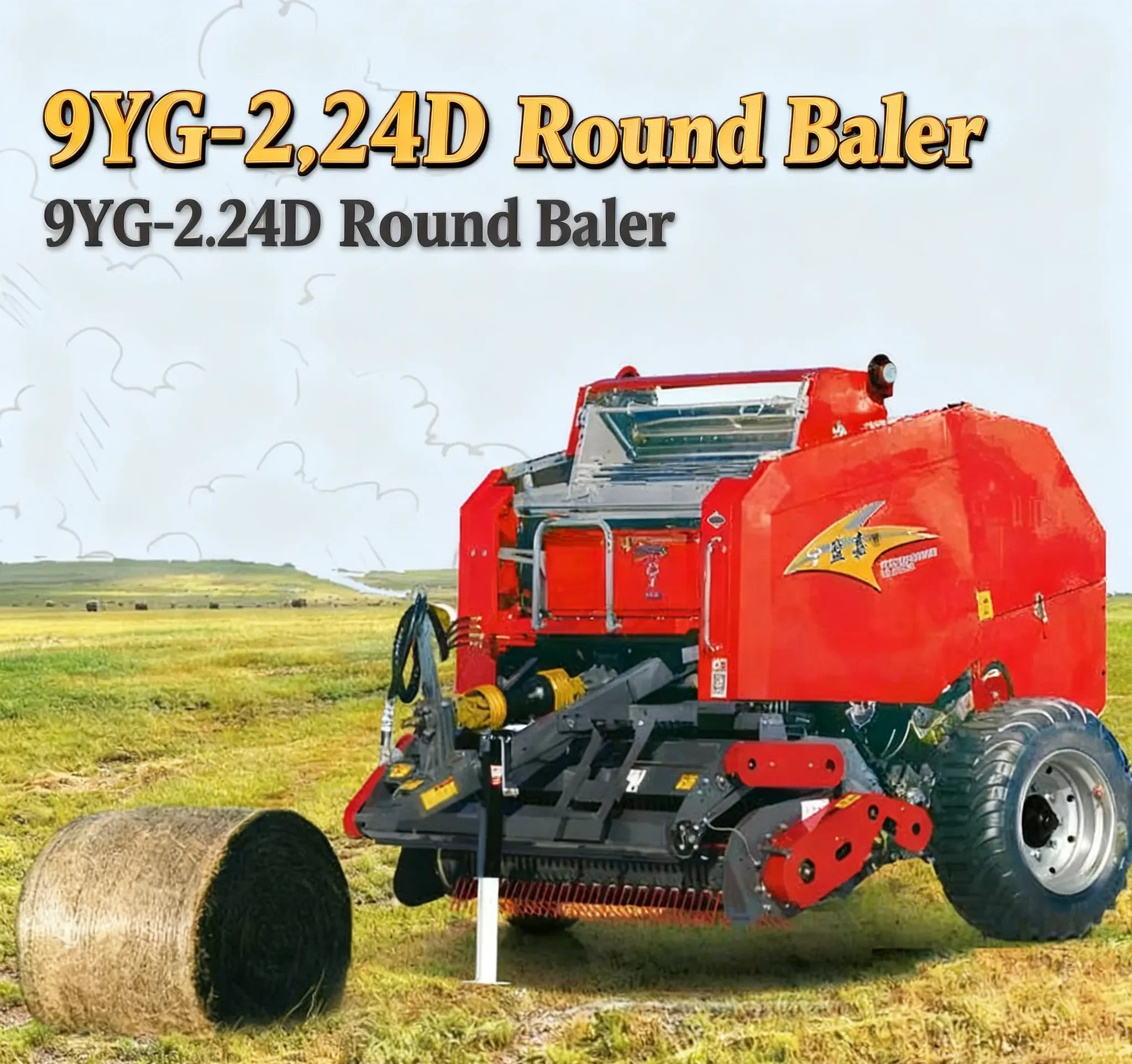
Hemp biomass for combustion or pelletising is the simplest pathway — dry whole stems or shredded stalks at below 18% moisture, baled in any consistent round bale format. This pathway requires no field retting (hemp can be baled directly after natural field drying to 15 to 18% moisture in 2 to 4 weeks post-cutting in continental European conditions), and bale specification is less demanding than for fibre or construction markets. The Пресс-подборщик круглых тюков 9YG-1.25A с регулируемой камерой прессования handles dry hemp stems at 14 to 18% moisture in standard round bale format for biomass delivery without modification.
Regulations, Compliance, and Market Access
THC Compliance: The Non-Negotiable Prerequisite
Industrial hemp cultivation requires government licensing in every jurisdiction where it is legal — the EU, UK, USA (under the 2018 Farm Bill), Canada, China, and Australia all require crop variety registration, grower licensing, and in most cases field testing for THC content before or at harvest. Hemp varieties with THC above the legal threshold (0.3% in the USA, 0.2% in the EU) must be destroyed — no commercial sale is permitted regardless of the fibre or energy value of the crop. Operations planning commercial hemp baling must confirm compliance status before investing in any harvest or baling infrastructure.
Which Markets Require Which Certifications
EU textile hemp buyers require the crop to be grown from EU-certified low-THC varieties listed in the EU Common Catalogue of Varieties of Agricultural Plant Species. US hemp buyers under the USDA Hemp Production Programme require state or tribal plan compliance and pre-harvest testing. Chinese industrial hemp (工业大麻) grown in Yunnan province requires provincial agricultural bureau licensing and is subject to the same 0.3% THC threshold. Australian hemp fibre production is regulated at state level — Hemp Australia and various state industry bodies can advise on current licensing requirements in each state.
Часто задаваемые вопросы
Discuss Your Industrial Hemp Baling Setup
Tell us your target market (textile, construction, bedding, or biomass), crop area, and retting plan — we’ll specify the right baler format for your hemp value chain.