
Why Storage Is the Final Step That Determines Feed Quality
What Happens to a Bale Between Wrapping and Feed-Out
Every management decision between the enfardadeira de silagem and the feed trough has the potential to either protect or erode the silage quality that was established during baling and wrapping. The wrapped bale is not a static product that simply waits to be fed — it is a biologically active preservation unit in which fermentation continues to completion, film integrity is continuously tested by UV, temperature cycling, and physical stress, and any oxygen infiltration point initiates spoilage that expands progressively from the breach. Correct storage management is the discipline that ensures the feed value created during baling and wrapping actually reaches the livestock.
The storage period for Australian silage bales typically ranges from six weeks (minimum time for fermentation completion before feeding) to 18 months for drought reserve stocks. Across this period, the storage environment subjects the bale to UV radiation, temperature extremes, bird and vermin pressure, mechanical contact from adjacent bales, and the slow degradation of the film that is the sole barrier between the fermented silage and the outside atmosphere. Each of these stresses is manageable — but managing them requires deliberate decisions about site selection, stacking configuration, and ongoing monitoring that many operators don’t fully appreciate until they open a deteriorated bale and calculate the lost feed value.
This guide covers each storage management dimension in the sequence that decisions must be made: site selection before bales arrive, stacking method when they arrive, and ongoing monitoring and film care throughout the storage period. For information about the full range of Ever-power silage balers that produce the bales this guide protects, visit the product pages.
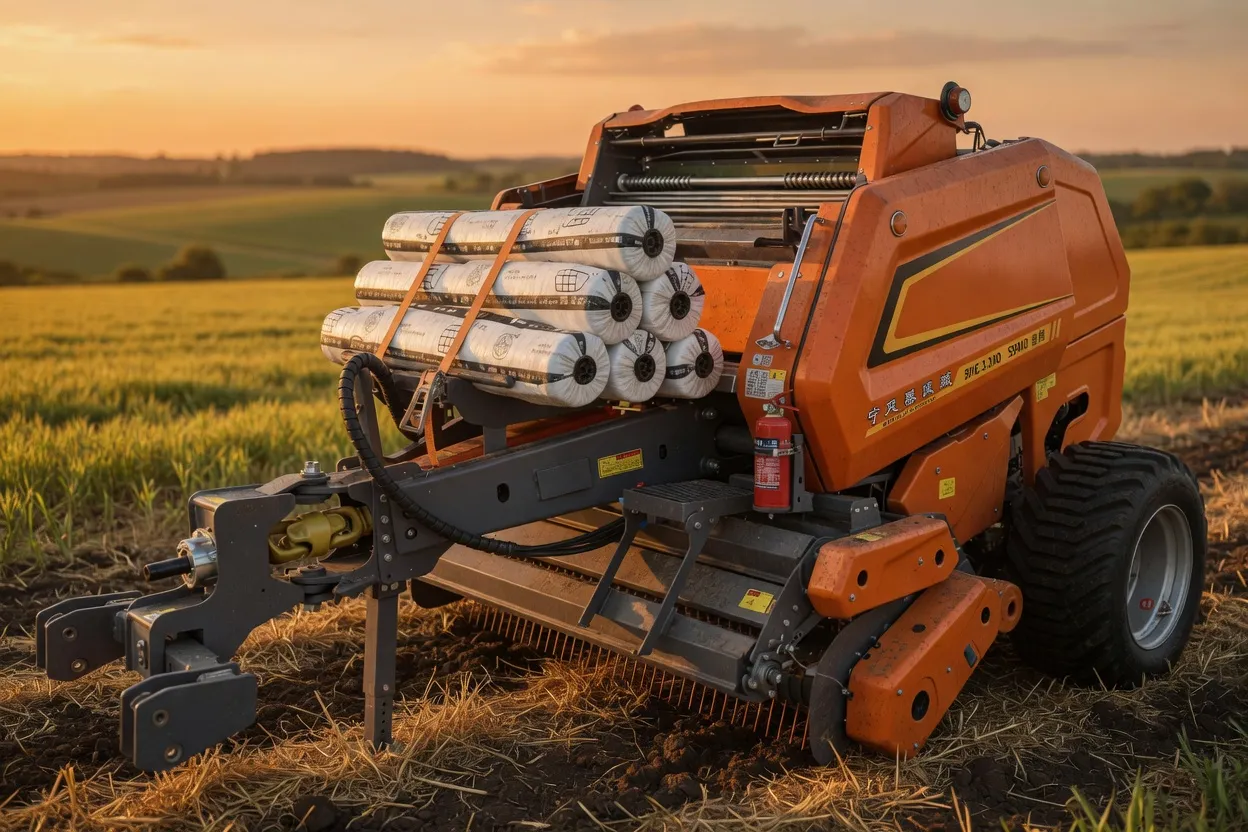
Site Selection: The Foundation of Good Bale Storage
Choosing the Right Location Before the First Bale Arrives
Site selection is the most consequential storage decision and the one that is hardest to reverse once bales are positioned. A poorly chosen site — too wet, too close to trees, on rough ground, or in a high-bird-traffic area — creates persistent storage problems that ongoing management cannot fully compensate for. The right site choice, conversely, reduces the ongoing management burden significantly and allows the bales to progress through the fermentation and storage period with minimal intervention.
Drainage: The Non-Negotiable Requirement
The storage site must drain freely away from the bale bases. Ground moisture beneath bales is the most reliable driver of base-layer film deterioration — water pooling under bales softens the ground, causes bales to sink unevenly, and creates direct contact between plant acids in the effluent and the lower film surface. The lower film layers of a bale resting on wet ground deteriorate faster than film on any other surface of the bale, and the deterioration is invisible from above until the bale is moved or opened. A slope of 1–2% away from the bale bases is sufficient for adequate drainage on most sites; significantly flatter sites need raised aggregate pads or gravel base layers to achieve the necessary drainage.
Ground Surface: Smooth, Firm, and Free of Sharp Material
The ground surface under and immediately around the bale storage area must be free of any material that can puncture film from below. Stubble, stones, wire fragments, hardwood sticks, and shell grit are all potential film puncture sources that go undetected until the bale is opened and spoilage is discovered. Before establishing a new storage site, clean the area thoroughly and inspect at ground level — walking the site looking specifically for anything sharp protruding above the soil surface. Concrete or compacted aggregate pads are the gold standard for long-term storage sites because they eliminate the ground-surface puncture risk entirely and provide consistent drainage; for temporary or annual storage sites, a thorough clear-and-inspect of natural ground is the minimum acceptable preparation.
Distance from Trees and Vegetation
Store bales at least 5 metres from any tree canopy. Trees create three storage problems: overhanging branches drop onto bales and can puncture film with branch tips or abrade film surfaces during wind events; tree canopy significantly increases the UV degradation rate by creating alternating shade-and-sun cycles that thermally stress the film more severely than consistent exposure; and trees attract the bird species most likely to damage bale film — crows and cockatoos particularly use trees as perch-and-approach points for bale film investigation. Storing bales in open, sunlit areas away from tree canopy reduces all three risks simultaneously and also improves the drainage and air circulation around bales.
Distance from Water and Effluent Management
Silage bale effluent — the plant juice that drains from high-moisture bales during early fermentation — is a high-BOD liquid that can cause environmental compliance problems if it reaches waterways or drainage channels. Site bale storage at least 50 metres from any waterway, dam, or drainage channel that connects to a waterway, and ensure the drainage direction from the storage site does not flow toward water. In high-rainfall regions or on sites with significant slope toward waterways, a diversion drain around the upslope edge of the storage site prevents rainwater from carrying effluent toward waterway setbacks. Check local state environmental regulations for specific silage storage setback requirements — these vary between states and may specify minimum distances from waterways that must be observed. For silage baler machine support and operating advice, contact the Charlton team.
✅ Ideal Site Characteristics
- 1–2% slope away from bale bases
- Concrete, aggregate, or firm clean ground
- Free of stubble, stones, wire, sharp material
- 5+ metres from any tree canopy
- 50+ metres from waterways
- Open, accessible for loader from multiple sides
❌ Avoid These Site Conditions
- Flat or inward-sloping ground
- Rough stubble or rocky ground surface
- Under or near tree canopy
- Near waterways or runoff channels
- Adjacent to livestock access (rubbing damage)
- Exposed to prevailing high-UV aspects without air movement
Stacking Methods: Single Layer vs Multi-Layer
How Many Layers to Stack and How to Stack Them Safely
Stacking height is a trade-off between storage footprint efficiency and film damage risk. Each layer of bales above the base layer adds a bale-on-bale contact point where the film of the lower bale bears the weight of the bale above — this contact point is a film damage risk from both the compressive load and the rubbing movement that occurs when bales are placed or removed. Single-layer storage eliminates bale-on-bale contact damage entirely and provides the best film protection, but requires a larger storage footprint per bale. Multi-layer stacking is practical and widely used, but requires well-formed, firm bales and correct stacking technique to manage the film damage risk.
Single-Layer Storage: Best for Long-Term and High-Moisture Bales
Single-layer storage in rows is the safest configuration for all categories of bales and the only recommended approach for bales made at moisture above 65% (which are softer and more susceptible to deformation under load), for bales with any wrapping quality concerns, and for bales intended for long-term storage beyond 12 months. Position bales in straight rows with the bale axis horizontal (lying on their cylindrical side, not standing on end) and with consistent spacing of 20–30 cm between bales in the row to allow visual inspection access from the side. Orient rows so the prevailing wind can move air through the spaces between bales — minimising moisture and condensation accumulation between adjacent film surfaces.
Two-Layer Stacking: Practical for Firm Bales Under 12 Months Storage
Two-layer stacking is acceptable for bales that are firm (moisture 50–62%), well-formed round shape, wrapped with 6+ layers, and will be fed within 12 months. Place the second-layer bales carefully centred on the gap between two base-layer bales — not directly on top of a single base bale — to distribute the load across two base bales rather than concentrating it on one. Never use a chain or wire to force a bale into position in a stack; the contact damage from this approach consistently creates the film punctures that lead to spoilage at the contact point. Avoid rough handling of second-layer bales — the loader driver should place, not drop, the second-layer bale into position.
Three-Layer Stacking: Only for Optimal-Condition Bales in Short-Term Storage
Three-layer stacking is only appropriate for bales in optimal condition: correct moisture (50–60%), very firm and well-formed, wrapped with 6+ layers, and intended for feed-out within 6–9 months. The base layer must be on level, firm ground with no settlement risk — a bale that sinks unevenly in the base layer will cause cascading instability in the layers above. Never stack three layers with soft, wet, or irregularly shaped bales. In Australian summer conditions, three-layer stacks on sites without shade can develop significant differential temperatures between the bottom and top layers, which accelerates top-layer film UV degradation. The practical view of most experienced Australian silage managers is that three-layer stacking adds meaningful film damage risk for modest storage footprint savings — two layers maximum is the safer standard for most operations.
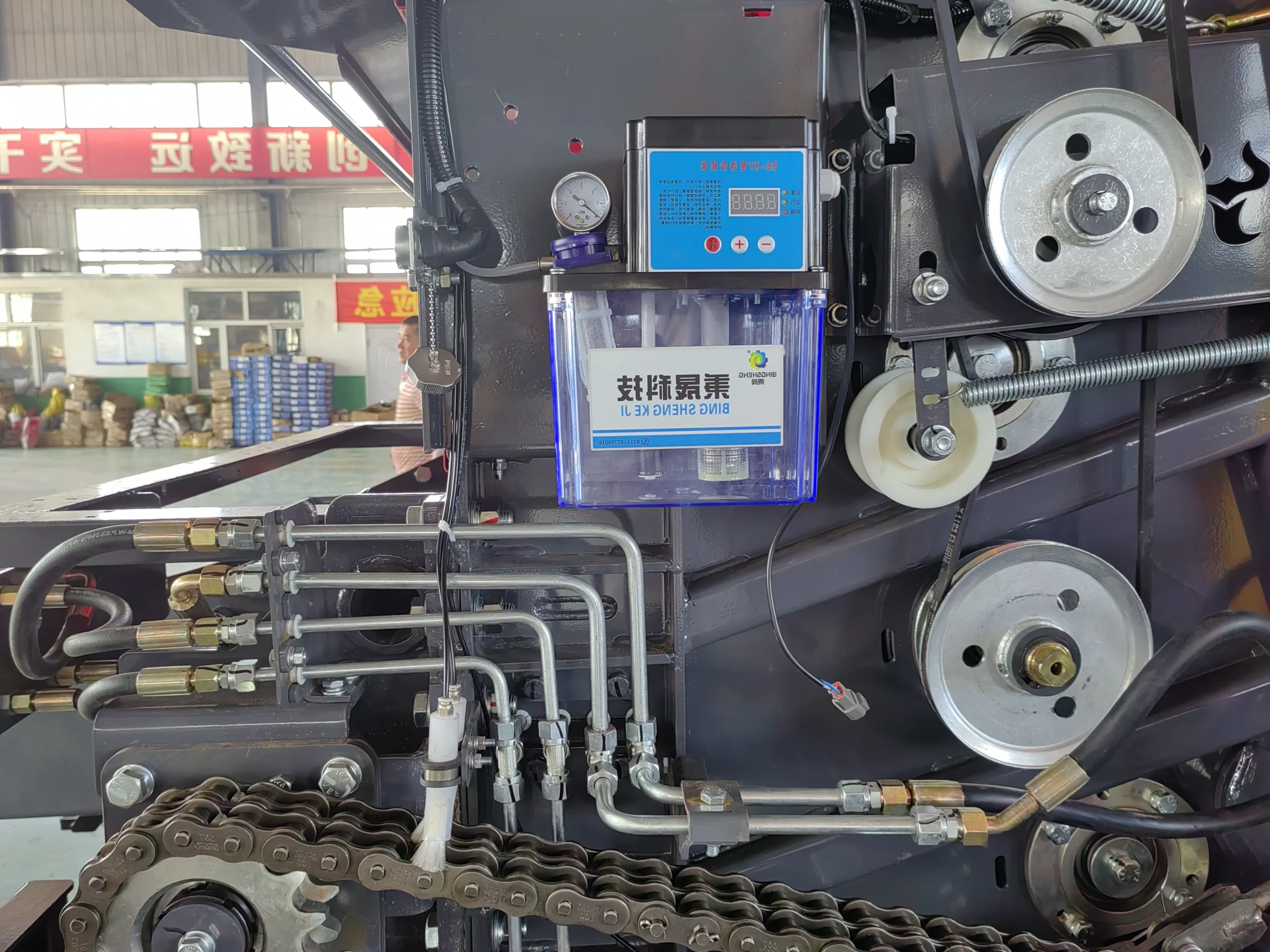
Stretch Film Care: Protecting the Anaerobic Barrier Through the Storage Period
UV Degradation, Physical Damage, and How to Manage Both
Stretch film is not a passive barrier that simply sits around the bale — it is an active polymer structure under tension, continuously responding to UV radiation, temperature changes, physical contact, and the internal pressure changes of the fermenting silage. Understanding the mechanisms by which the film degrades allows operators to manage those mechanisms rather than simply discovering deterioration after the fact.
UV Degradation: The Australian Storage Challenge
UV radiation from direct sunlight is the primary driver of stretch film degradation during storage in Australian conditions. UV breaks down the polymer chain structure of the film, reducing its elongation at break (how much it can stretch before tearing) and its oxygen barrier performance. Standard 25-micron silage film with Australian-specification UV stabiliser package is typically rated for 12–18 months of outdoor storage before UV degradation reaches the point where barrier performance is significantly compromised. Above this period, the upper film surface of bales in direct sun will show visible chalking or fine surface cracking — both indicators that the film has exceeded its UV design life and is approaching the point where barrier failure can occur from minor physical stress.
Managing UV exposure during long-term storage extends film life significantly. The most effective approach is covered storage — a shed or hay shed roof that shields bales from direct UV while allowing ventilation is ideal. For bales that must be stored outdoors, white or light-coloured agricultural shadecloth applied over bale rows reflects UV and reduces both UV exposure and film surface temperature, extending effective film life by 30–50% compared to uncovered outdoor storage in full sun. Even a simple shadecloth canopy erected over the longest-stored bales provides meaningful protection for drought reserve stocks that may be in storage for 18–24 months.
Physical Damage: Sources and Prevention
Physical film damage occurs from three primary sources in Australian silage bale storage: bird attack (crows and cockatoos pecking through film), livestock access (rubbing, chewing, and stepping on bales), and handling contact (loader tine contact and bale-on-bale abrasion). Each source produces a different damage signature and requires a different preventive response.
Bird damage produces small round or elongated puncture holes, typically in clusters concentrated on the top surface of bales — the area birds can access from above. The most effective deterrents are physical exclusion (bird netting over bale rows) and visual deterrents placed near the storage site. Continuous visual deterrents (reflective tape, bird-of-prey decoys) lose effectiveness as birds habituate — rotating deterrent types every two to three weeks maintains their effectiveness. Livestock must be fully excluded from the bale storage area by secure fencing — a wire fence of no less than 1.2 metres height with a top strand of electrified wire is the effective minimum for cattle exclusion. Handling damage from loader tines is prevented by using the flat blade side of the bale spike for moving bales rather than penetrating the film with the spike, and by briefing all operators on correct bale handling technique before each storage season.
Repair: When to Repair and How to Do It Right
Any film breach must be repaired immediately upon discovery — not at the end of the inspection round, and certainly not at the next scheduled inspection. Every hour a film breach sits unrepaired, oxygen is entering the bale and aerobic spoilage is establishing itself. The repair medium must be purpose-designed silage repair tape — not general-purpose adhesive tape, PVC tape, or packaging tape, all of which have inadequate UV resistance and adhesion on the curved, potentially damp surface of a bale film. Apply the repair tape to clean, dry film with a patch extending at least 50 mm beyond the breach on all sides, pressing firmly to ensure full adhesion. Walk around the bale after applying the patch and check that no additional breaches exist in the same area — bird attacks and handling events frequently produce multiple damage points in a concentrated area.
The Storage Inspection Routine: Finding Problems Before They Compound
A Practical Monthly Inspection Schedule for Australian Conditions
A storage inspection routine is not optional — it is the management practice that determines whether the investment in good production, wrapping, and site selection is protected through to feed-out. The frequency of inspection should reflect the storage period length and the risk conditions at the site. Monthly inspection is the standard minimum for most Australian silage bale storage situations; higher-risk sites (known bird pressure, proximity to livestock, extended storage periods) should be inspected fortnightly during the high-bird-activity months of October to March.
Walk all exposed surfaces of every bale
Inspect the top surface (primary bird damage target), the ends (primary handling damage area), and any visible side surfaces from the inspection path. Bring silage repair tape and scissors on every inspection — repair any breach found immediately, not at the end of the walk.
Check film surface condition for UV degradation
Press the thumbnail gently into the top film surface. Healthy film resists this pressure and returns to shape. Film that cracks, splits, or leaves a permanent indentation has exceeded its UV design life and those bales should be prioritised for early feed-out before the barrier fails.
Smell test at the base of suspect bales
A bale with an unrepaired breach and active aerobic spoilage will have a distinctive musty or hot silage odour at the breach point or at the base. Compare against adjacent undamaged bales — the smell difference between a compromised and intact bale is immediately noticeable in most cases.
Check stacked bales for settlement or lean
Any second or third layer bale that has shifted position, leans noticeably, or has developed a visible indentation from the bale below requires repositioning before it causes a film tear or creates a stack instability hazard. Address stack geometry issues as soon as they are observed — waiting allows them to worsen.
| Storage Period | Standard Inspection | High-Risk Period (Oct–Mar) |
|---|---|---|
| First 6 weeks (fermentation period) | Weekly | Weekly |
| 6 weeks – 12 months | Monthly | Fortnightly |
| Beyond 12 months (drought reserve) | Fortnightly | Weekly |
Feed-Out Priority and Bale Stock Management
Managing Which Bales to Feed First and Why It Matters
Not all bales in a storage site have equal priority for feed-out. A structured feed-out priority system prevents the situation where high-quality bales from the current season sit in storage while bales from the previous season that are approaching their film life limit go unmoved. The consequences of feeding in the wrong order — eating next season’s best silage while older, potentially deteriorating bales are stored — can include unexpected feed shortages when the deteriorated older bales are finally opened.
The priority order for feed-out should be: first, any bale with a confirmed or suspected film breach that has been repaired; second, any bale showing UV film degradation signs (cracking, chalking) that is approaching the barrier failure threshold; third, the oldest bales from previous seasons; and finally, the current season’s production in approximate date order (first in, first out within the season). Label or mark bale groups by cutting date at the time of stacking — a simple date marker in paint on two or three bales per row allows feed-out sequencing without requiring a formal inventory system.
The standard recommendation is to feed all bales within 18 months of wrapping for optimal quality. Beyond 18 months, fermentation quality is typically stable but the film barrier becomes increasingly vulnerable to UV-induced failure. Drought reserve bales held beyond 18 months should be inspected monthly and any showing film degradation fed out as the highest priority regardless of their position in the stock sequence. For the complete Ever-power silage system range, visit our About page.
The Most Common Silage Bale Storage Mistakes in Australian Operations
What Goes Wrong Most Often — and How to Avoid It
⚠️ No Repair Kit in the Field
Finding a bird-peck hole and noting it for “repair later” allows hours or days of oxygen ingress. Carry silage repair tape and scissors on every inspection — repair immediately and definitively.
⚠️ Storing Under Trees
Trees attract birds, drop debris, and create thermal cycling that accelerates film degradation. The convenience of a shaded spot is consistently outweighed by the higher bird damage and film deterioration rate under tree canopy.
⚠️ Stacking Soft Wet Bales Three High
A bale made at 66% moisture and stacked three high will deform under the load above it, creating film damage at the contact points. Limit wet bales to single-layer storage regardless of the space pressure.
⚠️ Using Wrong Repair Tape
Standard adhesive tape, packaging tape, or PVC tape have inadequate UV resistance and poor adhesion to film surfaces. Only UV-resistant silage-specific repair tape creates a breach seal that lasts through the storage period.
⚠️ No Livestock Exclusion
Cattle rubbing on bales or accessing the storage area consistently produces film damage across many bales simultaneously. A single event of livestock in the bale stack can produce more damage than months of UV exposure.
⚠️ Irregular or No Inspections
Bird damage discovered six weeks after it occurred has already caused significant aerobic spoilage. Monthly minimum inspections, fortnightly during the high-bird spring-summer period, are the minimum to protect the investment in the stored silage.
Ever-Power: Supporting the Full Silage System From Baler to Feed-Out
Equipment That Makes the Bales Worth Storing Correctly
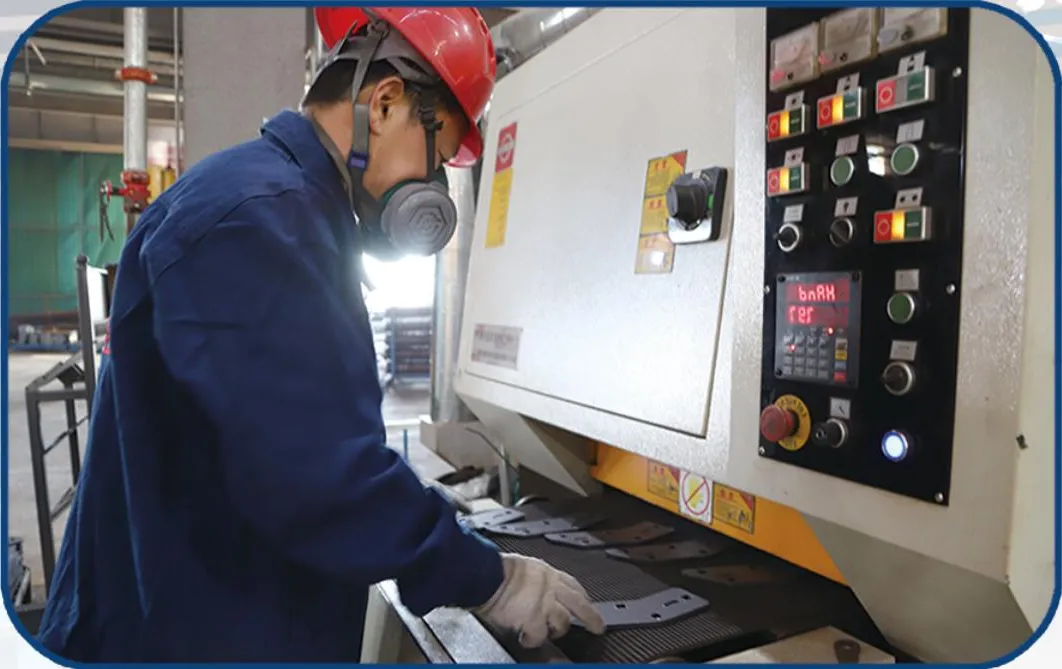
The quality of storage management is most valuable when the bale that goes into storage is high-quality to begin with. Bales that are dense, well-formed, and correctly wrapped are easier to stack safely, have fewer surface irregularities that create film adhesion gaps, and retain a higher proportion of their value through the storage period than loose, irregularly shaped bales with marginal wrapping. Ever-power’s variable chamber pressure system and silage-rated belt compound produce the consistently dense, round bales that reward correct storage management with high-quality feed at the other end of the storage period. For advice on the right model for your production volume and quality targets, or to discuss silage baler parts and service support, contact the Charlton team.
Questions About Silage Storage Management?
Talk to Our Australian Silage Specialists
Charlton Industrial Area, Australia — site selection advice, storage management guidance, and equipment recommendations for every scale of Australian silage operation.
Perguntas frequentes
Common Questions About Silage Bale Storage

Austrália Ever-power Forage Balers Co., Ltd.
📍 Charlton Industrial Area, Australia