
O que “alugar” realmente significa no contexto da ensilagem australiana.
Esclarecendo as três formas de “contratação” antes de compará-las.
Na agricultura australiana, “contratar” um enfardadeira de silagem A locação assume três formas distintas, cada uma com estruturas de custos, implicações operacionais e adequação a diferentes situações agrícolas. Tratar as três como equivalentes leva a comparações incorretas e decisões equivocadas. Compreender qual modelo de locação se aplica à sua situação é o primeiro passo para uma análise correta de locação versus compra.
Modelo 1: Contratação de Serviço Completo
Um prestador de serviços traz a enfardadeira, opera-a, produz os fardos e os embala — você paga uma taxa por fardo, incluindo todos os custos. Este é o modelo de "aluguel" mais comum na produção de silagem na Austrália. A taxa cobrada pelo prestador de serviços geralmente varia de $28 a 50 por fardo embalado, dependendo da região, da época do ano e do prestador. A fazenda fornece a colheita na leira e organiza os fardos embalados para armazenamento.
Modelo 2: Aluguel somente da máquina (aluguel com operador)
Uma enfardadeira é alugada de uma empresa de locação de máquinas agrícolas ou de um vizinho da fazenda — você mesmo a opera com seu próprio trator e mão de obra. Você paga uma taxa de aluguel diária ou semanal pela máquina (entre £1.000 e £500 por dia para uma enfardadeira de gama média é um valor típico no mercado australiano). Esse modelo exige que você tenha um trator adequado, um operador competente e a disposição de assumir a responsabilidade operacional pela máquina. O aluguel apenas da máquina é menos comum para enfardadeiras do que para outros equipamentos agrícolas, mas existe em algumas regiões.
Modelo 3: Propriedade Compartilhada ou Consórcio
Duas ou mais fazendas compram conjuntamente uma enfardadeira e compartilham seu uso, custo de capital e manutenção. Esse modelo oferece as vantagens operacionais da propriedade (controle de tempo, controle de qualidade) ao mesmo tempo que reduz o investimento inicial de cada fazenda. Os acordos de consórcio funcionam bem quando as fazendas têm safras de silagem não sobrepostas, volumes de produção semelhantes e um alto grau de confiança mútua. Eles exigem um planejamento jurídico e financeiro cuidadoso para gerenciar a propriedade compartilhada e os acordos de acesso prioritário.
A comparação entre alugar e comprar apresentada no restante deste guia aborda principalmente o Modelo 1 (contratação de serviços completos) versus a propriedade integral, visto que essa é a situação de decisão mais comum nas fazendas australianas. A estrutura, no entanto, é adaptável a situações de aluguel apenas de máquinas e propriedade em consórcio, ajustando os custos de acordo. Para obter a versão completa, consulte o guia completo. Enfardadeira de silagem à venda gama, visite o Páginas de produtos Ever-power.
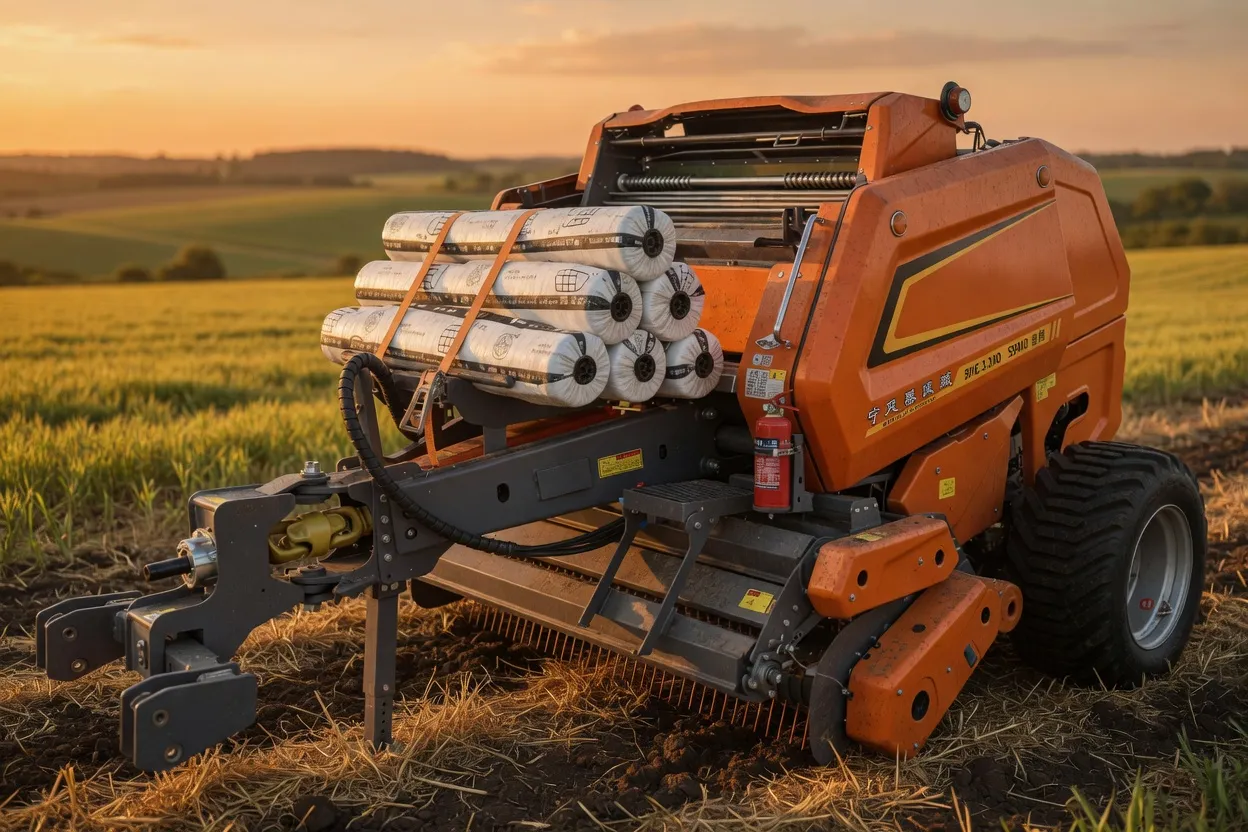
O que a contratação lhe proporciona — e o que ela não proporciona.
As verdadeiras vantagens e limitações do modelo de empreiteiro
O que a contratação lhe proporciona
Sem necessidade de investimento inicial. A maior vantagem imediata da terceirização é que ela não exige investimento de capital em maquinário. O capital da fazenda permanece disponível para terras, animais, genética ou redução de dívidas — investimentos que podem gerar um retorno maior do que o investimento em equipamentos, dependendo da situação financeira e das prioridades de crescimento da fazenda. Para fazendas em fase de expansão ou com dívidas significativas, adiar os compromissos de capital com equipamentos em favor de investimentos que gerem receita ou reduzam a dívida costuma ser a estratégia financeira correta.
Sem necessidade de manutenção ou reparos. Quando a máquina de um prestador de serviços quebra no meio de uma enfardadeira, o problema é do prestador, não da fazenda. A fazenda não arca com a variabilidade de manutenção e reparos que torna difícil prever o custo de uma máquina própria. Essa certeza tem um valor financeiro que não se reflete em comparações por fardo.
Acesso à tecnologia atual sem custos de atualização. Um prestador de serviços que substitui sua máquina a cada 5 a 7 anos leva tecnologia atualizada para cada trabalho. Uma fazenda que possui uma máquina há 15 anos opera com tecnologia que pode ter 15 anos de idade. Para operações de agricultura de precisão, onde o monitoramento de fardos, a geração de relatórios de pressão variável e a conectividade são importantes, essa diferença na atualização tecnológica tem valor operacional.
O que a contratação não te proporciona
Controle do momento da colheita. Um prestador de serviços atende vários clientes — seu pasto está pronto para enfardamento no 3º dia do período ideal, mas o prestador pode não estar disponível até o 6º dia. Três dias de umidade abaixo do ideal no momento do enfardamento, ou três dias adicionais de exposição ao solo após o ponto ideal de corte, têm consequências reais na qualidade. Equipamentos próprios eliminam completamente essa dependência do tempo.
Controle de qualidade. O prestador de serviços define a pressão na câmara, decide o intervalo de enfardamento e determina o protocolo de aplicação do inoculante — ou, mais precisamente, aplica sua prática padrão a todos os clientes. Os requisitos de qualidade específicos da sua propriedade (alta densidade para reserva em períodos de seca, enfardamento imediato para culturas com alto teor de umidade, inoculante específico para gramíneas tropicais) podem não ser priorizados por um prestador de serviços que gerencia vários clientes simultaneamente.
Disponibilidade garantida na alta temporada. Em regiões onde várias fazendas colhem dentro de um curto período sazonal, a capacidade dos prestadores de serviços fica limitada durante os picos de demanda. Fazendas que não construíram um relacionamento sólido com um prestador de serviços específico podem se ver em uma fila de espera após clientes mais valiosos ou mais estabelecidos, principalmente em temporadas em que o clima comprime o período de colheita para todas as fazendas simultaneamente. Para fazendas nessas situações, o equipamento próprio não é apenas uma decisão de custo, mas também uma decisão de gerenciamento de riscos. Para a gama completa de Enfardadeiras de forragem Ever-power da AustráliaVisite a página Sobre.
O que comprar lhe proporciona — e quanto isso custa
Um panorama completo dos benefícios e custos da propriedade.
O que a compra lhe proporciona
A propriedade da silagem proporciona controle operacional completo sobre todas as variáveis de qualidade da silagem — umidade no enfardamento, densidade definida, intervalo de enfardamento, camadas de enfardamento e seleção de inoculantes. Elimina a dependência da programação de terceirizados e garante disponibilidade em qualquer dia em que a colheita estiver pronta. Permite que a colheita seja pausada e retomada de acordo com os horários de ordenha, mudanças climáticas e outras prioridades da fazenda, sem custos de mobilização de terceirizados. Cria a oportunidade de gerar renda com enfardamento para os vizinhos, o que pode melhorar significativamente a rentabilidade. E elimina o risco de variações de qualidade causadas por terceirizados, que estão fora do controle da fazenda.
Quais são os custos de compra?
A aquisição requer um investimento inicial de capital (entre 30.000 e 70.000+ AUD para uma enfardadeira e embaladora de silagem de qualidade média a comercial), custos anuais contínuos que variam em média de 6.000 a 15.000 AUD por ano (depreciação, capital, manutenção, consumíveis para 200 a 400 fardos/ano), além do tempo e habilidade do operador. O custo de aquisição é concentrado no início em relação à economia — o investimento precede a economia em anos e, se o volume anual for menor do que o planejado, a economia pode nunca se concretizar. peças de enfardadeira de silagem e suporte pós-venda, Entre em contato com a equipe do Charlton..
Estrutura de decisão entre contratar e comprar
Uma abordagem estruturada para a tomada de decisões sobre as condições agrícolas australianas.
A estrutura a seguir aborda cada dimensão de decisão na ordem de importância prática para a maioria das situações agrícolas australianas. Chegar a uma resposta clara de "comprar" ou "alugar" nas primeiras dimensões geralmente torna as restantes desnecessárias — mas, se as dimensões anteriores produzirem respostas ambíguas, as posteriores fornecem os critérios de desempate.
Volume anual de fardos — O portão principal
Menos de 180 fardos/ano → Alugar. Nesse volume, o custo real de propriedade por fardo excede consistentemente as taxas cobradas dos empreiteiros. Somente fortes razões não financeiras (crise de disponibilidade, extrema falta de confiabilidade dos empreiteiros) alterariam essa conclusão. 180–230 fardos/ano → Limítrofe. Execute o cálculo de custo completo com seus dados específicos; o resultado será próximo de um valor neutro e os fatores não financeiros serão decisivos. Acima de 230–250 fardos/ano → A compra torna-se cada vez mais favorável. — a situação econômica melhora continuamente com o volume acima desse limite.
Disponibilidade e confiabilidade do contratado
Confiável, disponível e com preços competitivos → O modelo de contratação funciona. Se um bom prestador de serviços estiver disponível de forma confiável dentro do período ideal para enfardamento e a um preço razoável, o modelo de locação elimina o investimento em equipamentos e o risco de manutenção, sem custos significativos em termos de qualidade ou prazo. Pouco confiável, indisponível na alta temporada ou caro ($45+/fardo) → Comprar. Em regiões com acesso limitado a empreiteiras, o risco operacional da contratação é um custo real que justifica a aquisição antecipada, mesmo em volumes menores.
Requisito de Controle de Qualidade
Gado leiteiro de alta produção, alimentado com ração total misturada (TMR), com foco em qualidade → Comprar. Quando a qualidade da silagem afeta diretamente a produção de leite, a reprodução ou outros resultados mensuráveis em termos de receita, a vantagem do controle de qualidade proporcionada pela propriedade da silagem tem um valor financeiro quantificável que pode justificar a compra em volumes menores do que a simples comparação de custos sugere. Sistema de confinamento de gado, recria ou tolerância à qualidade → A contratação é adequada se o contratado entregar silagem de qualidade básica aceitável.
Posição de capital e usos alternativos
Balanço sólido, não há melhor uso para $35.000–50.000 → Comprar. Capital escasso, melhores retornos em outros setores (terrenos, ações, redução de dívidas) → Contratar e reinvestir o capital. Esta é uma questão de gestão agrícola, não apenas uma questão de economia de máquinas. O retorno sobre o investimento (ROI) da enfardadeira deve ser comparado com o ROI de todas as outras opções de investimento disponíveis para a fazenda.
Oportunidade de Trabalho Personalizado
Os vizinhos precisam que eu faça a enfardagem e pagarão o preço de mercado → Comprar. A receita de serviços terceirizados transforma a economia e reduz significativamente o retorno do investimento. Mesmo 80 a 100 fardos terceirizados por ano, a $35 por fardo, geram uma receita de $2.800 a 3.500 e reduzem o custo por fardo para produção própria em $10 a 15 — financiando efetivamente a máquina com receita externa.
Guia de referência rápida: Alugar ou comprar para cenários comuns em fazendas australianas
Recomendações adequadas a cenários para as situações mais comuns.
| Cenário Agrícola | Recomendação | Motivo principal |
|---|---|---|
| Pequena fazenda de gado bovino/ovino, 60-100 fardos/ano, empreiteiro local competitivo | Contratar | O volume é muito baixo para que a rentabilidade da propriedade seja competitiva. |
| Fazenda leiteira de porte médio, com 130 a 180 vacas, produção de 180 a 220 fardos de feno por ano e bom acesso para prestadores de serviços. | Limítrofe | O controle de qualidade e o prazo de entrega podem ser decisivos na compra; faça um cálculo específico. |
| Fazenda leiteira de alta produção com mais de 200 vacas e mais de 280 fardos de feno por ano. | Comprar | Retorno de qualidade + economia de volume + controle de prazos = forte retorno sobre o investimento. |
| Qualquer tamanho de fazenda na região com empreiteiros não confiáveis/caros ($45+) | Comprar | O risco de disponibilidade e o prêmio de custo superam as vantagens econômicas do volume. |
| Fazenda com oportunidade de trabalho personalizado (mais de 100 fardos extras dos vizinhos) | Comprar | A receita personalizada transforma a economia independentemente do seu próprio volume. |
| Fazenda com capital limitado e melhores retornos disponíveis em outro lugar | Contratar | O custo de oportunidade do capital supera a economia marginal do equipamento. |
| Fazenda que está substituindo uma enfardadeira antiga que já está em operação (mais de 200 fardos por ano). | Comprar | Já dependente operacionalmente da enfardadeira própria — a substituição é a solução correta. |
| Duas fazendas com 100 fardos cada, dispostas a compartilhar uma máquina. | Comprar (Sindicato) | A colheita de 200 fardos combinados gera lucro; capital compartilhado e manutenção. |
A Opção de Consórcio: Compartilhamento da Propriedade para Melhorar a Economia
Quando duas ou três fazendas compartilharem uma máquina em vez de uma única fazenda possuir a mesma.
Para fazendas com produção entre 100 e 180 fardos por ano, onde a propriedade individual é economicamente desvantajosa, a propriedade conjunta com uma ou duas fazendas vizinhas pode transformar o cenário econômico. Duas fazendas, cada uma produzindo 120 fardos por ano, juntas produzem 240 fardos — um volume em que a economia direta de custos decorrente da propriedade conjunta começa a ser claramente positiva. Os custos de capital e manutenção são compartilhados, reduzindo pela metade o investimento anual fixo de cada fazenda. O desafio operacional reside no agendamento — garantir que cada fazenda possa acessar a máquina quando sua colheita estiver pronta, sem conflitos.
Na agricultura australiana, os consórcios de máquinas agrícolas bem-sucedidos geralmente apresentam três características principais: períodos de pico de utilização não sobrepostos (as janelas ideais para ensilagem das fazendas ocorrem em momentos diferentes, reduzindo conflitos de agendamento); um acordo escrito claro sobre prioridade de acesso, alocação de custos de manutenção e descarte de máquinas; e um alto nível de confiança e comunicação entre as partes. O acordo escrito é essencial — acordos verbais que funcionam bem quando o relacionamento é sólido podem gerar disputas dispendiosas se o relacionamento se deteriorar ou se as circunstâncias de uma das partes mudarem. enfardadeira de silagem Recomendações de modelos adequados para compra em consórcio, o Equipe Charlton Podemos aconselhar sobre modelos adequados aos volumes de produção combinados e aos tratores de ambos os parceiros.
Ever-Power: A compra certa quando a decisão favorece a propriedade.
Preço competitivo, suporte local e variedade para atender a todos os volumes.
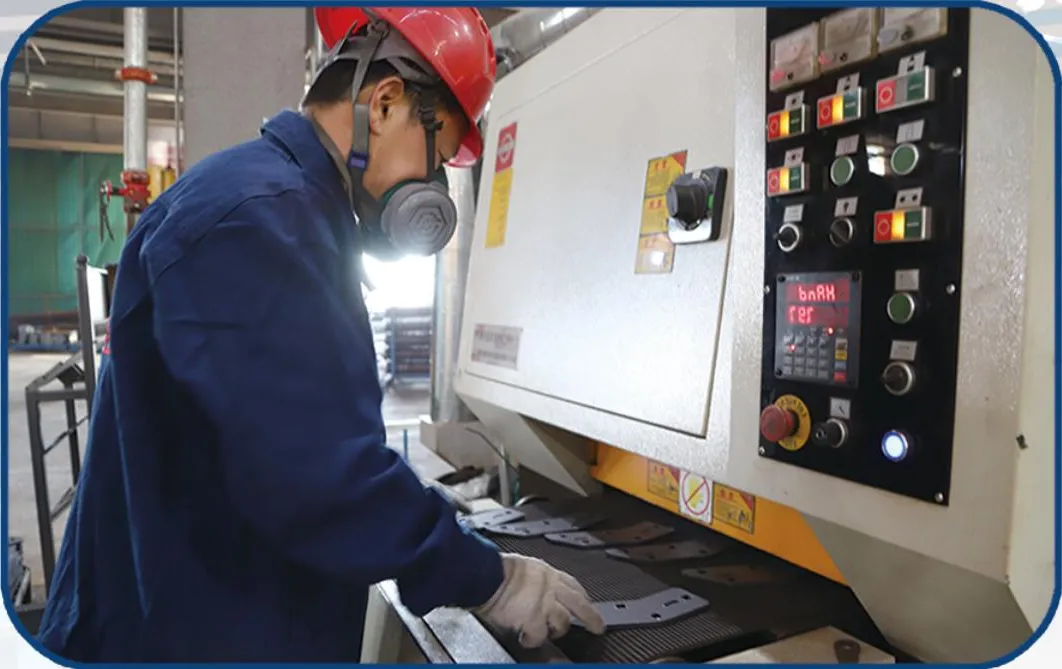
Quando a estrutura de decisão aponta para a propriedade, a escolha da máquina determina se a rentabilidade da propriedade proporciona o retorno esperado ou fica aquém. O preço de compra competitivo da Ever-power — inferior ao de equivalentes europeus com níveis de especificação comparáveis — significa que a componente de depreciação do custo por fardo é menor desde o primeiro fardo, melhorando a rentabilidade em todos os volumes de produção. A gama abrange desde o modelo compacto, com capacidade para 40 HP, 9YG-1.0 Para pequenas propriedades rurais onde a propriedade marginal exige o menor preço de compra possível, através do 9YG-1.25 para o perfil de propriedade agrícola em escala mais comum na Austrália, até o S9000 Além Para operações comerciais de grande volume, onde a qualidade é tão importante quanto o custo, o fornecimento local de peças pela Charlton significa que o custo de manutenção permanece previsível e evita o tempo de inatividade prolongado durante a alta temporada, que leva os agricultores a optarem pela terceirização em vez da propriedade dos equipamentos.
Pronto para tomar a decisão entre contratar ou comprar?
Receba uma recomendação personalizada da nossa equipe.
Área Industrial de Charlton, Austrália — aconselhamento sobre seleção de modelos, modelagem de custos e avaliação honesta sobre se a aquisição de um imóvel faz sentido para o seu volume anual específico e para a situação da sua fazenda.
Perguntas frequentes
Perguntas frequentes sobre a decisão de alugar ou comprar uma enfardadeira de silagem

Austrália Ever-power Forage Balers Co., Ltd.
📍 Área Industrial de Charlton, Austrália