
Waarom een silagebalenpers geen ronde balen kan vormen
De kernmechanismen achter balenvorming
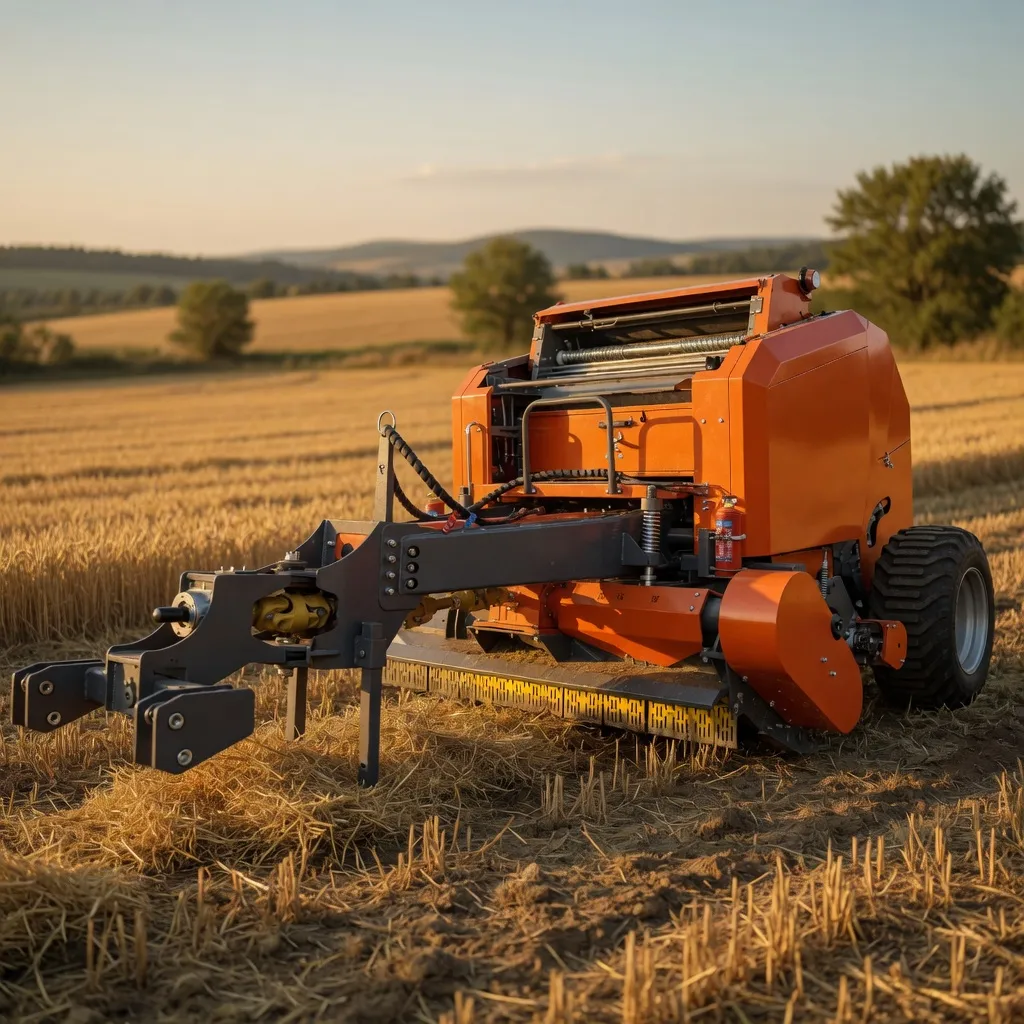
A kuilvoerbalenpers Het werkt volgens een bedrieglijk eenvoudig principe: het binnenkomende gewasmateriaal wordt verzameld door de opraaptanden, naar de balenkamer gevoerd en vervolgens door middel van riem- of rolmechanismen tot een compacte cilindrische vorm geperst. Wanneer een onderdeel van deze keten – de aanvoer, de compressie of het binden – defect raakt, produceert de machine geen goed gevormde ronde balen meer. Het probleem is zelden direct merkbaar; het manifesteert zich eerder als losse, misvormde of onvolledige balen, waardoor de machinist midden in een oogstperiode voor een raadsel staat.
Het begrijpen van de onderliggende oorzaak gaat niet alleen over het verhelpen van de huidige storing, maar heeft ook directe gevolgen. kuilvoerkwaliteit, fermentatie-efficiëntie en de kosten per baal op de lange termijn. Een baal die niet de juiste dichtheid bereikt, verliest sneller de anaerobe omstandigheden, wat leidt tot aerobe bederf dat de voederwaarde kan aantasten. Of u nu een groot melkveebedrijf runt of een kleine kuilvoerbalenpers Ook op een schapenbedrijf is het diagnoseproces grotendeels hetzelfde. Laten we het systematisch doorlopen.
Oorzaak #1 — Onjuist vochtgehalte van het gewas
De meest voorkomende oorzaak van een slechte balvorm
Het vochtgehalte is wellicht de belangrijkste variabele die bepaalt of uw kuilpersmachine Dit levert een strakke, goed gevormde ronde baal op of een kruimelige bende. Het ideale vochtgehalte voor de meeste gras- en peulvruchtensilage ligt tussen 40% en 65%. Materiaal dat te droog is – onder 35% – wordt broos en bindt niet goed samen onder compressie. Het glijdt als het ware door de perskamer zonder in elkaar te haken, wat resulteert in losse, uit elkaar vallende balen of balen die helemaal niet gevormd worden.
Aan de andere kant is materiaal met een vochtgehalte boven 70% te glad en te zwaar om voldoende rotatiemomentum in de perskamer op te bouwen. Het wordt samengedrukt tot een platte, dichte massa in plaats van tot een cilinder te rollen. Dit is een veelvoorkomend scenario bij het persen direct na regen of bij het oogsten van gras dat nog niet is verwelkt. grassilagebalenpers Met name bij de werkzaamheden, en dan vooral bij het controleren van de bodemvochtigheid vóór het maaien en opnieuw vóór het persen, worden de meeste vormfouten voorkomen.
✅ Oplossing: Vochtregulatie
- Gebruik een vochtmeter voor het voer voordat u gaat maaien; vertrouw niet alleen op visuele schattingen.
- Laat de meeste grassoorten na het maaien 6 tot 24 uur verwelken voordat u ze perst.
- Bij natte omstandigheden is het raadzaam het balen uit te stellen of een maai-kneuzer te gebruiken om het verwelkingsproces te versnellen.
- Streef naar een vochtgehalte van 50–60 l/100 ml voor een optimale ronde balendichtheid en fermentatiekwaliteit.
- Bij zeer droge omstandigheden is het aan te raden om 's ochtends vroeg te balen, wanneer de dauw het oppervlak weer wat vochtig maakt.
Oorzaak #2 — Problemen met de opraapkop en gewasaanvoer
Wanneer het materiaal niet goed in de kamer terechtkomt
Zelfs bij een ideaal vochtgehalte zal een defect opraapsysteem ervoor zorgen dat de balenkamer onvoldoende materiaal krijgt. De vorming van ronde balen is afhankelijk van een continue, gelijkmatige aanvoer van gewas in de kamer – elke onderbreking in die aanvoer creëert een asymmetrische kern die instort. Problemen met de opraaptanden behoren tot de belangrijkste oorzaken van mislukte balenvorming, met name bij hoge doorvoersnelheden of bij het werken in schurende omstandigheden zoals zandgrond.
Verbogen of ontbrekende opneemtanden
De tanden van een baalpers worden constant belast door stenen, kluiten en zware gewasladingen. Een verbogen tand zal het materiaal zijwaarts afbuigen in plaats van het netjes in het invoerkanaal te tillen, terwijl een ontbrekende tand een onderbreking in de gewasstroom veroorzaakt, wat leidt tot dunne plekken in de kern van de baal. Na verloop van tijd kunnen zelfs een paar beschadigde tanden het invoerpatroon van het gewas zodanig veranderen dat er geen ronde baal meer gevormd kan worden.
Breedteverschil in zwad
Een te smalle zwad concentreert het materiaal in het midden van de opvangbak, waardoor de kern van de baal asymmetrisch wordt opgebouwd. Omgekeerd laat een zwad dat breder is dan de opvangbak materiaal aan de zijkanten achter, waardoor het totale opnamevolume afneemt. Beide situaties belemmeren de vorming van ronde balen. Stel uw hark zo af dat u een zwad produceert dat ongeveer 80–90% van de opvangbakbreedte van uw balenpers vult.
✅ Oplossing: Controle van het ophaalsysteem
- Loop vóór elke sessie de breedte van de opraapmachine na en vervang eventuele verbogen of ontbrekende tanden onmiddellijk.
- Controleer de afstand tussen de tanden en de vijzel — versleten tanden die te hoog zitten, missen materiaal aan de basis van het zwad.
- Stel de opraaphoogte zo in dat de tanden onder normale veldomstandigheden 25-40 mm boven de grond uitsteken.
- Stem de breedte van de zwaden af op de opraapbreedte met behulp van een vingerwielhark of een getrokken zijhark.
- Verlaag de rijsnelheid bij zware gewassen; overbelasting van de inlaat is een belangrijke oorzaak van verstopping van de kamer.
Oorzaak #3 — Bandslip, slijtage en problemen met de rollen
Storingen in de kameraandrijving die de vorming van ronde balen belemmeren
Bandaangedreven silagepersen maken gebruik van meerdere parallelle banden die over een reeks rollen lopen om de vormende baal te ondersteunen en te laten roteren. Als deze banden uitrekken, scheuren, slippen of silageresten op hun oppervlak verzamelen, ontbreekt de wrijving die nodig is om de baal te laten draaien. Het gewas komt wel in de perskamer terecht, maar roteert zwak, waardoor de baal uiteindelijk stilvalt en in elkaar zakt in plaats van een stevige cilinder te vormen. Dit is een van de meest frustrerende storingen, omdat de machine normaal lijkt te werken, maar niets bruikbaars produceert.
Diagnose van riemspanning en slijtage
Riemen rekken uit door gebruik en moeten periodiek worden gespannen. Een riem met te lage spanning slipt op de aandrijfrol onder de belasting van een grote, compacte silagebaal – met name bij silagegewassen met een hoog vochtgehalte. Tekenen hiervan zijn onder andere piepende geluiden uit het aandrijfsysteem, zichtbare trillingen van de riem tussen de rollen, of een baal die begint te vormen maar stopt bij ongeveer de helft van de beoogde grootte. Controleer de riemspanning aan de hand van de specificaties van de fabrikant en span de riem opnieuw of vervang deze indien nodig.
Ophoping van afzettingen en oppervlakteverontreiniging
Kuilvoer met een hoog vochtgehalte laat een laagje plantensap, zaden en fijn organisch materiaal achter op transportbanden en rollen. Gedurende een werkdag vormt deze ophoping een gladde laag die de tractie aanzienlijk vermindert. Het reinigen van de rollen aan het einde van elke dag – vooral bij warm weer wanneer de resten opdrogen en hard worden – verlengt de levensduur van de banden en voorkomt de stille wrijvingsverliezen die leiden tot mislukte baalvorming. Beschadigingen of groeven op de aandrijfrollen vereisen onmiddellijke vervanging.
✅ Oplossing: Onderhoud van riem en rollen
- Controleer de riemspanning elke 50 bedrijfsuren en span de riem aan volgens de aanwijzingen in uw gebruikershandleiding.
- Controleer de oppervlakken van de transportbanden op scheuren, rafeling of verglazing. Vervang banden die een van deze tekenen vertonen.
- Reinig de bandoppervlakken en rollen aan het einde van elke dag tijdens het inkuilseizoen.
- Vervang nooit oude en nieuwe riemen door elkaar; vervang de complete set in één keer om een gelijkmatige spanningsverdeling te garanderen.
- Controleer de speling in de spanrollagers; een stroeve spanrol kan de slijtage van de riem tot wel drie keer versnellen.
Oorzaak #4 — Storingen in de netwikkeling of het touw.
Wanneer de baal wel gevormd wordt, maar niet bij elkaar blijft.
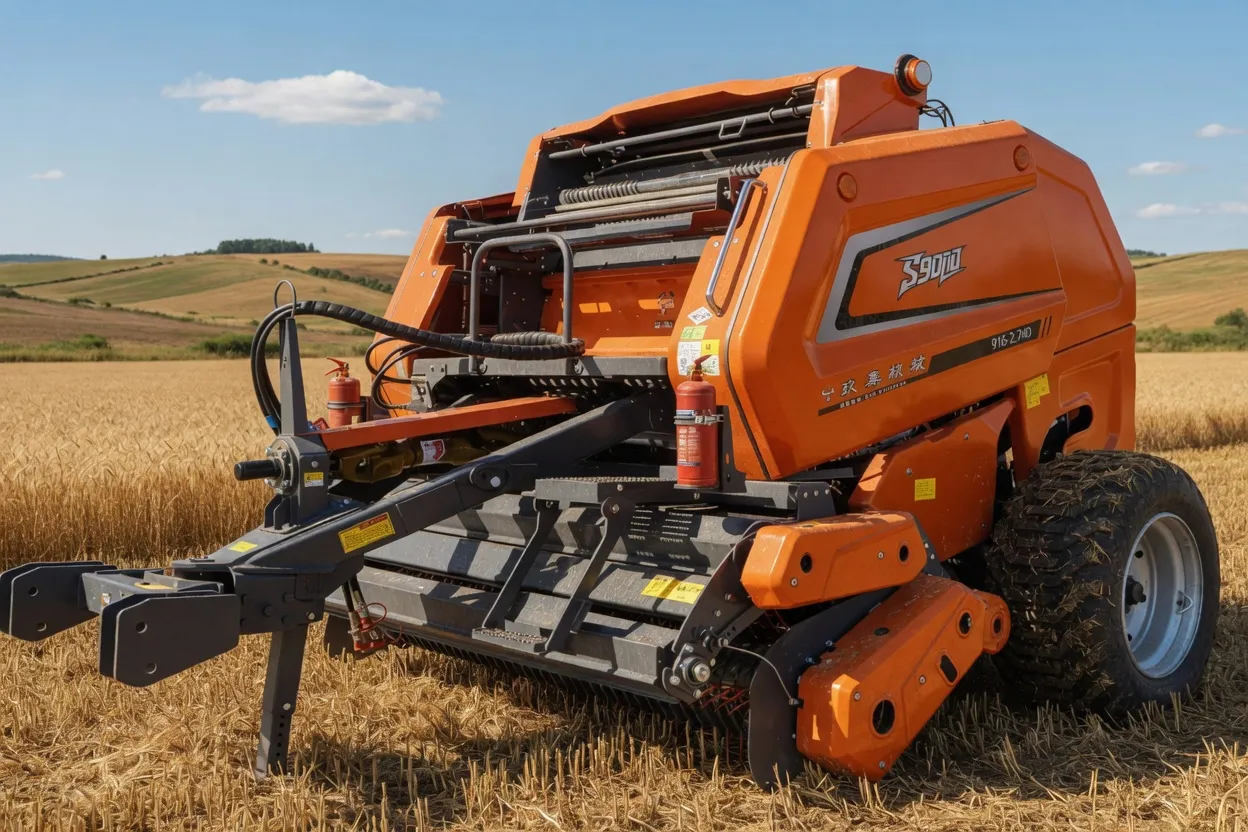
Een bal die ogenschijnlijk correct gevormd wordt in de kamer, maar bij het uitwerpen uit elkaar valt, duidt bijna altijd op een probleem met het bindsysteem. Of uw kuilpersmachine Het bindsysteem, dat gebruikmaakt van netmateriaal of touw, oefent onderdruk uit op een nog steeds draaiende baal – en dat moet gebeuren met een precieze timing, constante spanning en betrouwbare aanvoer. Elke fout in deze volgorde zorgt ervoor dat het samengeperste gewas geen structurele ondersteuning meer heeft, waardoor het uitzet en verkruimelt zodra de druk in de perskamer wegvalt.
Problemen met het toevoersysteem van netfolie
Het net moet soepel van de rol afrollen, gelijkmatig over het oppervlak van de baal worden verdeeld en netjes worden afgesneden bij het juiste aantal wikkelingen. Vervuiling op de aanvoerrollen, een geknikte netrol of een bot snijblad leiden allemaal tot onvoldoende hechting. Kuilvoer met een hoog vochtgehalte is bijzonder veeleisend, omdat het gladde oppervlak de hechting van het net bemoeilijkt. Hierdoor zijn vaak minstens twee volledige wikkelingen nodig voordat het net moet worden uitgeworpen.
Problemen met touwspanners en knopers
Bij het persen van kuilvoer met touw is een constante spanning tijdens het hele bindproces essentieel. Een versleten spanschijf, een geblokkeerde touwgeleider of een vervuild knopermechanisme leiden tot lussen, gemiste knopen of gebroken touw, waardoor de baal niet goed gebonden is. Touwsystemen vereisen vaker onderhoud bij het persen van kuilvoer dan bij het persen van droog hooi, omdat de verhoogde luchtvochtigheid corrosie van de metalen geleideronderdelen versnelt en het touw zelf stijver maakt bij lage temperaturen.
✅ Opgelost: Controle van het bindingssysteem
- Reinig de voerrollen met netwikkeling vóór elke sessie; resten van silage-sap veroorzaken weerstand bij het voeren.
- Controleer wekelijks of het mes scherp is; een bot mes laat rafelige sneden achter die blijven haken aan de volgende baal.
- Verhoog het aantal omwentelingen voor natte silagegewassen (60%+ vochtgehalte) — minimaal twee volledige omwentelingen.
- Smeer de touwgeleidingskanalen en knoopmechanismen dagelijks tijdens intensieve silagecampagnes.
- Gebruik altijd netfolie die geschikt is voor kuilvoer; standaard hooinetfolie heeft een lagere rektolerantie.
Oorzaak #5 — Storingen aan de aftakas, overbelasting en aandrijving
Onvoldoende aandrijvingen zorgen voor onvolledige balen.
Voor het vormen van ronde balen is een constante rotatie-energie nodig, geleverd door de aftakas met het door de fabrikant gespecificeerde toerental – doorgaans 540 tpm voor de meeste compacte silagebalenpersen en 1000 tpm voor grotere machines. Een lager aftakastoerental dan het beoogde toerental is een van de meest over het hoofd geziene oorzaken van mislukte balenvorming, met name wanneer bestuurders vaart minderen om over oneffen terrein te rijden of het gas terugnemen in dichte begroeiing. Het resultaat is een perskamer die niet over voldoende rotatiemomentum beschikt om een strakke, ronde kern te vormen – wat vooral cruciaal is in de beginfase van de balenvorming, wanneer de kern van het gewas nog los en instabiel is.
Het afbreken van de breekbouten in de aftakas is een andere veelvoorkomende oorzaak die gemakkelijk over het hoofd wordt gezien. Een afgebroken bout stopt de krachtoverbrenging onmiddellijk, maar geeft mogelijk geen duidelijke waarschuwing. Als de balenpers plotseling stopt met het produceren van balen zonder zichtbare mechanische blokkering, controleer dan eerst de breekbouten – het is een reparatie van twee minuten die de werking herstelt. Een versleten of slippende aftakaskoppeling geeft dezelfde symptomen als onvoldoende motortoerental: de perskamer draait wel, maar bouwt nooit voldoende druk op om een complete ronde baal te vormen.
✅ Oplossing: PTO- en aandrijfsysteem
- Stel het gaspedaal van de motor zo in dat het door de fabrikant opgegeven aftakas-toerental is bereikt voordat u het zwad inrijdt.
- Verminder het gaspedaal niet op oneffen terrein; houd uw snelheid aan en pas deze aan.
- Controleer en vervang de breekbouten aan het begin van elk seizoen en gebruik daarbij uitsluitend bouten van de door de fabrikant voorgeschreven kwaliteit.
- Controleer de aftakaskoppeling op slijtage en vervang deze als de koppeling los zit of onregelmatig werkt.
- Controleer of het vermogen van de tractor voldoet aan de eisen van de balenpers; te kleine tractoren veroorzaken een chronische daling van het aftakastoerental onder belasting.
Stapsgewijs diagnostisch proces in het veld
Doorloop deze stappen voordat u een technicus belt.
Controleer het vochtgehalte.
Meet het vochtgehalte van het gewas met een handmeter. Als het onder de 351 TP3T of boven de 701 TP3T ligt, moet het balen worden uitgesteld of moet het gewas in rijen worden gelegd om te verwelken.
Controleer de tanden van de pick-up.
Loop over de volledige breedte van de opraap. Vervang eventuele verbogen, ontbrekende of gebarsten tanden en controleer of de opraaphoogte 25-40 mm boven de grond uitsteekt.
Controleer de aftakassnelheid
Controleer of het gaspedaal van de motor het opgegeven aftakas-toerental levert. Controleer de breekbouten op de aandrijflijn en inspecteer de aftakas-koppeling op slijtage of speling.
Inspecteer riemen en rollen
Controleer de riemspanning en de staat van het riemoppervlak. Reinig de roloppervlakken en controleer de spanrollagers. Vervang gebarsten of verglaasde riemen als complete set.
Testbindingssysteem
Voer een droge bindproef uit: observeer de volgorde van het aanvoeren, spreiden en snijden van het net of touw. Reinig de aanvoerrollen en slijp of vervang het snijblad.
Proefbaal op lage snelheid
Nadat de geconstateerde problemen zijn verholpen, vormt u een proefbaal met een lagere transportsnelheid om te controleren of de kamer correct wordt opgebouwd voordat u de volledige productie hervat.
Preventief onderhoud om vormingsfalen te voorkomen
Uw silagepers in topconditie houden
De meest effectieve manier om een kuilvoerbalenpers Het voorkomen van mislukte ronde balen vereist een rigoureus onderhoudsschema, zowel vóór als tijdens het seizoen. In tegenstelling tot machines voor droog hooi, werkt een silagebalenpers in een constant natte, corrosieve omgeving – plantenzuren, vochtig vuil en constante temperatuurschommelingen versnellen de slijtage van alle bewegende onderdelen. Een onderhoudsschema dat een hooibalenpers drie seizoenen lang operationeel houdt, is bij intensief silagegebruik mogelijk slechts voldoende voor één seizoen. Hiermee rekening houden bij het bepalen van de onderhoudsintervallen is essentieel voor iedereen die in de wisselende klimaatomstandigheden van Australië werkt.
| Onderhoudstaak | Dagelijks | Wekelijks | Voorseizoen |
|---|---|---|---|
| Smeer alle gemarkeerde smeerpunten in. | ✓ | ||
| Reinig de opneemtanden en de invoerschroef. | ✓ | ||
| Controleer de riemspanning en de staat van de riem. | ✓ | ||
| Controleer de rollagers op speling of geluid. | ✓ | ||
| Vervang de breekbouten (complete set) | ✓ | ||
| Vervang versleten opraaptanden (complete set) | ✓ | ||
| Volledige inspectie en opnieuw smeren van de aftakas. | ✓ |

Waarom kuilbalenpersen veeleisender zijn dan hooibalenpersen
Inzicht in de verschillen helpt je fouten te voorkomen.
De silagebalenpers versus hooibalenpers Het onderscheid is van cruciaal belang bij het diagnosticeren van problemen met de vorming van ronde balen. Een hooibalenpers verwerkt droog, licht en relatief niet-corrosief materiaal. Een silagebalenpers verwerkt – per definitie – gewassen met een twee tot drie keer zo hoog vochtgehalte, met een overeenkomstige toename van de massa per baal, de gladheid van het oppervlak en het gehalte aan corrosief plantensap. Elk slijtagemechanisme werkt sneller, elke tolerantie die bij droog hooi werkt, is ontoereikend bij natte silage, en onderhoudsintervallen die ruim lijken voor hooi, worden gevaarlijk lang voor silage.
Dit onderscheid geldt ook voor onderdelen van een silagebalenpers selectie. Het gebruik van standaard hooibalenpersbanden voor silage is een valse besparing – silagebanden hebben een hogere vochtwerende coating en een grotere treksterkte om de dichtere, zwaardere balen aan te kunnen. Ook netfolie die specifiek voor silage is ontworpen, heeft een groter rekvermogen om te sealen, wat belangrijk is omdat natte gewasoppervlakken een hogere foliespanning vereisen voor een adequate anaerobe afdichting. Het correct specificeren van onderdelen en het onderhouden van de machine volgens de voor silage geschikte intervallen is niet alleen een goede gewoonte, maar het is wat een betrouwbare baalvorming onderscheidt van chronische storingen.
🌾 Condities van de hooibalenpers
- Vochtgehalte van het gewas: 12–20%
- Glad oppervlak met lage dichtheid - goede grip van de riem
- Minimale corrosie door plantensap
- Lagere baalmassa per cyclus
- Standaard onderhoudsintervallen
- Lagere netwikkeling/touwspanning nodig
🌿 Omstandigheden van de silagebalenpers
- Vochtgehalte van het gewas: 40–70%
- Hoge gladheid van het wegdek — risico op slippen van de transportband
- Bijtende plantenzuren versnellen slijtage.
- 2–3 keer het gewicht van de baal — meer aandrijfspanning
- Intensiever onderhoud vereist
- Hogere wikkelspanning, geschikt voor kuilvoer.
Wanneer reparaties ter plaatse niet volstaan: neem contact op met een specialist.
De beperkingen van diagnostiek op de boerderij erkennen
Niet elke mislukking bij het vormen van een baal kan op het bedrijf zelf worden opgelost. Als u de bovenstaande diagnostische stappen hebt doorlopen — het vochtgehalte van het gewas hebt gecontroleerd, de pick-up hebt geïnspecteerd, het aftakas toerental hebt bevestigd, de riemen en rollen hebt gecontroleerd en het bindsysteem hebt getest — en de machine nog steeds geen goede ronde baal maakt, ligt het probleem waarschijnlijk in de geometrie van de perskamer, slijtage van de vaste rollen of een storing in de elektronische bewaking die met specialistisch gereedschap kan worden vastgesteld. Doorgaan met het gebruik van een machine met een structureel defect maakt het onderliggende probleem meestal alleen maar erger en de reparatiekosten hoger.
Bij Australië Ever-power Forage Balers Co., Ltd.Ons technische team, gevestigd in het industrieterrein van Charlton, ondersteunt operators in heel Australië met zowel onderdelenlevering als advies over apparatuur. Als uw kuilpersmachine produceert inconsistente of mislukte ronde balen en de standaardcontroles hebben het probleem niet opgelost. Neem contact op met ons team via [email protected] Het brengt je in contact met ingenieurs die deze machines op componentniveau begrijpen, en niet alleen op bedieningsniveau.
Heeft u technische ondersteuning nodig?
Neem contact op met onze specialisten op het gebied van silagebalenpersen.
Ons team in het industrieterrein van Charlton biedt onderdelenondersteuning, diagnosebegeleiding en apparatuuraanbevelingen aan Australische operators.
Waarom Australische boeren kiezen voor Ever-Power voerbalenpersen
Speciaal ontworpen voor Australische omstandigheden
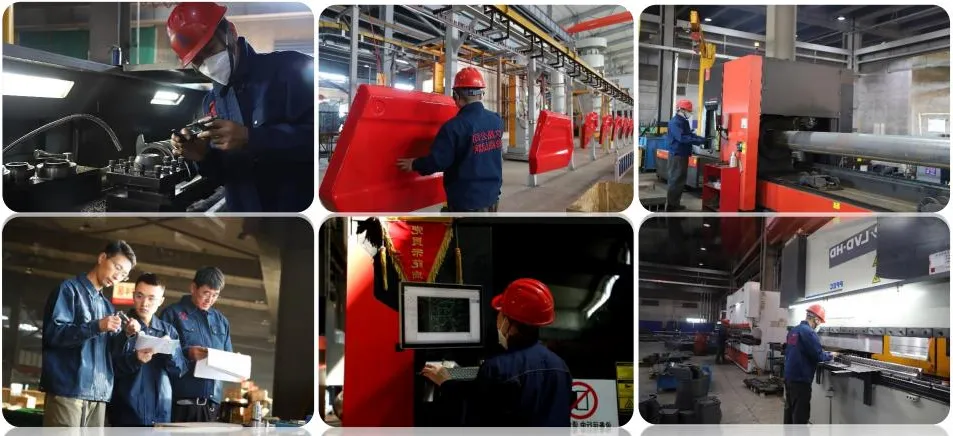
Wanneer het gesprek over een betrouwbare persoon gaat Silagepers te koop In Australië worden Ever-power machines gebouwd volgens een standaard die de specifieke eisen van de Australische landbouw weerspiegelt: grote temperatuurschommelingen, diverse gewassen van raaigras tot alfalfa en graansilage, en de verwachting dat de machines probleemloos en onder hoge druk werken. Ons assortiment omvat compacte machines die geschikt zijn voor een Kuilvoerpers voor kleine boerderijen van kleine machines tot machines met hoge capaciteit voor commerciële zuivel- en vleesveebedrijven.
Rechtstreekse levering vanuit de fabriek
Rechtstreekse prijzen van de fabrikant zonder tussenpersonen, met volledige technische documentatie en gegarandeerde beschikbaarheid van onderdelen.
Componenten geschikt voor kuilvoer
Elke band, rol en tand is specifiek ontworpen voor gebruik bij silage – en is niet afgezwakt ten opzichte van een platform voor droog hooi.
Ondersteuning vanuit Australië
Ons team is gevestigd in het industrieterrein van Charlton en biedt lokale technische ondersteuning en onderdelenlevering binnen de Australische tijdzones.
Volledig modellenassortiment
Van compacte machines met een kamer van 1,0 m voor kleinere panden tot de S9000 Beyond voor grootschalige commerciële toepassingen.
Aanbevolen product
9YG-2.24D Rondebalenpers — S9000 Beyond
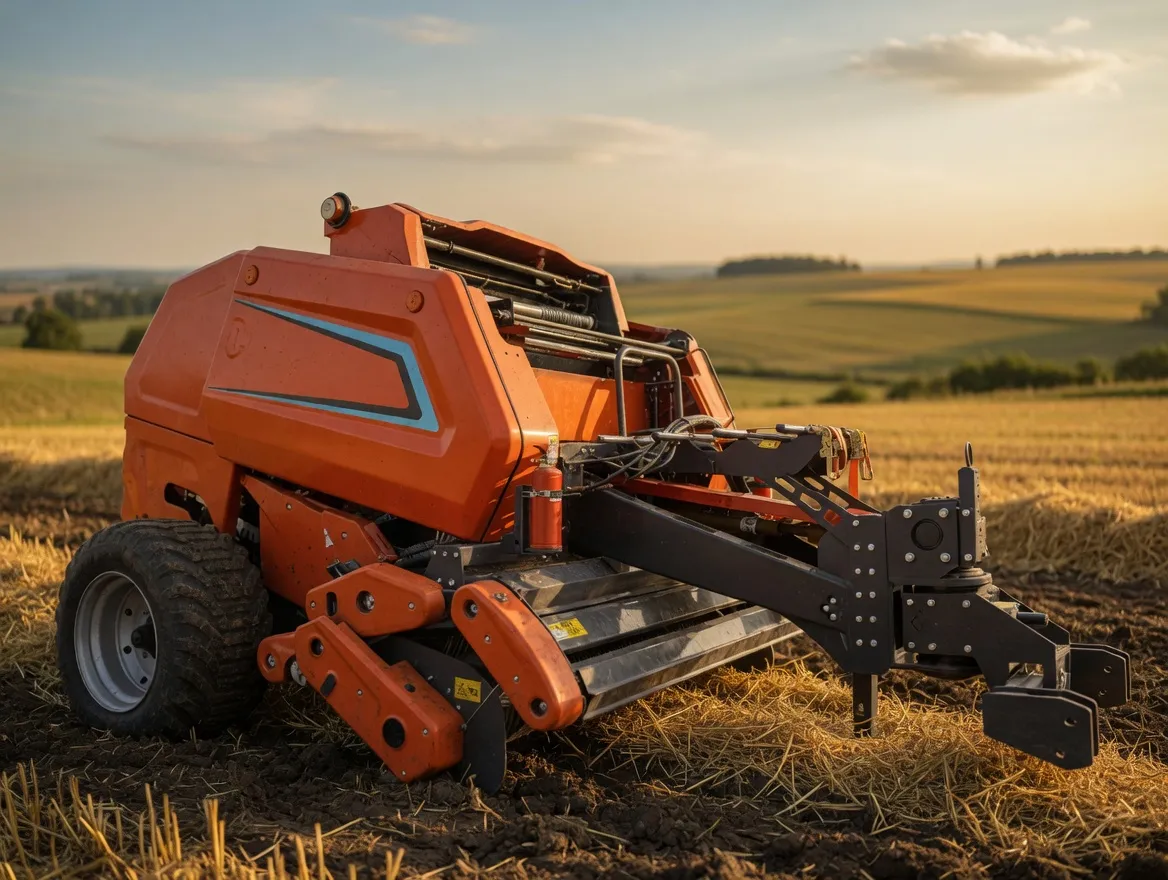
Als aanhoudende problemen met de vorming van ronde balen u ertoe hebben aangezet om uw systeem te upgraden, kuilpersmachineDe S9000 Beyond is het topmodel in het Ever-power assortiment. Dankzij het ontwerp met variabele kamer kan hij het volledige vochtspectrum van silagegewassen verwerken – van 40% tot 70% – zonder slippende banden of stagnatie in de vorming. Versterkte aandrijfrollen, een nauwkeurig netwikkelsysteem en een afgedicht lagerpakket maken het de meest robuuste machine in het assortiment voor de veeleisende omstandigheden die bij minder krachtige machines tot vormingsproblemen leiden.
De S9000 Beyond is ontworpen voor commerciële melkvee-, vleesvee- en gemengde bedrijven in heel Australië en pakt alle in deze handleiding beschreven oorzaken van problemen al in de ontwerpfase aan, in plaats van ze over te laten aan onderhoudsgewoonten.
Veelgestelde vragen
Veelgestelde vragen over problemen met het vormen van kuilbalen

Australië Ever-power Forage Balers Co., Ltd.
📍 Industriegebied Charlton, Australië