Important Note: This guide provides general information about insurance considerations for agricultural machinery in Australia. It is not financial, legal, or insurance advice. Insurance policy terms, conditions, and coverage vary significantly between insurers and products. Always read your specific policy documents carefully and consult a qualified insurance broker or adviser who specialises in agricultural insurance before making coverage decisions. Policy terms and market conditions may have changed since this guide was prepared.
Why Silage Baler Insurance Deserves Specific Attention
What Makes a Silage Baler Different From Other Farm Machinery for Insurance Purposes
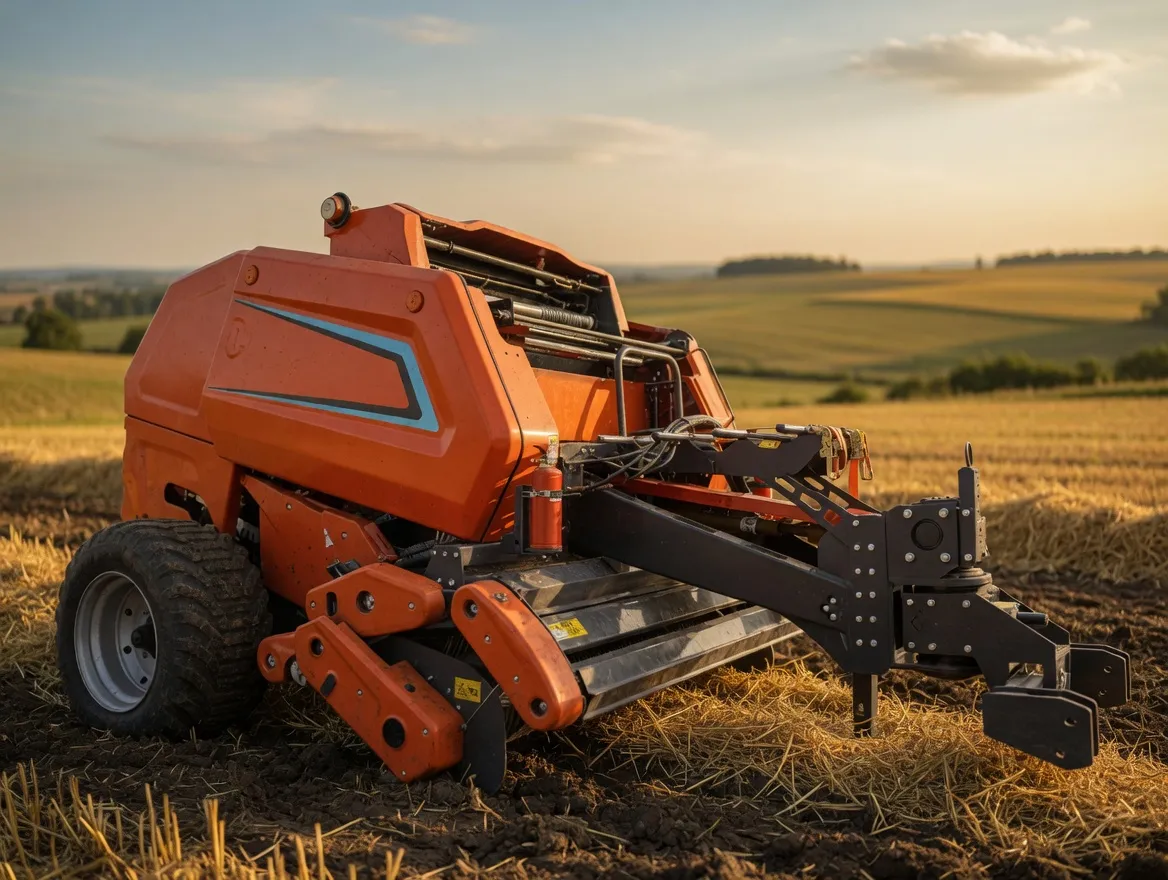
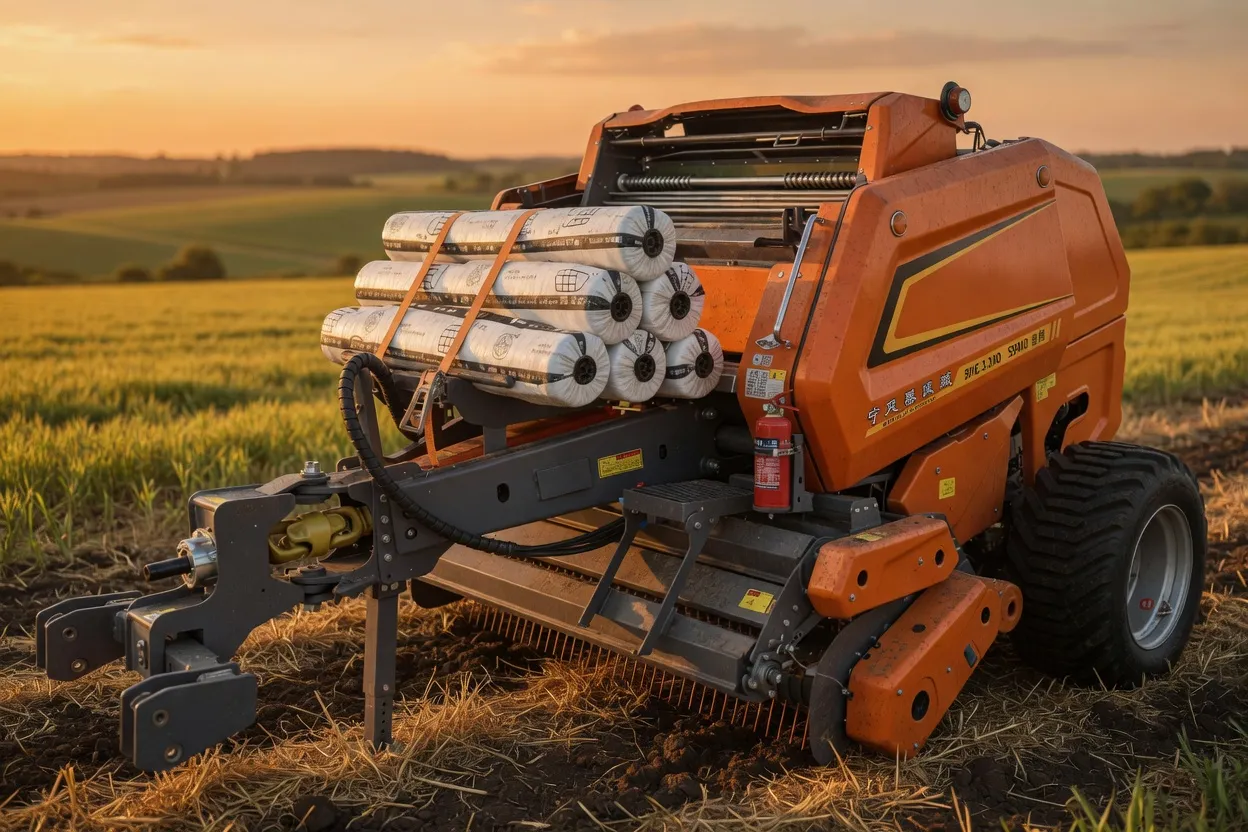
UN presse à ensilage has several characteristics that make its insurance needs slightly different from many other agricultural machinery items. Its value is concentrated in a single asset — $35,000–70,000+ for a quality commercial machine represents a significant insured value. Its use is seasonal and intensive — the machine may sit idle for 9–10 months of the year but operate in intensive, high-load conditions during the 6–8 week silage season, creating a very different risk profile across the calendar year than, for example, a hay rake used for shorter periods at lower loads. And it operates in the field — not in a shed — exposing it to the weather, terrain, and third-party accident risks that indoor machinery avoids.
Many Australian farm operators assume that their existing farm property insurance policy adequately covers all machinery on the property. This assumption is frequently incorrect — standard farm property policies may have sub-limits for individual machinery items, exclusions for machinery in operation, specific conditions around excess and agreed value that differ from what the owner assumes, and requirements around storage location and security that may not be met for machinery used in the field. Understanding exactly what your current policy covers and identifying any gaps is the starting point for making informed decisions about additional or revised coverage.
This guide covers the main insurance coverage types relevant to a silage baler, the specific risks that each addresses, the common gaps that Australian farm operators discover (usually at claim time, which is the worst time to discover them), and the questions to ask your insurance broker or adviser to confirm your coverage is adequate. For the presse à ensilage range including model-specific values for insurance purposes, visit the product pages ou contact the Charlton team.
The Main Coverage Types and What Each Addresses
Understanding the Insurance Products Relevant to Agricultural Machinery
Farm Property Insurance (Farm Pack / Broadform Farm Insurance)
The most common insurance vehicle for farm machinery in Australia is the farm property or farm pack policy, which typically provides cover for farm buildings, contents, fencing, livestock, and farm machinery under a single policy document. For machinery, these policies generally cover loss or damage from a specified list of insured events — which typically includes fire, lightning, explosion, storm, flood (depending on the product and region), malicious damage, and accidental damage in some products.
The critical questions for a silage baler under a farm property policy are: Is the baler scheduled as a specific item with its current market value, or is it covered under a general machinery sum? What is the single item limit — many farm property policies have per-item limits of $20,000–50,000 that may be below the replacement value of a commercial silage baler? Is accidental damage included or excluded? Is coverage limited to when the machine is on the farm property, or does it extend to being towed and operated in off-farm paddocks?
Machinery Breakdown Insurance
Machinery breakdown insurance covers the cost of repairing or replacing a machine that fails due to internal mechanical or electrical breakdown — the failure mode not typically covered by farm property insurance, which addresses external events (fire, storm, accident) rather than internal mechanical failure. For a silage baler, the relevant breakdown events would include gearbox failure, PTO shaft fracture, major bearing collapse causing secondary damage, and similar catastrophic internal failures.
Machinery breakdown insurance is typically sold separately from farm property insurance and is available from specialist agricultural insurers. It is most valuable for relatively new machines still within their productive life where a major breakdown event would represent a significant repair cost — for older machines or machines that are near the end of their service life, the premium cost relative to the machine’s remaining value may make this coverage less compelling. Wear and tear is typically excluded from machinery breakdown policies — the coverage is for sudden, unexpected failures rather than progressive degradation of worn components.
Public Liability Insurance
Public liability insurance covers the farm’s legal liability for personal injury or property damage caused to third parties as a result of the farm’s operations — including operations involving the silage baler. If the baler is towed on a public road and is involved in an accident that injures another person or damages another vehicle, public liability insurance is the coverage that responds to the resulting legal claim. Most Australian farm public liability policies provide coverage for on-farm operations and for road transit of farm equipment to paddocks.
If the silage baler is used for contract work for other farms — a common commercial arrangement discussed in earlier articles — the public liability coverage needs careful review. Contract work for remuneration may constitute a commercial activity that requires specific mention in the policy or an endorsement to confirm coverage. Operating under a standard farm liability policy while doing paid contract work for another farm without confirming coverage could result in a denied claim if an incident occurs during the contract operation. Always confirm with your insurer or broker that contract baling activities are covered under your current policy before commencing commercial work.
Transit Insurance
If the baler is transported on a trailer or flat-top between properties or to a service dealer, transit insurance covers loss or damage during that movement. Most farm property policies extend coverage to farm machinery being moved between properties on a regular basis, but may not cover machinery being transported to a dealer for service, machinery being transported beyond a specific radius from the farm, or machinery owned by another party that is being transported on your trailer. Check specifically whether the policy covers transit to service dealers and transit to other farms for contract work — these are the most common transit scenarios for silage balers. For advice on the full Ever-power silage baler range, visit the About page.
The Most Common Insurance Gaps for Silage Balers
What Australian Farm Operators Often Discover Only at Claim Time
❌ Gap 1: Under-Insurance from Stale Insured Values
The most common gap is simply having the machine insured at its original purchase price or a value set several years ago, while the current replacement cost has increased significantly with inflation and supply chain changes in the agricultural machinery market. A machine insured for $28,000 that now costs $45,000 to replace will produce a claim payout of $28,000 — leaving $17,000 of replacement cost unrecovered. Review machinery insured values annually and update them to current market replacement value, not original purchase price or tax book value.
❌ Gap 2: Per-Item Limits Below Machine Value
Many farm property policies include a per-item limit for unscheduled machinery — a cap on the maximum payout for any single item not specifically listed in the policy schedule. A standard per-item limit of $25,000–35,000 may be adequate for most individual farm tools but inadequate for a commercial silage baler. If your baler is not specifically scheduled as a named item in the policy, it may be subject to a general per-item limit that is significantly below its value. Request a policy review specifically focused on machinery item limits and schedule all machinery above the per-item limit as named items.
❌ Gap 3: Accidental Damage Exclusion
Standard farm property policies in Australia often cover fire, storm, and specified perils but may exclude “accidental damage” — the category that covers incidents like a baler rolling into a dam, being struck by a falling tree branch, or suffering impact damage from hitting a concealed rock in a paddock. Accidental damage cover is available as an extension or endorsement on most farm policies but is not automatically included. The cost of the extension is modest relative to the additional protection provided — confirm whether your policy includes it.
❌ Gap 4: Contract Work Not Covered
Farm policies typically cover the insured’s own farming operations. Using the baler for commercial contract work — baling for remuneration on another person’s property — may constitute a business activity outside the scope of a standard farm policy, potentially voiding coverage for incidents that occur during contract operations. This applies to both property damage (the baler being damaged) and liability (the baler causing damage to a third party). If custom baling is part of your operation, confirm explicitly with your insurer that this activity is covered and request written confirmation.
❌ Gap 5: Mechanical Breakdown Not Covered by Property Policy
Farm property insurance does not cover the machine’s own internal mechanical failure — it covers damage from external events. A gearbox that fails catastrophically and requires a $4,000 rebuild, or a bearing collapse that causes $8,000 of secondary damage, is not a property insurance claim — it is either a maintenance event (if from wear) or a machinery breakdown event (if sudden and unexpected). Deciding whether the cost and availability of machinery breakdown insurance is worthwhile for your specific machine and age is a separate question from property insurance — but confusing the two and assuming property insurance covers all mechanical events is a dangerous assumption.
Questions to Ask Your Insurance Broker or Adviser
The Specific Conversations to Have Before Assuming Coverage Is Adequate
📋 Silage Baler Insurance Review Checklist
- Is the silage baler listed as a scheduled/named item in the current policy?
- What is the current insured value, and does it reflect today’s replacement cost?
- What is the per-item limit for unscheduled machinery?
- Is accidental damage cover included or excluded?
- Does coverage extend to off-farm use (paddocks on neighbouring properties, paddocks accessed via public roads)?
- Is the machine covered during transit to service dealers and between properties?
- Does the policy cover the machine during contract baling for other farms for remuneration?
- What is the excess (deductible) for a machinery claim?
- Is the claim settlement basis agreed value or market value? (Agreed value is generally preferable — it eliminates depreciation arguments at claim time.)
- Is there a requirement for the machine to be stored in a locked shed when not in use? (Many policies have security conditions that are difficult to meet for field machinery.)
- Does the farm’s public liability policy cover third-party injury or property damage caused by the baler during operation?
Agreed Value vs Market Value: Why This Matters at Claim Time
The Policy Basis That Determines What You Actually Receive After a Loss
The settlement basis of a farm machinery insurance policy — agreed value versus market value — is one of the most important and most underunderstood aspects of farm insurance. Under an agreed value policy, the insurer and the farm owner agree on the machine’s insured value at the time the policy is written, and that agreed amount is what the insurer pays if the machine is written off — regardless of what the actual market value is at claim time. Under a market value policy, the insurer pays what the machine would have sold for in the market at the time of the loss, which may be significantly less than the replacement cost of an equivalent new machine.
For a silage baler, the agreed value basis is generally more appropriate because: the replacement cost of a new equivalent machine is what the farm owner actually needs to restore their production capability, not the market resale value of a used machine of the same age; and the insurance premium is calculated on the agreed value, so there is no hidden cost from choosing agreed value over market value — it simply means the premium accurately reflects the replacement cost the farm is actually being protected for. When reviewing machinery insurance, explicitly confirm whether the policy pays agreed value or market value and request agreed value if the current basis is market value.
Documentation That Supports Claims and Simplifies Policy Administration
What to Keep on File to Make Insurance Work When You Need It
Good documentation reduces the friction, delay, and potential for dispute in an insurance claim. The following items should be maintained on file for every insured silage baler and updated whenever changes occur:
📄 Purchase Documentation
Original purchase invoice or contract of sale, including purchase price, date, seller details, and machine serial number. This is the foundational document for establishing insured value and ownership in any claim.
📸 Current Condition Photos
Annual photographs of the machine in its current condition — all four sides, the chamber interior, the pickup head, and the belt system. Date-stamped photos establish pre-loss condition and support accurate assessment of damage extent in a claim.
🔧 Service and Repair Invoices
All service invoices, parts receipts, and repair invoices. These demonstrate maintenance compliance (relevant to some policy conditions), document the machine’s service investment, and support valuation of the machine’s condition relative to an unserviced equivalent.
💰 Current Market Valuations
Annual evidence of current market value — an asking price for a comparable machine from an agricultural machinery platform, a dealer’s indicative trade-in valuation, or a written assessment from a farm machinery assessor. Updated annually to support agreed value policy reviews.
Store copies of all documentation both physically (in a fire-resistant location) and digitally (cloud storage or email to yourself) — a claim event that destroys the machine may also destroy paper records stored nearby. For the serial number, photograph it on the machine’s identification plate annually and store the photo digitally with the purchase documentation. For silage baler machine serial number and specification documentation from Ever-power, contact the Charlton team.
Ever-Power: Supporting Australian Silage Baler Owners Through the Full Ownership Cycle
From Purchase Advice Through Parts Supply and Technical Support
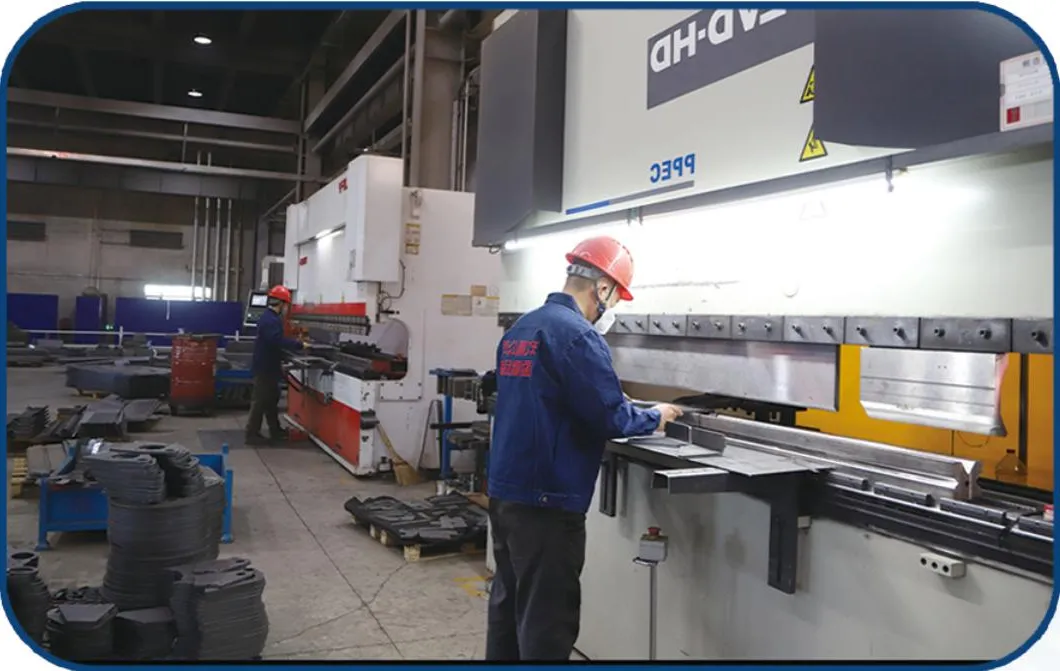
Properly insured, documented, and maintained silage balers from the Ever-power range provide Australian dairy and beef operators with the complete ownership experience — from the initial purchase price that makes the economics work through the local parts supply and technical support that keeps the machine in service throughout its ownership life. The Charlton team can provide machine specifications, serial number documentation, and parts pricing information that supports insurance valuations and claim processes for owners of Ever-power machines. For any questions about the current silage baler range and replacement value information relevant to insurance purposes, contact us directly.
Questions About Your Silage Baler?
Talk to Our Australian Silage Specialists
Charlton Industrial Area, Australia — machine specifications, current pricing, parts supply, and technical support for Australian silage baler owners.
Foire aux questions
Common Questions About Silage Baler Insurance

Australia Ever-power Forage Balers Co., Ltd.
📍 Charlton Industrial Area, Australia