
How the Pickup System Works — and Why It Fails
Understanding the Mechanics Before You Diagnose
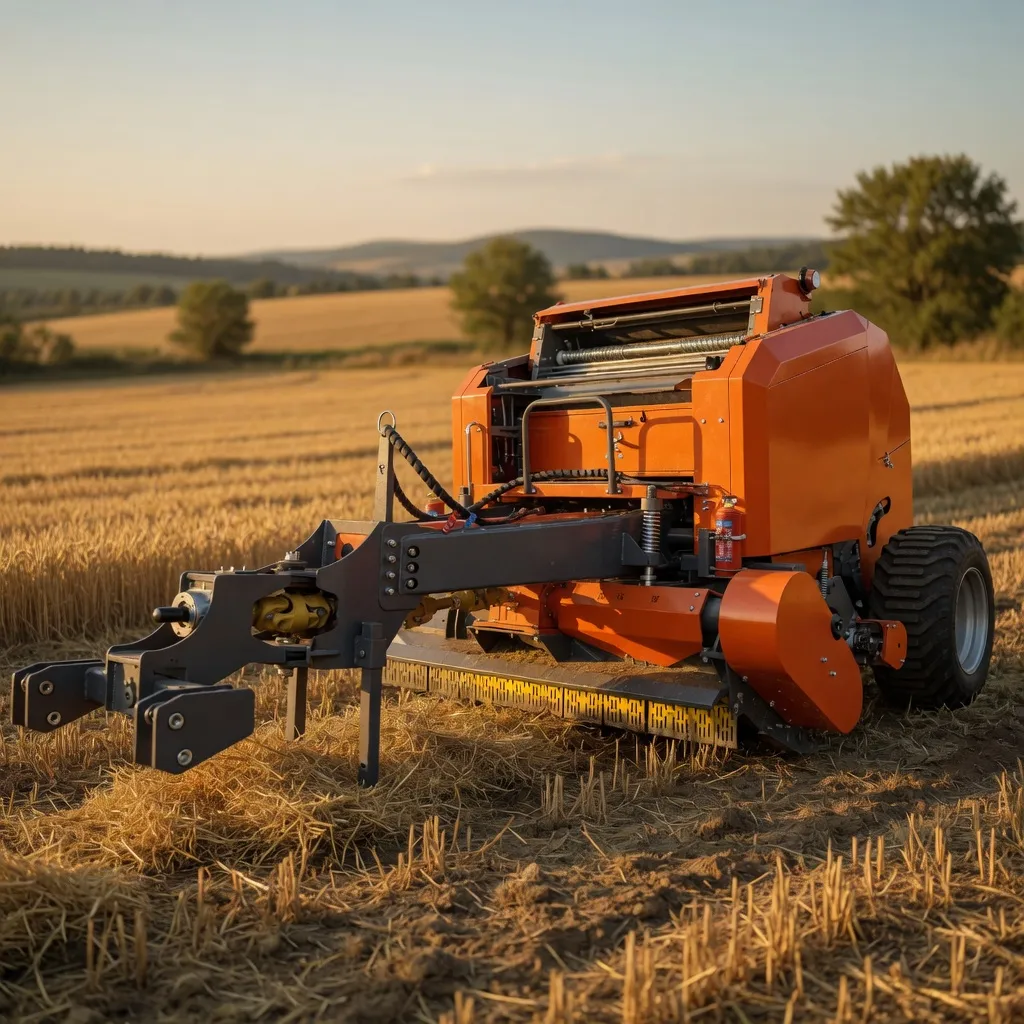
The pickup head on a empacadora de ensilaje is a deceptively simple mechanism that does an enormous amount of work under constant stress. A rotating reel carries rows of spring-steel tines that reach down through cam-controlled slots to lift crop from the windrow, pass it upward through the feed channel, and release it into the stuffer or directly into the bale chamber. The cam track controls tine retraction timing — tines extend at the bottom of the rotation to gather crop and retract at the top to release it cleanly into the feed zone. When any part of this sequence breaks down, the result ranges from missed crop to complete blockage.
What makes silage pickup operation more demanding than hay pickup is the material itself. Silage crops at 50–65% moisture are significantly heavier, more tangled, and stickier than dry fodder. They don’t flow freely over the pickup reel — they tend to mat and bunch, creating resistance that dry hay never produces. A tine geometry and spacing that works perfectly in dry pasture may be chronically overloaded in fresh-cut ryegrass. This is why pickup problems are disproportionately common in silage operations, and why they need a different diagnostic lens than those applied to hay baling equipment.
This guide covers the six most common silage baler pickup problems — from worn tines and incorrect height settings to cam track wear and drive failures — and provides clear diagnostic steps for each. Whether you’re running a compact small silage baler on a mixed property or a high-capacity unit on a commercial dairy farm, the principles apply across the full range of machine types. Related issues such as feed throat blockages are covered in our guide on silage baler blockage diagnosis; this article focuses specifically on the pickup mechanism itself.
Problem #1 — Worn, Bent, or Missing Pickup Tines
The Most Visible and Most Frequently Overlooked Failure
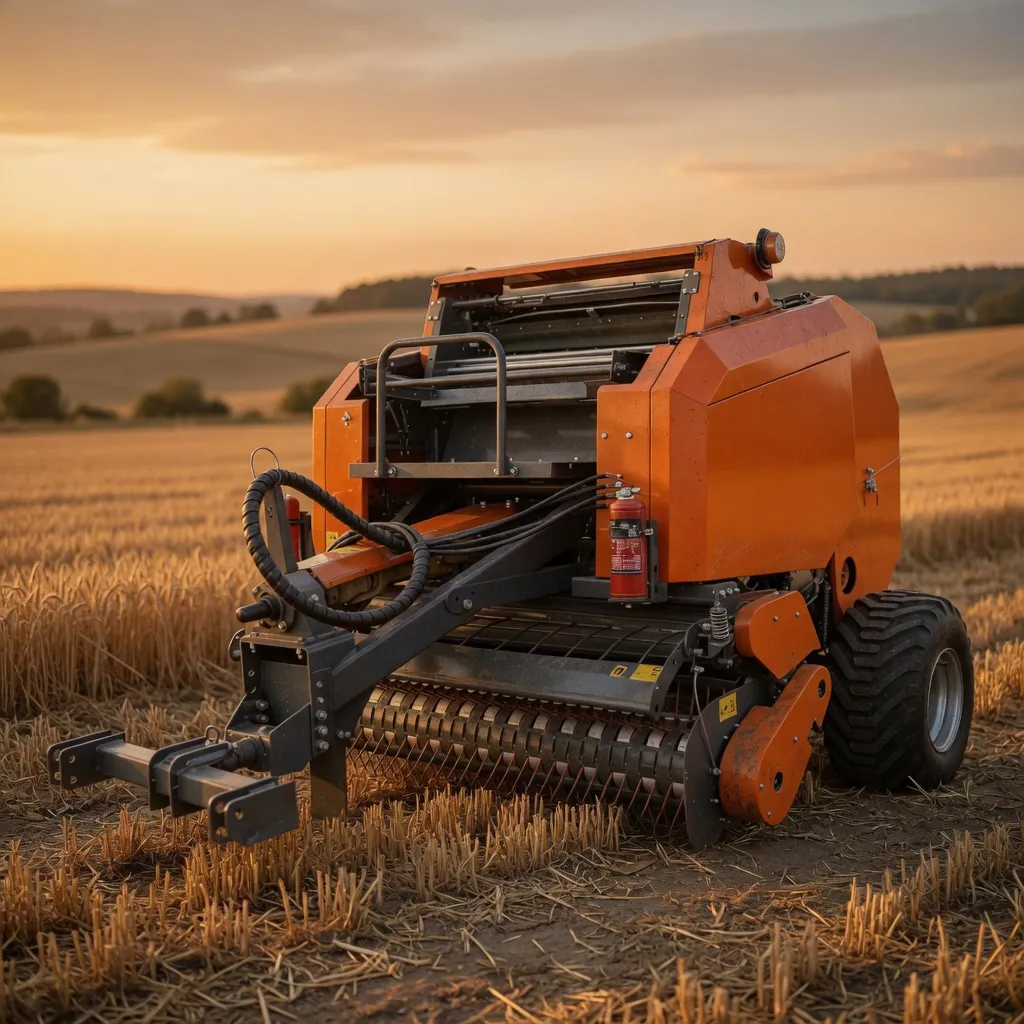
Pickup tines are the most wear-exposed component on the entire silage baler machine. They make contact with the ground on every pass, encounter stones, soil clods, wire fragments, and dense crop stems thousands of times per hour. Spring-steel tines fatigue with repeated loading and eventually take a permanent set — they no longer spring back to their original profile, which means they no longer reach the correct depth at the bottom of the rotation to gather crop cleanly. A tine that is 15mm shorter than its original profile lifts noticeably less material per revolution, and when several tines in the same row are worn, the result is a visible stripe of missed crop in the windrow behind the machine.
Diagnosing Tine Wear
The clearest field indicator of tine wear is a consistent strip of ungathered material left along the windrow centreline or at one side — this maps directly to the position of worn or missing tines across the pickup width. A more precise check involves measuring tine profile against the manufacturer’s minimum dimension specification, typically found in the operator manual. For most standard spring-steel designs, replacement is recommended once the tine tip has worn to within 80% of its original length, or when any visible bend of more than 10 degrees from the nominal angle is observed. Even a single missing tine creates a gap in the pickup pattern that compounds into feed inconsistency at the bale chamber level.
Bent Tines from Impact and Blockage Events
Beyond gradual wear, tines are frequently bent by sudden impact with stones or hard clods in the windrow. A single stone strike can deflect a tine enough to change its clearance through the cam slot from the designed 5–8mm to near-zero, causing it to drag against the housing on each rotation and generating a distinct metallic scraping noise. Operators who learn to recognise this sound can identify a bent tine before it causes secondary damage to the cam track. The correct response is to stop, remove the damaged tine, and replace it immediately — never attempt to straighten a bent spring-steel tine in the field, as the stress damage from bending makes it prone to sudden fracture under load.
✅ Diagnosis & Fix: Tine Condition
- Walk the full pickup width before every session — visually inspect each tine for bends or missing units.
- Check for missed crop strips in the windrow after the first 100m of operation — maps directly to worn tine rows.
- Listen for metallic scraping during operation — indicates a bent tine dragging on the cam slot housing.
- Replace tines as a full row set, not individually — mixed wear across a row causes uneven crop lift.
- Carry a minimum of one spare tine set in the field tractor toolbox during intensive silage campaigns.
Problem #2 — Incorrect Pickup Height Setting
A 20mm Difference That Changes Everything About Crop Intake
Pickup height is one of the most impactful and most frequently misconfigured settings on a silage baler. The height determines how close the tine tips pass to the ground at the bottom of their rotation, and therefore how much of the windrow material they actually contact. Set too high, the tines skim across the top of the windrow, leaving significant crop volume on the ground — particularly the denser lower layer of a thick first-cut grass windrow. Set too low, the tines drag soil into the pickup, contaminating the bale with mineral ash that reduces feed quality and damages the silage fermentation process.
Height Settings for Different Conditions
| Crop / Condition | Recommended Height | Reason |
|---|---|---|
| Short pasture (under 150mm) | 25–30mm | Maximise tine contact with short-stemmed material |
| Standard grass windrow | 30–40mm | Balanced crop contact with minimal soil ingestion |
| Long-stem crops (corn silage, cereal) | 40–50mm | Prevent stem bridging across lower pickup slot |
| Rocky or uneven ground | 45–55mm | Protect tines from stone impact; accept minor losses |
| After heavy rain (soft ground) | 35–45mm | Prevent tines from digging into softened soil surface |
One commonly missed aspect of pickup height management is the difference between static setting and dynamic operating height. The pickup float system — whether mechanical spring float or hydraulic float — allows the pickup to follow ground contours during operation. If the float spring tension is set too stiff, the pickup rides high over undulations and misses crop in the hollows. Too soft and the pickup drags on the surface in soft ground, ingesting soil and risking tine damage. Both extremes produce the same visible symptom — inconsistent crop intake — but require opposite adjustments to correct.
✅ Diagnosis & Fix: Pickup Height
- Check static height with a flat ruler at the lowest point of tine travel — adjust to suit crop type from the table above.
- Observe from the rear of the machine during the first 50m of operation — look for consistent ground clearance.
- Adjust float spring tension so the pickup follows light undulations without dragging or bouncing.
- Re-check and reset height whenever switching between crop types — lucerne and grass have very different stem profiles.
- After any significant stone strike, re-measure height — impact can alter the float arm geometry.
Problem #3 — Cam Track Wear and Tine Release Timing Failure
When the Tine Retraction Sequence Breaks Down
The cam track is the fixed profiled channel that controls when tines extend and retract during each rotation of the pickup reel. In a correctly functioning system, the cam ensures that tines extend fully at the bottom of rotation to gather crop and retract smoothly at the top to release it into the feed channel without dragging it back down. As the cam track wears — typically at the release zone where tine retraction begins — the retraction timing shifts, and tines begin releasing crop too early or too late. The result is poor crop transfer efficiency: material that should be feeding cleanly into the bale chamber is instead being carried partway up the pickup and dropped back onto the windrow.
Cam track wear is insidious because it develops slowly and the symptoms — reduced intake efficiency, more crop left in the windrow behind the machine — are easy to attribute to other causes such as tine wear or moisture levels. The diagnostic indicator that points specifically to cam wear is visible crop movement at the top of the pickup reel: look for material being lifted to three-quarter reel height and then falling back, rather than transferring cleanly forward into the feed zone. This is distinct from tine-related missed crop, which happens at the base of the reel rather than the top.
Cam Track Inspection Procedure
With the machine stationary, PTO disengaged, and tractor key removed, manually rotate the pickup reel slowly and observe each tine as it passes through the retraction zone. A worn cam track will produce noticeably uneven tine retraction — some tines will retract sharply and correctly while others hesitate or retract at a slightly different point in the rotation. Measure the cam groove width at the release zone; wear beyond the manufacturer’s tolerance typically means the cam plate needs replacement. This is a pre-season inspection task rather than a reactive one — cam replacement before it causes crop losses is significantly cheaper than the feed value lost through a full cutting season of reduced pickup efficiency.
✅ Diagnosis & Fix: Cam Track
- Look for crop being lifted then dropped back at the top of the reel — the signature of cam release timing failure.
- Manually rotate the reel and check for uneven tine retraction timing across all rows.
- Measure cam groove width at the release zone against manufacturer specification — replace if beyond tolerance.
- Inspect cam track pre-season rather than reactively — replacement is straightforward when planned.
- Apply light grease to the cam follower pins at each service interval to reduce groove wear rate.
Problem #4 — Pickup Drive Chain or Shaft Failures
When the Pickup Reel Stops Turning or Turns Unevenly
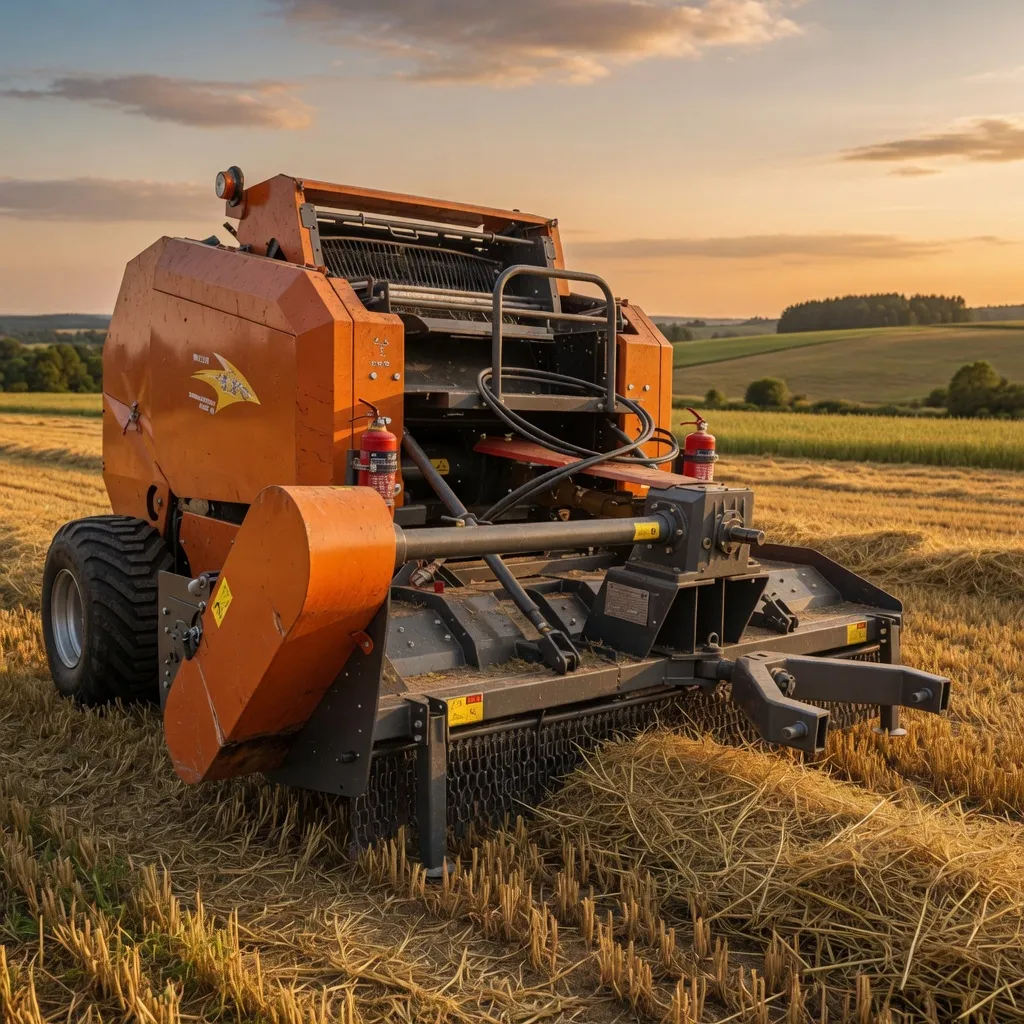
The pickup reel is driven from the main baler driveline through a chain or gearbox — depending on machine design — that transmits rotation from the PTO-powered shaft to the pickup reel spindle. A stretched or worn drive chain will cause erratic reel speed: the pickup appears to be turning but is actually decelerating and re-accelerating with each chain slap cycle. The practical effect is a surge-and-stall intake pattern that creates bunching in the feed channel. Operators often misidentify this as windrow density variation when the actual cause is chain stretch introducing speed variation in the pickup reel itself.
Chain Stretch Diagnosis
Chain stretch can be measured directly using a chain wear gauge or by counting a fixed number of chain links and comparing the measured span against the manufacturer’s new-chain specification. Most agricultural roller chains are considered worn when elongation reaches 3% — at this point, the chain will ride up on sprocket teeth rather than seating correctly, which accelerates sprocket wear dramatically. In a silage baler operating in a wet, gritty environment, chain wear typically progresses two to three times faster than in dry hay service, making pre-season chain measurement a worthwhile 10-minute investment.
Pickup Shaft Bearing Wear
The pickup reel spindle bearings are exposed to field contamination and wet crop juice throughout their service life. A bearing developing play will allow the reel to wobble slightly on its axis, changing the tine clearance through the cam slot inconsistently around the circumference. One half of the reel may be operating at correct clearance while the opposite half is dragging on the housing. This produces a characteristic alternating miss-gather pattern in the windrow — crop is left every second or third rotation on the same side of the machine. Detecting play in the pickup shaft bearings is a matter of pushing laterally on the reel spindle by hand with the machine stopped — more than 1–2mm of lateral movement indicates bearing replacement is needed.
✅ Diagnosis & Fix: Drive Chain & Shaft
- Measure chain stretch with a wear gauge pre-season — replace at 3% elongation, before sprocket damage occurs.
- Inspect chain tension and lubrication weekly during silage season — wet environment accelerates wear.
- Check for lateral play in the pickup reel spindle by pushing sideways by hand — replace bearings if movement exceeds 2mm.
- Observe for alternating missed-crop patterns on one side — points to bearing play rather than tine wear.
- Listen for chain slap noise at operating PTO speed — a clear indicator of excessive stretch.
Problem #5 — Crop and Twine Wrapping on the Pickup Shaft
The Silent Problem That Grows Until It Stops the Machine
Crop wrapping on the pickup reel spindle and drive shaft is one of the most underdiagnosed causes of progressive pickup performance decline in silage operations. Unlike a sudden blockage or a snapped tine, shaft wrapping develops gradually over a working day. Fine silage stems, loose crop ends, and any twine or net wrap fragments that enter the pickup path wind around the rotating shaft and accumulate into a dense, hard mass that grows with each passing minute. The initial effect is slight — a barely perceptible increase in drive resistance — but as the mass grows, it begins to restrict tine clearance, alter reel balance, and eventually apply enough drag force to cause the pickup shear bolt to fail under what appears to be a normal operating load.
Silage crops are particularly prone to causing shaft wrapping compared to dry hay because the higher moisture content makes fine stems flexible and adhesive rather than brittle. In dry hay, fine material tends to break off and drop rather than winding on. In silage crops, it winds on and stays. Fields with any history of previous baling twine or net wrap fragments are especially high-risk — a single 30cm length of old twine entering the pickup can initiate a wrapping event that accumulates a significant mass within one or two bales. For operations on silage baler for dairy farm setups where multiple cuttings per year are normal, shaft wrapping inspection should be part of the end-of-day routine rather than a reactive response.
Clearing Shaft Wrapping Safely
Removing wrapped crop and twine from the pickup shaft requires the machine to be completely stopped — PTO disengaged, engine off, key removed. The wrapped mass is typically dense and tightly compacted; cutting through it with a sharp knife from the outer edge inward before unwinding is far more effective than attempting to pull it off as a whole. Work systematically around the shaft circumference, cutting the outer wrap layer and then removing it in sections. Always use a knife rather than pulling with bare hands — twine embedded in the mass can cause rope-burn injuries when under tension, and the shaft surface itself is often sharp from accumulated debris.
✅ Diagnosis & Fix: Shaft Wrapping
- Inspect the pickup shaft at every 2-hour interval during silage season — remove wrapping before it becomes dense.
- Check after any unexpected shear bolt failure — wrapping is frequently the true cause of apparent overload events.
- Walk fields for old twine and net wrap fragments before cutting — prevention is faster than clearing.
- Use a knife to cut through wrapped material in sections — never attempt to pull wrapped twine with bare hands.
- After clearing, re-grease the pickup shaft bearing — wrapping often dislodges the sealing contact on the bearing housing.
Problem #6 — Windrow Width and Density Mismatch
When the Problem Is Before the Baler, Not Inside It
Not every pickup problem originates in the pickup itself. A significant proportion of pickup underperformance in silage operations is caused by windrow characteristics that place the crop outside the machine’s optimal intake envelope. Windrow width that doesn’t match pickup head width is the most common external cause — a narrow windrow deposits all material in the centre third of the pickup, creating a high-density centre feed with virtually nothing at the sides. The result is asymmetric bale formation, centre-overloading of the feed channel, and a chronic tendency toward off-centre blockages that look like pickup problems but are actually a raking setup issue.
Windrow density variation is equally disruptive. A windrow formed by a rake that pauses, accelerates, or changes direction will have sections of high density alternating with gaps. When a high-density section hits the pickup, intake rate spikes momentarily beyond the machine’s feed capacity, and a brief pickup overload occurs. These micro-overloads may not cause a full blockage, but they do cause tine bending, chain slap, and erratic feed into the bale chamber that affects bale density consistency. Using a well-matched rake — such as the Rastrillo lateral remolcado 9LH-12 or the Rastrillo de rueda de dedo 9LZY-9.0 — creates windrows that feed consistently into the baler at the design intake rate.
❌ Windrow Issues Causing Pickup Problems
- Width less than 70% of pickup head
- Alternating dense and thin sections
- Debris (wire, plastic) mixed in windrow
- Uncut stubble catching on tines
- Windrow laid on soft, wet ground — tines dig in
✅ Windrow Conditions for Clean Pickup
- Width at 80–90% of pickup head
- Uniform density from single-pass rake
- Field cleared of old twine and wire
- Crop wilted to below 65% moisture
- Windrow height consistent, not lumped
Systematic Pickup Diagnosis: Read the Symptoms First
Match Your Observation to the Root Cause Before Reaching for Tools
| What You See | Most Likely Cause | First Check |
|---|---|---|
| Consistent strip of missed crop in windrow | Worn or missing tines in one row | Walk the pickup width — inspect tine condition |
| Crop lifted then dropped back at top of reel | Cam track wear — late tine retraction | Manual reel rotation, observe retraction sequence |
| Alternating missed crop — one side of machine | Pickup shaft bearing wear — reel wobble | Push laterally on pickup spindle — check play |
| Surge-and-stall intake, no windrow density change | Drive chain stretch — erratic reel speed | Measure chain elongation; listen for chain slap |
| Shear bolts failing without obvious overload | Crop/twine wrapping on pickup shaft | Inspect pickup shaft and spindle for wrapped material |
| General reduced intake vs previous sessions | Pickup height too high for current crop | Check static height setting, lower by 5mm increments |
| Centre-feed bales, thin sides | Windrow narrower than pickup head | Measure windrow width vs pickup width — adjust rake |
Pickup Maintenance Schedule for Silage Season
Prevention Timetable for Reliable Pickup Performance
A proactive pickup maintenance schedule is the most cost-effective way to prevent the problems described in this guide. The silage operating environment — wet crop, gritty debris, corrosive plant acids — accelerates component wear at every point in the pickup system. Maintenance intervals that protect a dry hay baler for a full season may only cover two or three cuttings in silage service. For operators running multiple silage cuttings per year, as is common on Australian dairy properties, the following schedule reflects realistic service intervals for the silage environment specifically. More detailed information about our product range and service support is available on the About Us page.
| Pickup Maintenance Task | Daily | Weekly | Pre-Season |
|---|---|---|---|
| Visual tine inspection — check for bends or missing tines | ✓ | ||
| Inspect pickup shaft for crop/twine wrapping | ✓ | ||
| Grease pickup shaft bearings and cam follower pins | ✓ | ||
| Check and adjust pickup drive chain tension | ✓ | ||
| Measure chain stretch with wear gauge | ✓ | ||
| Full tine set replacement (if worn to 80% original length) | ✓ | ||
| Cam track groove width measurement and inspection | ✓ | ||
| Pickup shaft bearing play check and replacement if needed | ✓ |
Matching Your Rake to Your Baler for Cleaner Pickup
Upstream Equipment Choice Directly Affects Pickup Performance
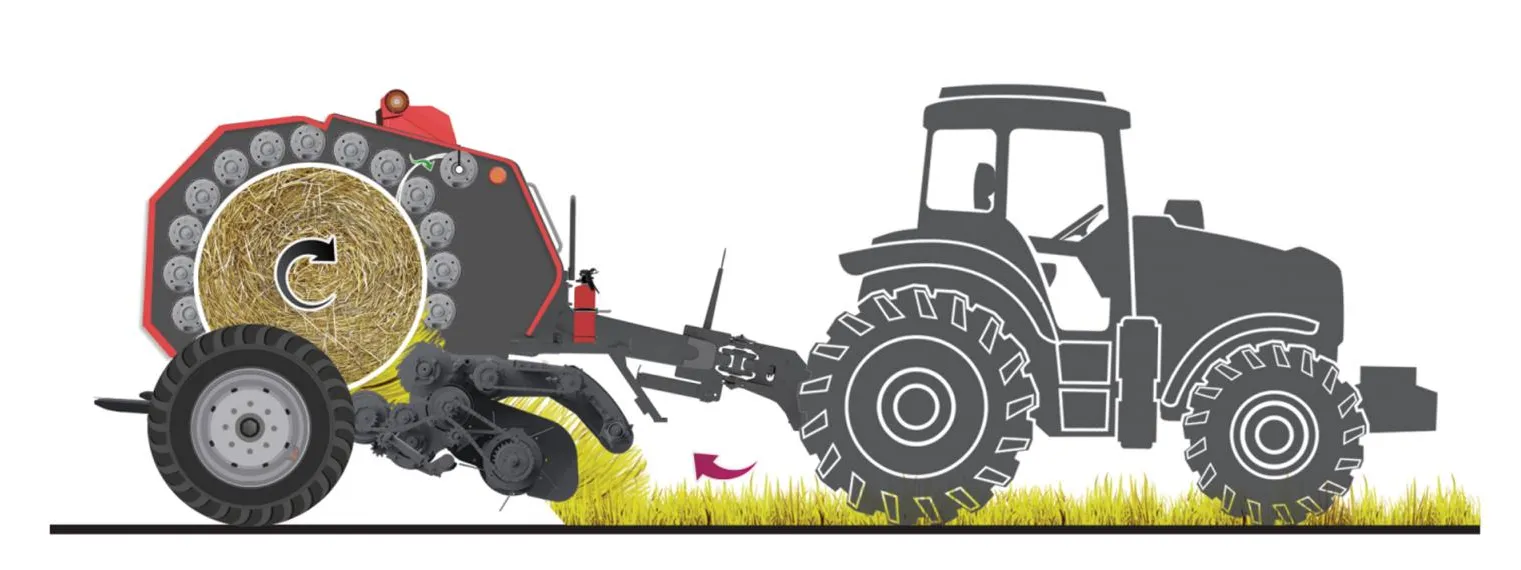
One of the most overlooked contributors to pickup problems is the disconnect between rake output width and baler pickup width. Farmers often use whatever rake is available without checking whether its working width produces a windrow appropriate for their baler. The ever-power range of finger wheel rakes y lateral rakes is designed with silage baler feed requirements in mind — producing consistent windrow widths that match the intake envelope of each baler model in the lineup. Pairing the correct rake with your baler removes the single biggest external variable in pickup performance and significantly reduces the time spent diagnosing problems that originate upstream of the machine.
The mowing stage matters equally. A mower-conditioner that crimps the crop stem produces a more uniform windrow layer with better airflow for wilting — and wilted crop at 55–60% moisture feeds through the pickup head far more cleanly than unconditioned material at 70%+. The investment in a conditioning mower pays dividends at the pickup head on every bale through reduced blockage frequency, lower tine wear, and more consistent bale formation. For operators considering upgrading their full harvest chain, the Ever-power team can advise on matched mower-rake-baler combinations for specific crop types and property sizes.
Why Ever-Power Pickup Systems Are Built for Silage Demands
Engineering Choices That Reduce Pickup Problems at the Source
When searching for a silage baler for sale in Australia, the pickup system specification is a detail worth examining closely. Ever-power machines use spring-steel tine formulations developed for high-moisture crop service — harder alloy compositions that resist the permanent set that causes gradual wear-related intake losses. The cam track profiles are machined to tighter tolerances than standard dry hay designs, maintaining retraction timing accuracy for longer across the high-load silage operating environment. For anyone managing a silage baler for dairy farm operation with multiple annual cuttings, the reduced tine replacement frequency and lower cam track wear rate translate directly into lower operating cost per bale over the machine’s working life.
Silage-Grade Tine Alloy
Harder alloy composition resists permanent set in high-moisture, high-load silage service conditions.
Precision Cam Track
Tighter tolerance machining maintains accurate tine retraction timing across the full silage season.
Sealed Shaft Bearings
IP-rated sealed bearings on pickup reel spindles resist plant acid ingress and corrosion in silage environments.
Local Parts Stock
Australian-stocked tines, cam tracks and bearings — no extended import lead times when you need them in-season.
Need Pickup Parts or Technical Advice?
Talk to Our Silage Baler Specialists
Charlton Industrial Area, Australia — tines, cam tracks, chain sets and diagnostic support available for all Ever-power models.
Preguntas frecuentes
Common Questions About Silage Baler Pickup Problems

Australia Ever-power Forage Balers Co., Ltd.
📍 Charlton Industrial Area, Australia