
Por qué la forma de la paca afecta directamente la calidad del ensilaje
Más que un problema estético
Un fardo irregular o deforme de su empacadora de ensilaje No se trata simplemente de un inconveniente. La forma de la paca determina la uniformidad con la que la película estirable se envuelve alrededor de la circunferencia: una paca con protuberancias prominentes o lados planos crea bolsas de aire debajo de la película en cada irregularidad de la superficie. Estas bolsas de aire son puntos de entrada para el oxígeno, y el oxígeno en una paca de ensilaje desencadena el deterioro aeróbico. El valor nutritivo perdido debido a una capa exterior deteriorada en una paca con protuberancias puede llegar a ser de 10 a 151 TP3T del total de la paca, multiplicado por cada paca producida durante un corte. Para las explotaciones lecheras que dependen de una ingesta constante de materia seca proveniente del ensilaje, la variación que conlleva la densidad irregular de la paca también afecta la precisión de la formulación de la ración.
Más allá de la calidad del alimento, las pacas abultadas crean problemas prácticos en cada etapa de manipulación. No se apilan de manera uniforme: una paca base abultada hace que la pila superior se incline, creando un riesgo de colapso durante el almacenamiento. Ruedan de forma impredecible cuando se mueven con una horquilla para pacas, y la superficie de contacto irregular significa que la película de envoltura experimenta cargas puntuales más altas que aumentan el riesgo de perforación durante el transporte. Comprender qué causa las pacas abultadas en una máquina empacadora de ensilaje Por lo tanto, se trata de una cuestión que atañe a la calidad del pienso, la seguridad alimentaria y la eficiencia de la explotación agrícola al mismo tiempo.
Las causas de la formación irregular de las pacas se dividen en cuatro categorías principales: alimentación inconsistente del cultivo a la cámara, problemas mecánicos en la cinta transportadora y el rodillo, ajustes incorrectos de la presión en la cámara de empacado y problemas de humedad del cultivo. Cada una produce un patrón de grumos distintivo que permite un diagnóstico preciso; saber qué patrón se observa permite identificar la causa raíz antes de abrir cualquier panel de acceso.
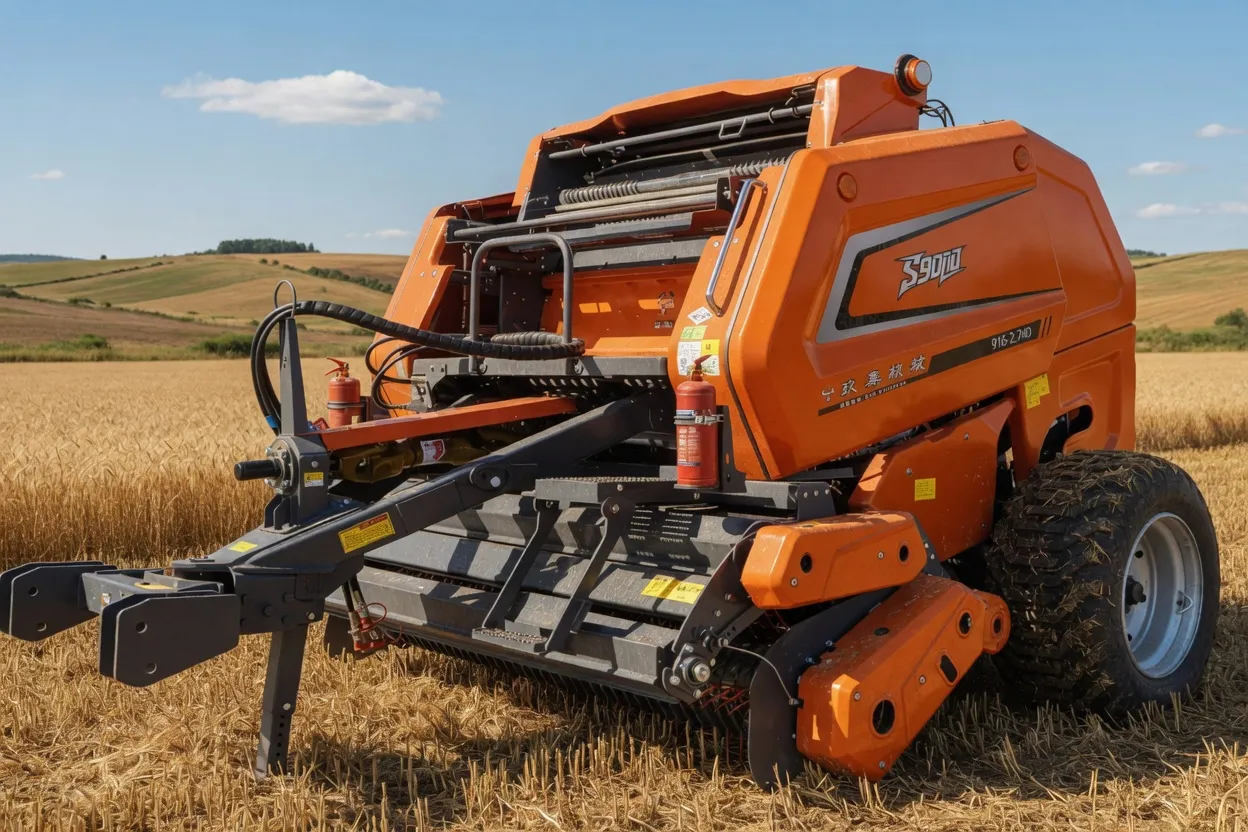
Causa #1: Alimentación desigual del cultivo a la cámara de empacado.
La fuente más común de pacas de ensilaje grumosas
La formación de pacas redondas requiere un flujo continuo y uniforme de material vegetal que ingrese a la cámara de empacado desde todo el ancho del cabezal de recogida. Cuando el material ingresa en oleadas —alternando entre grandes cantidades densas y zonas delgadas— el núcleo de la paca se forma de manera irregular. Las grandes cantidades densas crean zonas de alta presión en la paca en formación que empujan hacia afuera, mientras que las zonas delgadas permiten que la superficie de la paca se hunda hacia adentro antes de que llegue la siguiente cantidad. El efecto acumulativo de la alimentación repetida en oleadas y espacios es una paca con una circunferencia que presenta crestas y depresiones que corresponden al momento de cada oleada de alimentación: la clásica "paca irregular" que los operadores reconocen en el campo.
Variación de la densidad de la hilera
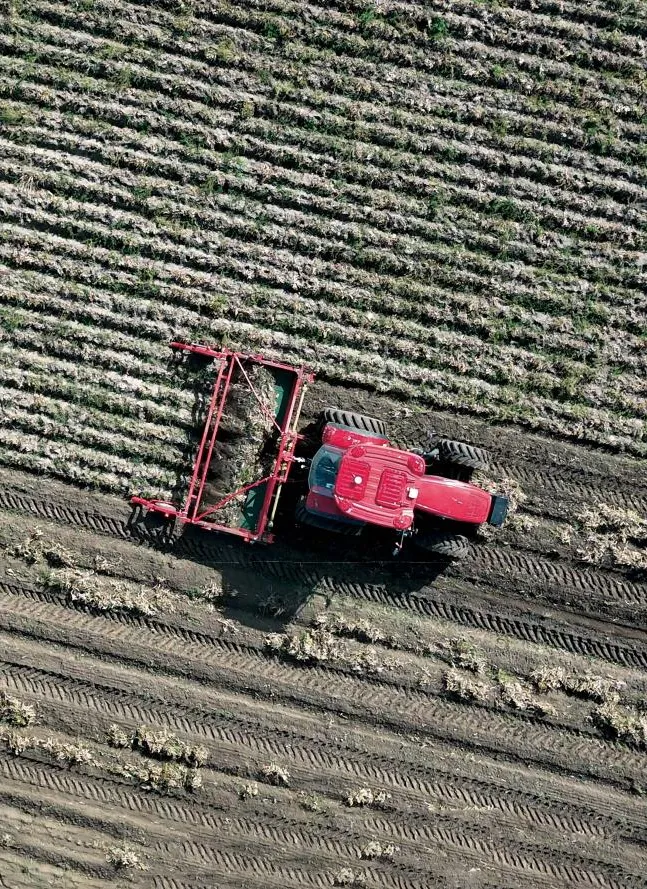
La densidad de la hilera es la causa principal de la mayoría de los eventos de alimentación repentina. Una hilera formada por un rastrillo que aceleraba o desaceleraba a intervalos —algo común al girar en las cabeceras— tiene secciones de alta densidad donde se acumuló material durante el giro lento y secciones de baja densidad en el tramo recto. La empacadora procesa estos cambios de densidad como picos de carga repentinos seguidos de períodos de alimentación insuficiente, y la paca registra cada evento como una irregularidad en la superficie. rastrillo de rueda dentada o rastrillo lateral remolcado Una velocidad de desplazamiento constante produce una densidad de hilera más uniforme que alimenta la empacadora sin el patrón de oscilación.
Alineación descentrada de la toma de corriente
Cuando la empacadora no se alinea directamente con el eje central de la hilera, el material entra en el recolector de forma asimétrica, con mayor cantidad en un lado que en el otro. La cámara de empacado recibe entonces una alimentación sesgada, lo que provoca una acumulación de material más denso en un lado y una pérdida de densidad en el lado opuesto. El resultado es una paca más alta en una cara y más baja en la otra, con un perfil en forma de "D" en lugar de la sección transversal circular que debería tener. Compruebe la alineación de la empacadora observando la posición del recolector con respecto al eje central de la hilera desde la cabina del tractor y ajuste la alineación del tractor o la posición de la hilera para lograr una alimentación simétrica en todo el ancho del recolector.
✅ Corrección: Consistencia en la alimentación de los cultivos
- Rastrille a una velocidad constante y continua; evite las paradas y arranques que creen variaciones de densidad en la hilera.
- Siga la línea central de la empacadora directamente sobre la hilera; ajuste la línea del tractor para mantener una alimentación simétrica.
- Ajuste el ancho de la hilera a 80–90 % del ancho del cabezal de recogida para una distribución uniforme en toda la zona de admisión.
- Reduzca la velocidad de desplazamiento en cultivos de primera cosecha densos; permita que la tasa de entrada se ajuste a la densidad de la hilera.
- Utilice una segadora acondicionadora para obtener una capa de cultivo más uniforme antes de rastrillar; los tallos acondicionados fluyen de manera más homogénea.
Causa #2: Desequilibrio en la tensión de la correa y problemas de alineación.
Cuando el accionamiento de la cámara deja de comprimir uniformemente
En una empacadora de ensilaje con transmisión por correa, la paca se forma contra la superficie de varias correas paralelas que se desplazan sobre una serie de rodillos. Cada correa aplica una fuerza de compresión a la paca en formación, y la calidad de dicha compresión —su uniformidad a lo ancho de la paca— depende completamente de que todas las correas mantengan la misma tensión. Cuando una o más correas se estiran más que las demás, pierden tensión o comienzan a desviarse del centro de los rodillos, su contribución a la compresión de la paca disminuye. La paca desarrolla una menor densidad en la zona cubierta por la correa floja y una mayor densidad donde las correas restantes mantienen la tensión completa. Esto crea una superficie de paca irregular y con relieve que se corresponde directamente con la posición de las correas dentro de la cámara.
Diagnóstico del desequilibrio de la tensión de la correa
Con la máquina detenida y aislada de forma segura, empuje manualmente cada correa en el punto medio entre dos rodillos. La tensión correcta debe producir una deflexión mínima, generalmente de 10 a 15 mm con una presión manual moderada, como se especifica en el manual del operador. Una correa que se desvía significativamente más que las adyacentes está estirada o tiene un tensor averiado. Debido a que las correas para ensilaje soportan cargas sostenidas más altas que las equivalentes para heno seco, es común que se produzca un estiramiento desigual en un mismo conjunto: las correas expuestas al mayor peso de la paca (normalmente los rodillos inferiores) se estiran más rápido que las que se encuentran en posiciones superiores.
Seguimiento de la correa y desgaste de los bordes
Una correa que se desplaza descentrada sobre sus rodillos tiende a moverse gradualmente hacia un borde, lo que provoca una compresión desigual en la zona de contacto de la correa. Si no se corrige, el borde de la correa comienza a rozar con la correa adyacente o con la brida del extremo del rodillo, lo que acelera el desgaste del borde y, finalmente, provoca su delaminación. Para comprobar la alineación de la correa, observe su posición sobre los rodillos durante un funcionamiento lento con la toma de fuerza (TDF) activada y sin cultivo en la máquina; cada correa debe mantenerse centrada sobre todos sus rodillos durante todo el ciclo de rotación. El ajuste de la alineación se realiza normalmente mediante los tornillos de ajuste de alineación de los rodillos en el bastidor trasero; consulte el manual del operador para conocer la secuencia específica.
✅ Solución: Tensión y alineación de la correa
- Compruebe la tensión de las correas individualmente en el punto medio; si alguna correa se deforma significativamente más que las demás, sustitúyalas por completo.
- Nunca mezcle correas viejas y nuevas: la diferencia de tensión entre un juego mixto provoca el mismo patrón de bultos que una correa desgastada.
- Observe el seguimiento de la correa durante un funcionamiento lento de la toma de fuerza sin cosecha; ajuste la alineación de los rodillos si alguna correa se desvía del centro.
- Limpie las superficies de la cinta transportadora y todos los rodillos al final de cada día; los residuos de ensilaje reducen el agarre de la cinta y provocan una compresión desigual.
- Compruebe la rigidez de los muelles tensores de la polea tensora: un muelle debilitado reduce la tensión de la correa progresivamente sin ningún indicador visible.
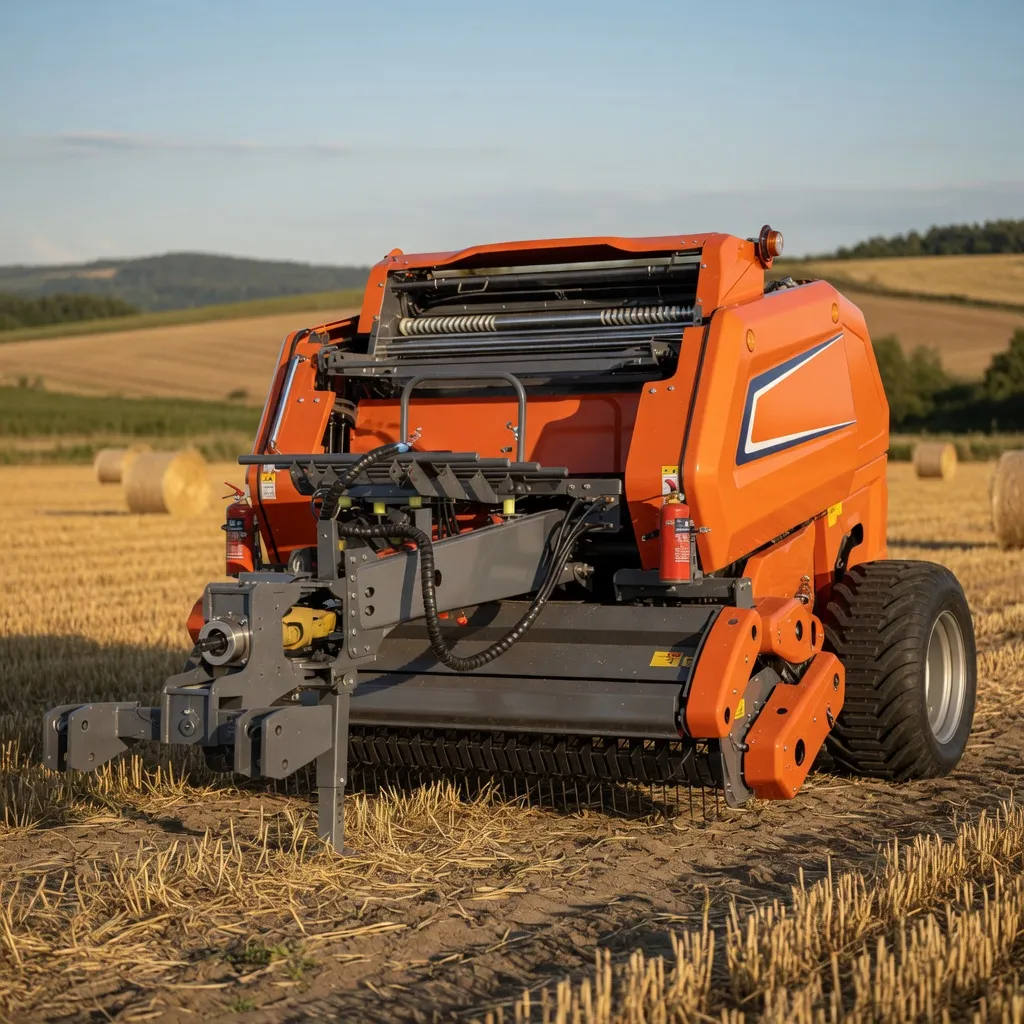
Causa #3: Humedad del cultivo fuera del rango óptimo.
Demasiado húmedo o demasiado seco: ambos producen fardos irregulares por diferentes razones.
La humedad del cultivo es la variable más influyente en la calidad de la forma de la paca. Los cultivos para ensilaje con el nivel de humedad adecuado (de 50 a 65 TP3T) se comprimen de forma predecible bajo la presión de la cámara: el material es lo suficientemente flexible como para adaptarse a la geometría de la cámara sin recuperar su forma original, y lo suficientemente denso como para formar un núcleo de paca firme y bien redondeado. Fuera de este rango, el comportamiento físico del cultivo bajo compresión cambia de forma que produce pacas irregulares o con grumos, independientemente del estado mecánico de la máquina.
Demasiado húmedo: por encima de 70% Humedad
El cultivo con un nivel de humedad superior a 70% es demasiado pesado y resbaladizo para girar correctamente en la cámara de empacado. En lugar de compactarse formando un cilindro firme, tiende a aplanarse en el fondo de la cámara por su propio peso, creando una paca con la base aplanada y la parte superior redondeada: la característica forma de "D" o "pera" que los operarios en regiones de alta pluviosidad observan con frecuencia tras periodos de cosecha húmedos. El exceso de humedad también lubrica las superficies de la cinta transportadora, reduciendo la fricción de compresión y permitiendo que el cultivo se deslice en lugar de compactarse uniformemente, lo que añade más irregularidades a la superficie de la paca en formación.
Demasiado seco: Menos de 40% de humedad
El cultivo seco con una humedad inferior a 40% presenta el problema opuesto. Los tallos son quebradizos en lugar de flexibles y no se adaptan a la geometría de la cámara: recuperan su forma después de la compresión, dejando zonas de densidad irregular en toda la paca. La falta de humedad también significa que no hay cohesión entre los tallos, por lo que la paca en formación tiende a desarrollar zonas sueltas que las cintas no pueden compactar más. Estas zonas sueltas se manifiestan como depresiones suaves en la superficie de la paca: un perfil irregular o con hoyuelos que realmente es un problema de humedad, no mecánico. Comprobar la humedad con un medidor de forraje portátil antes de empezar lleva dos minutos y elimina por completo las conjeturas de este diagnóstico.
⚠️ Demasiado húmedo (>70%)
- Paca en forma de D o en forma de pera
- Deslizamiento de la correa, reducción de la rotación de la cámara
- Filtración de la paca durante la expulsión
- Solución: Cultivo marchito: retrasar el empacado.
⚠️ Demasiado seco (<40%)
- Superficie de bala con hoyuelos y elástica
- Zonas sueltas en la sección transversal de la paca
- Bale se recupera tras la expulsión.
- Solución: Empacar con mayor humedad o temprano por la mañana.
Causa #4: Ajustes incorrectos de la presión de la cámara de empacado.
Ajustes variables de la cámara que afectan la forma final de la paca
Las empacadoras de ensilaje de cámara variable permiten al operador ajustar la presión objetivo de la paca: el punto en el que la cámara activa la secuencia de envoltura de red o cuerda y se abre para la expulsión. Si la presión es demasiado baja, la paca queda incompleta al momento de la expulsión: la cámara se abre antes de que el cultivo se haya compactado en una forma verdaderamente redonda, lo que resulta en una paca ovalada en lugar de cilíndrica. El material no ha tenido tiempo suficiente bajo compresión para consolidarse y, cuando la cámara se libera, la paca se asienta en una forma irregular bajo su propio peso. Por el contrario, si la presión es demasiado alta, se comprimen en exceso las capas exteriores mientras que el núcleo aún puede estar suelto, creando una superficie exterior dura con zonas internas blandas: una paca que parece redonda pero se deforma bajo la presión de manipulación.
Para empacadora de ensilado de hierba En concreto, para el ensilaje, la presión correcta suele ser menor que la equivalente para el heno, ya que el mayor contenido de humedad de los cultivos para ensilaje implica que son más densos por unidad de volumen; se necesita menos presión de compresión para lograr la misma densidad de la paca. Los operarios que utilizan la configuración para heno seco en el ensilaje sin ajustarla suelen comprimir en exceso el ensilaje húmedo, lo que expulsa la humedad de la paca durante la fase de compresión y crea una superficie húmeda e irregular que no se compacta uniformemente.
✅ Corrección: Calibración de la presión de la cámara
- Al inicio de cada temporada de ensilaje, comience con la presión recomendada por el fabricante para la ensilería, no con la configuración para heno.
- Elabore tres fardos de prueba y mida la consistencia del diámetro y la uniformidad de la superficie antes de realizar cualquier ajuste.
- Reduzca la presión en incrementos de 10% si las balas muestran filtraciones o una expulsión excesiva de humedad durante la descarga.
- Aumente la presión en incrementos de 10% si las balas expulsadas recuperan una sección transversal ovalada después de salir de la cámara.
- Registre la configuración que produce pacas redondas y firmes para cada tipo de cultivo y nivel de humedad; las condiciones varían entre los diferentes cortes.
Causa #5: Rodillos de transmisión desgastados o dañados
Cuando los rodillos que dan forma a la bala ya no son redondos.
En una empacadora de ensilaje de correa, los rodillos motrices cumplen dos funciones: impulsan las correas bajo tensión y actúan como la restricción externa que define la sección transversal circular de la paca. Cuando un rodillo desarrolla surcos de desgaste, zonas planas debido a un cojinete atascado o corrosión superficial, deja de presentar una superficie de contacto perfectamente cilíndrica con la correa. La correa se desplaza de forma irregular sobre la zona desgastada, y la paca se comprime con un perfil de fuerza ligeramente diferente en cada revolución, formando capas irregulares que se manifiestan como crestas en la superficie de la paca, correspondientes a la posición del rodillo dañado.
Los daños en los rodillos durante el servicio de ensilaje suelen deberse a un rodamiento atascado que obliga al rodillo a deslizarse en lugar de girar bajo la cinta. Un rodillo deslizante genera un calor de fricción enorme, que raya la superficie del rodillo y vitrifica la cinta en cuestión de minutos. El síntoma es un olor característico a goma quemada durante el funcionamiento, seguido de la aparición de un rodillo rayado o con zonas planas al inspeccionarlo. Reemplazar el rodamiento inmediatamente cuando aparecen los primeros signos de calor evita los daños en la superficie del rodillo que crean el patrón irregular de la paca. Para los operadores que buscan piezas de empacadoras de ensilaje incluyendo rodillos y cojinetes de repuesto, nuestra equipo en la zona industrial de Charlton Dispone de estos componentes para toda la gama Ever-power.
✅ Solución: Inspección del rodillo de accionamiento
- Gire cada rodillo manualmente con la máquina detenida; cualquier resistencia o aspereza indica que un rodamiento necesita ser reemplazado.
- Compruebe la superficie del rodillo visualmente y pasando un dedo por ella: si presenta surcos o zonas planas, es necesario sustituirlo.
- Actúe de inmediato ante el olor a goma quemada: este olor indica que un rodamiento está atascado antes de que se dañe la superficie del rodillo.
- Engrase todos los rodamientos de rodillos diariamente durante la temporada de ensilaje; el ambiente húmedo acelera el desgaste de los rodamientos.
- Antes de la temporada: mida el diámetro del rodillo en tres puntos a lo largo de su longitud; una variación superior a 2 mm indica un desgaste irregular.
Causa #6: Sincronización y desgaste del mecanismo de llenado
Cuando el ciclo de suministro de alimento no está sincronizado con la cámara.
En las empacadoras de ensilaje de cámara fija y en muchos diseños de cámara variable, un mecanismo de llenado introduce el forraje desde el canal de alimentación hasta la cámara de empacado en cargas programadas. El llenador mueve un haz de material a la cámara en un punto específico del ciclo de rotación de la paca, idealmente cuando la geometría de la cámara es más receptiva a la entrada de nuevo material. Cuando la sincronización del llenador se descalibra, generalmente debido al desgaste de los componentes de accionamiento o a una marca de sincronización mal ajustada tras un mantenimiento importante, las cargas llegan en la fase incorrecta de la rotación de la cámara. Como resultado, el material se introduce cuando la cámara ya se encuentra en una fase de alta presión, lo que crea picos de densidad que se manifiestan como grumos duros en la paca terminada.
El desgaste del brazo de llenado es un problema relacionado que produce síntomas ligeramente diferentes. Un brazo de llenado que ha perdido su perfil original debido al contacto repetido con la carga de cultivo suministra volúmenes más pequeños por carrera; la paca recibe menos material por ciclo de llenado, se forma más lentamente y con mayor variación entre ciclos. La paca es técnicamente redonda, pero tiene una sensación notablemente más ligera y menos densa, y una textura superficial irregular que refleja la variabilidad en la entrega por ciclo. Este tipo de paca irregular es particularmente común en máquinas con muchas horas de uso que no han tenido una inspección del brazo de llenado como parte de su mantenimiento. empacadora de ensilaje rutina de mantenimiento. Puede encontrar más información sobre nuestra gama completa de equipos para ensilaje en el Página Acerca de nosotros.
✅ Corrección: Sincronización y desgaste del rellenador
- Tras cualquier mantenimiento importante que involucre el accionamiento de la embutidora, verifique la alineación de las marcas de sincronización antes de reiniciar el sistema; consulte el manual del operador.
- Mida el perfil del brazo de llenado antes de la temporada y compárelo con las especificaciones de dimensiones de la pieza nueva del fabricante.
- Observe la uniformidad de la densidad de las balas: si las balas son ligeras y tienen una textura irregular, el desgaste del brazo de la empujadora es el principal sospechoso en las máquinas con muchas horas de uso.
- Compruebe la tensión de la cadena de transmisión de la embutidora: una cadena estirada altera progresivamente la sincronización efectiva de la embutidora a medida que se desgasta.
- Lubrique los cojinetes del pivote del embutidor según el programa de mantenimiento diario; unos pivotes apretados reducen la longitud de la carrera del embutidor.
Lea la forma de la bala: relaciónela con la causa raíz.
Guía de diagnóstico visual para fardos de ensilaje con grumos
| Forma de la bala / Síntoma | Causa principal | Primera acción |
|---|---|---|
| Crestas a lo largo de la circunferencia de la paca a intervalos regulares. | Alimentación por impulsos: densidad de hileras desigual | Compruebe la uniformidad de la hilera; reduzca la velocidad de desplazamiento. |
| Un lado de la bala es más alto / Sección transversal en forma de D | Alineación descentrada de la toma de corriente o desequilibrio en la tensión de la correa | Compruebe la alineación del tractor; compruebe la tensión de cada correa. |
| Base aplanada, parte superior redonda: forma de pera. | Cultivo demasiado húmedo (>70% de humedad) | Medir la humedad del cultivo; dejar que se marchite antes de empacar. |
| Superficie con hoyuelos, recupera su forma después de la expulsión. | Cultivo demasiado seco (<40%) o presión demasiado baja | Compruebe la humedad; aumente el ajuste de presión de la cámara. |
| Cresta dura en una posición constante del cinturón alrededor de la circunferencia. | Una correa está demasiado tensada o un rodillo está plano. | Compruebe individualmente la tensión de todas las correas; inspeccione los rodillos. |
| Paca suave y ligera con textura irregular en toda su extensión. | Desgaste del brazo de empuje o desviación de la sincronización | Mida el perfil del brazo de la embutidora; verifique las marcas de sincronización de la embutidora. |
¿Por qué las empacadoras de ensilaje Ever-Power producen pacas redondas de forma consistente?
Opciones de diseño que previenen las causas de las balas de heno abultadas
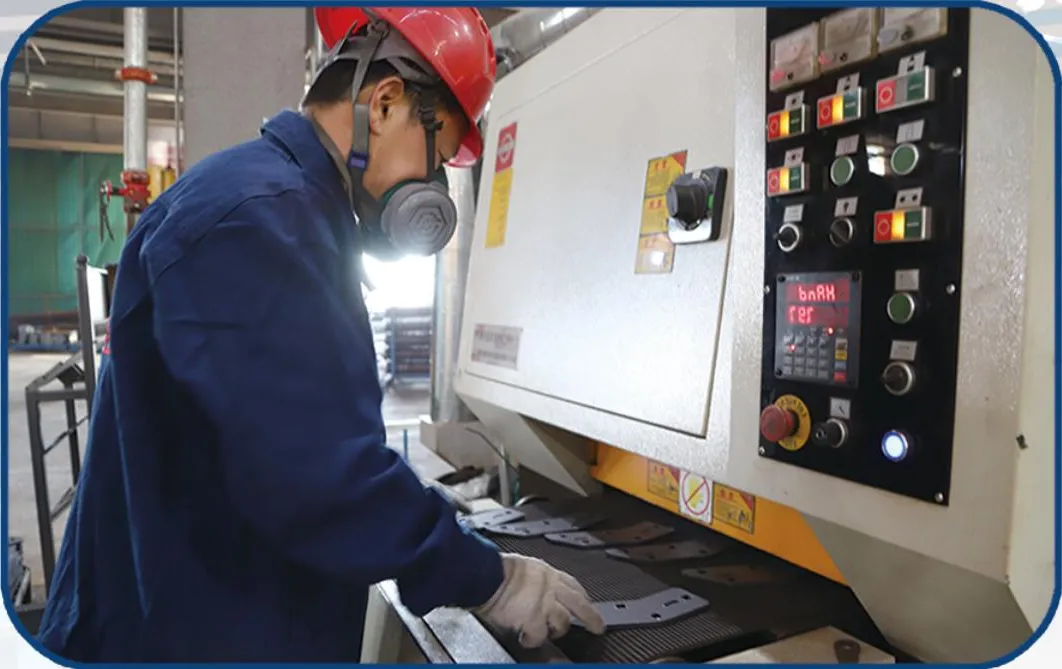
Al evaluar un Empacadora de ensilaje en ventaLa consistencia de la forma de la paca es uno de los indicadores de rendimiento más significativos a considerar, y está directamente influenciada por las tolerancias de diseño y fabricación de los componentes de la cámara. Las empacadoras Ever-Power utilizan perfiles de superficie de rodillos mecanizados con tolerancias de cilindricidad más estrictas que las especificaciones agrícolas estándar, lo que mantiene la geometría circular de la paca en todo el rango de condiciones de operación. Los juegos de correas se prueban individualmente antes del ensamblaje para garantizar que todas las correas de un juego tengan características de elongación coincidentes, lo que evita el estiramiento diferencial que es la causa más común de irregularidad en la forma de la paca en el campo. Para los operadores que consideran una actualización de equipos que producen pacas grumosas de manera constante, Equipo Ever-power Podemos encontrar el modelo adecuado dentro de la gama que mejor se adapte a su tipo de cultivo, tamaño de propiedad y condiciones de humedad.
Perfiles de rodillos de precisión
Rodillos mecanizados con tolerancias de cilindricidad que mantienen la forma circular de la bala en todo el rango de funcionamiento.
Conjuntos de cinturones a juego
Las correas se someten a pruebas de tensión individuales antes del montaje; la elongación uniforme en todas las correas evita la tensión diferencial.
Calibración de la presión del ensilaje
La presión variable de la cámara está calibrada para el rango de humedad del ensilaje, no para las especificaciones del heno seco.
Repuestos y soporte local
Rodillos y correas de repuesto Almacenado en Australia para una rápida rotación durante la temporada de ensilaje.
¿Tienes problemas con las balas de heno irregulares?
Hable con nuestro equipo técnico de empacadoras de ensilaje.
Zona Industrial de Charlton, Australia: asistencia en diagnóstico, repuestos y asesoramiento para la actualización de equipos para operadores australianos.
Preguntas frecuentes
Preguntas frecuentes sobre las pacas de ensilaje grumosas

Australia Ever-power Forage Balers Co., Ltd.
📍 Zona industrial de Charlton, Australia