
Understanding the Real Risks of Wet-Condition Silage Baling
What “Too Wet” Actually Means for the Machine, the Bale, and the Feed
Wet-condition baling imposes costs on three separate fronts simultaneously: machine performance, bale physical quality, and silage fermentation outcome. Understanding the specific mechanism of each risk — rather than simply accepting that “wet is bad” — allows operators to make more precise decisions about when wet-condition baling is acceptable with mitigation and when it needs to be deferred entirely. Not all wet conditions present the same risk profile, and the response to crop at 68% moisture after a brief rain shower is different from the response to 75% moisture material that has been damp for three days.
On the silage baler itself, the most immediate wet-condition problem is belt slip. Plant juice and free surface moisture coat the belt-roller interface, reducing the friction coefficient needed to drive the forming bale. As bale weight increases through the build cycle, the slip threshold is reached earlier and more reliably in wet conditions than in dry conditions. This produces bales that fail to reach target density, chambers that stall, and in severe cases, complete formation failure. Beyond belt slip, the heavier bale weight from high-moisture material stresses pickup shaft bearings, stuffer mechanism components, and the PTO driveline at above-design loads. Sustained wet-condition baling without maintenance adjustments accelerates component wear significantly.
On the fermentation side, moisture above 65–70% dilutes the soluble sugar concentration that lactic acid bacteria require, increases the risk of clostridial contamination, and produces significant effluent drainage that carries soluble nutrients out of the bale. The higher the moisture at baling, the more these risks compound — and the more critical every other quality intervention (inoculant, wrap layers, wrapping speed, storage site) becomes. Knowing the moisture level you are actually working at — from measurement, not estimation — is the foundation of wet-condition management. For the full range of Ever-power silage balers designed for Australian conditions, visit our product pages.
The Wet-Condition Decision: Bale, Wait, or Accept with Mitigation
A Three-Zone Framework for Making the Call in the Field
The most important decision in wet-condition silage baling is not how to adjust the machine — it is whether to bale at all. Getting this decision right prevents both the waste of baling crop that will produce poor silage and the waste of leaving good crop to deteriorate in the windrow while waiting for conditions that may not improve. The three-zone framework below gives operators a structured basis for this decision based on measured crop moisture and expected weather, rather than intuition or time pressure alone.
Silage quality is achievable with care. Fermentation will proceed but at a slower rate than optimal. Apply inoculant, increase wrap layers to 6 minimum, wrap within 2 hours of baling, and reduce baling speed by 20–30% from standard. Machine management becomes more critical — daily cleaning and greasing required. Monitor belt condition closely. This is the workable zone for urgent harvesting decisions.
Clostridial fermentation risk is elevated, belt slip is likely, bale shape quality will be compromised, and effluent production will be significant. Baling is only justified if the crop cannot be salvaged in any other way and the alternative is total loss. If proceeding: inoculant is mandatory, 8 layers minimum, wrap immediately, store on a well-drained site with effluent management. Accept that quality will be below standard and discount the feed accordingly in ration formulation.
Above 72% moisture, the silage fermentation chemistry cannot reliably produce preservation-quality silage regardless of other interventions. Clostridial bacteria thrive at these moisture and pH levels. The baler will struggle to form correct bales, effluent will drain immediately from the bale, and the resulting feed poses genuine animal health risks from butyric acid and listeria. Wait for wilting, turn the windrow to accelerate drying, or accept the crop loss. Baling is not the answer at this moisture level.
Machine Adjustments for Wet-Condition Baling
Specific Settings and Checks That Reduce Mechanical Risk in Zone 1 Conditions
When the decision to bale in wet conditions has been made — within Zone 1 parameters — specific machine adjustments reduce the probability of mechanical failure and maintain the best achievable bale quality. These are not optional improvements but practical necessities for operating a silage baler machine at the wet end of its design envelope. Implement them before entering the first wet windrow of the session, not after the first belt slip event.
Belt Tension Increase
Belt tension must be increased above standard setting before beginning wet-condition baling. In wet conditions, the friction coefficient at the belt-roller interface drops due to plant juice contamination — the only mechanical compensation available is increasing the normal force (belt tension) to maintain adequate friction force at the reduced coefficient. Increase belt tension by approximately 10–15% above the standard silage setting before the first wet session. Check all belts individually after every 2–3 bales for the first 10 bales of a wet session to verify they are maintaining tension under load. If any belt deflection exceeds specification after only a few bales, the belt surface is contaminating faster than tension can compensate — clean the belt and roller surface, re-tension, and reduce travel speed.
Chamber Pressure Reduction
Counterintuitively, very wet crop often requires a reduced chamber pressure setting compared to optimal-moisture silage. At above 65% moisture, applying high chamber pressure squeezes free moisture out of the forming bale — the compressed plant juice drains from the bale, taking soluble sugars and nutrients with it and leaving a drier, more loosely structured outer layer than the actual moisture content of the crop would produce. Reducing pressure by 10–15% from the standard silage setting allows the wet bale to form with less moisture expulsion while still achieving adequate compaction of the high-density wet material. Verify the outcome with three trial bales: the ejected bale should be firm, round, and show only minimal surface seepage at the base.
Reduced Travel Speed
Travel speed should be reduced by 20–30% from standard silage operating speed when baling in wet conditions. Wet crop is significantly heavier per unit volume than well-wilted material, meaning the same travel speed delivers much higher mass intake per minute. Reducing speed maintains the intake rate within the machine’s load envelope despite the higher material density. The reduced speed also allows more time for each stuffer charge to be fully processed before the next arrives, improving bale uniformity even in the challenging conditions. This is one of the most effective and simplest wet-condition adjustments available.
Pickup Height Check
In wet conditions, the windrow can be partially pressed into soft ground and the crop may be matted from rain weight. The pickup height setting may need to be lowered slightly from the dry-condition position to maintain effective crop recovery — but must not be set so low that the tines are digging into the soil surface and collecting soil contamination with the crop. Soil contamination in silage introduces aerobic bacteria and moulds that significantly worsen fermentation quality. Set pickup height to just skim the windrow surface without contacting the soil — check the tine tips for soil staining after the first few windrow passes and adjust accordingly.
✅ Pre-Session Wet-Condition Machine Checklist
- Increase belt tension 10–15% above standard silage setting — check all belts individually.
- Reduce chamber pressure by 10–15% from standard silage setting.
- Reduce planned travel speed by 20–30% — set this on the tractor speed control before entering the windrow.
- Check and confirm pickup height — tines should skim above soil surface, not contact it.
- Grease all bearing points before the session — wet conditions accelerate grease washout.
- Clean all belt surfaces and rollers before starting — any residue from previous sessions reduces friction on an already-compromised surface.
Operating Technique Adjustments for Wet-Condition Baling
What to Do Differently Behind the Wheel When Conditions Are Against You
Monitor Belt Condition Every 5–8 Bales
In wet conditions, belt contamination builds progressively through the session. A belt tension setting that was adequate at bale 1 may be marginal by bale 15 as the contamination film thickens on the belt and roller surfaces. Stop every 5–8 bales to visually check belt surface condition — particularly the lower belts that have the most plant juice exposure. If glazing is developing on any belt face, stop the session, clean all belt and roller surfaces with a pressure washer if available, re-tension, and resume. Attempting to continue through developing belt slip in wet conditions escalates rapidly from a quality problem to a mechanical one.
Handle Wet Windrow Density Variations Carefully
Rain-wetted windrows frequently have density variations caused by the weight of the water pressing the windrow flat in some sections and leaving it fluffy in others. Dense, mat-like sections of the windrow can deliver a sudden heavy intake that overloads the machine at a travel speed that is handling the lighter sections adequately. Watch the windrow ahead and slow down 20–30 metres before entering any visible dense or mat section — then accelerate back to operating speed once past it. This requires more driver attention than standard baling but prevents the blockages that are disproportionately common in uneven wet windrows.
Continuous PTO Engagement Through the Bale Cycle
In wet conditions, avoid engaging and disengaging the PTO during the baling session except for maintenance stops. Each PTO re-engagement subjects the wet belt-roller system to a brief high-slip transition that accelerates glazing development. Keeping the PTO running continuously — even at headlands — reduces the number of slip-transition events per session. This means the wrapping/tie cycle also happens with the PTO running: maintain tractor speed through the bale ejection sequence rather than stopping on the windrow as the tailgate opens.
Apply Inoculant at Every Bale
Silage inoculant application is optional at optimal moisture conditions — in Zone 1 wet conditions it is a necessary quality intervention. At 60–67% moisture, the diluted sugar concentration slows lactic acid fermentation relative to optimal conditions, extending the window during which spoilage organisms can establish. An inoculant that delivers 100,000 to 1,000,000 CFU per gram of fresh crop provides a concentrated lactic acid bacteria population that can outpace native spoilage flora even at the reduced sugar concentration — partially compensating for the moisture deficit. Apply during baling via a spray system or directly to the windrow immediately ahead of the pickup. For more information about the complete range of silage equipment from Australia Ever-power Forage Balers, visit our About page.
Wrapping Wet Bales: Urgency, Layer Count, and Technique
The Window Between Baling and Wrapping Is Even More Critical in Wet Conditions
The time between baling and wrapping is always quality-critical for silage, but in wet conditions the urgency is significantly higher. Very wet bales have a higher initial pH (less free acid in the crop), which means aerobic organisms have a longer window at a more favourable pH before lactic acid accumulation begins to inhibit them. The standard recommendation of wrapping within four hours becomes wrapping within two hours for Zone 1 wet conditions — and immediately is always better than in two hours. If the wrapper cannot keep pace with the baler in wet conditions, consider producing a smaller number of bales per session to ensure all bales can be wrapped promptly rather than leaving a large number of wet unwrapped bales in the paddock while the wrapper catches up.
Layer count increases are mandatory for wet bales. The minimum recommended layers for Zone 1 wet-condition bales is six, with eight layers strongly recommended for any bale above 64–65% moisture, long-term storage requirements, or high UV-exposure storage sites. The irregular surface of a wet bale — which tends to be slightly flattened or have surface seepage points — means the film spans micro-gaps at those points, making additional layers more important for reliable barrier performance than on a smooth, firm dry-condition bale.
Wrapping technique also matters more with wet bales. On a bale wrapping table, a wet bale can shift under its own weight during rotation — the weight distribution is less uniform than a well-formed dry bale. Check that the wrapper arm speed and table rotation are correctly synchronised for the heavier bale weight; some wrappers have a weight-adjusted rotation speed setting that should be applied for silage bales above 600 kg fresh weight. Ensure the film is stretching consistently throughout the wrap — uneven stretch on a heavy wet bale creates inconsistent film thickness around the circumference. For silage baler parts and wrapping film, contact our Charlton team.
Storing Wet Bales: Site Selection and Effluent Management
Why Wet Bales Need More Careful Storage Management Than Dry-Condition Bales
Wet bales produce effluent — the silage liquid that drains from the base of high-moisture bales during the early fermentation and settling period. This effluent is high in biological oxygen demand (BOD) and contains concentrated soluble nutrients including nitrates. Storing wet bales on flat, impermeable surfaces or near waterways creates both environmental and regulatory compliance risks. The storage site for wet bales should be on a slight slope (1–2% gradient) to allow effluent to drain away from the bale base, on a permeable substrate (gravel, compacted aggregate, or grass) that distributes effluent rather than allowing pooling, and away from any drainage lines or waterway setback zones required by local regulations.
The stacking configuration for wet bales also differs from dry bales. High-moisture bales deform more under stacking loads — they are less structurally rigid than lower-moisture bales and can settle under the weight of bales above them, distorting the film seal at contact points. Single-layer storage is preferable for very wet bales above 65% moisture; if stacking is necessary, limit to two layers maximum and ensure the bottom layer is on a stable, level base. Avoid storing wet bales in positions where they contact fencing, trees, or any sharp surface that could puncture the film, as wet bales are less resistant to film puncture than firm, dense bales.
| Storage Factor | Dry Condition Bales | Wet Condition Bales (>60%) |
|---|---|---|
| Site drainage | Flat or slight slope acceptable | Sloped site mandatory — effluent management required |
| Stack height | 3 layers standard | 1–2 layers maximum to prevent deformation |
| Film inspection frequency | Monthly | Weekly for first 6 weeks, then monthly |
| Feed-out priority | Oldest first (FIFO) | Wet bales first — shorter storage life than dry-condition bales |
| Waterway setback | Standard local requirements | Increase setback — effluent drainage risk is higher |
Post-Session Machine Care After Wet-Condition Baling
What Must Happen at the End of Every Wet-Condition Session
End-of-day maintenance after a wet-condition baling session is more critical than after standard dry silage or hay baling. The volume of plant juice that has accumulated on every internal surface is substantially higher, and if it dries overnight it forms a hard deposit that is much more difficult to remove than freshly applied residue. More importantly, the acid components in the fresh plant juice are still actively attacking metal surfaces — leaving the machine uncleaned overnight allows several additional hours of corrosive action that a prompt clean-up would prevent.
🔧 Immediate Pressure Wash
Pressure-wash the complete machine within 2 hours of finishing — chamber interior, all belt surfaces, rollers, knotter assembly, pickup head, and PTO shaft. Wet-session residue volume is 3–4× higher than a dry session.
🛢️ Full Bearing Re-Grease
After washing and drying, grease every bearing point to purge. Wet-condition baling washes grease from bearing seals far faster than standard silage service — skip the post-session re-grease and the bearing may be dry by the next morning.
🔩 Knotter Corrosion Protection
Apply corrosion-inhibiting oil to bill hook face, knife edge, and twine disc after every wet session. The acid concentration in wet-crop residue corrodes knotter components overnight if unprotected.
🔗 Belt and Roller Check
Inspect all belt surfaces after washing for developing glazing or early cracking. Check all roller bearing housings for unusual warmth that indicates a bearing running above normal temperature — wet sessions create the conditions for rapid bearing deterioration.
Ever-Power Balers: Built for the Full Range of Australian Conditions
Sealed Bearings, Silage Belt Compound, and Corrosion-Resistant Materials
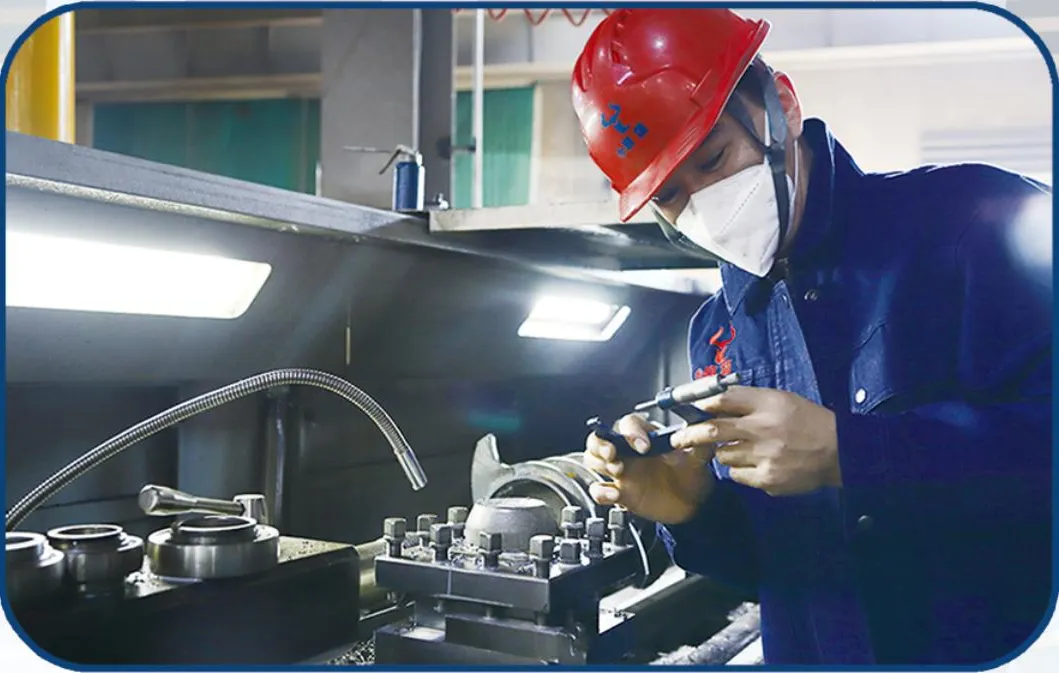
When evaluating a silage baler for sale in Australia for high-rainfall or variable-weather regions, wet-condition performance is a specification that deserves careful attention. Ever-power machines use sealed bearing housings at the highest-contamination positions (pickup spindles, lower drive rollers) that resist the plant juice ingress that is most aggressive in wet operating conditions. The silage-rated belt compound maintains higher friction coefficient at elevated moisture than standard hay belts, providing a larger working margin before belt slip begins in wet sessions. Frame and chamber components use acid-resistant surface treatments that withstand the higher acid concentration in wet-crop residue without the accelerated paint degradation that standard industrial finishes experience.
Operating in a High-Rainfall Region?
Talk to Our Silage Specialists in Australia
Charlton Industrial Area, Australia — wet-condition settings, model selection, and operating advice for Australian high-rainfall silage conditions.
Frequently Asked Questions
Common Questions About Wet-Condition Silage Baling

Australia Ever-power Forage Balers Co., Ltd.
📍 Charlton Industrial Area, Australia