
What Determines the Quality Ceiling of Grass Silage Bales
The Decisions That Set the Maximum Achievable Quality Before the Baler Moves
The quality ceiling of any grass silage batch is determined primarily by three decisions made before the ensilagepresser enters the paddock: the growth stage at cutting, the wilting management between cutting and baling, and the timing of baling relative to crop moisture. No subsequent management — wrapping quality, inoculant use, or storage practice — can improve quality beyond the ceiling set at these three decision points. Excellent baling and wrapping practice protects the quality established at cutting and wilting; it does not improve on it.
The highest-quality grass silage is produced from crops cut at early head emergence — the point at which digestibility is maximum, water-soluble carbohydrate content is at its peak, and yield per hectare is adequate without the quality-reducing effects of advanced maturity. In Australian temperate grass species (ryegrass, fescue, cocksfoot), cutting at early head emergence produces silage with metabolisable energy of 10.5–12.0 MJ ME/kg DM and crude protein of 15–20% DM — the quality level that supports high milk production and fast livestock growth rates. Cutting the same species one week later at full heading produces silage with ME of 9.5–10.5 MJ ME/kg DM — a reduction that translates directly into reduced animal production outcomes when the silage is fed.
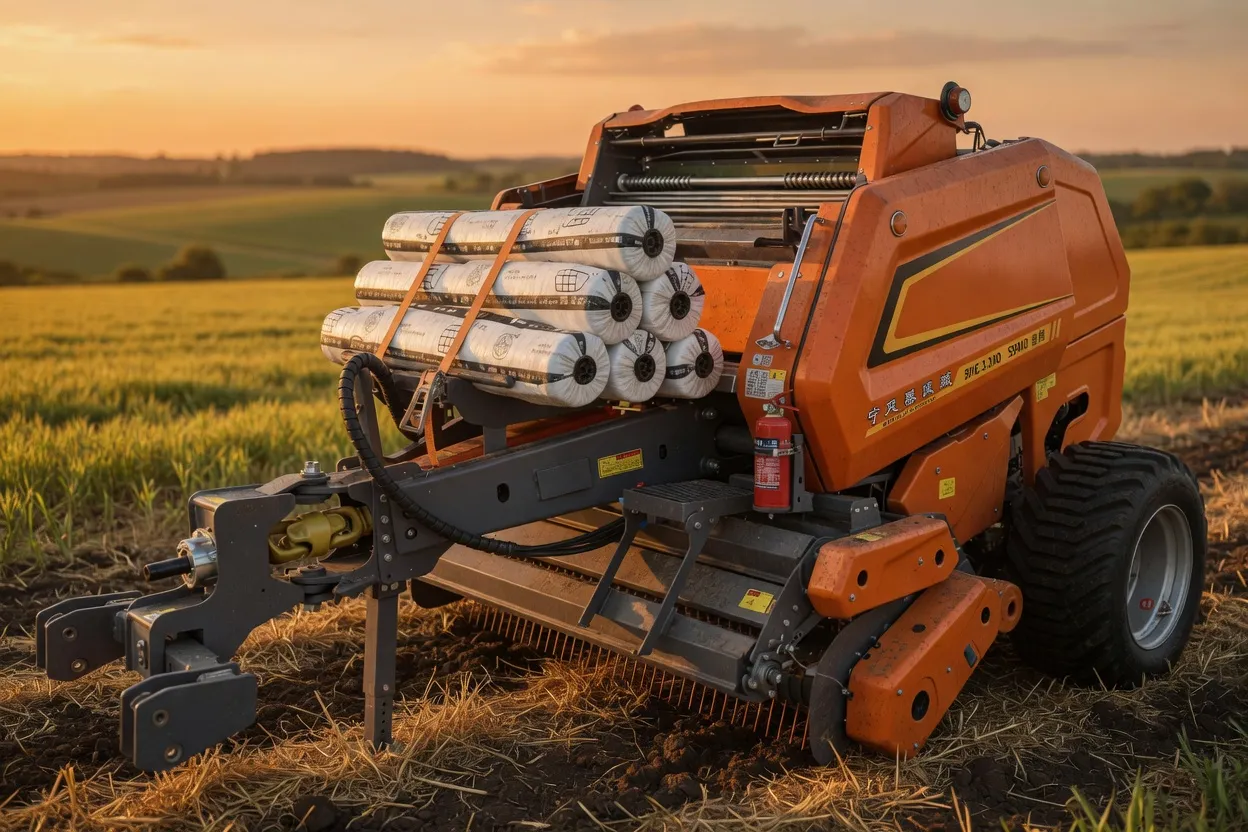
This guide takes the quality ceiling as a given — you’ve cut at the right time — and focuses on the best practice decisions from wilting through to wrapping and storage that protect and realise that quality potential in the final product. For the full range of ensilagepresser options from Ever-power, see the product pages.
Wilting Best Practice: Managing the Crop From Mower to Baler
Optimising the Wilt Phase for Speed, Consistency, and Quality Protection
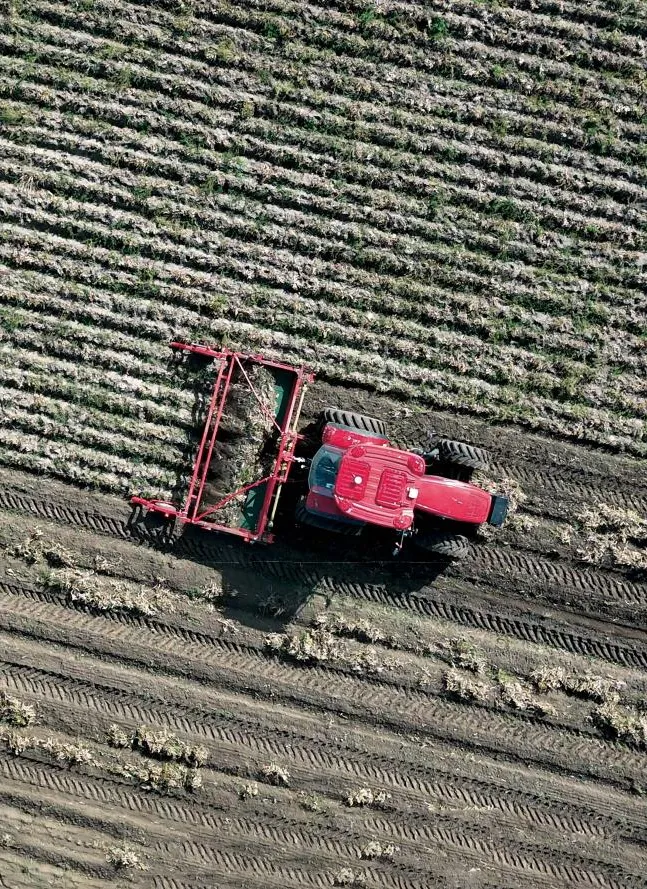
The wilting phase — from mowing to achieving target moisture — is where most of the management variability in grass silage quality occurs. A well-executed wilt reaches the 50–62% moisture target window quickly, in a short enough time to minimise field losses (respiration, leaching, mechanical leaf loss), and without re-wetting events that push the crop back above the workable threshold. The practices that best achieve this are conditioning at mowing and active tedding to accelerate drying.
Use a Mower-Conditioner Where Possible
A mower-conditioner (also called a disc-mower-conditioner or mower-crusher) cuts and simultaneously conditions the crop in a single pass — crushing or crimping the stems to break the waxy cuticle and allow moisture to escape faster from the internal cell layers. Conditioning accelerates the wilt rate by 30–50% compared to a plain mower, achieving the target moisture window in 24–36 hours in favourable conditions rather than the 48–72 hours a plain mower may require. For operations on a narrow harvest window, this time saving is operationally critical — it doubles the effective width of the harvest opportunity window for each cut. The 9GQY-3.2 Slåmaskine-Crimper is available from Ever-power for farms that want to integrate conditioning into their grass silage program.
Ted Within 2–4 Hours of Mowing
Tedding — spreading the windrow into a wider, thinner layer — significantly increases the crop’s surface area exposed to sun and wind, accelerating the evaporative drying rate by 20–40%. For maximum benefit, ted within 2–4 hours of mowing before the initial fast surface drying phase is complete. Tedding a crop that has already surface-dried provides less benefit than tedding at the beginning of the wilt period when the internal moisture is still high and the faster cell moisture release from the spread crop produces maximum drying rate improvement. Re-rake to a windrow of the correct width for the baler’s pickup only when the moisture measurement confirms the crop is approaching the baling window — not simply when the windrow looks dry from the cab.
Measure Moisture Before Every Session — Not Just Before the First
Moisture is not uniform across a paddock or consistent throughout a day’s baling session. Morning dew elevates moisture by 5–10 percentage points compared to afternoon; shaded paddock areas dry more slowly than exposed areas; heavier crop density areas may still be above target when lighter areas have been ready for hours. The pre-session measurement and the final pre-baling confirmation (taken after dew has dried, within 30 minutes of beginning baling) are both essential — not one or the other. The pre-session measurement tells you whether the crop is approaching the window; the pre-baling confirmation tells you whether it is actually in the window right now, at this paddock position, at this time of day. For silage baler machine advice, contact the Charlton team.
Baling Best Practice: Settings, Speed, and Session Management
The Technique Decisions During the Baling Session That Most Affect Bale Quality
Set Chamber Pressure for Silage — Not Hay
The single most common baling technique error in grass silage is running the chamber pressure at the hay setting rather than the silage setting. Silage requires higher compression force than hay because the higher moisture content increases the material’s resistance to compression (free moisture under pressure), and because higher bale density is a quality-critical parameter for silage in a way that it is not for hay. Check the operator manual for the silage-specific pressure setting and confirm it is correctly applied at the start of every silage session — not assumed to be where it was left from the previous session. Verify with the firmness test on the first three bales: hand pressure should produce minimal surface deflection, and the ejected bale should hold a circular cross-section without deforming to oval within 10–15 minutes.
Maintain Consistent Windrow Width and Travel Speed
Consistent windrow width and travel speed are the two operational controls that most directly determine bale uniformity — the consistency of bale size, weight, and density across the entire batch. Bales that vary significantly in size produce variable nutrient concentrations per bale that complicate ration management; bales that vary in density produce uneven fermentation profiles across the batch. Aim for a windrow width approximately 20% narrower than the pickup width — this ensures the pickup fully engages the windrow on each pass without overflow and without gaps in coverage. Set the travel speed to maintain even stuffer charges and hold it consistently throughout the paddock — resist the temptation to speed up on thin sections of the windrow to make up time, as the resulting thin charges produce lighter, less dense bales in those sections.
Apply Inoculant Consistently Across All Bales in Each Batch
If inoculant is being used — which is recommended for all grass silage in non-optimal conditions and for high-value crops at any moisture — apply it at a consistent rate across all bales in the batch using a calibrated spray system on the pickup or in the windrow immediately ahead of the baler. Inconsistent application (some bales treated, some not) produces variable fermentation quality across the batch and makes laboratory analysis of composite samples less representative of the whole batch. If the inoculant delivery system fails mid-session, note which bales were produced after the failure and store them separately for priority feed-out or separate quality assessment.
Monitor the First 10 Bales of Every Session Carefully
The first 10 bales of every session — and particularly the first 3–5 — are the calibration period in which settings, crop conditions, and machine performance are validated together for the specific conditions of that session. Stop after bales 1, 3, 5, and 10 to check: bale shape (round and firm), bale surface texture (clean and consistent, no seepage), belt condition (no glazing beginning), chamber pressure reading (consistent across each bale cycle), and tractor PTO speed (maintained at rated RPM throughout the bale cycle without significant engine load response). Any problem identified in the first 10 bales can be corrected for the remaining session; a problem not identified until bale 50 has affected 49 bales with whatever quality penalty the issue imposed.
Wrapping Best Practice: The Four Variables That Determine Barrier Quality
Getting the Wrapping Phase Right to Protect the Quality Established at Baling
⏱️
Wrap Within 4 Hours
Target 2 hours in warm or wet conditions. Every hour of delay increases aerobic organism establishment. This is the single most impactful wrapping variable.
🎁
6 Layers Minimum
8 layers for drought reserve, high moisture, or high bird-pressure sites. Standard Australian outdoor storage demands 6 as the default — not 4.
📐
50–55% Overlap
Check the wrapper setting at the start of every session. Reduced overlap to extend rolls is false economy — it reduces effective barrier thickness.
🌟
UV-Rated Film
Specify film rated for 18+ months outdoor Australian UV exposure. Confirm the UV rating, not just “UV stabilised” without duration specification.
Grass Type Differences: Temperate vs Tropical Species
How the Specific Grass Species Affects the Management Approach
The best practice adjustments required between temperate grass species (ryegrass, fescue, cocksfoot, phalaris) and tropical grass species (kikuyu, rhodes grass, setaria, pangola) are significant enough to warrant specific consideration. Temperate grass species typically have higher water-soluble carbohydrate content, lower buffering capacity, and better natural fermentation characteristics than tropical species — they ferment more quickly, reach lower pH, and are generally more forgiving of minor management lapses. Tropical grass species have lower WSC, higher cell wall content, and more difficult fermentation characteristics that require more careful management at every step.
| Management Variable | Temperate Grasses | Tropical Grasses |
|---|---|---|
| Moisture target | 50–63% | 55–65% (lower DM easier) |
| Inoculant requirement | Recommended; beneficial | Essential — fermentation unreliable without it |
| Wrapping interval | Within 4 hours | Within 2 hours — pH drop slower |
| Minimum wrap layers | 6 layers | 8 layers (higher spoilage risk) |
| Fermentation completion | 6–8 weeks | 10–12 weeks minimum |
| Expected ME (MJ/kg DM) | 9.5–12.0 | 7.5–9.5 |
For tropical grass silage, the inoculant is not optional — it is the critical intervention that makes reliable fermentation possible. Without inoculant, tropical grass silage frequently fails to acidify adequately and produces the butyric acid profile associated with clostridial fermentation — regardless of how correctly the other management factors are handled. Use a high-rate homo-fermentative inoculant (400,000–1,000,000 CFU/g fresh weight) applied consistently to every bale in the batch. For silage baler for dairy farm information suited to tropical grass operations, contact the Charlton team.
The Five Most Common Grass Silage Baling Mistakes in Australian Operations
What Goes Wrong Most Often and Why
Baling before dew has dried. The most common individual cause of poor fermentation quality in Australian operations. Morning readings taken before 9–10 AM regularly show 5–10 percentage point higher moisture than mid-morning measurements from the same paddock. Never begin baling without a post-dew moisture confirmation.
Using only 4 layers of film. Australian UV conditions degrade 4-layer film within 8–10 months in direct sun — too fast for drought reserve or second-year stock. The premium for 6 layers is modest; the feed protection value over the storage period is significant.
Leaving bales unwrapped overnight. Even at low ambient temperatures, 12 hours of oxygen exposure allows significant aerobic establishment. Wrapping within the same day of baling is the standard — overnight accumulation of unwrapped bales is a recurring quality problem.
Estimating moisture by eye or feel instead of measuring. Human visual and tactile assessment of grass silage moisture is poorly correlated with actual moisture measurements — experienced operators routinely under-estimate moisture by 3–8 percentage points. Always measure; never guess.
Cutting too late — past early heading. The quality that grass silage loses between early heading and full heading cannot be recovered at any subsequent management stage. A paddock cut one week late produces a feed that is structurally adequate but nutritionally compromised for the season’s entire production from that paddock.
Ever-Power: The Silage Baler Built for Australian Grass Silage Conditions
The Range That Covers Every Grass Type, Scale, and Season
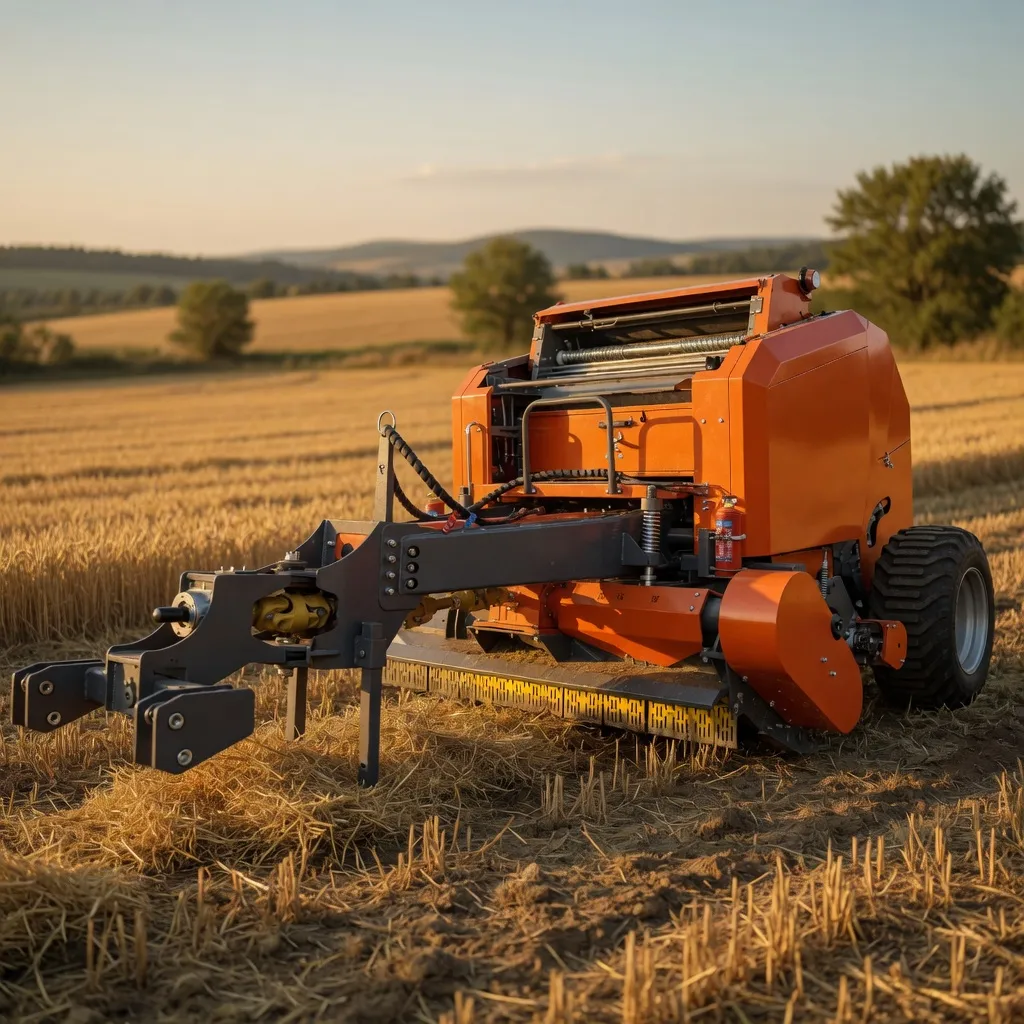
Every specification decision in the Ever-power grass silage baler range — sealed bearings at high-contamination positions, silage-rated belt compound, variable chamber pressure range — is calibrated for the moisture variability, crop diversity, and UV storage conditions that define Australian grass silage production. The range spans from the compact 9YG-1.0 for small farm operations through the high-performance S9000 Beyond for maximum density commercial production. Whichever model fits the farm’s production scale, the best-practice techniques in this guide apply equally — the machine enables them, but the management decisions that produce quality grass silage bales are in the hands of the operator.
Looking to Improve Your Grass Silage Quality?
Get Crop-Specific Advice From Our Team
Charlton Industrial Area, Australia — grass silage best-practice guidance, model selection, and technical support for Australian operations.
Ofte stillede spørgsmål
Common Questions About Grass Silage Baling Best Practices

Australien Ever-power Forage Baller Co., Ltd.
📍 Charlton Industrial Area, Australia