
Forståelse af hvorfor en ensilagepresser ikke kan danne rundballer
Kernemekanikken bag balledannelse
EN ensilagepresser fungerer ud fra et tilsyneladende simpelt princip: Indkommende afgrødemateriale opsamles af opsamlingstænderne, føres ind i ballekammeret og komprimeres derefter til en tæt cylindrisk form enten ved hjælp af rem- eller rulledrevne mekanismer. Når en del af denne kæde – indsugning, kompression, binding – bryder sammen, stopper maskinen med at producere korrekt formede rundballer. Problemet viser sig sjældent tydeligt; i stedet viser det sig som løse, misformede eller ufuldstændige baller, der efterlader føreren forvirret midt i et skærevindue.
At forstå den grundlæggende årsag handler ikke kun om at udbedre dagens nedbrud – det påvirker direkte ensilagekvalitet, fermenteringseffektivitet og den langsigtede pris pr. balle. En balle, der ikke når tilstrækkelig densitet, mister anaerobe forhold hurtigere, hvilket fører til aerob fordærvelse, der kan ødelægge foderværdien. Uanset om du driver en stor mejerivirksomhed eller en lille ensilagepresser på en fåreejendom, er diagnosticeringsprocessen stort set den samme. Lad os gennemgå det systematisk.
Årsag #1 — Forkert afgrødefugtighedsindhold
Den mest almindelige årsag til dårlig balleform
Fugtindhold er uden tvivl den største enkeltstående variabel, der påvirker, om din ensilagepresser producerer en tæt, velformet rundballe eller et smuldrende rod. Det ideelle fugtighedsvindue for de fleste græs- og bælgplanteensilageafgrøder ligger mellem 40% og 65%. Materiale, der er for tørt – under 35% – bliver sprødt og nægter at binde under kompression. Det glider i bund og grund rundt i kammeret uden at gribe fat, hvilket resulterer i løse, faldende baller eller baller, der simpelthen slet ikke dannes.
I den anden ende er materiale over 70% fugtighed for glat og tungt til at opbygge ordentlig rotationsmomentum inde i kammeret. Det komprimeres til en flad, tæt masse i stedet for at rulle til en cylinder. Dette er et almindeligt scenarie, når man presser baller umiddelbart efter regn eller høster græs, der slet ikke er visnet. græsensilagepresser Især overvågning af markfugtigheden før skæring – og igen før ballepresning – forhindrer størstedelen af formationsfejl.
✅ Løsning: Fugthåndtering
- Brug en foderfugtighedsmåler før snitning – stol ikke kun på visuel vurdering.
- Tillad en visnensperiode på 6-24 timer efter slåning for de fleste græsafgrøder før presning.
- Hvis forholdene er våde, udskyd ballepresningen eller brug en slåmaskine/crimper for at fremskynde visnen.
- Mål 50-60% fugtighed for optimal rundballetæthed og fermenteringskvalitet.
- Under meget tørre forhold bør du overveje at presse baller tidligt om morgenen, når duggen genopretter noget af overfladefugtigheden.
Årsag #2 — Problemer med opsamlingshoved og afgrødeindføring
Når materialet ikke kommer korrekt ind i kammeret
Selv med et ideelt fugtighedsindhold vil et defekt opsamlingssystem udsulte ballekammeret for materiale. Rundballedannelse afhænger af en kontinuerlig, jævn strøm af afgrøde ind i kammeret - enhver afbrydelse i denne strøm skaber en asymmetrisk kerne, der kollapser. Problemer med opsamlingstænder er blandt de hyppigste årsager til mislykket balledannelse, især ved højkapacitetsoperationer eller ved arbejde under slidende forhold som sandjord.
Bøjede eller manglende opsamlingstænder
Tænderne udsættes konstant for sten, knolde og tunge afgrødelæs. En bøjet tænd vil afbøje materialet sidelæns i stedet for at løfte det rent ind i indføringskanalen, mens en manglende tænd skaber et hul i afgrødestrømmen, der fører til tynde pletter i den dannende ballekerne. Med tiden kan selv et par beskadigede tænder ændre afgrødeindføringsmønsteret nok til at forhindre en rundballe i at dannes symmetrisk.
Uoverensstemmelse mellem skårbredde
En skåre, der er for smal, koncentrerer materialet i midten af opsamlingsbredden, hvilket opbygger ballekernen asymmetrisk. Omvendt efterlader en skåre, der er bredere end opsamlingshovedet, materialet på siderne, hvilket reducerer den samlede indsugningsvolumen. Begge forhold stresser dannelsen af rundballer. Juster din rive for at producere en skåre, der fylder cirka 80-90% af din ballepressers opsamlingsbredde.
✅ Rettelse: Kontrol af afhentningssystem
- Gå langs opsamlingsbredden før hver session, og udskift straks eventuelle bøjede eller manglende tænder.
- Kontroller afstanden mellem tænder og snegl — slidte tænder, der kører for højt, går glip af materiale ved bunden af skåret.
- Indstil opsamlingshøjden, så tænderne frigør jorden med 25-40 mm under normale markforhold.
- Tilpas skårbredden til opsamlingsbredden ved hjælp af en fingerhjulsrive eller en bugseret siderive.
- Reducer kørehastigheden i tunge afgrøder — overbelastning af indløbet er en af de hyppigste årsager til blokering af kammeret.
Årsag #3 — Remglidning, slid og problemer med ruller
Fejl i kammerdrev, der stopper dannelsen af rundballer
Remdrevne ensilagepressere er afhængige af flere parallelle remme, der løber over en række ruller for at holde og rotere den dannede balle. Hvis disse remme strækker sig, revner, glider eller ophober ensilagerester på deres overflade, er den friktion, der kræves for at dreje ballen, simpelthen ikke til stede. Afgrøden kommer ind i kammeret, men roterer svagt, og går til sidst i stå og kollapser i stedet for at bygge sig op til en fast cylinder. Dette er en af de mest frustrerende fejl, fordi maskinen ser ud til at køre normalt, men alligevel ikke producerer noget brugbart.
Diagnose af remspænding og slid
Remme strækkes med brug og kræver periodisk opspænding. En underspændt rem vil glide på drivrullen under belastningen af en stor, tæt ensilageballe – især det materiale med højt fugtighedsindhold, der kendetegner ensilageafgrøder. Tegn inkluderer hvinende lyde fra drivsystemet, synlig remflagren mellem rullerne eller en balle, der begynder at dannes, men går i stå ved omtrent halvdelen af målstørrelsen. Kontroller remspændingen i forhold til producentens specifikationer, og efterspænd eller udskift efter behov.
Rulleopbygning og overfladeforurening
Ensilagemateriale med højt fugtindhold efterlader en film af plantesaft, frø og fint organisk materiale på bånd og ruller. I løbet af en arbejdsdag bliver denne ophobning til et glat lag, der dramatisk reducerer vejgrebet. Rengøring af rullerne ved dagens afslutning – især i varmt vejr, når resterne tørrer og hærder – forlænger båndets levetid og forhindrer de lydløse friktionstab, der forårsager balledannelsesfejl. Riller eller riller på drivrullerne bør udløse øjeblikkelig udskiftning.
✅ Løsning: Vedligeholdelse af bånd og ruller
- Kontroller remspændingen hver 50. driftstime – spænd den i henhold til din brugermanual.
- Undersøg removerfladerne for revner, flosninger eller glasering – udskift remme, der viser et af disse tegn.
- Rengør båndoverflader og ruller ved slutningen af hver dag i ensilagesæsonen.
- Bland aldrig gamle og nye remme – udskift hele sættet sammen for at opretholde en jævn fordeling af spændingen.
- Kontroller styrerullelejerne for slør; en ujævn styrerulle kan fremskynde remslitaget med en faktor på tre.
Årsag #4 — Fejl i netvikling eller snorbinding
Når ballen dannes, men ikke holder sammen
En balle, der ser ud til at formes korrekt inde i kammeret, men som falder fra hinanden ved udkastning, er næsten altid et problem med bindesystemet. Uanset om din ensilagepresser Ved brug af net eller snor påfører bindesystemet underbelastning på en stadig roterende balle – og det skal gøre det med præcis timing, ensartet spænding og pålidelig fremføring. Enhver fejl i denne sekvens efterlader den komprimerede afgrøde uden strukturel støtte, og den udvider sig og smuldrer i det øjeblik, kammertrykket slippes.
Problemer med netindpakningssystem
Netfolien skal føres jævnt fra rullen, fordeles jævnt over ballens overflade og skæres rent med det korrekte antal folieringer. Forurening på indføringsrullerne, en knækket netrulle eller et sløvt skæreblad vil hver især resultere i utilstrækkelig binding. Ensilageafgrøder med højt fugtindhold er særligt krævende, fordi den glatte overflade gør det sværere at vedhæfte nettet – det er ofte nødvendigt at øge det nødvendige antal folieringer til mindst to fulde overkørsler før udkastning.
Problemer med garnstrammer og knytter
Garnbundne ensilagepressere er afhængige af ensartet spænding gennem hele bindegangen. En slidt strammeskive, blokeret garnføring eller en snavset knyttemekanisme vil producere løkker, manglende knuder eller knækket garn - alt dette efterlader ballen ubundet. Garnsystemer kræver hyppigere opmærksomhed i ensilagearbejde end i tør høballepresning, fordi det forhøjede fugtighedsmiljø accelererer korrosion på metalføringskomponenter og stiver selve garnet af under kolde forhold.
✅ Rettelse: Bindende systemkontroller
- Rengør netindpakningens indføringsruller før hver omgang — rester af ensilagesaft forårsager fodermodstand.
- Kontrollér knivens skarphed ugentligt – et sløvt blad efterlader ujævne snit, der sætter sig fast på den næste balle.
- Øg antallet af omviklinger for våde ensilageafgrøder (60%+ fugt) — mindst to fulde omdrejninger.
- Smør garnføringskanaler og knyttermekanismer dagligt under intensive ensilagekampagner.
- Brug altid net, der er beregnet til ensilage — standard hønet har lavere strækstolerance.
Årsag #5 — PTO-hastighed, overbelastning og drevfejl
Undermotoriserede drev skaber ufuldstændige baller
Rundballeformning kræver ensartet rotationsenergi, der leveres via PTO-drevet ved det producentspecificerede omdrejningstal – typisk 540 omdr./min. for de fleste kompakte ensilageballepressere og 1000 omdr./min. for større enheder. At køre under den ønskede PTO-hastighed er en af de mest oversete årsager til, at balleformningen mislykkes, især når føreren sænker farten for at navigere i ujævnt terræn eller reducerer motorgashåndtaget i tæt afgrøde. Resultatet er et kammer, der mangler den roterende momentum til at opbygge en tæt, rund kerne – især kritisk i de tidlige stadier af balleformningen, når afgrødekernen stadig er løs og ustabil.
Fejl på sikringsbolte på PTO-drivlinjen er en anden almindelig årsag, der er let at overse. En knækket bolt stopper krafttilførslen øjeblikkeligt, men udløser muligvis ikke en tydelig advarsel. Hvis ballepresseren pludselig holder op med at producere baller uden synlig mekanisk blokering, skal du først kontrollere sikringsboltene – det er en to-minutters reparation, der genopretter driften. Tilsvarende vil en slidt eller glidende PTO-kobling give de samme symptomer som utilstrækkelig motorgas: kammeret kører, men opbygger aldrig nok tryk til at danne en komplet rundballe.
✅ Reparation: PTO og drivsystem
- Indstil motorens gashåndtag til at opnå det producentangivne PTO-omdrejningstal, før der køres ind i skårlægget.
- Sænk ikke gashåndtaget på ujævnt terræn – hold hastigheden, og juster i stedet kørehastigheden.
- Inspicer og udskift sikringsbolte i starten af hver sæson. Brug kun bolte af OEM-specificeret kvalitet.
- Kontroller kraftudtagskoblingen for slid, og udskift den, hvis indgrebet er løst eller ujævnt.
- Kontroller, at traktorens HK opfylder ballepresserens krav — underdimensionerede traktorer forårsager kronisk fald i PTO-hastigheden under belastning.
Trin-for-trin feltdiagnosticeringsproces
Gennemgå disse trin, før du ringer til en tekniker
Tjek fugtighed
Mål afgrødefugtigheden med en håndholdt måler. Hvis den er under 35% eller over 70%, bør ballepresningen udskydes, eller afgrøden bør skårlægges for at visne.
Inspicer opsamlingstænder
Gå langs hele opsamlingsbredden. Udskift eventuelle bøjede, manglende eller revnede tænder, og kontroller, at opsamlingshøjden er 25-40 mm fri af jorden.
Kontroller PTO-hastigheden
Bekræft, at motorens gashåndtag leverer det angivne PTO-omdrejningstal. Kontroller sikringsboltene på drivlinjen, og inspicer PTO-koblingen for slid eller slør.
Inspicer bælter og ruller
Kontroller remspænding og overfladetilstand. Rengør rulleoverflader og kontroller styrehjulslejer. Udskift revnede eller glaserede remme som et komplet sæt.
Testbindingssystem
Kør en tørbindingstest — observer net- eller garnfremføring, spredning og skærerækkefølge. Rengør fremføringsrullerne, og slib eller udskift skærebladet.
Prøveballe ved lav hastighed
Efter at have løst de identificerede problemer, formes én prøveballe ved reduceret kørehastighed for at kontrollere, at kammeret er korrekt opbygget, før fuld drift genoptages.
Forebyggende vedligeholdelse for at undgå formationsfejl
Hold din ensilagepresser i topform
Den mest effektive måde at forebygge en ensilagepresser At undgå at lave rundballer er en streng vedligeholdelsesrutine før og i sæsonen. I modsætning til tørt høudstyr arbejder en ensilagepresser i et vedvarende vådt og ætsende miljø - plantesyrer, fugtighedsrester og konstante termiske cyklusser accelererer slid på alle bevægelige komponenter. En vedligeholdelsesplan, der ville holde en høpresser kørende i tre sæsoner, varer muligvis kun én sæson i fuld ensilagedrift. At tage højde for dette i dine vedligeholdelsesintervaller er ikke valgfrit for alle, der arbejder under Australiens varierede klimatiske forhold.
| Vedligeholdelsesopgave | Daglig | Ugentlig | Forsæson |
|---|---|---|---|
| Smør alle markerede smørepunkter | ✓ | ||
| Rengør opsamlingstænder og indføringssnegl | ✓ | ||
| Kontroller remspænding og tilstand | ✓ | ||
| Undersøg rullelejer for slør eller støj | ✓ | ||
| Udskift sikringsbolte (komplet sæt) | ✓ | ||
| Udskift slidte opsamlingstænder (komplet sæt) | ✓ | ||
| Fuld inspektion og eftersmøring af PTO-aksel | ✓ |

Hvorfor ensilagepressere er mere krævende end høpressere
At forstå forskellene hjælper dig med at forhindre fejl
De Ensilagepresser vs. høpresser Sondringen er enormt vigtig, når man diagnosticerer fejl i rundballedannelsen. En høballepresser forarbejder tørt, let og relativt ikke-korrosivt materiale. En ensilagepresser håndterer – per design – afgrøder med to til tre gange så højt fugtighedsindhold, med en tilsvarende stigning i masse pr. balle, glat overflade og korrosivt plantesaftindhold. Enhver slidmekanisme fungerer hurtigere, enhver tolerance, der fungerer i tørt hø, bliver utilstrækkelig i våd ensilage, og vedligeholdelsesintervaller, der synes generøse for hø, bliver faretruende lange for ensilageoperationer.
Denne sondring gælder også for dele til ensilagepresser valg. Brug af standard høballebånd i ensilagesektoren er en falsk økonomi – ensilageklassificerede bånd har højere fugtbestandighedsbelægninger og større trækstyrke til at håndtere de tættere og tungere baller. Tilsvarende har netindpakning specificeret til ensilage større stræk-til-forseglingsevne, hvilket er vigtigt, fordi våde afgrødeoverflader kræver højere indpakningsspænding for at opnå tilstrækkelig anaerob forsegling. Korrekt specificering af dele og vedligeholdelse af maskinen med ensilage-passende intervaller er ikke bare god praksis – det er det, der adskiller pålidelig balledannelse fra kroniske nedbrud.
🌾 Forhold for høballepressere
- Afgrødefugtighed: 12–20%
- Lav glat overflade — godt greb i bæltet
- Minimal korrosion fra plantesaft
- Lavere ballemasse pr. cyklus
- Standard vedligeholdelsesintervaller
- Lavere netvikling/garnspænding nødvendig
🌿 Ensilagepresserens betingelser
- Afgrødefugtighed: 40–70%
- Høj glat overflade — risiko for glidning af bæltet
- Ætsende plantesyrer fremskynder slid
- 2–3 gange ballemasse — mere drivbelastning
- Intensiveret vedligeholdelse nødvendig
- Højere wrapspænding, ensilageklassificeret wrap
Når reparationer i marken ikke er nok – kontakt en specialist
Erkendelse af begrænsningerne ved diagnostik på gården
Ikke alle problemer med balledannelsen kan løses på gården. Hvis du har gennemgået ovenstående diagnostiske trin – verificeret afgrødefugtighed, inspiceret pickup'en, bekræftet PTO-hastigheden, kontrolleret remme og ruller og testet bindesystemet – og maskinen stadig nægter at lave en ordentlig rundballe, ligger problemet sandsynligvis i kammerets geometri, slid på den faste rulle eller en elektronisk overvågningsfejl, der kræver specialværktøj for at diagnosticere. Fortsat drift med en strukturel fejl gør typisk det underliggende problem værre og dyrere at reparere.
På Australien Ever-power Forage Baller Co., Ltd., beliggende i Charlton Industrial Area, støtter vores tekniske team operatører i hele Australien med både levering af reservedele og vejledning i udstyr. Hvis din ensilagepresser producerer ustabile eller defekte rundballer, og standardkontrollerne ikke har løst problemet, kontakter vi vores team på [email protected] sætter dig i kontakt med ingeniører, der forstår disse maskiner på komponentniveau – ikke kun på operatørniveau.
Brug for teknisk support?
Tal med vores specialister i ensilagepressere
Vores team i Charlton Industrial Area yder reservedelssupport, diagnostisk vejledning og udstyrsanbefalinger til australske operatører.
Hvorfor australske landmænd vælger Ever-Power foderballepressere
Specialbygget til australske forhold
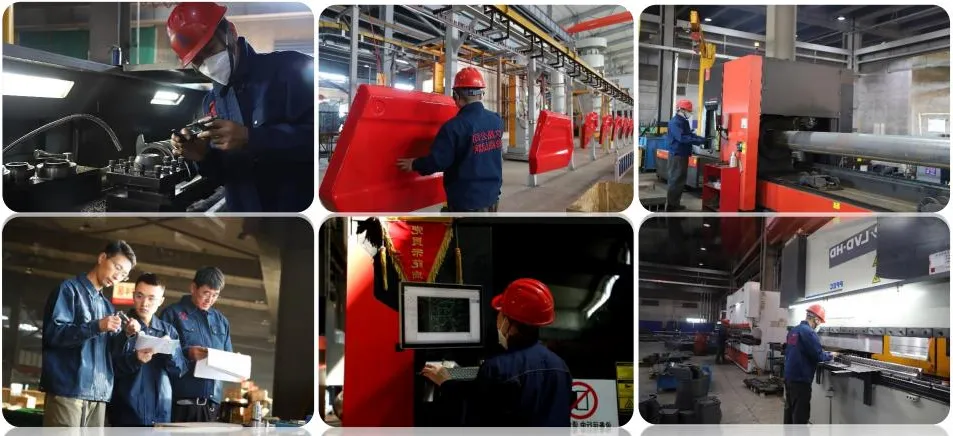
Når samtalen bliver til en pålidelig ensilagepresser til salg I Australien er Ever-power-maskiner bygget efter en standard, der afspejler de specifikke krav fra australske landbrugsforhold - store temperatursvingninger, forskellige afgrødetyper fra rajgræs til lucerne til kornensilage og forventningen om, at udstyret kører hårdt uden drama. Vores sortiment spænder over kompakte enheder, der er egnede til en ensilagepresser til lille gård drift helt op til maskiner med høj kapacitet til kommercielle mejeri- og oksekødsbedrifter.
Direkte levering fra fabrikken
Priser direkte fra producenten uden formidlende avancer, understøttet af fuld teknisk dokumentation og tilgængelighed af reservedele.
Ensilageklassificerede komponenter
Hvert bånd, hver rulle og hver tand er specificeret til ensilage – ikke nedgraderet fra en tør høplatform.
Australsk-baseret support
Vores team er placeret i Charlton Industrial Area og tilbyder lokal teknisk support og levering af reservedele inden for australske tidszoner.
Fuld modelserie
Fra kompakte 1,0 m kammermaskiner til mindre ejendomme til S9000 Beyond til storskala kommerciel drift.
Anbefalet produkt
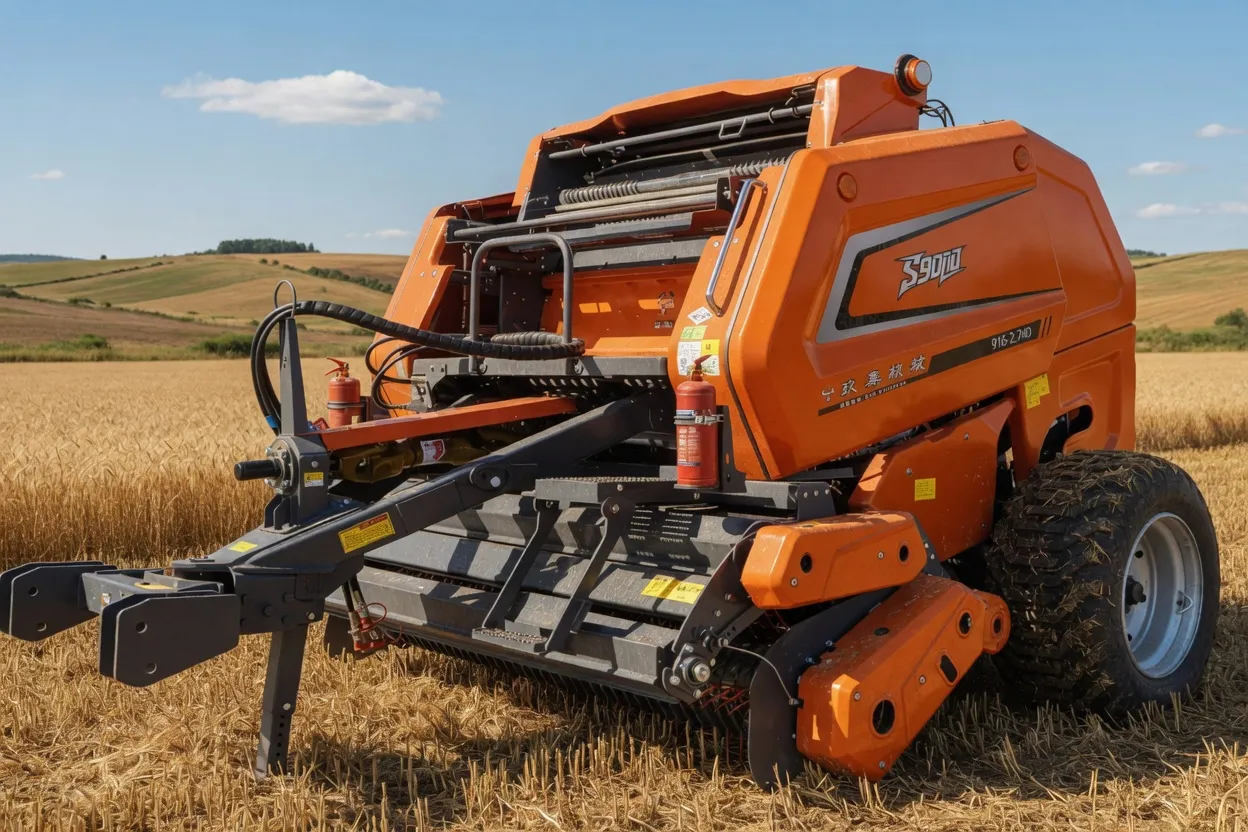
9YG-2.24D Rundballepresser — S9000 Beyond
Hvis vedvarende problemer med rundballedannelse har fået dig til at overveje at opgradere din ensilagepresserS9000 Beyond er topmodellen i Ever-power-serien. Dens design med variabelt kammer håndterer hele fugtighedsspektret af ensilageafgrøder - fra 40% til 70% - uden båndslip eller formationsstop. Forstærkede drivruller, et præcist netindpakningssystem og en forseglet lejepakke gør den til den mest tolerante maskine i serien til de krævende forhold, der forårsager formationsfejl i mindre udstyr.
S9000 Beyond er bygget til kommercielle mejeri-, oksekøds- og blandede virksomheder i hele Australien og adresserer alle de grundlæggende årsager, der er dækket i denne vejledning, på designniveau i stedet for at overlade dem til vedligeholdelse alene.

Ofte stillede spørgsmål
Almindelige spørgsmål om problemer med dannelsen af ensilageballepresseren

Australien Ever-power Forage Baller Co., Ltd.
📍 Charlton Industriområde, Australien