
Por que a manutenção de enfardadeiras de silagem é mais exigente do que a de feno?
Compreender o ambiente antes de definir o cronograma
Cada intervalo de manutenção em um enfardadeira de silagem É preciso entender o que acontece na prática com a máquina durante a operação de ensilagem. A silagem, com umidade entre 50 e 65 TP3T, libera suco vegetal continuamente durante todo o ciclo de enfardamento — um líquido ácido e rico em minerais que se deposita em todas as superfícies internas, penetra nas vedações dos rolamentos e começa a corroer os componentes de metal ferroso assim que entra em contato. Ao contrário do feno seco, que deixa pouco resíduo e apresenta risco mínimo de corrosão, o suco da silagem é ativamente prejudicial ao aço desprotegido, buchas de bronze e compostos de borracha. Essa não é uma diferença marginal — é por isso que os cronogramas de manutenção das enfardadeiras de silagem precisam ser fundamentalmente diferentes daqueles aplicados às enfardadeiras de feno, e não simplesmente versões mais frequentes das mesmas tarefas.
O fator peso agrava ainda mais a situação. Um fardo de silagem na classe de câmara de 1,25 m normalmente pesa de 30 a 45 toneladas a mais do que um fardo de feno equivalente, o que significa que cada componente mecânico — eixos de acionamento do recolhedor, roletes da câmara de enfardamento, tensionadores de correia, linhas de transmissão da tomada de força — opera sob uma carga sustentada proporcionalmente maior. A vida útil dos rolamentos é reduzida, as taxas de alongamento da correia são maiores e a proteção dos parafusos de cisalhamento é testada com mais frequência. Um regime de manutenção calibrado para feno irá sistematicamente subestimar a necessidade de manutenção desses componentes no uso para silagem, e a subestimação acumulada se manifesta como falhas inesperadas no meio da safra, no pior momento possível.
A lista de verificação neste guia está estruturada em torno de três fases de manutenção: pré-temporada (preparação antes do primeiro corte), durante a temporada (tarefas diárias e semanais durante campanhas ativas de ensilagem), e pós-temporada (Preparação para armazenamento no final da temporada). Cada fase tem um propósito distinto. O trabalho de pré-temporada identifica o desgaste antes que ele cause falhas em campo. O trabalho durante a temporada evita que pequenos problemas se tornem grandes. O trabalho de pós-temporada protege a máquina da corrosão ocorrida fora de temporada, que torna a próxima inspeção de pré-temporada mais extensa do que o necessário. Para a gama completa de máquinas enfardadeiras de silagem Disponível na Ever-power, visite nossas páginas de produtos.
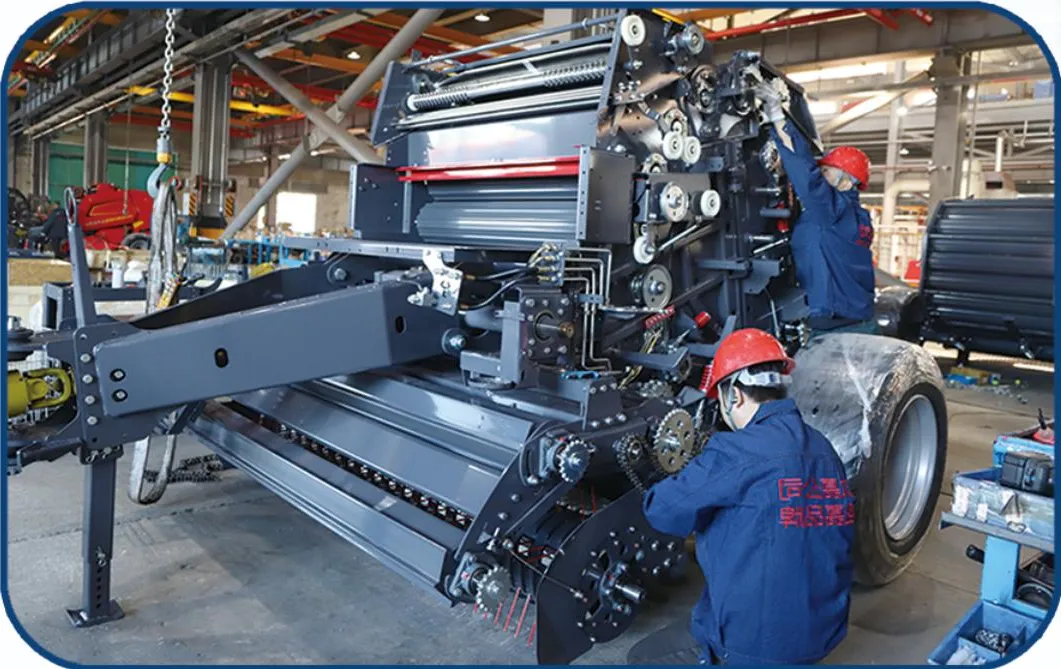
Lista de verificação da pré-temporada: Preparação antes do primeiro corte
Tudo o que deve ser feito antes da primeira utilização do PTO (Parceria Público-Privada).
A manutenção de pré-temporada é a fase mais importante das três — é quando você tem tempo, iluminação e acesso, algo que as condições de campo raramente proporcionam. Reserve meio dia inteiro para uma inspeção completa da enfardadeira de silagem na pré-temporada; tentar comprimir a inspeção em 30 minutos geralmente significa que os detalhes mais importantes são ignorados. O objetivo é identificar todos os componentes desgastados, corroídos ou próximos do fim de sua vida útil e realizar o reparo antes do primeiro corte, em vez de durante. Falhas em componentes durante o período de corte custam muito mais em perdas de colheita e interrupções logísticas do que o mesmo reparo feito no galpão duas semanas antes.
Verificações de pré-temporada do sistema de coleta
🔩 Dentes de coleta
Coloque todos os dentes lado a lado — substitua o conjunto completo se algum apresentar desgaste superior a 80% do comprimento original. Inspecione se há fissuras na base, onde os dentes se prendem às barras do carretel.
⚙️ Trilha de Câmera
Meça a largura da ranhura da came na zona de liberação. Substitua se estiver além da tolerância de desgaste do fabricante. Gire o carretel manualmente e verifique se a retração dos dentes é suave e consistente em todas as posições.
🔗 Corrente de acionamento do captador
Meça o alongamento da corrente com um medidor de desgaste. Substitua-a quando o alongamento atingir 3%. Verifique se os dentes da engrenagem apresentam desgaste em forma de gancho, o que indica que a corrente foi usada por tempo excessivo nessas engrenagens.
🛞 Rolamentos do eixo do carretel
Empurre lateralmente o eixo do carretel de recolhimento — substitua os rolamentos se a folga lateral exceder 2 mm. Verifique se há aspereza ou ruído girando lentamente com a mão após a limpeza.
Verificações de pré-temporada da correia e da câmara de combustão
🔗 Condição do conjunto de correias
Inspecione todas as correias quanto a rachaduras na superfície, vitrificação, exposição do cabo ou desgaste nas bordas. Substitua o conjunto completo se alguma correia apresentar esses sinais — nunca misture correias novas com usadas.
⭕ Rolos de acionamento
Gire cada rolo manualmente — substitua-o se sentir qualquer aspereza ou travamento. Meça o diâmetro do rolo em três pontos; uma variação superior a 2 mm indica desgaste irregular, exigindo substituição.
🔧 Molas Tensionadoras
Meça o comprimento livre da mola do tensionador em relação à especificação. Substitua-a se estiver mais curta que 10% — uma mola enfraquecida proporciona tensão inadequada na correia sob cargas de fardos de silagem, independentemente da posição de ajuste.
📐 Painéis laterais da câmara
Inspecione os painéis fixos da câmara para verificar se há deformações, rachaduras ou corrosão que possam alterar a geometria do fardo. Verifique se os pinos e travas das dobradiças da porta traseira têm folga — travas desgastadas causam pressão inconsistente na câmara durante a ejeção.
Verificações de pré-temporada do sistema de amarração/fixação
🔩 Perfil de Bill Hook
Compare o perfil da ponta com um anzol novo — substitua-o se o raio da ponta tiver aumentado visivelmente devido ao desgaste. Verifique a folga entre o anzol da ponta e o disco de amarração com um calibrador de lâminas e ajuste conforme a especificação.
🔪 Faca para fazer nós
Substitua a lâmina como medida padrão antes da temporada de inverno, pois a corrosão durante esse período a torna cega. Após instalar a nova lâmina, ajuste a folga entre a lâmina e o disco para 0,2–0,5 mm com um calibrador de lâminas.
📏 Sincronização da agulha
Gire manualmente o mecanismo de amarração e verifique se a ponta da agulha chega à zona de captura do gancho na posição de rotação correta. Ajuste se a sincronização tiver se desviado devido ao estiramento da corrente ou ao movimento de serviço.
🌀 Câmera de stripper
Meça a espessura da came em relação à especificação de desgaste. Verifique o sincronismo do contato da came no ciclo de rotação. Uma came com desgaste abaixo da especificação produzirá nós frouxos de forma consistente, independentemente do ajuste do tensionador.
Verificações de pré-temporada da transmissão e do sistema hidráulico da tomada de força
⚡ Parafusos de cisalhamento
Substitua todos os parafusos de cisalhamento por parafusos com a mesma especificação do fabricante no início de cada temporada, independentemente do estado em que se encontrem. Leve pelo menos 10 parafusos sobressalentes na caixa de ferramentas de campo.
🔗 Eixo da tomada de força
Inspecione os tubos do eixo telescópico quanto a travamentos ou corrosão que restrinjam a extensão completa. Verifique a folga da junta universal — mais de 2 a 3° de movimento livre indica desgaste das cruzetas. Lubrifique todas as conexões antes da temporada.
🛢️ Sistema Hidráulico
Verifique o nível e a cor do fluido hidráulico. Inspecione todas as mangueiras quanto a rachaduras, vazamentos ou corrosão nas conexões. Substitua qualquer mangueira que apresente rachaduras externas — o trabalho com silagem envolve flexão considerável das mangueiras, o que acelera a fadiga interna.
🔩 Óleo para caixa de câmbio
Verifique os níveis de óleo da caixa de engrenagens principal e de quaisquer caixas de engrenagens secundárias. Inspecione os bujões de drenagem e as vedações da caixa de engrenagens quanto a vazamentos. Troque o óleo se a máquina tiver excedido o intervalo de troca recomendado pelo fabricante em horas.
Manutenção durante a temporada: tarefas diárias durante campanhas ativas
O que deve acontecer em todos os dias de operação, sem exceção.
A manutenção diária durante a temporada é a disciplina que diferencia os operadores que perdem metade de um dia de colheita devido a uma falha evitável daqueles que concluem a campanha no prazo. As tarefas abaixo levam de 20 a 30 minutos ao final de cada dia de operação e devem ser concluídas enquanto a máquina ainda estiver acessível — e não na manhã anterior à próxima sessão, quando a descoberta de um problema significa um início atrasado. Para operadores australianos que operam em [localização não especificada]. enfardadeira de silagem para fazenda leiteira Em operações com janelas de colheita apertadas, a rotina diária é inegociável.
| Tarefa diária | Por que isso é importante na ensilagem? | O que procurar |
|---|---|---|
| Aplique graxa em todos os pontos de lubrificação marcados. | O suco vegetal remove a graxa das vedações dos rolamentos mais rapidamente do que em condições secas. | Resistência em cada ponto — conexões secas indicam uma passagem bloqueada que precisa ser limpa. |
| Limpe as correias e os roletes de transmissão. | Os resíduos de silagem reduzem o atrito da correia e endurecem se deixados durante a noite. | Desenvolvimento de vitrificação na superfície da correia, fissuras visíveis ou desgaste nas bordas |
| Inspecione os dentes de coleta. | Impactos de pedras durante o dia podem entortar os dentes da escavadeira sem que isso seja percebido durante a operação. | Quaisquer dentes tortos, rachados ou faltando — substitua antes da próxima sessão. |
| Inspecione o eixo de captação quanto a enrolamento. | Os talos de silagem e os fragmentos de corda se enrolam progressivamente no eixo. | Qualquer acúmulo de plantações ou cordas — remova antes que se torne denso. |
| Conjunto de nó limpo | Os resíduos de silagem enrijecem os pontos de articulação e alteram as folgas durante a noite. | Resíduos no gancho, nos passadores da linha e na faca — limpe com ar comprimido. |
| Aplique inibidor de corrosão no nó. | O ambiente da silagem corrói as lâminas e os garfos desprotegidos durante a noite. | Camada leve na ponta do bico, na borda afiada e na superfície do disco. |
| Verifique o fluido hidráulico e as mangueiras. | Os sistemas hidráulicos da caçamba trabalham intensamente na silagem — vazamentos se desenvolvem rapidamente sob carga. | Qualquer vazamento nas conexões das mangueiras ou nas vedações dos cilindros deve ser resolvido antes da próxima sessão. |
Manutenção durante a temporada: verificações semanais
Inspeções mais detalhadas que detectam problemas que a verificação diária deixa passar.
As verificações semanais são a defesa de nível intermediário contra o desgaste progressivo que a inspeção diária não detecta, pois se desenvolve muito lentamente para ser visível entre as sessões individuais. A variação da tensão da correia, o alongamento da corrente e o desgaste dos rolamentos se desenvolvem ao longo de dias, e não de horas — a verificação semanal é calibrada para detectar esses problemas no momento em que a correção ainda é simples. Para operações que executam vários cortes em curtos períodos, substitua "semanalmente" por "a cada 30 a 40 horas de operação" como o intervalo mais preciso para a verificação.
Verificação da tensão da correia
Verifique a deflexão no meio do vão de todas as correias. Reajuste a tensão de qualquer correia que apresente deflexão além da especificação. Inspecione as bordas da correia quanto ao desgaste causado pelo contato com os flanges dos rolos.
Tensão e condição da corrente
Verifique a tensão de todas as correntes de transmissão — corrente de recolhimento, corrente de enchimento e corrente de acionamento do atador. Ouça se há ruído de batida da corrente durante a próxima sessão de operação após o ajuste para confirmar a correção.
Verificação de rolamentos
Gire cada rolete de acionamento manualmente — qualquer aspereza ou aperto não presente na pré-temporada indica deterioração do rolamento, que deve ser corrigida antes do próximo corte.
Folgas do atador
Verifique a folga entre o gancho de corte e o disco, e entre a lâmina e o disco, utilizando um calibrador de folga. O acúmulo de resíduos de silagem pode alterar essas folgas entre as verificações semanais — reajuste-as se estiverem fora da especificação.
Nível de óleo da caixa de câmbio
Verifique os níveis de óleo da caixa de engrenagens principal e secundária semanalmente — um pequeno vazamento na vedação, que não justificaria uma verificação visual diária, pode reduzir o nível o suficiente para causar danos por superaquecimento em uma semana de funcionamento.
Verificação do torque dos fixadores
Verifique o torque dos fixadores críticos: parafusos de montagem do recolhedor de feno, parafusos da caixa do rolamento e parafusos de fixação da trava da porta traseira. A vibração da silagem afrouxa os fixadores mais rapidamente do que o feno seco.
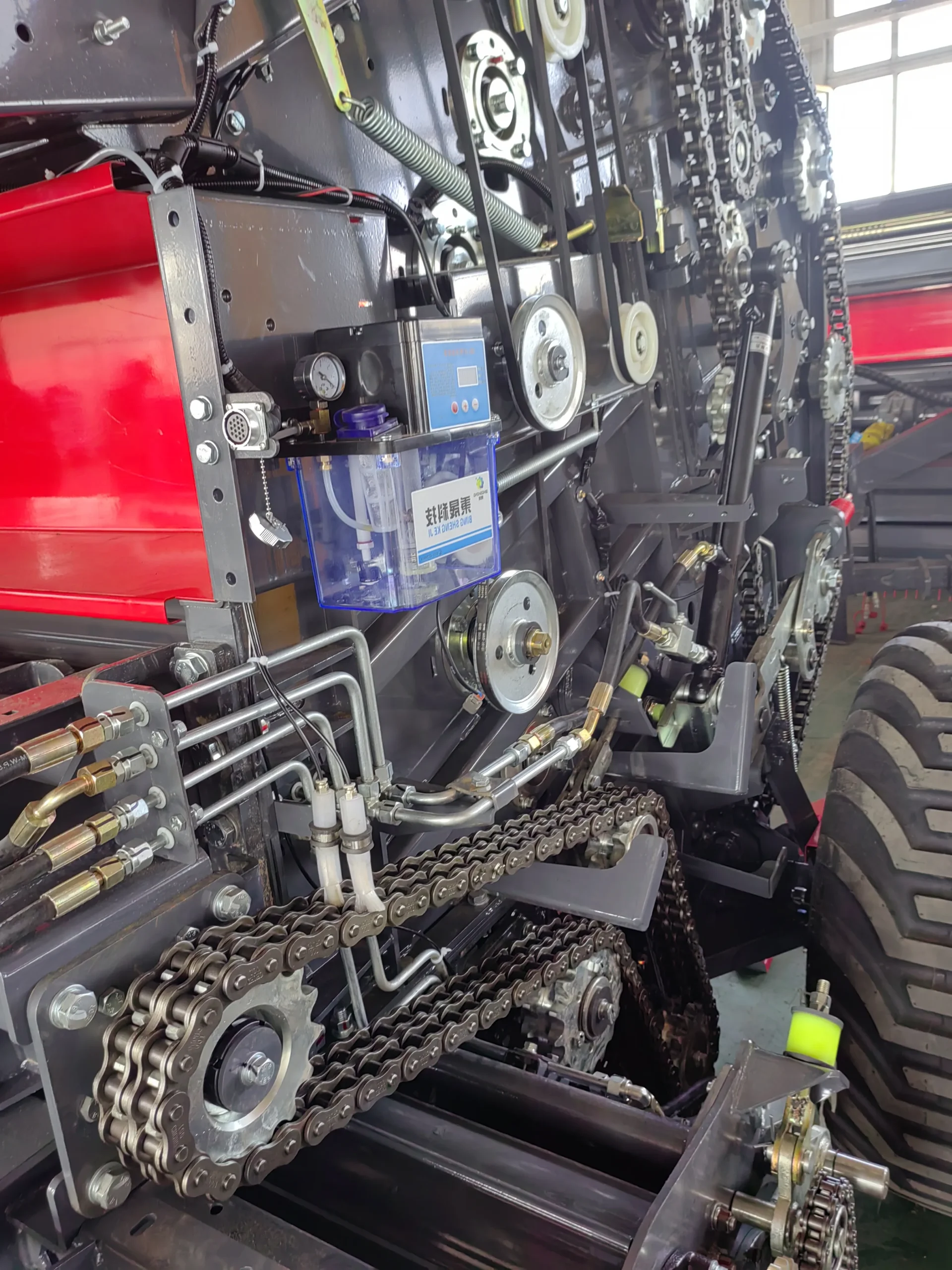
Lista de verificação pós-temporada: Preparação para armazenamento no final da campanha
Proteção da máquina durante o período de entressafra
A manutenção pós-temporada é a fase mais frequentemente negligenciada — o último corte é feito, o trator é necessário para outros trabalhos e a enfardadeira volta para o galpão com os resíduos de silagem acumulados no último dia. Este é o erro de manutenção mais caro que um operador pode cometer. Os resíduos de silagem deixados na máquina durante a entressafra atuam como um agente corrosivo contínuo — os ácidos vegetais presentes nos resíduos secos continuam atacando superfícies metálicas, compostos de borracha e vedações de rolamentos durante todo o período de armazenamento. Uma máquina armazenada corretamente exige metade do esforço para prepará-la para a próxima temporada; uma máquina armazenada suja pode exigir a substituição de componentes na pré-temporada, algo que os cuidados pós-temporada adequados teriam evitado.
Sequência de limpeza pós-temporada
Lave a máquina inteira com água pressurizada.
Use uma lavadora de alta pressão em toda a enfardadeira — correias, rolos, conjunto do atador, recolhedor, interior da câmara e transmissão. Deixe a máquina secar completamente antes de lubrificar — aplicar graxa em superfícies molhadas retém a umidade.
Lubrifique completamente todos os pontos de lubrificação.
Após a secagem, lubrifique todos os pontos de lubrificação marcados até que a graxa fresca seja expelida da vedação. O objetivo é remover qualquer umidade residual das cavidades do rolamento e formar uma película de graxa completa para o período de armazenamento.
Aplique proteção anticorrosiva ao metal exposto.
Pulverize o gancho de enfardamento, a lâmina, o disco de corda, os dentes de recolhimento e todas as superfícies dos rolos com um spray anticorrosivo. Dê atenção especial à parte interna da câmara de enfardamento, onde o contato com resíduos é maior.
Alivie a tensão da correia para armazenamento.
Durante o período de armazenamento, afrouxe os tensionadores da correia para reduzir a tensão a quase zero. A tensão prolongada durante o armazenamento causa a solidificação do plástico no composto de borracha da correia, reduzindo permanentemente sua elasticidade. Reajuste a tensão para as especificações de operação antes da próxima verificação de pré-temporada.
Documente todas as observações de desgaste.
Anote todos os componentes que apresentarem desgaste próximo ao limite, quaisquer falhas recorrentes durante a temporada e quaisquer ajustes que tenham sido necessários mais de uma vez. Essa lista servirá como ponto de partida para a próxima inspeção de pré-temporada, garantindo que nada descoberto nesta temporada seja esquecido antes do ano que vem.
Lista de verificação de manutenção geral
Imprima e guarde na caixa de ferramentas de campo.
| Tarefa | Diário | Semanalmente | Pré-temporada | Pós-temporada |
|---|---|---|---|---|
| Lubrifique todos os pontos de lubrificação. | ✓ | ✓ | ✓ | |
| Limpe as correias e os roletes de transmissão. | ✓ | ✓ | ||
| Inspecione os dentes de coleta. | ✓ | ✓ | ||
| Conjunto de nó limpo | ✓ | ✓ | ||
| Inspecione o eixo quanto ao enrolamento da colheita. | ✓ | |||
| Verifique a tensão da correia. | ✓ | ✓ | ||
| Verifique/ajuste a tensão da corrente de transmissão. | ✓ | ✓ | ||
| Gire os rolamentos de rolos manualmente. | ✓ | ✓ | ||
| verificação de folga do atador | ✓ | ✓ | ||
| Substituir parafusos de cisalhamento (conjunto completo) | ✓ | |||
| Substitua a faca de nó | ✓ | |||
| Alivie a tensão da correia para armazenamento. | ✓ | |||
| Aplique proteção anticorrosiva em todos os metais. | ✓ |
Peças sobressalentes para ter à mão durante a época de ensilagem.
Kit mínimo de peças sobressalentes para operações de ensilagem na Austrália
A diferença entre um conserto de 10 minutos no campo e uma espera de duas horas pela chegada de peças é quase sempre a disponibilidade da peça sobressalente correta na caixa de ferramentas do trator. A lista abaixo representa o kit mínimo de peças sobressalentes recomendado para qualquer trator. máquina enfardadeira de silagem durante uma campanha ativa. Para listas de peças e disponibilidade específicas do modelo, Entre em contato com nossa equipe da Área Industrial de Charlton. — Temos em estoque componentes para toda a linha Ever-power.
🔩 Parafusos de cisalhamento (×10, grau OEM)
Substitua os parafusos sempre que houver obstrução que impeça o rotor de funcionar. Nunca use parafusos de qualidade superior.
🔩 Dentes de coleta (×6, compatíveis com o modelo)
Os impactos de pedras durante o dia fazem com que os dentes da lâmina precisem ser substituídos na mesma sessão.
🔪 Faca de nó (×1 sobressalente)
Uma faca que perdeu o fio devido a detritos durante a sessão pode ser trocada imediatamente, em vez de terminar o dia com uma amarração ruim.
🛢️ Pistola de graxa + graxa para silagem
Lubrifique novamente qualquer rolamento que tenha superaquecido ou ficado exposto após a remoção de um bloqueio.
✂️ Cortadores de arame reforçados
Remova o fio de campo e o barbante velho do eixo do captador antes que ele se enrole e cause danos secundários.
💧 Medidor de umidade da forragem
Confirme se a umidade está dentro da faixa de enfardamento de 50–65% antes de começar — o item de manutenção mais barato da lista.
Ever-Power: Projetado para ser mantido, não apenas operado.
Funcionalidade como requisito de projeto, não como uma reflexão tardia.
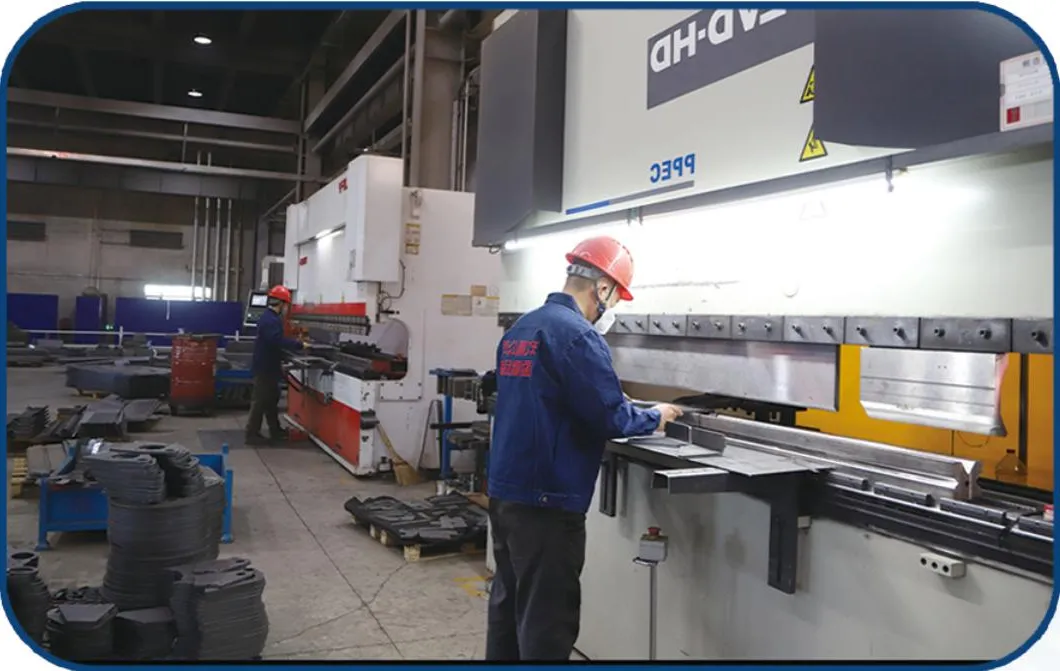
Ao avaliar um Enfardadeira de silagem à venda Na Austrália, a facilidade de manutenção merece tanta importância quanto as especificações de desempenho iniciais. As máquinas Ever-Power são projetadas com o acesso para manutenção como um requisito fundamental: os pontos de lubrificação estão localizados em locais onde uma pistola de graxa pode alcançá-los no campo sem desmontagem; os painéis de inspeção são posicionados para acesso visual a componentes de alto desgaste sem a necessidade de remover conjuntos principais; e o mecanismo de atamento é acessível a partir de um único ponto para toda a sequência de ajuste. Para os operadores australianos que trabalham sem o suporte de uma oficina autorizada por perto, essa abordagem de projeto se traduz diretamente na capacidade de realizar a manutenção completa na propriedade, em vez de exigir a presença de um especialista para tarefas de serviço de rotina. Informações completas sobre o produto e suporte estão disponíveis em nosso site. Página Sobre Nós.
Pontos de lubrificação acessíveis em campo
Todos os pontos de lubrificação marcados são acessíveis com uma pistola de graxa padrão, sem a necessidade de remover proteções ou painéis.
Acesso único para máquina de nós
Sequência completa de ajuste do mecanismo de amarração acessível a partir de um único painel de inspeção — sem necessidade de desmontagem parcial.
Estoque de peças australianas
Peças sobressalentes em estoque local Para todos os modelos — sem longos prazos de importação quando você precisa deles na alta temporada.
Documentação completa do operador
Cronogramas de manutenção completos e especificações de ajuste são fornecidos com cada máquina — sem necessidade de adivinhar intervalos ou tolerâncias.
Precisa de peças ou conselhos sobre manutenção?
Fale com nossa equipe de suporte para enfardadeiras de silagem.
Área Industrial de Charlton, Austrália — fornecimento de peças, orientações de manutenção e suporte técnico para todos os modelos Ever-power.
Perguntas frequentes
Perguntas frequentes sobre a manutenção sazonal da enfardadeira de silagem

Austrália Ever-power Forage Balers Co., Ltd.
📍 Área Industrial de Charlton, Austrália