ထုတ်ကုန်
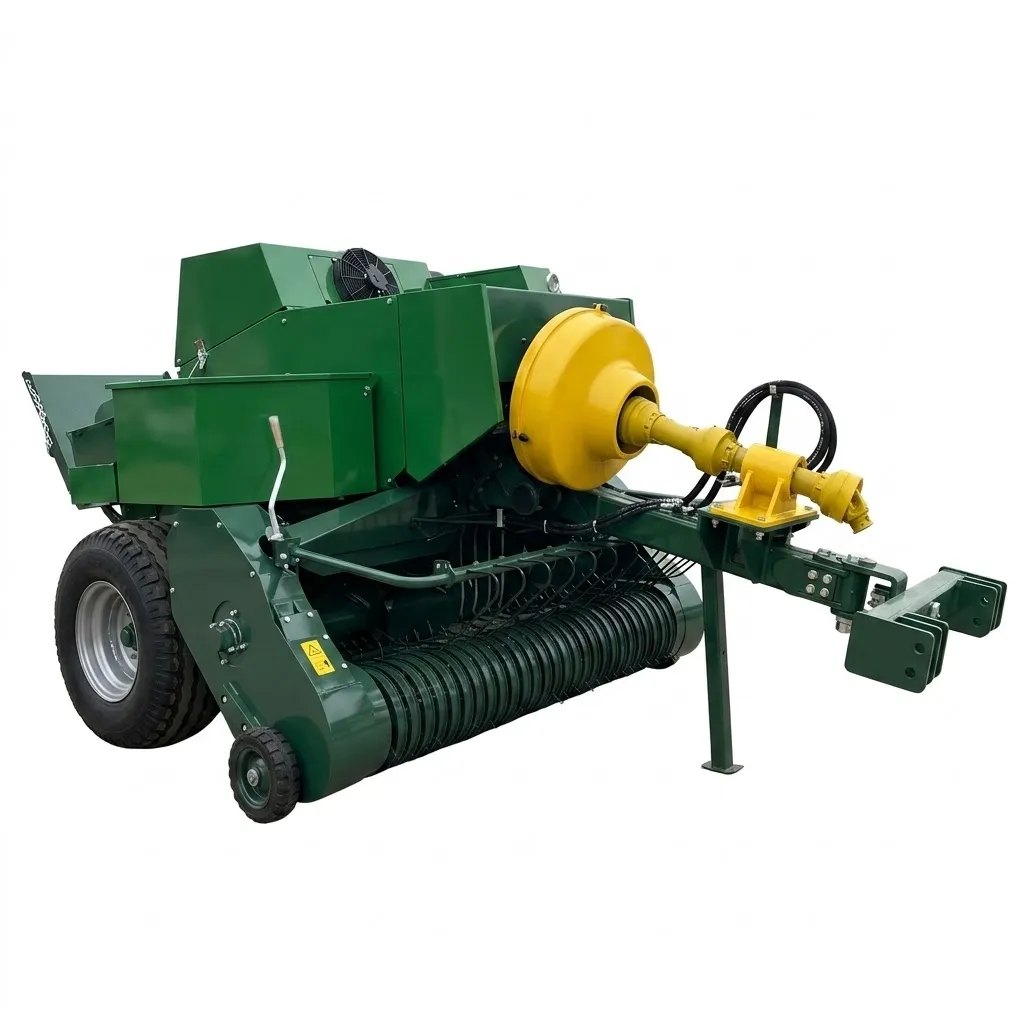
9YF-1700 လေးထောင့် မြက်ရိတ်စက် — ၁၇၀၀ မီလီမီတာ ပစ်ကပ်၊ ကျစ်လစ်သော ဝင်ပေါက်၊ ≥36.8 kW၊ 1950 ကီလိုဂရမ်
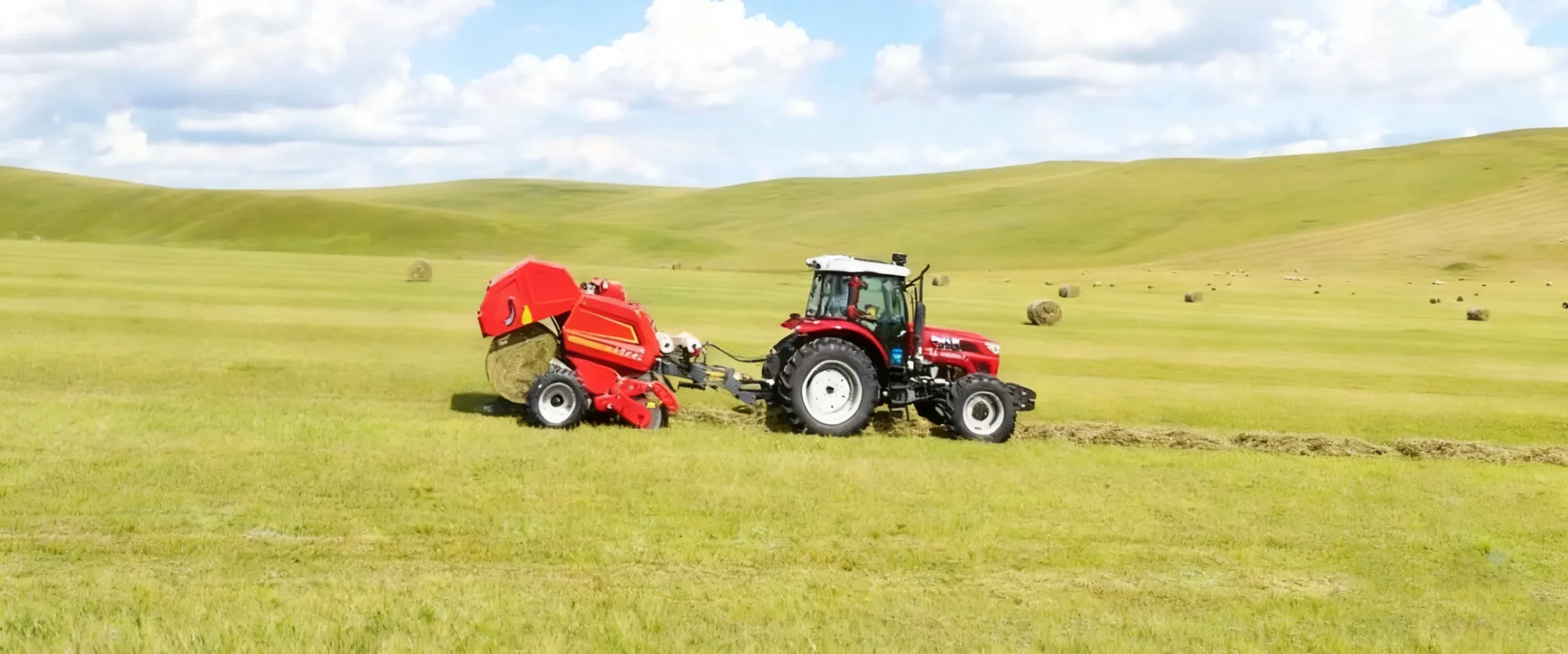
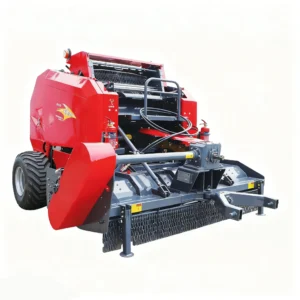
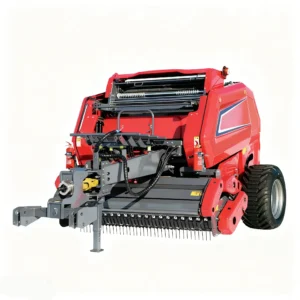
The 9YF-1700 is the most compact machine in the 9YF square baler series, with a 1700 mm spring-tooth pickup matched to windrows from 3–4 metre combine headers. Carries the full 9YF mechanical package: fork feeding, 2 × D-type automatic knotters, 460×360 mm compression chamber, ≥36.8 kW minimum power, 1950 kg. Suits smaller farms, tight paddock access, and single-operator baling.
Compact Square Baler with 1700 mm Pickup — Full 9YF Mechanical Package for Smaller Farms and Tighter Paddocks
The 9YF-1700 is the most compact machine in the Ever-power square baler series. At 1700 mm pickup width, it is designed for farms with 3–4 metre combine headers, mixed properties where paddock geometry — tight headlands, irrigation risers, windbreak tree lines, irregular boundaries — makes a wider reel impractical, and smaller operations where the annual baling volume does not justify the cost premium of a wider machine the windrow size does not require.
What the 9YF-1700 carries into this compact form is the complete 9YF mechanical package: fork feeding mechanism, 2 × D-type automatic knotters, 460×360 mm compression chamber, and ≥36.8 kW minimum power requirement. The machine weight of 1950 kg — identical to the 9YF-1900 and 9YF-2200 — reflects that the structural requirements of the compression and knotting system do not scale down with reel width. Bales from the 9YF-1700 are the same dimensions, the same density, and the same commercial grade as bales from the wider models in the series. For farms considering whether square or round baling suits their operation, our guide on round and square forage baler differences covers the key factors.
Australia Ever-power Forage Balers Co., Ltd. supplies the 9YF-1700 direct from Charlton Industrial Area, with Australian stock for all common wear parts including spring tines, knotter components, and feeder fork parts.
ပြီးပြည့်စုံသော နည်းပညာဆိုင်ရာ သတ်မှတ်ချက်များ
Full technical documentation on request — ကျွန်ုပ်တို့၏အဖွဲ့ကိုဆက်သွယ်ပါ။.
Why the Entry Model Is Not a Compromise — and What Tight Paddock Geometry Costs Larger Machines
The instinct to choose the widest baler available assumes that wider always means more efficient. On properties with 3–4 metre headers, irregular paddock shapes, or headland constraints, the opposite is often true — and the 9YF-1700 outperforms wider machines on these farms precisely because of its narrower reel, not despite it.
1700 mm — Matched to 3–4 m Header Windrow Width
The 9YF-1700's reel aligns with windrows produced by 3–4 metre combine headers — the most common header sizes on smaller Australian grain farms and mixed farming properties. When reel width matches windrow width, the full pickup zone is engaged across the crop; there are no idle tines running over bare soil at the edges. This matters for soil contamination, for tine wear, and for the operator's ability to track the windrow centreline visually from the cab.
What tight paddock geometry actually costs a wider machine
On a paddock with tree-lined boundaries, irrigation channel edges, or clustered gateways, a 2200 mm reel requires the operator to leave a larger windrow clearance from paddock obstacles — leaving more unrecovered windrow at each boundary on every pass. Over a 50 hectare paddock baled at typical row spacing, the accumulated edge loss from a wider reel than the windrow requires can represent a meaningful quantity of unrecovered straw. The 9YF-1700 eliminates this loss on farms where the reel-windrow match is correct.
Same Mechanical Package — Fork Feeder, D-Type Knotters, 460×360 mm Chamber
The 9YF-1700 carries the identical fork feeding mechanism, D-type knotter pair, and 460×360 mm compression chamber as the 9YF-1900 and 9YF-2200. The bale that comes out of a 9YF-1700 is the same bale that comes out of the wider models — same dimensions, same rope-tied format, same density, same commercial specification. The narrower pickup affects how much windrow you can capture per pass; it does not affect what you get at the other end of the machine.
460×360 mm — the bale format that scales with the operation
Farms that start on the 9YF-1700 and expand to the 9YF-1900 or 9YF-2200 later carry over their entire bale handling infrastructure without modification — shed stacking patterns, bale-handling equipment, transport configurations, and commercial buyer specifications all transfer directly. This continuity is the practical consequence of the standardised bale format across the full 9YF series.
D-Type Knotters — Reliable Tie for Single-Operator Small Farm Use
On a small farm where the baling operator is often also responsible for stacking, handling, and transporting bales, a missed tie creates disproportionate disruption compared to a large commercial operation with a separate crew available to re-run or manually tie loose bales. The D-type knotter's reliability in dry straw conditions — near 100% when daily maintenance is observed — is what makes single-operator baling practically viable. Daily inspection of bill hook timing, twine disc condition, and needle position takes two minutes; a missed tie mid-field takes much longer to address.
Bale length adjustment — managing weight for manual handling
On small farms where some bales are handled manually, adjusting the bale length counter to produce shorter bales at the same 460×360 mm cross-section reduces individual bale weight to a more manageable figure. Dense oaten hay or corn straw bales at full compression weight require mechanical handling; lighter wheat straw bales at shorter length are manageable by two people. Bale length adjustment is a setup parameter, not a hardware modification — contact our team for guidance on the adjustment procedure for your target crop weight.
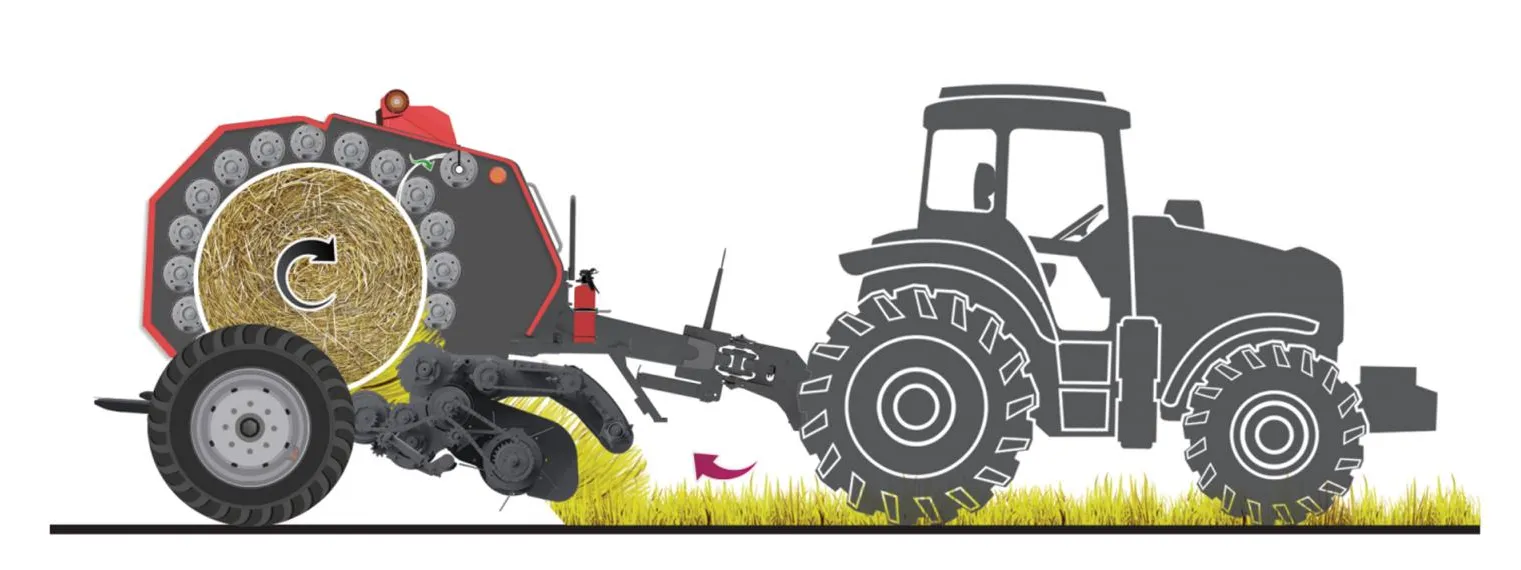
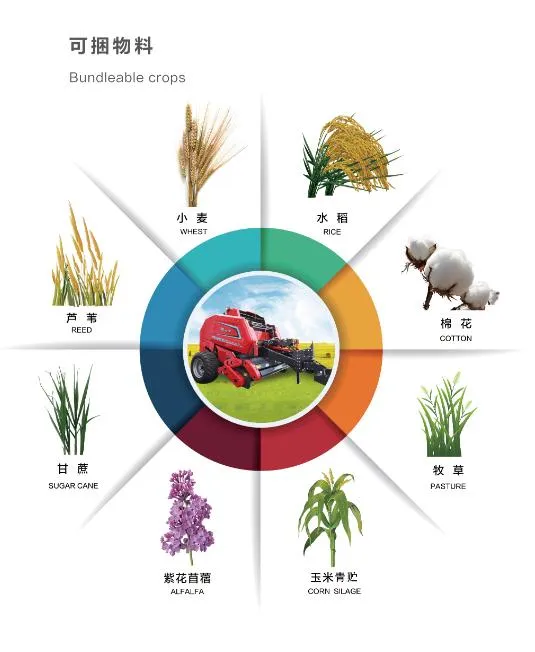
Dry Crops the 9YF-1700 Handles
The 9YF-1700 handles the same dry crop range as the wider 9YF models — pickup width does not restrict crop type compatibility, only windrow capture width per pass. Bale below 20% moisture for reliable rope-tying performance.
Wheat Straw
The 1700 mm reel aligns with windrows from 3–4 m combine headers. Wheat straw dries to baling moisture within 24–48 hours of fine post-harvest weather. Light, consistent windrows allow higher ground speed and maximum daily bale count within the narrow post-harvest window.
Rice Straw
Allow 2–3 dry days after harvest. The spring-tooth pickup handles paddy field surface irregularities. The 9YF-1700's narrower reel is particularly practical for tracking windrows along paddy bay irrigation boundaries, which often curve rather than run in straight lines across the field.
Oaten & Mixed Hay
Cured oaten hay and mixed pasture hay at 15–18% moisture bale cleanly. The fork feeder maintains consistent charging in variable-density windrows. Resulting bales suit livestock feed, farm-gate sales, and smaller-volume export hay supply.
Ryegrass & Forage Grasses
Ryegrass, vetch, clover, and mixed forage windrows cured to below 20% moisture. For high-moisture silage, the round baler with film wrap is the appropriate machine. For mixed properties that bale some paddocks as silage and others as dry hay in the same season, see our round baler range.
Barley Straw
Barley straw windrows from 3–4 m headers bale cleanly at the 1700 mm reel width. Barley straw is typically lighter and lower-density than wheat straw at the same header cut, allowing higher baling ground speed and more bales per field hour than denser crop types.
Alfalfa (cured)
Cured alfalfa at below 16% moisture for export, or 16–20% for domestic feed use. The fork feeder's consistent charging keeps leaf loss lower than variable-density compression. The 9YF-1700's 460×360 mm bale format meets export market specifications for the major Australian hay-exporting routes.
Who the 9YF-1700 Is Best Suited For
The 9YF-1700 is the right choice when smaller header size, tight paddock access, or moderate annual bale volume points to the narrowest option in the range — without surrendering commercial-grade bale quality.
✓
✓
✓
✓
→
→
→
→
9YF Series — Choosing by Header Size and Windrow Width
Running the 9YF-1700 Reliably Through the Baling Season
The same mechanical package as the wider 9YF models means the same operating principles apply. These six practices determine whether the season runs smoothly or loses time to preventable stoppages.
Bale Below 20% Moisture
Elevated moisture overloads the rope-tie cycle and shortens knotter component life. Wheat straw: 24–48 hours fine weather post-harvest. Rice straw: 2–3 dry days. Use a moisture meter — on a smaller farm with a single machine and no spare capacity, a knotter failure from elevated-moisture baling is significantly more disruptive than on a larger operation.
Match Speed to Windrow Weight
Light wheat or barley straw allows higher ground speed. Dense oaten hay or mixed pasture needs slower. The diagnostic signal is alternating full-size and short bales — feeder overload in the bale length pattern. Reduce speed until the pattern disappears and the next bale exits at full length.
Check Both Knotters Before Each Run
Bill hook timing, twine disc condition, needle position on both units. On a small farm where baling is often a one-person operation, an untied bale mid-field is more disruptive than on a larger operation with crew available to address it. Two minutes of pre-run inspection prevents this consistently.
Set Pickup Height for the Surface
Too low: soil contamination and tine wear. Too high: windrow edge losses and reduced bale weight. Adjust at the start of each new crop type. In rice paddy fields, verify the reel float mechanism is not locked — paddy surface variation requires the float to function throughout the day's run.
Grease at Every Fuel Stop
Multiple bearing and pivot points at 1950 kg machine weight — pickup, feeder drive, plunger, knotter drives. Summer harvest temperatures break down grease faster than once-per-day greasing can compensate for. Every fuel stop, every point. Dry bearings account for the majority of unplanned stoppages on this class of machine.
Clear the Chamber at Shutdown
Residual straw compressed overnight sets into a plug that resists the first morning plunger stroke. Run the machine for 20–30 seconds after the last bale to clear residual material through the chamber exit. This two-minute step at day's end saves 20–30 minutes of clearing the following morning — particularly important with rice straw, which sets harder than wheat straw when compressed and dried overnight.
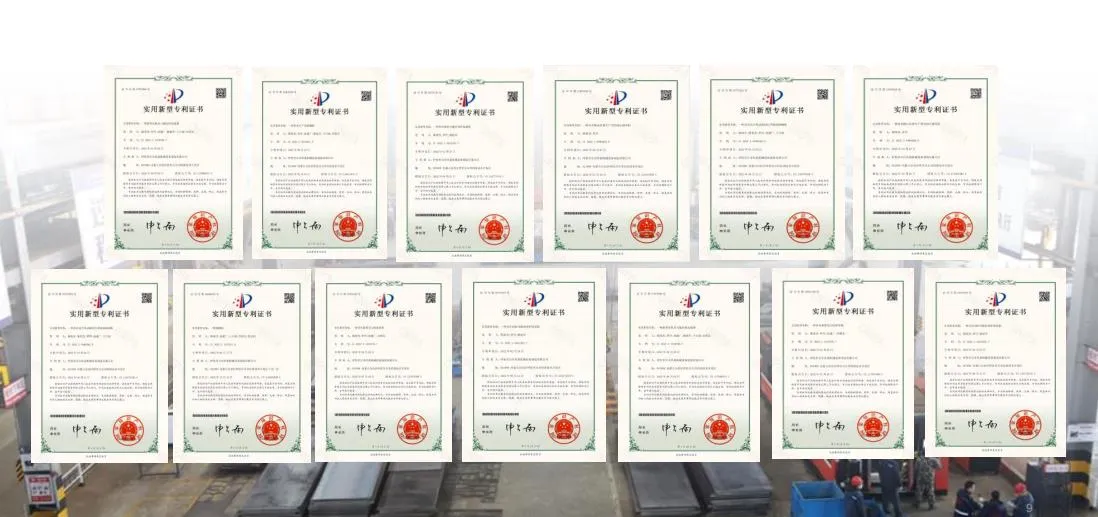
Factory-Direct Square Baler Supply — Commercial-Grade Quality at Accessible Entry Price
Australia Ever-power Forage Balers Co., Ltd., Charlton Industrial Area. About our supply model and team.
Factory-Direct Pricing
Ever-power manufactures and exports the 9YF-1700 directly, removing importer, distributor, and dealer margins. For smaller farms evaluating the cost of entry into commercial-grade square baling, the direct supply model significantly reduces the machine investment required for the same mechanical specification.
သြစတြေးလျ အပိုပစ္စည်းများ စတော့ရှယ်ယာ
Spring tines, D-type knotter components, feeder fork parts, and rope guides stocked at Charlton Industrial Area. Most common wear items dispatch within 1–2 business days. Contact us at [email protected] or use the စုံစမ်းမေးမြန်းမှုပုံစံ to arrange a pre-season parts kit before harvest begins.
Setup Support for First-Season Users
Our Australian team provides first-season guidance on knotter timing, pickup height calibration, bale length adjustment for your target crop weight, and twine specification. For buyers new to square baling, we walk through the machine's setup and maintenance requirements as part of the purchase — not as a separate consultation. Documentation in English.
အမေးများသောမေးခွန်းများ
Common questions from smaller farms, mixed operations, and first-time square baler buyers evaluating the 9YF-1700.