ထုတ်ကုန်
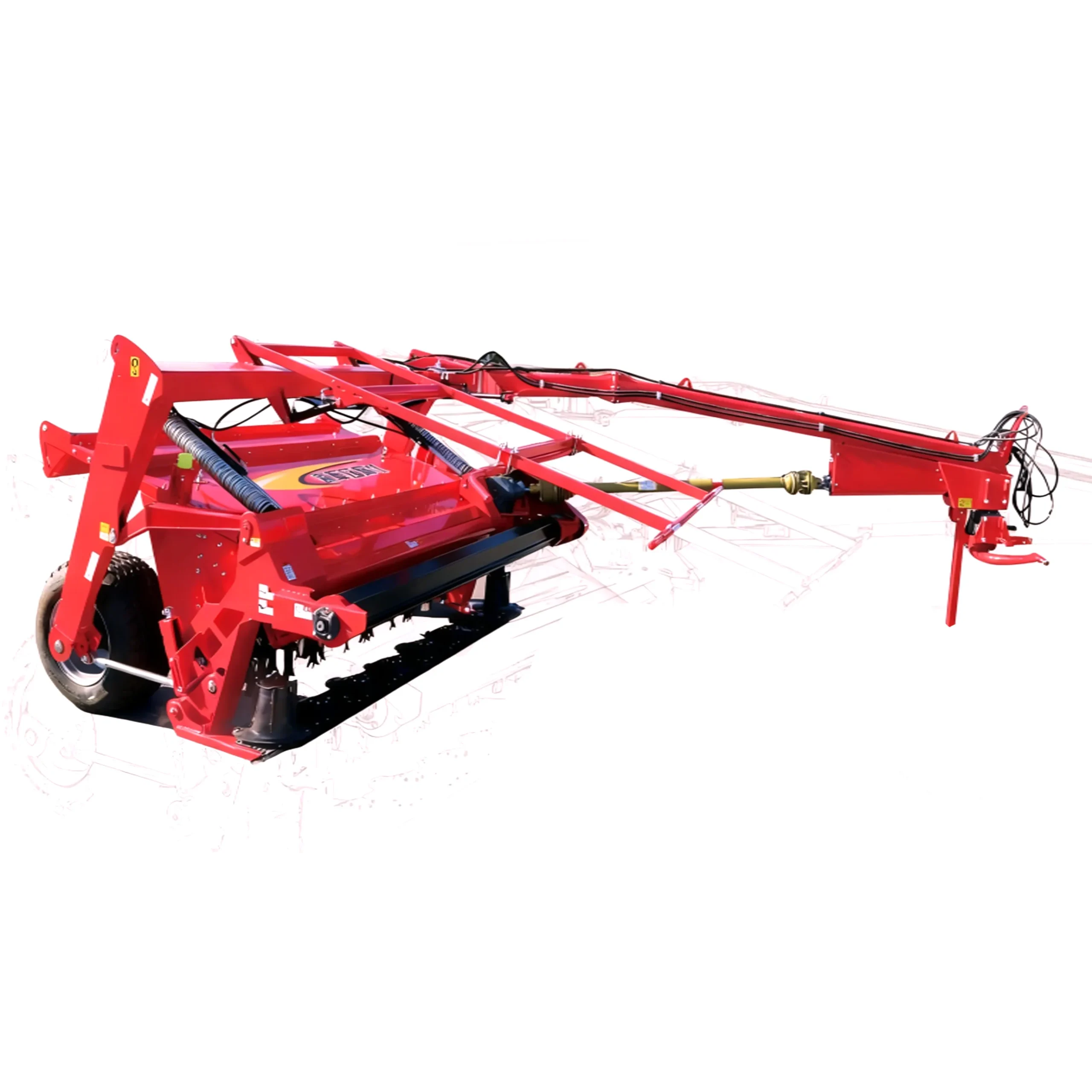
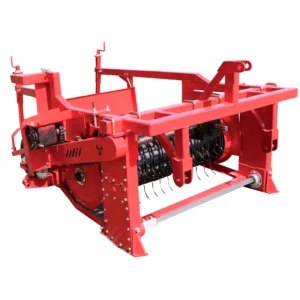
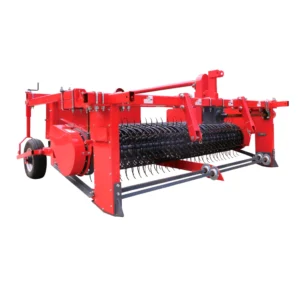
မြက်ရိတ်စက်-ပြုပြင်စက် 9GQY-3.2 မော်ဒယ်
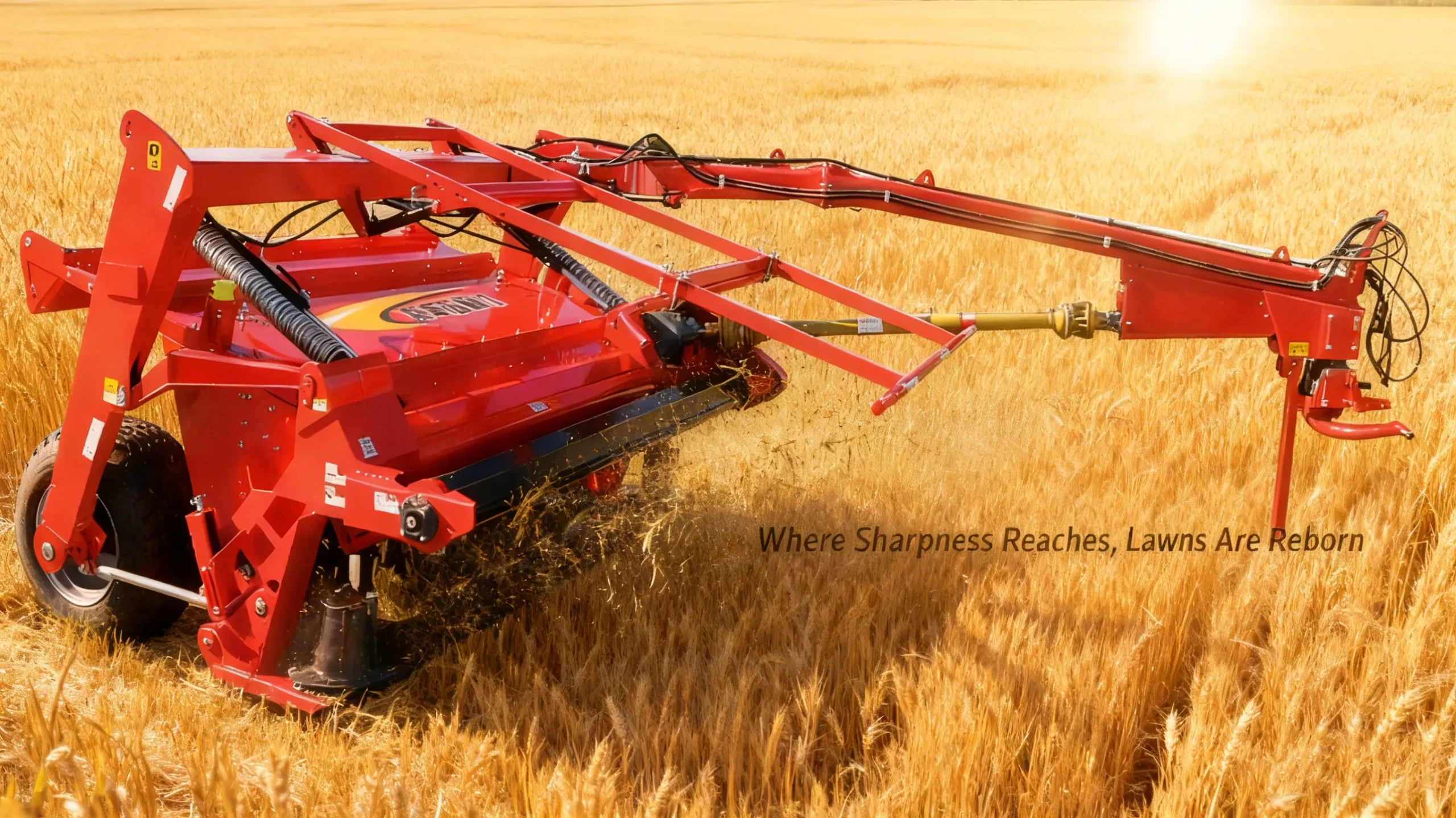
9GQY-3.2 မြက်ရိတ်စက်-ပြုပြင်စက်သည် ဩစတြေးလျအခြေအနေများတွင် မြက်ရိတ်စက်ကို ထိရောက်စွာရိတ်သိမ်းရန်အတွက် ဒီဇိုင်းထုတ်ထားသော ဘေးတိုက်ဆွဲအားလှည့် မြက်ရိတ်စက်-ပြုပြင်စက်တစ်ခုဖြစ်သည်။ ဖြတ်တောက်ခြင်းအကျယ် ၃.၂ မီတာနှင့် ထင်ရှားသော သွားပြုပြင်စနစ်ပါရှိသောကြောင့် မြက်ခင်း၊ မြက်ပင်နှင့် ကောက်ပဲသီးနှံများအတွက် မြန်ဆန်ပြီး တစ်ပြေးညီ ညှိုးနွမ်းခြင်းကို ပေးစွမ်းသည်။ ≥110 hp လိုအပ်သောကြောင့် John Deere (6M/6R Series)၊ Case IH (Maxxum Series)၊ New Holland (T6/T7)၊ CLAAS (Arion Series) နှင့် Massey Ferguson (5700–7700 Series) ကဲ့သို့သော ထုတ်လုပ်သူများထံမှ ထွန်စက်များနှင့် တွဲဖက်အသုံးပြုနိုင်ပါသည်။ ၎င်းသည် မြက်ခြောက်နှင့် ဆီလာ့ဂျ်စနစ်များတွင် အသုံးပြုသော အဝိုင်းနှင့် လေးထောင့်ပုံ ကောက်နှံစုစက်များ၊ မြက်ခြောက်လှန်းယာဉ်များနှင့် ကောက်ပဲသီးနှံများ သယ်ယူပို့ဆောင်ရေးယာဉ်များနှင့် ချောမွေ့စွာ ပေါင်းစပ်အသုံးပြုနိုင်သည်။
ထုတ်ကုန် ကန့်သတ်ချက်များ
| စီးရီးနံပါတ် | ကုသိုလ်ကံ | ယူနစ် | သတ်မှတ်ချက် |
|---|---|---|---|
| 1 | မော်ဒယ်အမည် | / | 9GQY-3.2 မြက်ရိတ်စက်-အေးစက်စက် |
| 2 | ဆွဲငင်/ချည်နှောင်နည်းလမ်း | / | ဘေးတိုက်ဆွဲအားအမျိုးအစား |
| 3 | ဖြတ်တောက်ခြင်း အကျယ် | မီတာ | 3.2 |
| 4 | ဖြတ်စက်ဖွဲ့စည်းပုံအမျိုးအစား | / | လည်ပတ်အမျိုးအစား |
| 5 | ကတ်တာခေါင်း အရေအတွက် | ပီစီများ | 8 |
| 6 | ဆံပင်ပျော့ဆေး အမျိုးအစား | / | Striking သွားတိုက်ဆေး |
| 7 | ခင်းထားသော အကျယ် | မီတာ | 0.8-2.2 |
| 8 | ကိုက်ညီသော ပါဝါအပိုင်းအခြား | ကီလိုဝပ်/မြင်းကောင်ရေ | ≥၈၀.၈၈/၁၁၀ |
| 9 | လည်ပတ်မှုအမြန်နှုန်းအပိုင်းအခြား | ကီလိုမီတာ/နာရီ | ၆~၁၅ |
| 10 | PTO ရှပ်အမြန်နှုန်း | r/မိနစ် | 540-1000 |
| 11 | ရွေ့လျားနေသော ဓါးသွားအရေအတွက် | ပီစီများ | 16 |
| 12 | အလုံးစုံအတိုင်းအတာ (အလျား×အနံ×အမြင့်) | မီလီမီတာ | ၆၇၅၀ × ၃၅၀၀ × ၂၀၀၀ |
| 13 | ပျမ်းမျှဖြတ်တောက်မှုအမြင့် | မီလီမီတာ | ၅၀ ထက် ပို |
| 14 | အော်ပရေတာအရေအတွက် | လူ | 1 |
| 15 | ဖွဲ့စည်းပုံဆိုင်ရာ အလေးချိန် | ကီလိုဂရမ် | 2185 |
မြက်ရိတ်စက်-ပြုပြင်စက် 9GQY-3.2 မော်ဒယ်
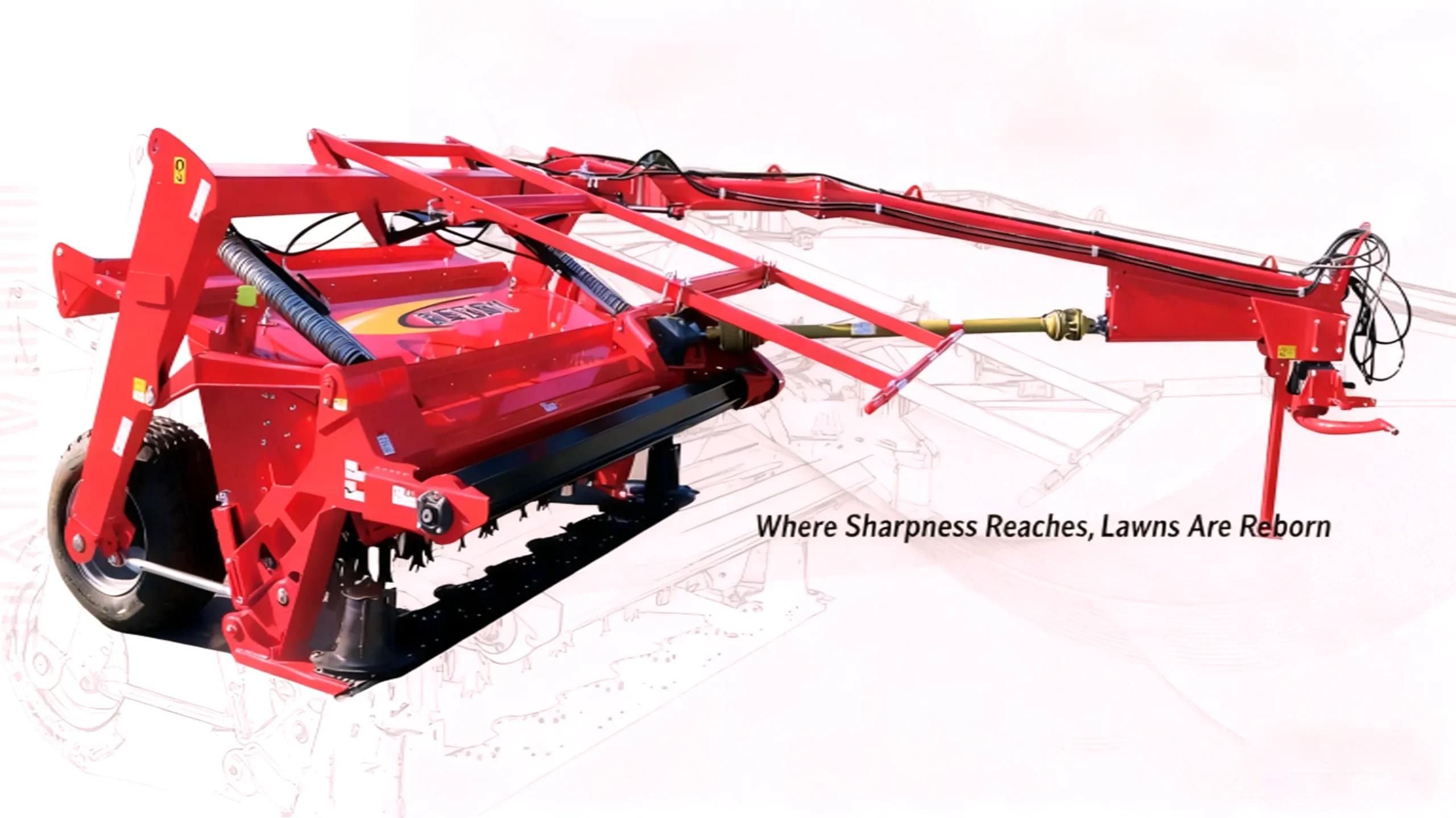
ဩစတြေးလျ မြက်စား ထုတ်လုပ်မှုတွင် အောင်မြင်မှုကို သင် မြက်မည်မျှ စိုက်ပျိုးသည်ဆိုသည့်အပေါ် မူတည်၍ ရှားပါးပြီး ရာသီဥတု ကျဉ်းမြောင်းသော ကာလအတွင်း မည်မျှ ထိရောက်စွာ ရိတ်သိမ်းသည်ဆိုသည့်အပေါ် မူတည်ပါသည်။ Victoria တွင် နို့စားနွားများအတွက် ryegrass silage ထုတ်လုပ်နေသည်ဖြစ်စေ၊ NSW Riverina တွင် lucerne hay၊ တောင်ဩစတြေးလျတွင် ရောနှော မြက်ခြောက် ထုတ်လုပ်နေသည်ဖြစ်စေ၊ သို့မဟုတ် Western Australia တွင် export-grade oaten hay ထုတ်လုပ်နေသည်ဖြစ်စေ၊ ထိုမူသည် အကျုံးဝင်ပါသည်- အချိန်ကိုက်ခြင်းသည် အရည်အသွေးကို သတ်မှတ်ပြီး အရည်အသွေးသည် အကျိုးအမြတ်ကို သတ်မှတ်သည်။
ဩစတြေးလျတစ်ဝှမ်းတွင် မြက်ရိတ်စက်ထုတ်လုပ်သူများသည် အဖြစ်များသောစိန်ခေါ်မှုများနှင့် ရင်ဆိုင်နေရသည်။ လတ်လတ်ဆတ်ဆတ်ဖြတ်တောက်ထားသော မြက်ရိတ်စက်တွင် အစိုဓာတ် 75–80% ပါဝင်ပြီး ရိတ်ပြီးနောက် ဆက်လက်ရှူရှိုက်ကာ အစိုဓာတ်အဆင့်ကျဆင်းသွားသည်အထိ အဖိုးတန်ခြောက်သွေ့သောပစ္စည်းများကို စားသုံးသည်။ လယ်ကွင်းကို ကြာရှည်စွာအခြောက်ခံခြင်းသည် ထုပ်ပိုးပြီးနောက် ခြောက်သွေ့သောပစ္စည်းများဆုံးရှုံးမှု၊ အရွက်များကွဲအက်ခြင်း၊ ရာသီဥတုပျက်စီးခြင်း၊ မှိုတက်ခြင်းနှင့် မီးလောင်မှုအန္တရာယ်များကိုပင် တိုးစေသည်။ ဩစတြေးလျစိုက်ပျိုးရေးအာဏာပိုင်များ၏ သုတေသနနှင့် တိုးချဲ့လမ်းညွှန်ချက်များသည် မြက်ရိတ်စက်အရည်အသွေးကိုကာကွယ်ရန် မြန်ဆန်စွာထိန်းချုပ်ထားသော ညှိုးနွမ်းခြင်း၏ အရေးပါမှုကို အဆက်မပြတ်အလေးပေးဖော်ပြသည်။
ဤနေရာတွင် မြက်ရိတ်စက်-ပြုပြင်စက်သည် ခေတ်မီမြက်စားစနစ်များတွင် အဆုံးအဖြတ်ပေးသော အခန်းကဏ္ဍမှ ပါဝင်ပါသည်။ တစ်ကြိမ်တည်းတွင် ဖြတ်တောက်ခြင်းနှင့် ပြုပြင်ခြင်းကို ပေါင်းစပ်ခြင်းဖြင့် မြက်ရိတ်စက်-ပြုပြင်စက်သည် အပင်ပင်စည်များမှ အစိုဓာတ်ဆုံးရှုံးမှုကို အရှိန်မြှင့်ပေးပြီး မြက်ရိတ်ခြင်းနှင့် ထုပ်ပိုးခြင်း သို့မဟုတ် စုဆောင်းခြင်းကြား အချိန်ကာလကို တိုတောင်းစေပြီး ခြံတစ်လျှောက်တွင် တသမတ်တည်းဖြစ်မှုကို ပိုမိုကောင်းမွန်စေသည်။ ရလဒ်အနေဖြင့် ထုတ်လုပ်သူများသည် အရည်အသွေး၊ ထောက်ပံ့ပို့ဆောင်ရေးနှင့် အလုပ်သမားအသုံးပြုမှုကို ပိုမိုထိန်းချုပ်နိုင်မည်ဖြစ်သည်။
မြက်ရိတ်စက်-ပြုပြင်စက်သည် သီးခြားစက်တစ်ခုမဟုတ်ကြောင်း အချက်သည် ထပ်တူအရေးကြီးပါသည်။ ၎င်း၏တကယ့်တန်ဖိုးသည် ကောက်ရိုးစုခြင်း၊ ထုပ်ပိုးခြင်း၊ ထုပ်ပိုးခြင်းနှင့် အထူးသဖြင့် - သယ်ယူပို့ဆောင်ရေးလှည်းများပါဝင်သည့် မြက်ရိတ်ကွင်းဆက်တစ်ခုလုံး၏ ပထမခြေလှမ်းအဖြစ် လုပ်ဆောင်သည့်အခါတွင်သာ ပေါ်ပေါက်လာပါသည်။ သယ်ယူပို့ဆောင်ရေးလှည်းများသည် မြက်ရိတ်စက်ကို လယ်ကွင်းမှ လျင်မြန်စွာဖယ်ရှားနိုင်ခြင်း၊ မိုးရေချိန်မှကာကွယ်ခြင်းနှင့် သိုလှောင်ရုံ၊ ဆီလာ့ဂျ်ကျင်းများ သို့မဟုတ် အစာကျွေးစနစ်များသို့ ထိရောက်စွာပို့ဆောင်နိုင်ခြင်း ရှိ၊ မရှိကို ဆုံးဖြတ်ပေးပါသည်။
9GQY-3.2 မြက်ရိတ်စက်ကို ဤသြစတြေးလျအခြေအနေများအတွက် တိကျစွာ တီထွင်ထုတ်လုပ်ထားပါသည်။ မီတာ ၃.၂ ဖြတ်တောက်ခြင်းအကျယ်၊ ဘေးတိုက်ဆွဲအားဒီဇိုင်းနှင့် ထင်ရှားသောသွားများ အားဖြည့်ပေးသည့်စနစ်ဖြင့် ၎င်းသည် သယ်ယူပို့ဆောင်ရေးလှည်းများနှင့် အောက်ပိုင်းမြက်ရိတ်စက်များနှင့် ချောမွေ့စွာပေါင်းစပ်နေစဉ်တွင် သီးနှံအမျိုးမျိုးတွင် ယုံကြည်စိတ်ချရသော မြက်ရိတ်စွမ်းဆောင်ရည်ကို ပေးစွမ်းသည်။ ၎င်း၏အခန်းကဏ္ဍမှာ ရှင်းပါသည်- ရာသီဥတုတိုတောင်းသော အခွင့်အလမ်းများကို တသမတ်တည်းရှိပြီး အကျိုးအမြတ်ရှိသော မြက်ရိတ်ရလဒ်များအဖြစ် ပြောင်းလဲရန်ဖြစ်သည်။
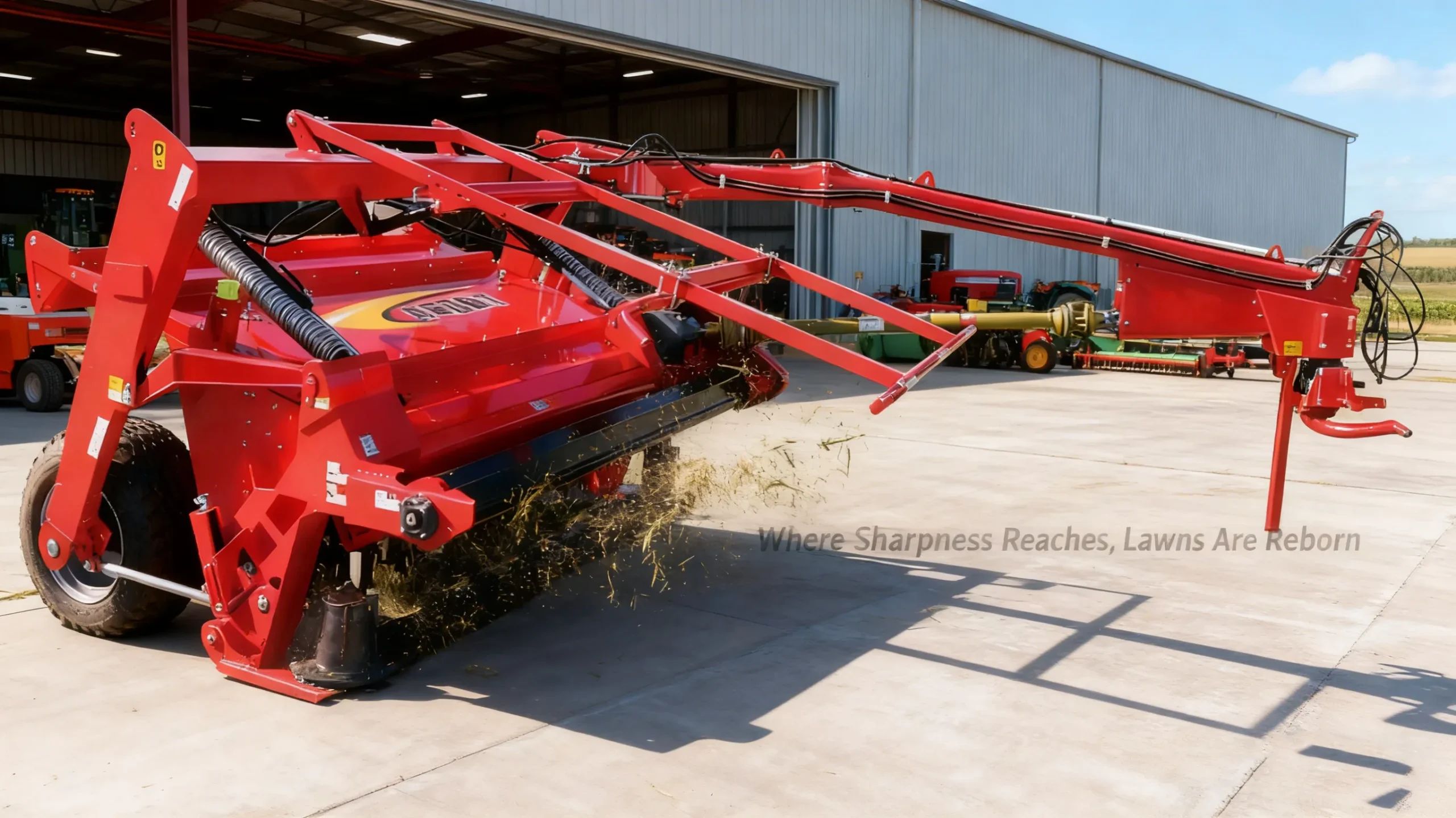
မြက်ရိတ်စက်-အေးစက်များအတွက် နည်းပညာဆိုင်ရာ သတ်မှတ်ချက်များနှင့် ရွေးချယ်မှုလမ်းညွှန်
နည်းပညာဆိုင်ရာ သတ်မှတ်ချက်များကို နားလည်ခြင်းသည် မရှိမဖြစ်လိုအပ်သော်လည်း၊ စစ်မှန်သောတန်ဖိုးမှာ ထိုသတ်မှတ်ချက်များသည် သြစတြေးလျလယ်ကွင်းစွမ်းဆောင်ရည်နှင့် စနစ်လိုက်ဖက်ညီမှု—အထူးသဖြင့် သယ်ယူပို့ဆောင်ရေးလှည်းများနှင့် မည်သို့ပြောင်းလဲသည်ဆိုသည့်အချက်တွင် တည်ရှိသည်။
ဤသတ်မှတ်ချက်များသည် သြစတြေးလျအခြေအနေများတွင် အဘယ်အရာကိုဆိုလိုသနည်း။
၃.၂ မီတာ ဖြတ်တောက်နိုင်သော အကျယ်သည် ထုတ်လုပ်မှုနှင့် ရွေ့လျားနိုင်မှုကြား လက်တွေ့ကျသော ဟန်ချက်ညီမှုကို ဖြစ်ပေါ်စေပါသည်။ ၎င်းသည် အလွန်အမင်း ထွန်စက်မြင်းကောင်ရေ မလိုအပ်ဘဲ နေ့စဉ်ထုတ်လုပ်မှုကို သိသိသာသာ တိုးတက်ကောင်းမွန်စေသောကြောင့် သြစတြေးလျ ရောနှောခြံများနှင့် ကန်ထရိုက်တာများစွာအတွက် သင့်လျော်ပါသည်။
ဘေးတိုက်ဆွဲငင်အားဒီဇိုင်းသည် တည်ငြိမ်မှုနှင့် မြင်နိုင်စွမ်းကို မြှင့်တင်ပေးသည့်အပြင် ထွန်စက်များ၊ ထုပ်ပိုးစက်များနှင့် သယ်ယူပို့ဆောင်ရေးလှည်းများနှင့် ချိန်ညှိမှုကို ရိုးရှင်းစေသည်။ ဤအပြင်အဆင်သည် စက်ယန္တရားများသည် လယ်ကွင်းများကြားနှင့် လယ်ယာလမ်းများတစ်လျှောက် ထိရောက်စွာ ရွေ့လျားရမည့် လုပ်ငန်းဆောင်တာများအတွက် အထူးတန်ဖိုးရှိပါသည်။
ချိန်ညှိနိုင်သော ገልባ့အကျယ်သည် အရေးကြီးသောအင်္ဂါရပ်တစ်ခုဖြစ်သည်။ ገልባ့ကျယ်များသည် တောင်ပိုင်းဗစ်တိုးရီးယားကဲ့သို့သော စိုစွတ်သောဒေသများတွင် ပိုမိုမြန်ဆန်စွာညှိုးနွမ်းခြင်းကို မြှင့်တင်ပေးပြီး၊ ကျဉ်းမြောင်းသော ገልባ့များသည် ထုပ်ပိုးစက်များနှင့် မြက်စားလှည်းများနှင့် ပိုမိုကောင်းမွန်စွာ တွဲဖက်အသုံးပြုနိုင်စေပါသည်။ ဤချိန်ညှိနိုင်မှုသည် သယ်ယူပို့ဆောင်ရေးလှည်းများထဲသို့ ပစ္စည်းစီးဆင်းမှုကို ချောမွေ့စေပြီး ပိတ်ဆို့မှုများနှင့် မညီမညာတင်ဆောင်မှုကို လျှော့ချပေးပါသည်။
ထင်ရှားသော သွားပြုပြင်ဆေးသည် ဩစတြေးလျ၏ ကွဲပြားသော မြက်ခင်းမျိုးစိတ်များနှင့် ကိုက်ညီသော ခိုင်မာပြီး သီးနှံဒဏ်ခံနိုင်သော ဖြေရှင်းချက်ကို ပေးစွမ်းသည်။ ၎င်းသည် မတူညီသော သီးနှံသိပ်သည်းဆများတွင် တသမတ်တည်း ထွက်နှုန်းကို ထိန်းသိမ်းထားစဉ်တွင် ပင်စည်အစိုဓာတ်ဆုံးရှုံးမှုကို အရှိန်မြှင့်ပေးသည်။
စနစ်အခြေပြုရွေးချယ်မှု- မြက်ရိတ်စက်-ပြုပြင်စက်ကို သယ်ယူပို့ဆောင်ရေးလှည်းများနှင့် တွဲစပ်ခြင်း
သယ်ယူပို့ဆောင်ရေးစွမ်းရည်ကို ထည့်သွင်းစဉ်းစားခြင်းမရှိဘဲ မြက်ရိတ်စက်-ပြုပြင်စက်ကို ရွေးချယ်ခြင်းသည် မြက်စားစနစ်များတွင် အဖြစ်အများဆုံး စွမ်းဆောင်ရည်ညံ့ဖျင်းမှုများထဲမှ တစ်ခုဖြစ်သည်။ ပိုမိုထိရောက်သော ချဉ်းကပ်မှုတစ်ခုသည် ချိန်ညှိမှုသုံးခုကို အာရုံစိုက်သည်-
ထုတ်လုပ်မှု ညှိနှိုင်းမှု- ဖြတ်တောက်နိုင်စွမ်းသည် သယ်ယူပို့ဆောင်ရေးလှည်းရရှိနိုင်မှုနှင့် ကိုက်ညီရမည်။ လှည်းများသည် မြက်များကို လျင်မြန်စွာ မဖယ်ရှားနိုင်ပါက ဖြတ်တောက်မှုအမြန်နှုန်း မည်သို့ပင်ရှိစေကာမူ အရည်အသွေးဆုံးရှုံးမှုများ တိုးလာသည်။
ပစ်ကပ် ချိန်ညှိမှု- အစာကျွေးခြင်းကို ညီမျှစေပြီး ရပ်တန့်ချိန်ကို လျှော့ချရန်အတွက် ထုပ်ပိုးစက် သို့မဟုတ် လှည်း ပစ်ကပ် အတိုင်းအတာများနှင့် ကိုက်ညီစေရန် ပတ်လမ်းအကျယ်ကို ချိန်ညှိသင့်သည်။
ထောက်ပံ့ပို့ဆောင်ရေး ညှိနှိုင်းမှု- လယ်ကွင်းလွှဲပြောင်းမှုများအတွင်း စက်ပစ္စည်းအတိုင်းအတာများနှင့် သယ်ယူပို့ဆောင်ရေးလှည်းများသည် ဒေသတွင်း လမ်းနှင့် ဘေးကင်းရေးလိုအပ်ချက်များနှင့် ကိုက်ညီရမည်။
မြက်ရိတ်စက်-အေးစက်စက်နှင့် သယ်ယူပို့ဆောင်ရေးလှည်းများကို စနစ်တစ်ခုအဖြစ် ရွေးချယ်သောအခါ၊ အလုံးစုံစွမ်းဆောင်ရည်သည် သိသိသာသာ တိုးတက်ကောင်းမွန်လာသည်။
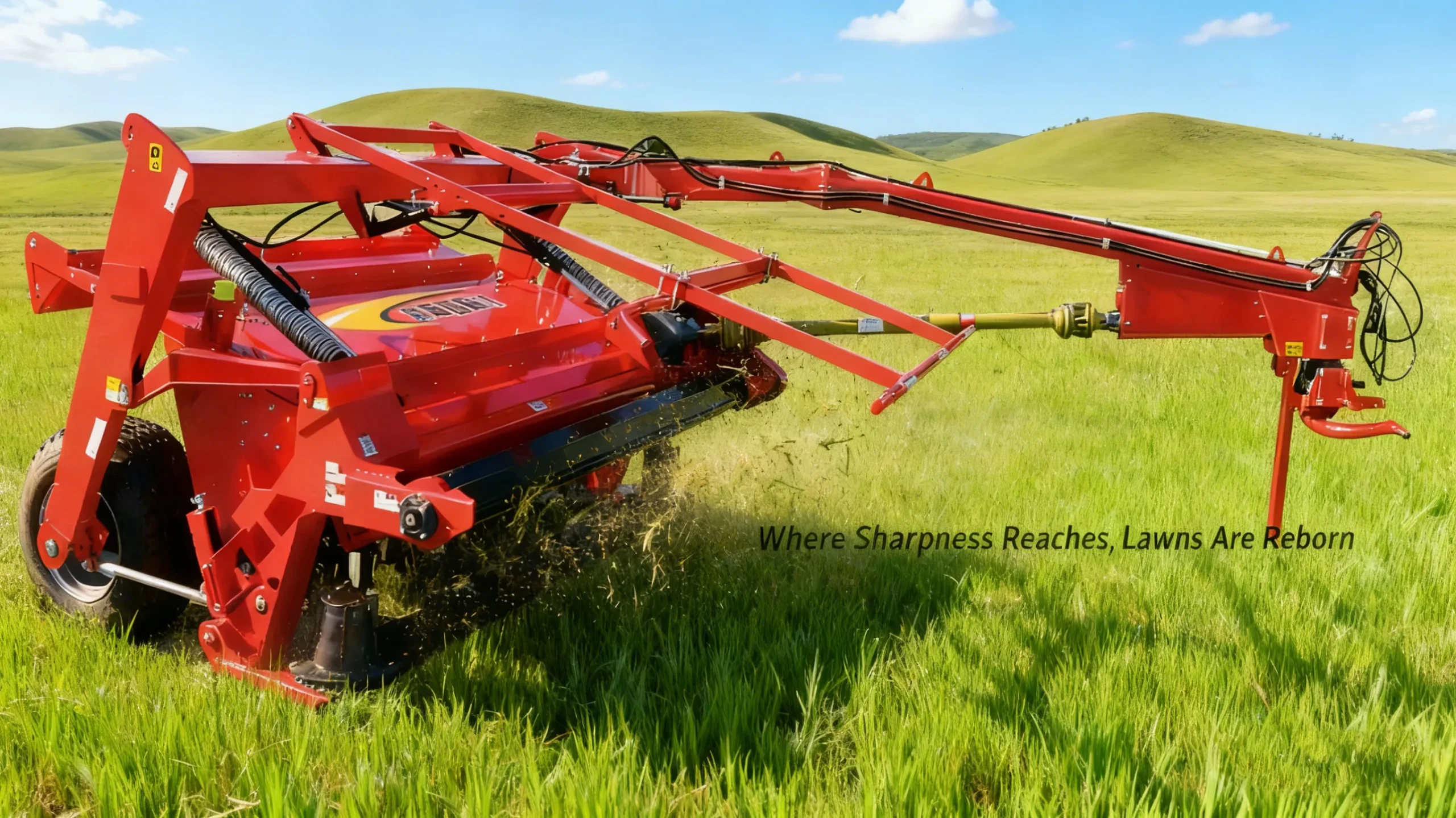
သြစတြေးလျသီးနှံများနှင့် ခြံအရွယ်အစားများအတွက် မြက်ရိတ်စက်-ပြုပြင်စက်ရွေးချယ်မှု
ဩစတြေးလျ၏ မြက်စားမြက်ခင်းပြင်သည် ဒေသအလိုက် ကွဲပြားပြီး မြက်ရိတ်စက်-ပြုပြင်စက် ရွေးချယ်မှုသည် ဤကွာခြားချက်များကို ထင်ဟပ်ရမည်။
ဗစ်တိုးရီးယားနှင့် တက်စမေးနီးယားရှိ နို့ထွက်ပစ္စည်းဒေသများ
မိုးရွာသွန်းမှုမြင့်မားသော နို့ထွက်ပစ္စည်းဒေသများတွင် လျင်မြန်စွာညှိုးနွမ်းခြင်းသည် မရှိမဖြစ်လိုအပ်ပါသည်။ အမြဲတမ်း ရိုင်းမြက်နှင့် ကလိုဗာကဲ့သို့သော မြက်ခင်းများသည် ပြုပြင်ထိန်းသိမ်းမှုနှင့် ကျယ်ပြန့်သော မြက်ခင်းပြင်နေရာချထားမှုမှ အကျိုးကျေးဇူးများစွာရရှိကြသည်။ 9GQY-3.2 သည် ထုပ်ပိုးစက်များ သို့မဟုတ် မြက်စားလှည်းများထဲသို့ တသမတ်တည်းစီးဆင်းမှုကို ထိန်းသိမ်းထားစဉ်တွင် ပိုမိုမြန်ဆန်စွာ ခြောက်သွေ့စေပါသည်။
သယ်ယူပို့ဆောင်ရေးလှည်းများသည် မြက်များကို လျင်မြန်စွာဖယ်ရှားခြင်းဖြင့် အဓိကအခန်းကဏ္ဍမှ ပါဝင်ပြီး လယ်ကွင်းထိတွေ့မှုနှင့် အလုပ်သမားဖိအားကို လျှော့ချပေးပါသည်။ နို့ထွက်ပစ္စည်းများအတွက် မြက်ရိတ်စက်-ပြုပြင်စက်နှင့် လှည်းပေါင်းစပ်မှုသည် ရာသီဥတုတစ်ခုတည်းအတွင်း silage ကို ရိတ်သိမ်းနိုင်မနိုင်ကို ဆုံးဖြတ်ပေးလေ့ရှိသည်။
NSW နှင့် တောင်ဩစတြေးလျရှိ Lucerne နှင့် ရောနှောမြက်စားကျက်စနစ်များ
လူဇန်းသည် အရွက်ကြွေခြင်းကို အလွန်ထိခိုက်လွယ်သည်။ ပြုပြင်ထိန်းသိမ်းခြင်းသည် ပင်စည်များကို အရွက်များနှင့်နီးကပ်စွာ ခြောက်သွေ့စေရန် ကူညီပေးပြီး ကောက်ရိတ်ခြင်းနှင့် ထုပ်ပိုးခြင်းအတွင်း ကွဲအက်ခြင်းကို လျော့နည်းစေသည်။ ဤစနစ်များတွင် အထူးသဖြင့် မခန့်မှန်းနိုင်သော ရာသီဥတုတွင် ထုပ်ပိုးပြီးသည်နှင့် တန်ဖိုးမြင့် မြက်ပင်များကို ကာကွယ်ရန်အတွက် သယ်ယူပို့ဆောင်ရေးလှည်းများသည် အရေးကြီးပါသည်။
အနောက်ဩစတြေးလျသို့ မြက်ခြောက်စနစ်များ တင်ပို့ခြင်း
အနောက်ဩစတြေးလျသည် ဩစတြေးလျ၏ ඕ့တ်မြက်ခြောက် တင်ပို့မှုကဏ္ဍကို လွှမ်းမိုးထားသည်။ ဤနေရာတွင် တသမတ်တည်းရှိမှု၊ အရောင်ထိန်းသိမ်းမှုနှင့် အသုတ်လိုက် ပြည့်စုံမှုတို့သည် အရေးကြီးပါသည်။ မြက်ရိတ်စက်-ပြုပြင်ပေးသည့်စနစ်သည် ညီညာသော အခြေအနေကို သေချာစေပြီး သယ်ယူပို့ဆောင်ရေးလှည်းများသည် ထောက်ပံ့ပို့ဆောင်ရေးထိရောက်မှုနှင့် ပို့ကုန်လိုက်နာမှုတို့ကို နှောင့်နှေးမှုများနှင့် ညစ်ညမ်းမှုအန္တရာယ်များကို လျှော့ချပေးခြင်းဖြင့် ကာကွယ်ပေးသည်။
ခြံအရွယ်အစား ထည့်သွင်းစဉ်းစားရမည့်အချက်များ
အသေးစားနှင့် အလတ်စား လယ်ယာများသည် 9GQY-3.2 ၏ အသင့်အတင့် စွမ်းအင်လိုအပ်ချက်နှင့် လုပ်ငန်းလည်ပတ်မှု ရိုးရှင်းမှုမှ အကျိုးကျေးဇူးရရှိကြသည်။ ပိုကြီးသော လုပ်ငန်းများနှင့် ကန်ထရိုက်တာများသည် သယ်ယူပို့ဆောင်ရေးလှည်းများစွာကို ပေါင်းစပ်ခြင်းဖြင့် အကျိုးအမြတ်ရရှိပြီး ထောက်ပံ့ပို့ဆောင်ရေးဖြင့် ဖြတ်တောက်နိုင်စွမ်းကို ဘယ်သောအခါမှ ကန့်သတ်မထားကြောင်း သေချာစေသည်။
အဓိက အစိတ်အပိုင်းများနှင့် သယ်ယူပို့ဆောင်ရေး လှည်း ပေါင်းစပ်မှု
မြက်ရိတ်စက်-အေးစက်စက်၏ စွမ်းဆောင်ရည်ကို ၎င်း၏ အစိတ်အပိုင်းများက አዲስ လုပ်ငန်းဆောင်တာများကို မည်မျှ ကောင်းစွာ ပံ့ပိုးပေးသည်ဖြင့် သတ်မှတ်သည်။
ဖြတ်တောက်ခြင်းစနစ်
ဓားခေါင်း ရှစ်ခုနှင့် ဓားသွား ၁၆ ချောင်းပါရှိသော လည်ပတ်ဖြတ်တောက်မှုစနစ်သည် မြက်ခင်းအခြေအနေအမျိုးမျိုးတွင် သန့်ရှင်းပြီး ညီညာသော ဖြတ်တောက်မှုများကို ပေးစွမ်းသည်။ ဓားသွားများကို သင့်လျော်စွာ ထိန်းသိမ်းခြင်းသည် စဉ်ဆက်မပြတ် ချိန်ညှိမှုနှင့် ထွန်စက်များနှင့် လှည်းများထဲသို့ ယုံကြည်စိတ်ချရသော အစာကျွေးခြင်းကို သေချာစေသည်။
အေးစက်မှုစနစ်
ထင်ရှားသော သွားပြုပြင်ပေးသည့် ကွန်ဒီရှင်နာသည် သီးနှံစီးဆင်းမှုကို ထိန်းသိမ်းပေးစဉ်တွင် အစိုဓာတ်ကို တစ်ပြေးညီ ထုတ်လွှတ်မှုကို မြှင့်တင်ပေးပါသည်။ ဤတသမတ်တည်းဖြစ်မှုသည် သယ်ယူပို့ဆောင်ရေးလှည်းများထဲသို့ တည်ငြိမ်စွာတင်ဆောင်ခြင်းနှင့် ခန့်မှန်းနိုင်သော ထုပ်ပိုးစက်စွမ်းဆောင်ရည်အတွက် မရှိမဖြစ်လိုအပ်ပါသည်။
ရေဝပ်စီမံခန့်ခွဲမှု
ጥሬትအကျယ်ထိန်းချုပ်မှုသည် အခြောက်ခံအမြန်နှုန်းနှင့် ကောက်ယူမှုထိရောက်မှုကို တိုက်ရိုက်အကျိုးသက်ရောက်စေသည်။ ጥሬትအကျယ်ကို သယ်ယူပို့ဆောင်ရေးလှည်း သို့မဟုတ် ထုပ်ပိုးစက် ကောက်ယူမှုအကျယ်နှင့် ကိုက်ညီစေခြင်းသည် ဆုံးရှုံးမှုများကို လျော့နည်းစေပြီး ಒಟ್ಟಾರೆထုတ်လုပ်မှုကို တိုးစေသည်။
သယ်ယူပို့ဆောင်ရေးလှည်းပေါင်းစည်းမှု
သယ်ယူပို့ဆောင်ရေးလှည်းများသည် မြက်ရိတ်ကွင်းဆက်၏ အရှိန်အဟုန်ယန္တရားအဖြစ် ဆောင်ရွက်သည်။ မြက်ခြောက်စနစ်များတွင် ၎င်းတို့သည် မြက်ရိတ်ခြင်းနှင့် မြက်ရှင်းခြင်းကြား နှောင့်နှေးမှုများကို လျှော့ချပေးသည်။ မြက်ခြောက်စနစ်များတွင် ၎င်းတို့သည် မြက်ခင်းပြင်ကို လျင်မြန်စွာ ရှင်းလင်းပေးပြီး မိုးနှင့် မီးလောင်မှုအန္တရာယ်မှ မြက်များကို ကာကွယ်ပေးသည်။ ကောင်းစွာညှိနှိုင်းဆောင်ရွက်သောအခါ သယ်ယူပို့ဆောင်ရေးလှည်းများသည် မြက်ရိတ်စက်-ပြုပြင်စက်၏ ထုတ်လုပ်နိုင်စွမ်းကို အမှန်တကယ် တိုင်းတာနိုင်သော အကျိုးအမြတ်များအဖြစ်သို့ ပြောင်းလဲပေးသည်။
ဦးဆောင် မြက်ရိတ်စက်-အေးစက်စက် အမှတ်တံဆိပ်များ၏ နှိုင်းယှဉ် ခွဲခြမ်းစိတ်ဖြာမှု
ဩစတြေးလျဈေးကွက်တွင် မြောက်အမေရိက၊ ဥရောပနှင့် အာရှ-ပစိဖိတ် ထုတ်လုပ်သူများ ပါဝင်သည်။ တစ်ခုချင်းစီတွင် ကွဲပြားသော အားသာချက်များကို ပေးဆောင်သည်။
ပရီမီယံကမ္ဘာလုံးဆိုင်ရာအမှတ်တံဆိပ်များသည် အဆင့်မြင့်အလိုအလျောက်စနစ်၊ ကျယ်ပြန့်သောအရောင်းကိုယ်စားလှယ်ကွန်ရက်များနှင့် မြင့်မားသောပြန်လည်ရောင်းချမှုတန်ဖိုးများကို မကြာခဏပေးဆောင်လေ့ရှိသည်။ သို့သော် ဤအားသာချက်များသည် များသောအားဖြင့် ကနဦးကုန်ကျစရိတ်မြင့်မားခြင်းနှင့် တွဲဖက်လာလေ့ရှိသည်။
EVER-POWER 9GQY-3.2 သည် လက်တွေ့ကျပြီး တန်ဖိုးကို အာရုံစိုက်သော ဖြေရှင်းချက်တစ်ခုအဖြစ် ၎င်းကိုယ်၎င်း နေရာယူထားသည်။ ၎င်းသည် ခိုင်မာသောတည်ဆောက်ပုံ၊ လိုက်လျောညီထွေဖြစ်အောင် ပြုလုပ်နိုင်သော ဖွဲ့စည်းမှုနှင့် ဘောလ်စက်များနှင့် သယ်ယူပို့ဆောင်ရေးလှည်းများနှင့် စနစ်လိုက်ဖက်ညီမှုကို အလေးပေးဖော်ပြသည်။ ရှုပ်ထွေးမှုမရှိဘဲ ယုံကြည်စိတ်ချရသော စွမ်းဆောင်ရည်ကို ရှာဖွေနေသော သြစတြေးလျထုတ်လုပ်သူများအတွက် ဤနေရာယူမှုသည် ဆွဲဆောင်မှုအားကောင်းသည်။
ပိုင်ဆိုင်မှုစုစုပေါင်းကုန်ကျစရိတ်ရှုထောင့်မှကြည့်လျှင် အကျိုးအမြတ်များသည် ပိုမိုမြန်ဆန်စွာညှိုးနွမ်းခြင်း၊ ဆုံးရှုံးမှုလျော့နည်းခြင်းနှင့် ပိုမိုချောမွေ့သောထောက်ပံ့ပို့ဆောင်ရေးတို့ကြောင့်ဖြစ်သည်—သင့်လျော်သောသယ်ယူပို့ဆောင်ရေးလှည်းများနှင့်တွဲဖက်သောအခါ 9GQY-3.2 သည် လက်တွေ့အကျိုးကျေးဇူးများကို ပေးစွမ်းနိုင်သည့်နေရာများ—ဖြစ်သည်။
သြစတြေးလျဈေးကွက်ရှိ မြက်ရိတ်စက်-အေးစက်များ- ဒေသဆိုင်ရာအသုံးချမှုများနှင့် စည်းမျဉ်းများ
ရာသီဥတု၊ လမ်းစည်းကမ်းများနှင့် လယ်ယာစိုက်ပျိုးရေးစနစ်များတွင် ဒေသအလိုက် ကွဲပြားမှုများက မြက်ရိတ်စက်-အေးစက်စက် ဖြန့်ကျက်မှုကို လွှမ်းမိုးသည်။
ဗစ်တိုးရီးယားပြည်နယ်၏ မိုးရွာသွန်းမှုမြင့်မားသောဇုန်များတွင် ရိတ်သိမ်းချိန်တိုတောင်းသောကြောင့် ထိရောက်သော သယ်ယူပို့ဆောင်ရေးလှည်းများဖြင့် ပံ့ပိုးမှုဖြင့် လယ်ကွင်းများကို လျင်မြန်စွာ ရှင်းလင်းရန် လိုအပ်ပါသည်။
အနောက်ဩစတြေးလျတွင် အဝေးပြေးလမ်းများနှင့် ပို့ကုန်ထောက်ပံ့ပို့ဆောင်ရေးတို့သည် လှည်းများ၏ ယုံကြည်စိတ်ချရမှုနှင့် စွမ်းရည်ကို မရှိမဖြစ်လိုအပ်စေသည်။
ပြည်နယ်အားလုံးတွင်၊ PTO ကာကွယ်မှု၊ လမ်းသယ်ယူပို့ဆောင်ရေး မြင်သာမှုနှင့် မီးဘေးအန္တရာယ်စီမံခန့်ခွဲမှုအပါအဝင် ဘေးကင်းရေးလိုက်နာမှုသည် အလွန်အရေးကြီးပါသည်။ ကောက်ပဲသီးနှံများကို ထုပ်ပိုးစဉ်အတွင်း အစိုဓာတ်ထိန်းချုပ်မှုနှင့် လယ်ကွင်းများမှ အလျင်အမြန်ဖယ်ရှားခြင်းသည် ဘေးကင်းသော မြက်ရိတ်လုပ်ငန်းများအတွက် အဓိကကျနေဆဲဖြစ်သည်။
လက်တွေ့အတွေ့အကြုံနှင့် သြစတြေးလျ ဖြစ်ရပ်လေ့လာမှုများ
မြောက်ပိုင်းဗစ်တိုးရီးယား သီးနှံစိုက်ပျိုးရေးလုပ်ငန်း
ဗစ်တိုးရီးယားမြောက်ပိုင်းရှိ ကြီးမားသော သီးနှံစိုက်ပျိုးရေးလုပ်ငန်းတစ်ခုသည် တန်ဖိုးပြန်လည်ရရှိရန်အတွက် အေးခဲမှုကြောင့် ပျက်စီးနေသော ကောက်ပဲသီးနှံများကို မြက်ခြောက်အဖြစ် ပြောင်းလဲပေးခဲ့သည်။ ထိရောက်သော ပြုပြင်ထိန်းသိမ်းမှုသည် အချိန်မီ ညှိုးနွမ်းခြင်းကို ဖြစ်စေပြီး သယ်ယူပို့ဆောင်ရေးလှည်းများသည် အလျင်အမြန် ဖယ်ရှားပေးပြီး ရာသီဥတုဒဏ်ကို လျှော့ချပေးသည်ကို သေချာစေသည်။ ရလဒ်များ ရရှိစေရန်အတွက် မြက်ရိတ်စက်-ပြုပြင်ထိန်းသိမ်းမှု စွမ်းရည်သည် သယ်ယူပို့ဆောင်ရေး ထောက်ပံ့ပို့ဆောင်ရေးနှင့် မည်သို့ ကိုက်ညီရမည်ကို ဤလုပ်ငန်းက သရုပ်ပြခဲ့သည်။
အနောက်တောင် ဗစ်တိုးရီးယား နို့ထွက်ပစ္စည်းခြံ
မိုးရွာသွန်းမှုမြင့်မားသော နို့စားနွားခြံတစ်ခုသည် မြက်ခင်းပြင် ဟက်တာရာပေါင်းများစွာကို စီမံခန့်ခွဲသည့် မြန်ဆန်သော silage လည်ပတ်မှုများကို အားကိုးနေရသည်။ ပြုပြင်ပေးခြင်းနှင့် ကျယ်ပြန့်သော ခြံစည်းရိုးများသည် အခြောက်ခံချိန်ကို တိုတောင်းစေပြီး သယ်ယူပို့ဆောင်ရေးလှည်းများသည် ခြံမှ သိုလှောင်ရုံသို့ တည်ငြိမ်သောစီးဆင်းမှုကို ထိန်းသိမ်းပေးသည်။ စနစ်သည် အလုပ်သမားဖိအားကို လျှော့ချပေးပြီး အစာ၏ တသမတ်တည်းဖြစ်မှုကို တိုးတက်စေသည်။
အနောက်ဩစတြေးလျ သင်းအုပ်ဆရာလုပ်ငန်း
ဝေးလံခေါင်သီသော WA စခန်းတစ်ခုသည် ဒေသရင်းမြက်များမှ မြက်ခြောက်နှင့် မြက်ခြောက်များကို ထုတ်လုပ်ပေးခြင်းဖြင့် ခြံတွင်း မြက်ထုတ်လုပ်မှု၏ စီးပွားရေးတန်ဖိုးကို မီးမောင်းထိုးပြခဲ့သည်။ သယ်ယူပို့ဆောင်ရေးလှည်းများသည် အကွာအဝေးနှင့် ကုန်ကျစရိတ်ကို စီမံခန့်ခွဲရာတွင် မရှိမဖြစ်လိုအပ်ကြောင်း သက်သေပြခဲ့ပြီး မြက်ရိတ်စက်ဖြင့် ပြုပြင်မွမ်းမံခြင်းသည် ရာသီအလိုက် ရိတ်သိမ်းမှုယုံကြည်စိတ်ချရမှုကို မြှင့်တင်ပေးခဲ့သည်။
ကျွန်ုပ်တို့အကြောင်း- အဘယ်ကြောင့် ကျွန်ုပ်တို့ကို ရွေးချယ်သင့်သနည်း
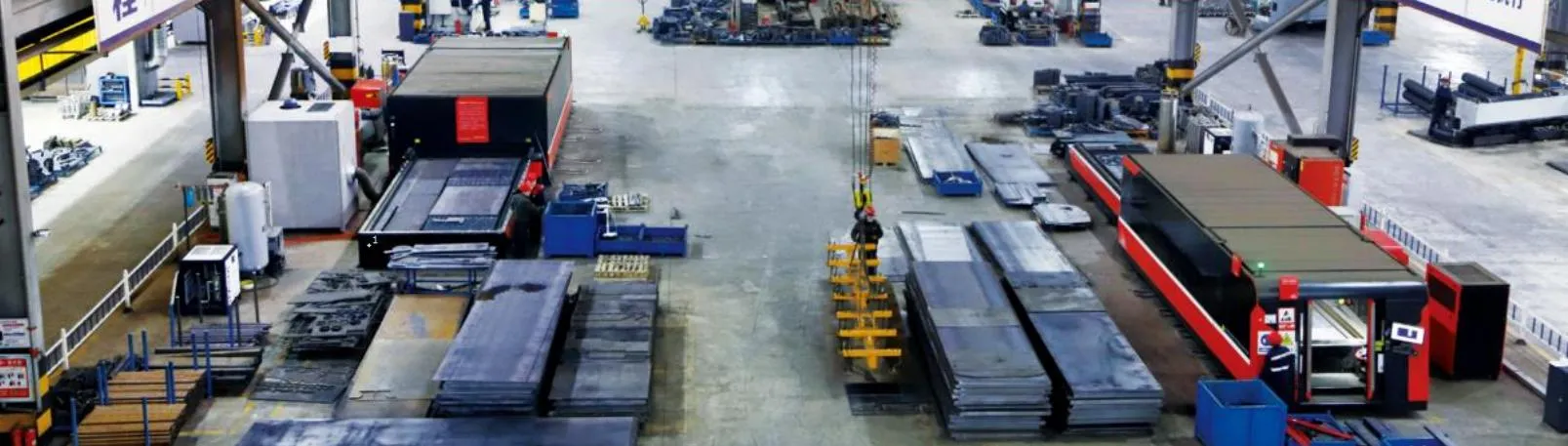
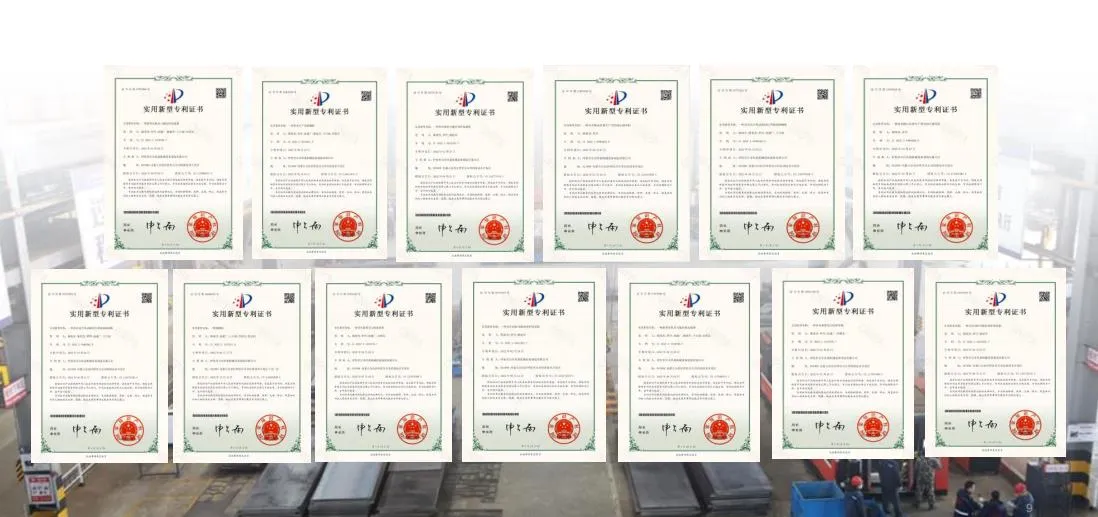
Australia Ever-power Forage Balers Co., Ltd. သည် စိုက်ပျိုးရေးစက်ယန္တရားများ တီထွင်ထုတ်လုပ်ရာတွင် နှစ်ပေါင်းများစွာ ကြိုးပမ်းဆောင်ရွက်လျက်ရှိသည်။ 9GQY-3.2 မြက်ရိတ်စက် ထုတ်လုပ်သူအနေဖြင့် ကျွန်ုပ်တို့သည် စိတ်ကြိုက်ပြင်ဆင်မှုများနှင့် ပရော်ဖက်ရှင်နယ် ရောင်းချပြီးနောက်ဝန်ဆောင်မှုဖြင့် ပံ့ပိုးပေးထားသော အရည်အသွေးမြင့် စက်ကိရိယာများကို ပံ့ပိုးပေးပါသည်။
အရည်အသွေးကောင်းခြင်းအာမခံချက်
ISO 9001 အသိအမှတ်ပြု ထုတ်လုပ်မှုသည် တင်းကျပ်သော အရည်အသွေးထိန်းချုပ်မှုနှင့် ယုံကြည်စိတ်ချရသော စွမ်းဆောင်ရည်ကို သေချာစေသည်။
ကမ္ဘာလုံးဆိုင်ရာ ထောက်ပံ့ရေး
ကျွန်ုပ်တို့၏ ပစ္စည်းကိရိယာများကို ဩစတြေးလျတစ်ဝှမ်းတွင် ထောက်ပံ့ပေးပြီး အမေရိကန်ပြည်ထောင်စု၊ ကနေဒါနှင့် ဥရောပ အပါအဝင် ဈေးကွက်များသို့ တင်ပို့ပါသည်။
ပရော်ဖက်ရှင်နယ် ပံ့ပိုးမှု
ရေရှည်လည်ပတ်မှု ယုံကြည်စိတ်ချရမှုရှိစေရန်အတွက် ကျွန်ုပ်တို့သည် နည်းပညာအကူအညီ၊ နှစ်နှစ်အာမခံနှင့် အပိုပစ္စည်းများ ပံ့ပိုးမှုကို ပေးဆောင်ပါသည်။
ကြှနျုပျတို့ကိုဆကျသှယျရနျ 9GQY-3.2 မြက်ရိတ်စက်နှင့်ပတ်သက်သည့် အသေးစိတ်ဈေးနှုန်းနှင့် ကျွမ်းကျင်သူ တိုင်ပင်ဆွေးနွေးမှုအတွက် ယနေ့ပင် ဆက်သွယ်ပြီး သယ်ယူပို့ဆောင်ရေးလှည်းများနှင့် ပေါင်းစပ်ဖြေရှင်းချက်များသည် သင့်ခြံ၏ ထိရောက်မှုနှင့် ထုတ်လုပ်နိုင်စွမ်းကို မည်သို့မြှင့်တင်ပေးနိုင်သည်ကို ရှာဖွေတွေ့ရှိလိုက်ပါ။
ဩစတြေးလျအခြေအနေတွင် ပေါ်ပေါက်လာသော ခေတ်ရေစီးကြောင်းများနှင့် ဆန်းသစ်တီထွင်မှုရှိသော အသုံးချမှုများ
ဩစတြေးလျ မြက်ရိတ်စနစ်များသည် သီးခြားစက်ယန္တရား အဆင့်မြှင့်တင်မှုများထက် ပေါင်းစပ်ထားသော၊ အန္တရာယ်စီမံခန့်ခွဲထားသော ဖြေရှင်းချက်များဆီသို့ တိုးတက်ပြောင်းလဲလျက်ရှိသည်။
ထုတ်လုပ်သူများသည် ဝင်းဒိုးစီမံခန့်ခွဲမှု၊ ထောက်ပံ့ပို့ဆောင်ရေးထိရောက်မှုနှင့် အရည်အသွေးတသမတ်တည်းရှိမှုကို ပိုမိုဦးစားပေးလာကြသည်။ ပို့ကုန်ဈေးကွက်များသည် ကိုင်တွယ်မှုနှင့် သယ်ယူပို့ဆောင်ရေးကို ပိုမိုတင်းကျပ်စွာ ထိန်းချုပ်ရန် တောင်းဆိုကြသည်။ ရာသီဥတုပြောင်းလဲမှုသည် အခြေအနေများပြောင်းလဲသောအခါ ကောက်ပဲသီးနှံများကို မြက်စားစရာအဖြစ် ပြောင်းလဲခြင်းကဲ့သို့သော ပြောင်းလွယ်ပြင်လွယ်ရှိသော ဗျူဟာများကို အားပေးသည်။
ဤခေတ်ရေစီးကြောင်းများတစ်လျှောက်တွင်၊ အခြေခံမူတစ်ခုမှာ မပြောင်းလဲဘဲရှိနေသည်- မြက်ရိတ်စက်-အေးစက်စက်သည် စတင်အသုံးပြုသည့် အရည်အသွေးကို သတ်မှတ်ပေးပြီး၊ သယ်ယူပို့ဆောင်ရေးလှည်းများက ထိုအရည်အသွေးကို ထိန်းသိမ်းထားခြင်း ရှိ၊ မရှိကို ဆုံးဖြတ်ပေးသည်။
9GQY-3.2 မြက်ရိတ်စက်-ပြုပြင်စက်ကို ညှိနှိုင်းထားသော မြက်ရိတ်ကွင်းဆက်၏ ပထမခြေလှမ်းအဖြစ် သဘောထားပြီး သယ်ယူပို့ဆောင်ရေးလှည်းများကို စနစ်၏ အရှိန်အဟုန်ယန္တရားအဖြစ် နေရာချထားခြင်းဖြင့် သြစတြေးလျလယ်သမားများနှင့် ကန်ထရိုက်တာများသည် ပိုမိုမြန်ဆန်သော ရိတ်သိမ်းမှု၊ ဆုံးရှုံးမှုနည်းပါးမှုနှင့် ပိုမိုယုံကြည်စိတ်ချရသော ပြန်အမ်းငွေများကို ရရှိနိုင်မည်ဖြစ်သည်။
NSW လယ်ယာသုံးပစ္စည်းကိရိယာများ တပ်ဆင်ခြင်း၊ Victoria မြက်ရိတ်စက် ပေါင်းစပ်ခြင်း သို့မဟုတ် Western Australian မြက်တင်ပို့မှုလုပ်ငန်းများအတွက် စိတ်ကြိုက်အကြံဉာဏ်ရယူလိုပါက ကျွန်ုပ်တို့အဖွဲ့သည် သြစတြေးလျအခြေအနေများအတွက် သီးသန့်ဒီဇိုင်းထုတ်ထားသော ပြင်ဆင်မှုနှင့် ဈေးနှုန်းဖြေရှင်းချက်များဖြင့် ကူညီရန် အသင့်ရှိနေပါသည်။
အမြဲမေးလေ့ရှိသောမေးခွန်းများ
9GQY-3.2 မြက်ရိတ်စက်-ပြုပြင်စက်သည် ဩစတြေးလျ မြက်ခင်းပြင်နှင့် မြက်စားသီးနှံများအတွက် သင့်လျော်ပါသလား။
ဟုတ်ကဲ့။ 9GQY-3.2 ကို နှစ်ရှည်ခံ ရိုင်းမြက်၊ ကလိုဗာ၊ လူဆာန်၊ ရောနှောကျက်စားရာနေရာများနှင့် အုတ်မြက်ကဲ့သို့သော ကောက်ပဲသီးနှံမြက်များ အပါအဝင် သြစတြေးလျတွင် အဖြစ်များသော မြက်ပင်အမျိုးအစားများအတွက် ဒီဇိုင်းထုတ်ထားသည်။ ၎င်း၏ လည်ပတ်ဖြတ်တောက်ခြင်းစနစ်နှင့် ထိပ်တိုက်သွားပြုပြင်ပေးသည့် ကိရိယာသည် မတူညီသော သီးနှံသိပ်သည်းဆနှင့် ရာသီအလိုက်အခြေအနေများတွင် ယုံကြည်စိတ်ချစွာ လုပ်ဆောင်နိုင်သည်။
9GQY-3.2 ကို ထိရောက်စွာလည်ပတ်ရန် ထွန်စက်စွမ်းအားမည်မျှလိုအပ်သနည်း။
မြက်ရိတ်စက်-အေးစက်စက်အတွက် အနည်းဆုံး 110 hp (80.88 kW) လိုအပ်ပါသည်။ ထို့ကြောင့် နို့ထွက်ပစ္စည်း၊ ရောနှောမွေးမြူရေးနှင့် ကန်ထရိုက်လုပ်ငန်းများ အပါအဝင် သြစတြေးလျခြံများတွင် အသုံးများသော အလယ်အလတ်တန်းစား ထွန်စက်များစွာနှင့် တွဲဖက်အသုံးပြုနိုင်ပါသည်။
သွားတိုက်ဆေးက သွားခြောက်ချိန်ကို ဘယ်လိုတိုးတက်ကောင်းမွန်စေသလဲ။
ထိရောက်သော သွားပြုပြင်ဆေးသည် ဖယောင်းကဲ့သို့ ထူထဲသော ပင်စည်မျက်နှာပြင်ကို ချိုးဖဲ့ပေးပြီး အစိုဓာတ်ကို ပိုမိုမြန်ဆန်စွာ ထွက်သွားစေပါသည်။ ၎င်းသည် ညှိုးနွမ်းခြင်းကို အရှိန်မြှင့်ပေးပြီး မြက်ရိတ်ခြင်းနှင့် ကောက်သိမ်းခြင်း သို့မဟုတ် စုဆောင်းခြင်းကြား အချိန်ကို တိုတောင်းစေပြီး ခြောက်သွေ့သော အရာဝတ္ထုနှင့် အရည်အသွေး ဆုံးရှုံးမှုများကို လျှော့ချရန် ကူညီပေးပါသည်။
ထုပ်ပိုးစက်အမျိုးမျိုး သို့မဟုတ် သယ်ယူပို့ဆောင်ရေးလှည်းများအတွက် ပတ်လမ်းအကျယ်ကို ချိန်ညှိနိုင်ပါသလား။
ဟုတ်ကဲ့။ ဝါးကွင်းအကျယ်ကို ၀.၈ မီတာမှ ၂.၂ မီတာအထိ ချိန်ညှိနိုင်သောကြောင့် အော်ပရေတာများသည် ဝါးကွင်းကို ထုပ်ပိုးစက် သို့မဟုတ် မြက်လှည်းများ၏ ဝင်ပေါက်များနှင့် ကိုက်ညီစေပြီး အစာကျွေးခြင်းကို ပိုမိုချောမွေ့စေပြီး စုဆောင်းခြင်းကို ပိုမိုထိရောက်စေပါသည်။
9GQY-3.2 ဟာ မြက်ခြောက်ထုတ်လုပ်ဖို့အတွက်ရော မြက်ခြောက်စိုက်ပျိုးဖို့အတွက်ပါ သင့်တော်ပါသလား။
ဟုတ်ကဲ့။ ဒီစက်ဟာ မြက်ခြောက်နဲ့ မြက်ခြောက်စနစ် နှစ်မျိုးလုံးအတွက် အလွန်သင့်တော်ပါတယ်။ ကောက်ရိုးစုထားတဲ့ မြက်ခြောက်အတွက် ပိုမြန်မြန်ညှိုးနွမ်းစေပြီး ခြောက်သွေ့တဲ့ မြက်ခြောက်ထုတ်လုပ်မှုအတွက် တစ်ပြေးညီဖြစ်မှုနဲ့ အခြောက်ခံနှုန်းကို မြှင့်တင်ပေးပါတယ်။
9GQY-3.2 သည် သယ်ယူပို့ဆောင်ရေးလှည်းများနှင့် မည်သို့ပေါင်းစပ်သနည်း။
မြက်ရိတ်စက်-ပြုပြင်စက်သည် သယ်ယူပို့ဆောင်ရေးလှည်းများနှင့် မြက်စားလှည်းများ စုဆောင်းရန်လွယ်ကူသော တသမတ်တည်းကောင်းမွန်သည့် ပုံသဏ္ဍာန်ရှိသော မြက်ခင်းများကို ထုတ်လုပ်ပေးသည်။ မှန်ကန်စွာတွဲဆက်လိုက်သောအခါ သယ်ယူပို့ဆောင်ရေးလှည်းများသည် မြက်စားလှည်းများကို လျင်မြန်စွာဖယ်ရှားရန် ကူညီပေးပြီး လယ်ကွင်းထိတွေ့မှုနှင့် အလုပ်သမားအခက်အခဲများကို လျှော့ချပေးသည်။
ဒီစက်က အကြီးစားနဲ့ ကန်ထရိုက်တာလုပ်ငန်းတွေအတွက် သင့်တော်ပါသလား။
ဟုတ်ကဲ့။ ဖြတ်တောက်ခြင်းအကျယ် ၃.၂ မီတာနှင့် လည်ပတ်မှုအမြန်နှုန်း ၁၅ ကီလိုမီတာ/နာရီအထိ ရှိသော 9GQY-3.2 သည် နေ့စဉ် ခိုင်မာသော ထွက်ရှိမှုကို ပေးစွမ်းသည်။ လုံလောက်သော သယ်ယူပို့ဆောင်ရေးလှည်းများဖြင့် ပံ့ပိုးပေးသောအခါ၊ ၎င်းသည် ခြံကြီးများနှင့် ကန်ထရိုက်လုပ်ငန်းများအတွက် သင့်လျော်ပါသည်။
မြက်ရိတ်စက်-ပြုပြင်ပေးသည့်ကိရိယာသည် မြက်ပင်ဆုံးရှုံးမှုကို မည်သို့လျှော့ချရန် ကူညီပေးသနည်း။
ညှိုးနွမ်းခြင်းကို အရှိန်မြှင့်ပေးခြင်းနှင့် အစိုဓာတ်ညီညာမှုကို မြှင့်တင်ပေးခြင်းဖြင့် စက်သည် အသက်ရှူလမ်းကြောင်းဆိုင်ရာ ဆုံးရှုံးမှု၊ ကောက်ရိုးများကို ကောက်သိမ်းစဉ် အရွက်များ ကွဲအက်ခြင်း၊ ရာသီဥတုပျက်စီးခြင်းနှင့် အထုပ်များထုပ်ပြီးနောက် အပူပေးခြင်း သို့မဟုတ် မှိုတက်ခြင်းအန္တရာယ်ကို လျော့နည်းစေသည်။
ရိတ်သိမ်းရာသီမှာ ဘယ်လိုပြုပြင်ထိန်းသိမ်းမှုတွေ လိုအပ်လဲ။
ပုံမှန်ပြုပြင်ထိန်းသိမ်းမှုတွင် ဓားသွားများကို စစ်ဆေးခြင်းနှင့် သွေးခြင်း သို့မဟုတ် အစားထိုးခြင်း၊ ကွန်ဒီရှင်နာ အစိတ်အပိုင်းများကို စစ်ဆေးခြင်း၊ ရွေ့လျားနေသော အစိတ်အပိုင်းများကို ချောဆီလိမ်းခြင်းနှင့် PTO အကာအရံများနှင့် ဘေးကင်းရေးအဖုံးများ လုံခြုံစွာ တပ်ဆင်ထားခြင်း ပါဝင်သည်။
9GQY-3.2 ဟာ လုပ်အားအကန့်အသတ်နဲ့ လည်ပတ်ရတာ လွယ်ကူပါသလား။
ဟုတ်ကဲ့။ မြက်ရိတ်စက်-အေးစက်စက်ကို တစ်ဦးတည်းအသုံးပြုရန်အတွက် ဒီဇိုင်းထုတ်ထားတာကြောင့် ရိတ်သိမ်းမှုအမြင့်ဆုံးကာလတွေမှာ အလုပ်သမားအခက်အခဲတွေနဲ့ ရင်ဆိုင်နေရတဲ့ သြစတြေးလျခြံတွေအတွက် အလွန်သင့်လျော်ပါတယ်။
မြက်ရိတ်စက်-ဆံပင်ညှပ်စက်ကို လယ်ကွင်းများအကြား အလွယ်တကူ သယ်ယူပို့ဆောင်နိုင်ပါသလား။
ဘေးတိုက်ဆွဲငင်အားဒီဇိုင်းသည် သယ်ယူပို့ဆောင်စဉ် တည်ငြိမ်မှုနှင့် မြင်နိုင်စွမ်းကို တိုးတက်စေသည်။ အော်ပရေတာများသည် လယ်ကွင်းများအကြား ရွေ့လျားသည့်အခါ ဒေသတွင်း လမ်းဘေးကင်းရေးနှင့် အရွယ်အစားကြီးမားသော ပစ္စည်းကိရိယာများ စည်းမျဉ်းများကို လိုက်နာသင့်သည်။
ဒီမြက်ရိတ်စက်-ဆံပင်ပြုပြင်စက်က ကမ္ဘာကျော်အမှတ်တံဆိပ်တွေနဲ့ ဘယ်လိုကွာခြားလဲ။
9GQY-3.2 သည် လက်တွေ့ကျသော စွမ်းဆောင်ရည်၊ တာရှည်ခံမှုနှင့် စနစ်နှင့် လိုက်ဖက်ညီမှုကို ယှဉ်ပြိုင်နိုင်သော ကုန်ကျစရိတ်ဖြင့် အာရုံစိုက်ထားသည်။ ၎င်းသည် အဆင့်မြင့် အလိုအလျောက်စနစ်များထက် ထိရောက်မှုနှင့် ရင်းနှီးမြှုပ်နှံမှုအပေါ် အကျိုးအမြတ်ကို ဦးစားပေးသော လယ်သမားများအတွက် တန်ဖိုးကို အခြေခံသည့် ရွေးချယ်စရာတစ်ခုကို ပေးဆောင်သည်။
သြစတြေးလျမှာ ဘယ်လိုရောင်းချပြီးနောက် ပံ့ပိုးမှုတွေ ရရှိနိုင်ပါသလဲ။
Ever-power သည် စက်၏အလုပ်လုပ်ချိန်တစ်လျှောက်လုံး ယုံကြည်စိတ်ချရသောလည်ပတ်မှုကိုသေချာစေရန် နည်းပညာပံ့ပိုးမှု၊ နှစ်နှစ်အာမခံနှင့် အပိုပစ္စည်းများရရှိနိုင်မှုတို့ကို ပေးဆောင်ပါသည်။
ဖောက်သည်သုံးသပ်ချက်များ
⭐⭐⭐⭐⭐
မာ့ခ် သောမဆန်၊ ရောနှောခြံပိုင်ရှင်၊ ဗစ်တိုးရီးယား၊ ဩစတြေးလျ
ကျွန်တော်တို့ဟာ အနောက်ပိုင်း ဗစ်တိုးရီးယားမှာ နို့ထွက်ပစ္စည်းနဲ့ မြက်ခြောက်လုပ်ငန်းကို လုပ်ကိုင်နေပြီး 9GQY-3.2 က ကောင်းမွန်တဲ့ ထပ်လောင်းပစ္စည်းတစ်ခုပါ။ ရိတ်သိမ်းမှုက သန့်ရှင်းပြီး ညီညာတဲ့အပြင် ကျွန်တော်တို့ရဲ့ မြက်ရိတ်စက်ဟောင်းနဲ့ နှိုင်းယှဉ်ရင် အခြောက်ခံချိန်ကို တိုစေတာ သေချာပါတယ်။ ကျွန်တော် အကြိုက်ဆုံးကတော့ ကျွန်တော်တို့ရဲ့ ကောက်ရိုးစုစက်နဲ့ သယ်ယူပို့ဆောင်ရေးလှည်းတွေထဲကို ဘယ်လောက်ကောင်းကောင်း ထည့်ပေးလဲဆိုတာပါပဲ - ရပ်တန့်မှုနည်းပြီး စိတ်ပျက်အားငယ်မှုနည်းပါတယ်။ အလုံးစုံပြောရရင် စွမ်းဆောင်ရည်နဲ့ အရမ်းကျေနပ်ပါတယ်။
⭐⭐⭐⭐
Liam O'Connor၊ Hay ကန်ထရိုက်တာ၊ NSW Riverina
ဒီရာသီမှာ လူးစန်းနဲ့ ရောနှောမြက်ခင်းပြင်အလုပ်တွေမှာ 9GQY-3.2 ကို ကျွန်တော်သုံးခဲ့ပါတယ်။ သီးနှံအမျိုးမျိုးကို ကောင်းကောင်းကိုင်တွယ်နိုင်ပြီး ကောက်ပဲသီးနှံတွေကို တသမတ်တည်းထိန်းသိမ်းထားတာကြောင့် ကောက်ပဲသီးနှံတွေ ကောက်သိမ်းတာနဲ့ တင်ဆောင်တာကို ပိုလွယ်ကူစေပါတယ်။ ခေတ်မီအီလက်ထရွန်းနစ်ပစ္စည်းတွေနဲ့ အလွန်အကျွံမတင်ထားပေမယ့် ကန်ထရိုက်လုပ်ငန်းအတွက် အားသာချက်တစ်ခုပါပဲ။ ယုံကြည်စိတ်ချရပြီး လည်ပတ်ရလွယ်ကူကာ အလုပ်ကို အနှောင့်အယှက်ကင်းစွာ လုပ်ဆောင်နိုင်ပါတယ်။
⭐⭐⭐⭐⭐
ဒန်နီရယ် ဟုစ်၊ မွေးမြူရေးထုတ်လုပ်သူ၊ တောင်သြစတြေးလျ
ကျွန်တော်တို့က အဓိကအားဖြင့် မြက်ခြောက်နဲ့ ကောက်ပဲသီးနှံတွေကို ခုတ်ထွင်ပါတယ်။ ကွန်ဒီရှင်နာက အထူးသဖြင့် သီးနှံအခြောက်ခံရာမှာ ညီညာစေဖို့ တကယ်ကို အထောက်အကူပြုပါတယ်။ အော်ပရေတာတစ်ယောက်တည်းက စနစ်တစ်ခုလုံးကို အဆင်ပြေပြေ စီမံခန့်ခွဲနိုင်ပြီး ကျွန်တော်တို့ရဲ့ သယ်ယူပို့ဆောင်ရေးယာဉ်တွေနဲ့ တွဲဖက်အသုံးပြုရင် အရာအားလုံးကို လှုပ်ရှားနေစေပါတယ်။ တည်ဆောက်မှုအရည်အသွေးက ခိုင်မာတယ်လို့ ခံစားရပြီး ပြုပြင်ထိန်းသိမ်းမှုကလည်း အခုထိ ရိုးရှင်းပါတယ်။
⭐⭐⭐
Peter van der Meer၊ လယ်ယာမန်နေဂျာ၊ အနောက်သြစတေးလျ
ကျွန်တော်တို့က ကောက်ရိုးတွေ မစည်းခင် oat မြက်ခြောက်အတွက် 9GQY-3.2 ကို သုံးနေပါတယ်။ ယုံကြည်စိတ်ချရပြီး ညီညာတဲ့ ဖြတ်တောက်မှုကို ပေးစွမ်းပါတယ်။ အခြောက်ခံတာက သိသိသာသာ ပိုမြန်ပြီး ရာသီဥတုကျပ်တဲ့ အချိန်မှာ အထောက်အကူပြုပါတယ်။ နောက်ထပ် ရာသီအနည်းငယ် စိုက်ပျိုးပြီးတာနဲ့ ပိုမြင့်တဲ့ အဆင့်သတ်မှတ်ချက်ကို ပေးမှာပါ၊ ဒါပေမယ့် ပထမဆုံး အထင်ကြီးစရာကတော့ အပြုသဘောဆောင်ပြီး ငွေနဲ့တန်ပါတယ်။