
Why Silage Balers Block More Than Hay Balers
The Root Physics Behind Pickup and Chamber Plugging
ए साइलेज बेलर handles crop at moisture levels between 40% and 70% — material that is two to three times heavier per volume than the dry fodder a standard hay baler processes. This fundamental difference in material density is what makes blockages so much more frequent and forceful in silage operations. Wet crop doesn’t flow freely; it clumps, mats, and compacts. Under the right combination of ground speed, windrow volume, and machine condition, a full-flow jam can develop in seconds — not minutes — and the force required to clear it is substantial.
Blockages occur at three primary points in a silage baler machine: the pickup and feed throat, the rotor or stuffer mechanism (on fixed-chamber designs), and the bale chamber itself. Each location has a distinct cause profile and a different clearing method. Treating all blockages the same way — simply reversing the PTO or poking with a stick — is both ineffective and potentially dangerous. The correct approach varies by blockage type, and knowing which type you’re dealing with before you reach for any tool saves time and prevents secondary damage to the machine.
Understanding blockage patterns also helps with prevention. Operators who have worked through multiple seasons with a grass silage baler know that the machine’s behaviour changes as crop conditions shift through the day — morning dew makes material heavier and stickier, mid-afternoon dry spells can cause crop to bunch rather than flow, and any variation in windrow consistency creates feed irregularities that the baler has to absorb. Tracking when and where blockages occur is the first step toward eliminating them systematically.
Safety Rules Before Clearing Any Blockage
Non-Negotiable Steps Before You Touch the Machine
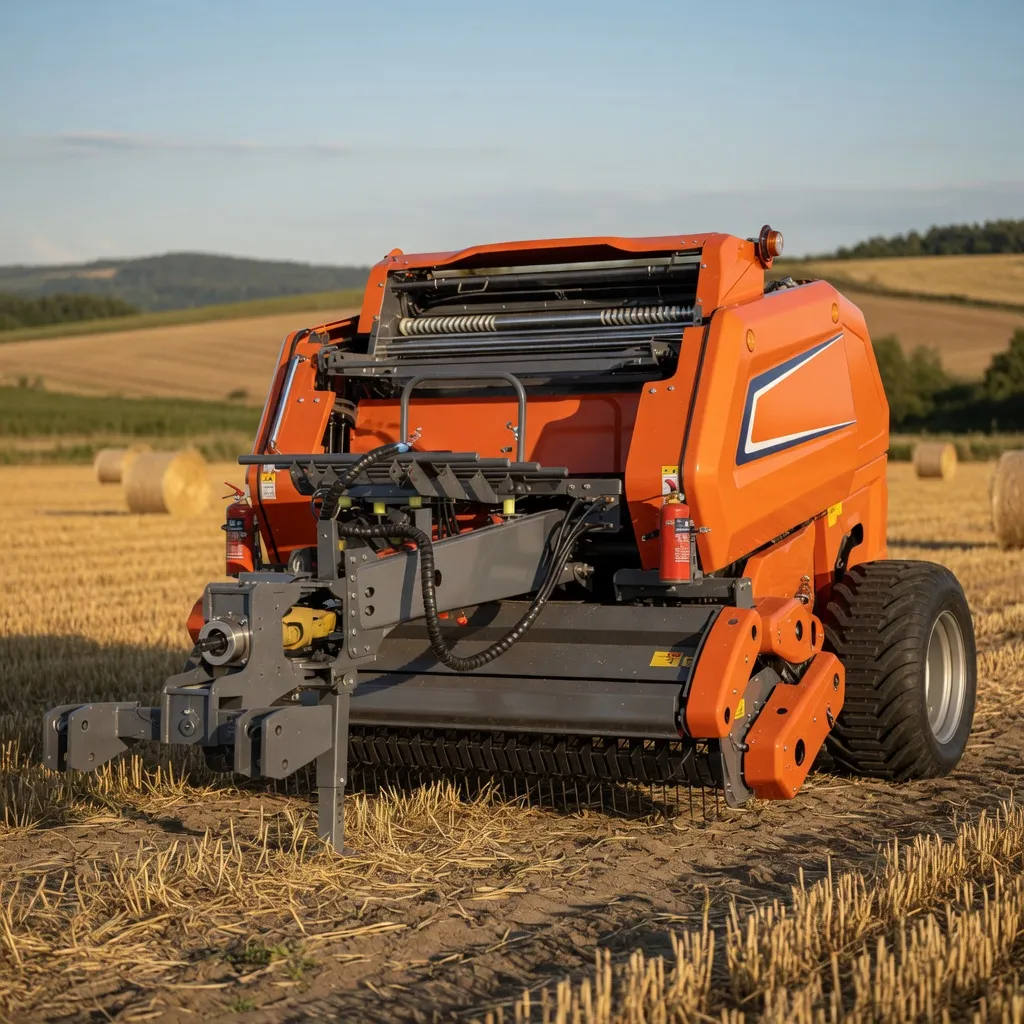
Every year, agricultural machinery injuries occur because operators attempt to clear blockages while the machine is still engaged or in an unsafe state. A silage baler under load stores significant mechanical energy in compressed crop, tensioned belts, and rotating driveline components. Releasing that energy incorrectly — by pulling on jammed material with the PTO still running, for example — can cause violent ejection of crop material, sudden belt movement, or unexpected machine motion. None of these are theoretical risks; they are documented causes of serious injury in baling operations.
⚠️ Mandatory Safety Sequence — Follow Every Time
Step 1
Stop forward travel immediately. Do not attempt to push through a suspected blockage with tractor momentum.
Step 2
Disengage the PTO. Wait a full 30 seconds for all rotating components to come to a complete stop.
Step 3
Shut off the tractor engine. Apply the parking brake and remove the ignition key.
Step 4
Relieve hydraulic pressure on the tailgate or feeder before reaching into any pinch point.
These four steps apply without exception — even for a blockage that appears minor or accessible from outside the machine. The risk is not always visible. A bale under compression can shift the moment tailgate pressure is released, and a belt under tension can move unexpectedly if crop is pulled from the chamber. Skipping any step for the sake of speed is never worth the risk.
Type 1 — Pickup Head Blockage: Causes & Clearing Steps
The Most Frequent Blockage Location in Silage Operations
Pickup blockages account for the majority of stoppages in silage baling. The pickup head — a rotating reel of spring-steel tines that lifts crop from the windrow — is exposed to everything on the ground: stones, soil clods, wire fragments, twine remnants, and of course the crop itself. In wet conditions, pasture grasses and legumes form a matted, tangled layer that the pickup tines can lift but the feed throat struggles to process at speed. The result is a rapid buildup of material that bridges across the pickup width and stalls rotation within a matter of seconds.
Common Causes of Pickup Blockages
Excessive ground speed is the single most common cause. Operators who drive at hay baling speeds in wet silage crops simply overwhelm the feed capacity of the pickup. A useful field rule is to reduce travel speed by 30–40% compared to your dry hay baling speed when the crop moisture exceeds 55%. Windrow density also matters — a thick, uneven windrow from a heavy first-cut grass crop delivers material in surges rather than a continuous flow, creating periodic overloads that the pickup head can’t manage without occasional pauses.
Step-by-Step Pickup Blockage Clearing
Engage reverse PTO (if available)
Many modern silage balers include a reverse function specifically for clearing pickup jams. Engage it in short bursts — 2–3 seconds at a time — while observing whether the blockage is loosening. Do not run reverse continuously; it can compact the blockage further into the feed throat.
If no reverse: clear manually with PTO off and key out
With the tractor off and key removed, use a wooden paddle or purpose-made clearing rod to work the jammed material loose from above the pickup. Never use hands or arms to pull material through the pickup — the tines are sharp and the spring return force is enough to cause injury even when stationary.
Check for twine, wire, or foreign debris
After clearing the main crop mass, inspect the full pickup width for any twine, wire, or plastic that may have wrapped around tine shafts or the pickup drive shaft. These materials rarely create an immediate blockage but progressively restrict rotation and cause the next jam within minutes of restarting.
Inspect tines before restarting
A blockage often bends tines on impact. Visually check every tine before reengaging the PTO — a bent tine that clears the pickup housing by less than 10mm will cause a repeat jam within the first 20 metres of operation.
Restart at reduced speed
Re-engage the PTO and begin moving through the windrow at 30% below your previous speed. Confirm the pickup is feeding freely for at least 50 metres before returning to normal operating speed.
Type 2 — Feed Throat & Rotor Blockage
When Material Packs Between the Pickup and the Chamber
Between the pickup head and the bale chamber sits the feed throat — the transition zone where crop is transferred from a linear flow into a rotating mass. On machines with a stuffer or rotor mechanism, this area is particularly vulnerable to blockage because the geometry changes direction and the clearances are tight. Wet silage material that has been over-compressed by a heavy windrow will pack into this zone with considerable force, creating a dense plug that neither the pickup nor the chamber rotation can dislodge independently.
Identifying a Feed Throat Blockage
A feed throat blockage typically announces itself differently from a pickup jam. Rather than an abrupt stop, the machine will labour progressively — PTO load increases, forward speed slows noticeably, and the bale chamber pressure gauge (if fitted) drops toward zero as material stops entering the forming zone. Some operators describe it as the baler “bogging down” rather than stopping suddenly. If you notice these signs and don’t stop immediately, the stuffer mechanism can be damaged by continued operation under overload.
Clearing the Feed Throat: Step by Step
Open the inspection access panel
With the machine fully stopped and the tractor key removed, locate the feed throat inspection cover. On most round baler designs this is a hinged panel on the left side of the machine. Opening it gives you direct visual access to the blockage without needing to disassemble the pickup.
Break up the packed material from the top
Use a blunt wooden implement to work the packed material loose from above. Do not use a metal bar — the risk of damaging the stuffer tines or auger flights is high, and replacement costs for these parts are significant. Work from the outer edges of the blockage inward to avoid compressing the centre further.
Try alternate short reverse/forward PTO cycles
Once the visible blockage is partially broken up, close the panel and attempt 2-second forward PTO engagement. If the rotor doesn’t move freely, alternate with reverse PTO if available. Two to three alternating cycles are usually sufficient to move remaining material through the throat into the chamber.
Check shear bolts after clearing
Feed throat blockages frequently shear the protection bolts on the stuffer or rotor shaft. After clearing, inspect all shear bolt locations before restarting. Operating with a sheared bolt means the stuffer isn’t protected and a second blockage will damage the drive assembly rather than shearing a sacrificial bolt.
Type 3 — Bale Chamber Blockage & Core Formation Failure
When Material Enters the Chamber but Won’t Roll
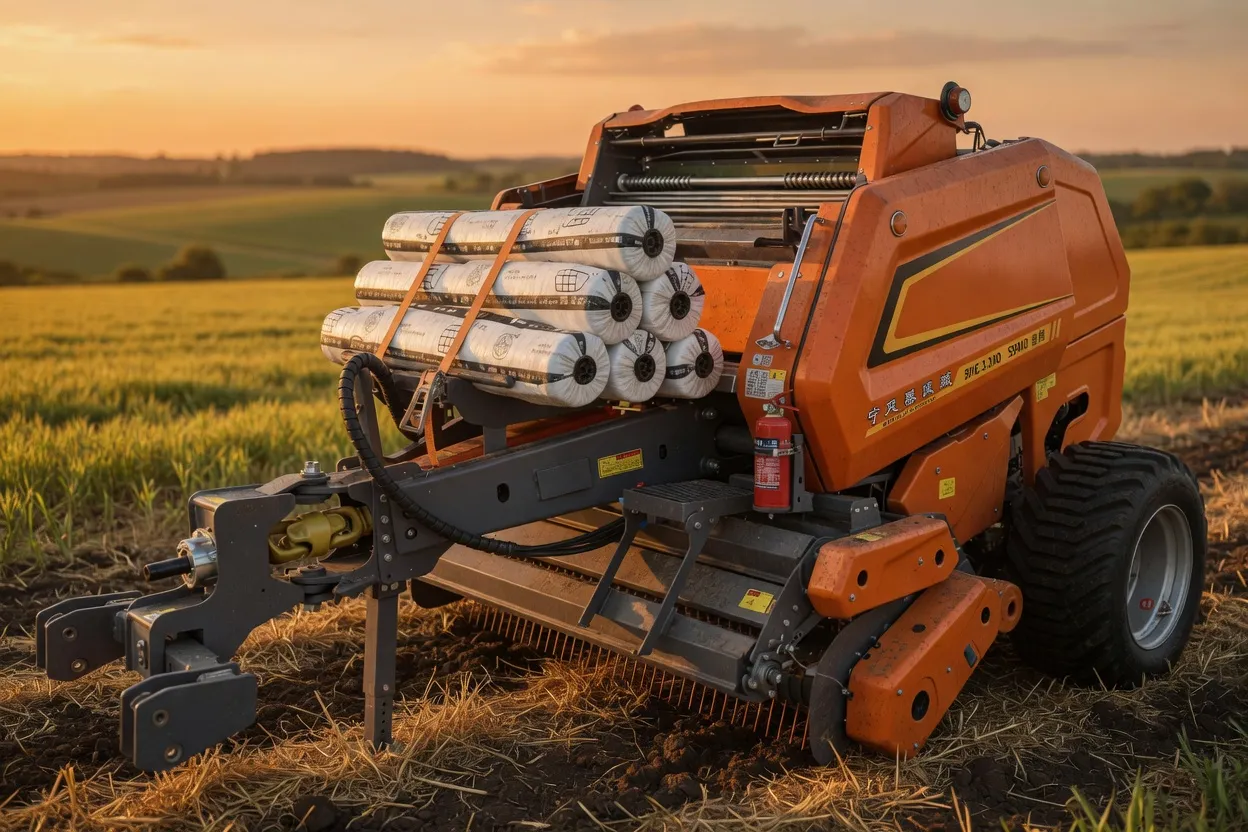
Chamber blockages are the most complex type and typically result from a combination of factors rather than a single cause. Material has entered the chamber but cannot build rotational momentum — it falls flat, compacts against the lower rollers or belts, and eventually bridges across the chamber width, preventing any further crop entry. This type of blockage is particularly damaging if allowed to continue, as the accumulated force can distort the fixed side panels of the chamber or crack belt guide channels under the sustained load of an over-packed, stationary mass.
Tailgate Opening Procedure
After following the full safety sequence — PTO disengaged, engine off, key out, hydraulic pressure relieved — the tailgate can be opened slowly using the manual or hydraulic release. Do this gradually and stand to the side: a chamber packed with wet silage under compression can eject material with surprising force when the tailgate pressure is released. Open the tailgate only wide enough to work on the blockage, not fully, to reduce the risk of the partial bale rolling out uncontrolled.
Manual Chamber Clearing Steps
Relieve tailgate hydraulic pressure first
Lower the hydraulic pressure on the tailgate locking circuit before releasing the latches. Attempting to open a latched tailgate with full hydraulic lock against a packed chamber is one of the leading causes of latch component damage in silage balers.
Remove packed material in sections
Work the jammed material out of the chamber in manageable sections using a fork or clearing rod. Avoid reaching deep into the chamber — maintain a working position from outside at all times. Silage material at 60% moisture in a 1.25m chamber will weigh 300–400kg; never attempt to move the whole mass at once.
Inspect belts and rollers before closing
With the chamber cleared and the tailgate open, take two minutes to inspect belt surfaces for damage and check all lower rollers for smooth rotation. A chamber blockage that was left for more than a minute before clearing often causes belt surface damage from heat and friction build-up. Replacing a damaged belt now takes 20 minutes; discovering it in the field after closing the tailgate takes hours.
Close tailgate and run a test cycle
Close and latch the tailgate, re-engage PTO, and run a slow test entry into the windrow to form a small trial bale. If the chamber builds and the bale ejects cleanly, resume normal operation at reduced speed for the next 10 minutes to confirm the machine is running without residual issues.
Repeated Blockages — Diagnosing the Underlying Cause
One Blockage Is an Event — Three Blockages Is a System Problem
If your साइलेज बेलर is blocking repeatedly — more than twice per hour of operation — the cause is systemic, not coincidental. Single blockages are usually operator or field-condition related; repeated blockages point to a machine condition or operational setting that is consistently outside the acceptable range. The most productive approach is to stop trying to clear the symptom and instead identify the pattern: where in the machine does the blockage occur, under what crop conditions, and at what stage of the baling cycle? Answering those three questions locates the root cause in nearly every case.
| Blockage Pattern | Most Likely Cause | Primary Fix |
|---|---|---|
| Blocks at pickup, every 3–5 bales | Travel speed too high for crop volume | Reduce forward speed by 30% |
| Blocks at throat on every 2nd bale | Windrow too wide or unevenly raked | Adjust rake width; narrow windrow |
| Chamber blocks before bale is full | Belt slip or insufficient PTO speed | Check belt tension; verify PTO RPM |
| Blocks in morning, clears by midday | Morning dew; crop too wet to bale | Delay baling until moisture drops below 65% |
| Blocks after changing crop type | Pickup height wrong for new crop stem | Re-set pickup height for new crop |
Blockage Prevention: Field Settings & Preparation
Getting Machine and Crop Conditions Right Before You Start
The majority of silage baler blockages are preventable. Unlike mechanical failures, which can occur regardless of operator behaviour, blockages are primarily caused by the combination of operating conditions, machine settings, and crop characteristics being outside the machine’s design envelope. Getting these three factors aligned before entering the paddock eliminates most of the blockage risk before the PTO even engages. The time spent on pre-work preparation — setting pickup height, checking windrow consistency, measuring crop moisture — directly translates into fewer stoppages and a higher number of bales per hour. You can learn more about our full equipment range and recommended operating practices on our About Us page.
Machine Settings Checklist Before Each Session
Pickup Height
Set clearance to 25–40mm above ground level. Lower settings improve tine-to-crop contact in short pasture; raise for longer stems to reduce ground contact and soil ingestion.
PTO Speed
Confirm tractor delivers rated PTO RPM (540 or 1000) at full operating throttle. Test before entering the first windrow — not while already in the crop.
Crop Moisture
Measure moisture at the windrow level with a handheld meter. Do not begin baling if readings exceed 70% — the blockage risk in this range is near-certain for most machine types.
Windrow Width
Windrow should fill 80–90% of pickup width for even feed distribution. An undersized windrow creates centre-loading and asymmetric bale formation; oversized causes edge packing.
Shear Bolts
Carry a full complement of replacement shear bolts in the toolbox. Using substitute bolts of the wrong grade disables the overload protection and turns the next blockage into a shaft or gearbox failure.
स्नेहन
Grease all marked pickup and feed drive lubrication points before the first run of the day. Dry bearings in the pickup drive shaft create uneven tine rotation that causes crop to clump rather than flow.
How Your Mowing & Raking Setup Affects Blockage Risk
Upstream Equipment Decisions Have Downstream Consequences
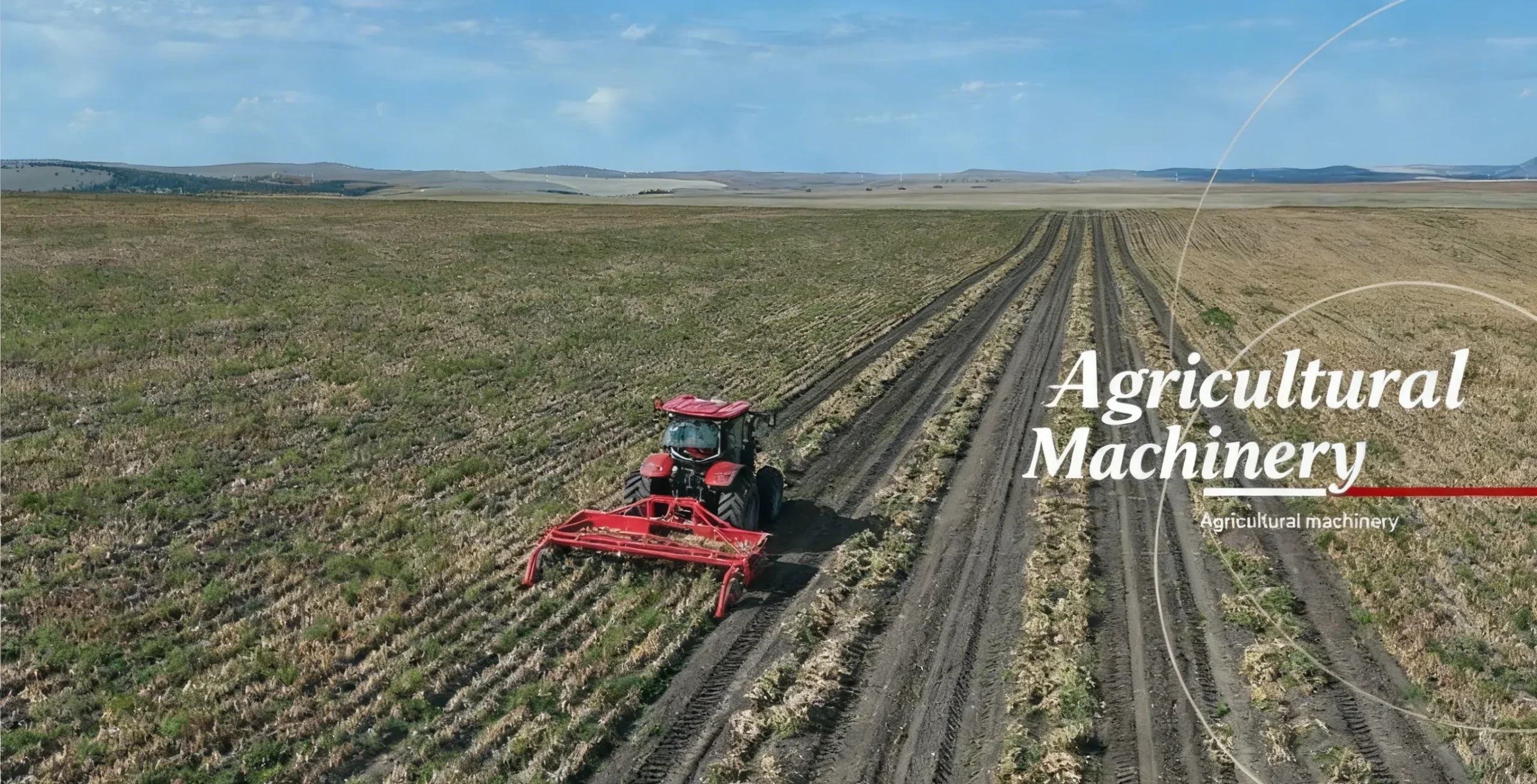
Blockage prevention doesn’t begin at the baler — it begins at the mower. The way crop is cut, conditioned, and raked directly determines the physical characteristics of the windrow that your साइलेज बेलर has to process. A mower-conditioner that crimps and spreads the crop evenly creates a windrow with consistent density, good air circulation for rapid wilting, and a stem orientation that feeds cleanly into most pickup designs. Without conditioning, thick-stemmed crops like lucerne or cereal silage form a tangled, interlocked mat that is disproportionately difficult for a pickup to process without blockage.
Raking technique compounds this further. Over-raking — making multiple passes to maximise windrow volume — creates a dense, layered mass with leaves and fine stems packed tightly together. This type of windrow may look efficient from the tractor cab, but at the pickup head it presents as a high-resistance, variable-density feed that creates exactly the surge-and-stall feeding pattern that triggers blockages. A single clean raking pass that forms a uniform windrow is always preferable to a large, densely packed one. Our 9GQY-3.2 मोवर कंडीशनर and the full rake range are designed specifically for pre-baling silage crop management, creating windrows that feed consistently into the baler without the density spikes that cause blockages.
❌ Windrow Conditions That Cause Blockage
- Excessive moisture >70%
- Over-raked, layered density spikes
- Width wider than pickup head
- Foreign debris (wire, plastic, stones)
- Stemmy, unconditioned long crops
✅ Windrow Conditions That Prevent Blockage
- Moisture 50–65% after wilting
- Single-pass rake, uniform density
- Width at 80–90% of pickup head
- Field cleared of wire and stones
- Conditioned crop with broken stems
Essential Silage Baler Parts & Tools to Carry in the Field
Being Prepared Cuts Blockage Downtime from Hours to Minutes
Even the most skilled operator will occasionally face a blockage that requires a silage baler parts replacement to fully resolve. Carrying the right spares and tools in the field tractor toolbox is the difference between a 10-minute stoppage and a two-hour one while you drive back to the shed or wait for a parts delivery. The list below represents the minimum recommended field kit for any silage baling operation. For operators running the Ever-power range, हमारी टीम से संपर्क करें for model-specific parts kits.
| वस्तु | Quantity | Purpose |
|---|---|---|
| OEM shear bolts (correct grade) | ×10 | Replace immediately after every blockage |
| Replacement pickup tines (set of 4) | ×1 set | Replace bent tines caused by blockage impact |
| Wooden clearing paddle (900mm) | ×1 | Safe manual crop clearing without metal contact |
| Grease gun + silage-grade grease | ×1 | Re-lubricate pickup shaft after clearing |
| Forage moisture meter | ×1 | Verify crop moisture before resuming after blockage |
| Wire cutters (heavy duty) | ×1 | Remove wire or twine wrapped on pickup shaft |
When to Stop Field-Clearing and Call a Specialist
Recognising Damage That Needs Professional Attention
Most silage baler blockages are field-clearable within 10–20 minutes using the steps above. However, certain signs after a blockage indicate that the machine has sustained damage that field clearing alone will not resolve — and continuing to operate in this condition risks converting a manageable repair into a major rebuild. Knowing when to stop is as important as knowing how to clear.
🛑 Stop Operating and Contact a Technician If You Notice:
- Unusual noise from the PTO driveline or pickup shaft after clearing
- Visible deformation of the bale chamber side panels
- Belt tracking off-centre despite correct tension
- Pickup rotation that is jerky or uneven at correct PTO speed
- Hydraulic fluid weeping from the tailgate cylinder seals after a high-force jam
- Shear bolts that shear again within the first 5 metres of restarting
पर ऑस्ट्रेलिया एवर-पावर फोरेज बेलर्स कंपनी लिमिटेड, based in the Charlton Industrial Area, our technical support team assists operators across Australia with both over-phone diagnostic guidance and direct parts supply. If your machine is showing any of the warning signs above after a heavy blockage, reach out to us at [email protected] before resuming operation — early diagnosis almost always results in a lower-cost repair outcome than discovering structural damage mid-season.
Need Specialist Help?
Talk to Our Silage Baler Technical Team
Based in Charlton Industrial Area, Australia — supporting operators with parts, diagnostics, and equipment selection across the country.
Why Ever-Power Silage Balers Are Designed to Resist Blockages
Engineering Decisions That Reduce Downtime in the Field
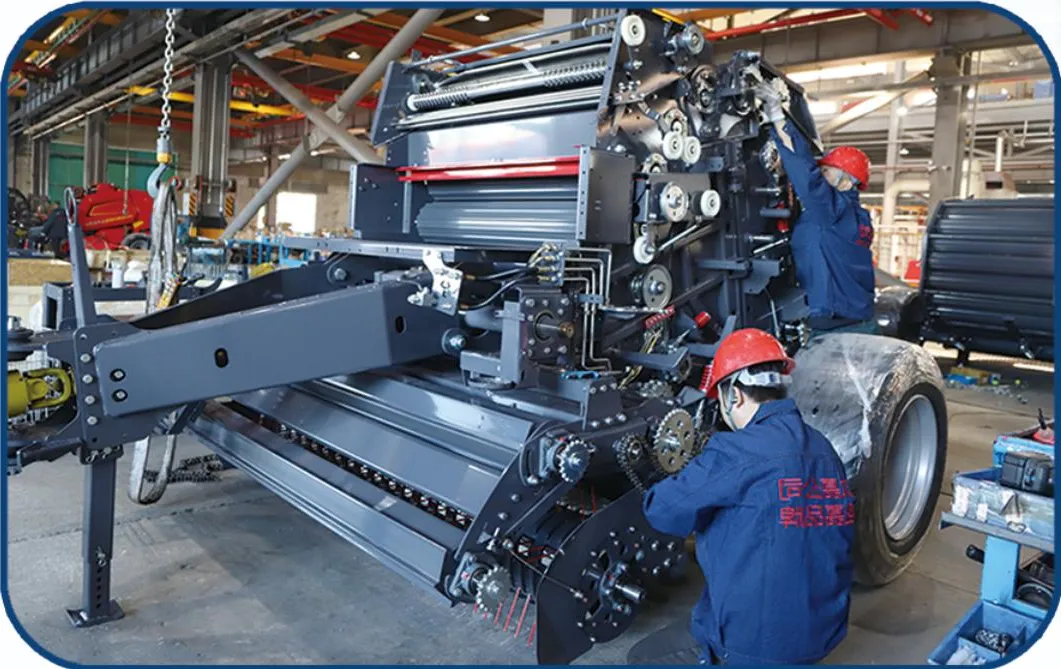
When Australian farmers look for a silage baler for sale that genuinely reduces blockage frequency, the design choices in the Ever-power range reflect a direct response to real-world silage conditions. The pickup geometry is calibrated for higher-moisture crop flow rates, the feed throat clearances are wider than equivalent dry-hay designs, and the belt compound is rated for the silage operating environment rather than adapted from a hay platform. These aren’t marketing distinctions — they translate directly into fewer stoppages per day of operation. Whether you’re running a compact 1.0m baler on a small mixed farm or a high-capacity unit on a commercial dairy enterprise, blockage resistance is engineered in at the specification level, not left to maintenance habit alone.
Reverse PTO Standard
Built-in reverse function on key models for rapid in-field pickup clearing without manual intervention.
Silage-Spec Feed Geometry
Feed throat dimensions designed for high-moisture crop flow, not adapted from dry hay specifications.
Protected Drive Systems
Properly rated shear bolt protection on all drive shafts — sacrificial bolts shear before damage reaches gearboxes or shafts.
Local Parts Supply
Australian-stocked silage baler parts — shear bolts, tines, belts and more available without extended import delays.
Recommended Product
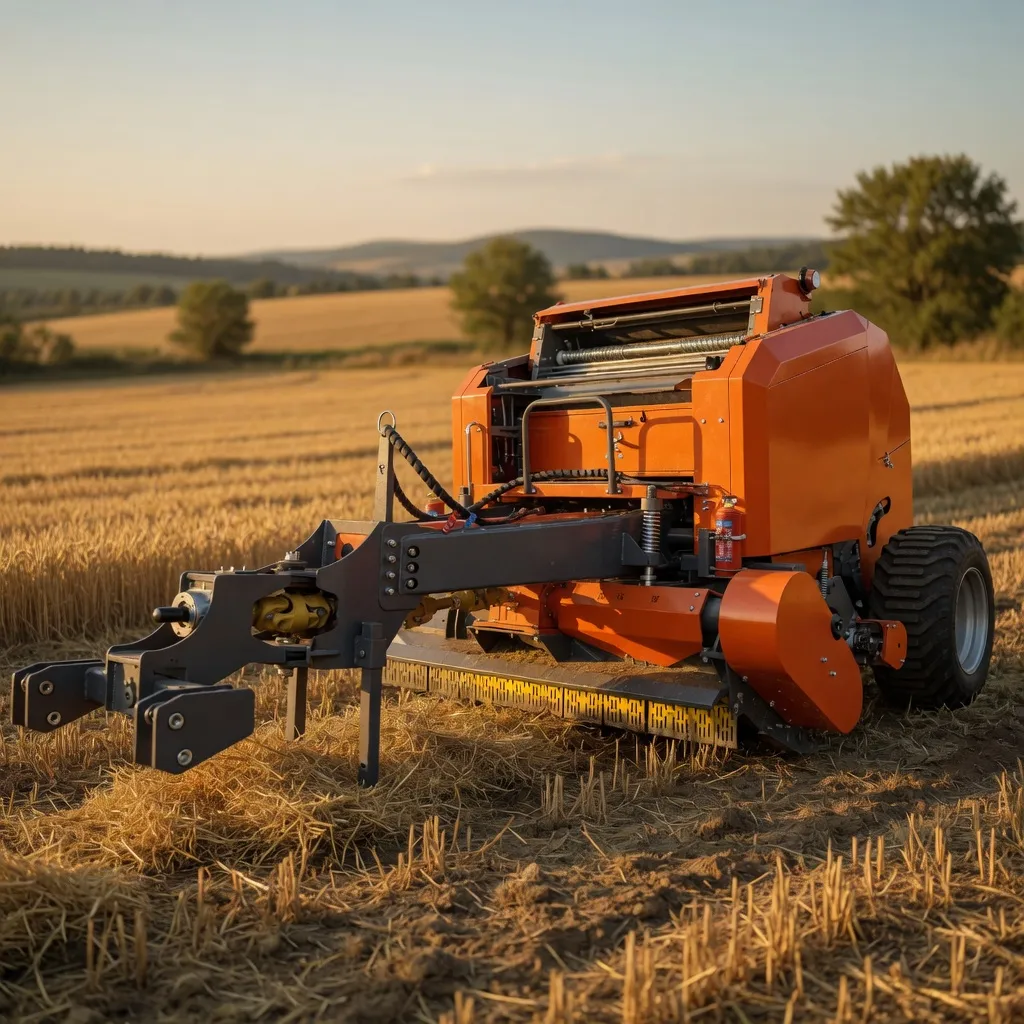
9YG-1.25 Type Round Baler — Purpose-Built for Silage
For operators experiencing recurring blockages with their current equipment, the 9YG-1.25 Type Round Baler is worth serious consideration. Its pickup head features an optimised tine pitch and feed channel width that handles the 50–65% moisture silage crops common in Australian pasture operations without the feed resistance that causes throat and chamber blockages in narrower designs.
The machine’s stuffer mechanism uses a wider clearance geometry than most equivalent models, which directly reduces the packing force that drives feed throat jams in heavy first-cut crops. For dairy and beef operations where continuous baling throughput matters, fewer stoppages translate directly into lower cost per bale.
अक्सर पूछे जाने वाले प्रश्नों
Common Questions About Silage Baler Blockages

ऑस्ट्रेलिया एवर-पावर फोरेज बेलर्स कंपनी लिमिटेड
📍 Charlton Industrial Area, Australia