
Understanding What You Are Really Choosing Between
Two Preservation Architectures with Different Whole-Farm Implications
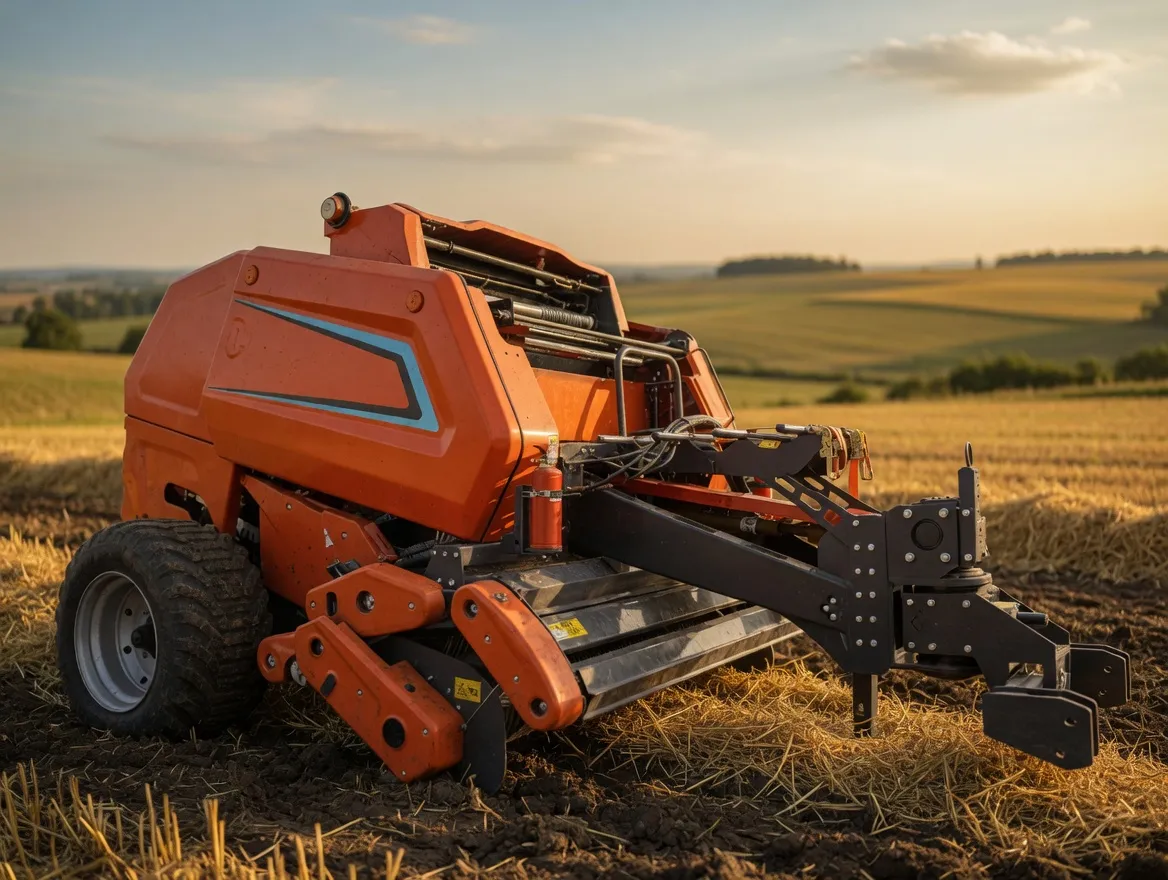
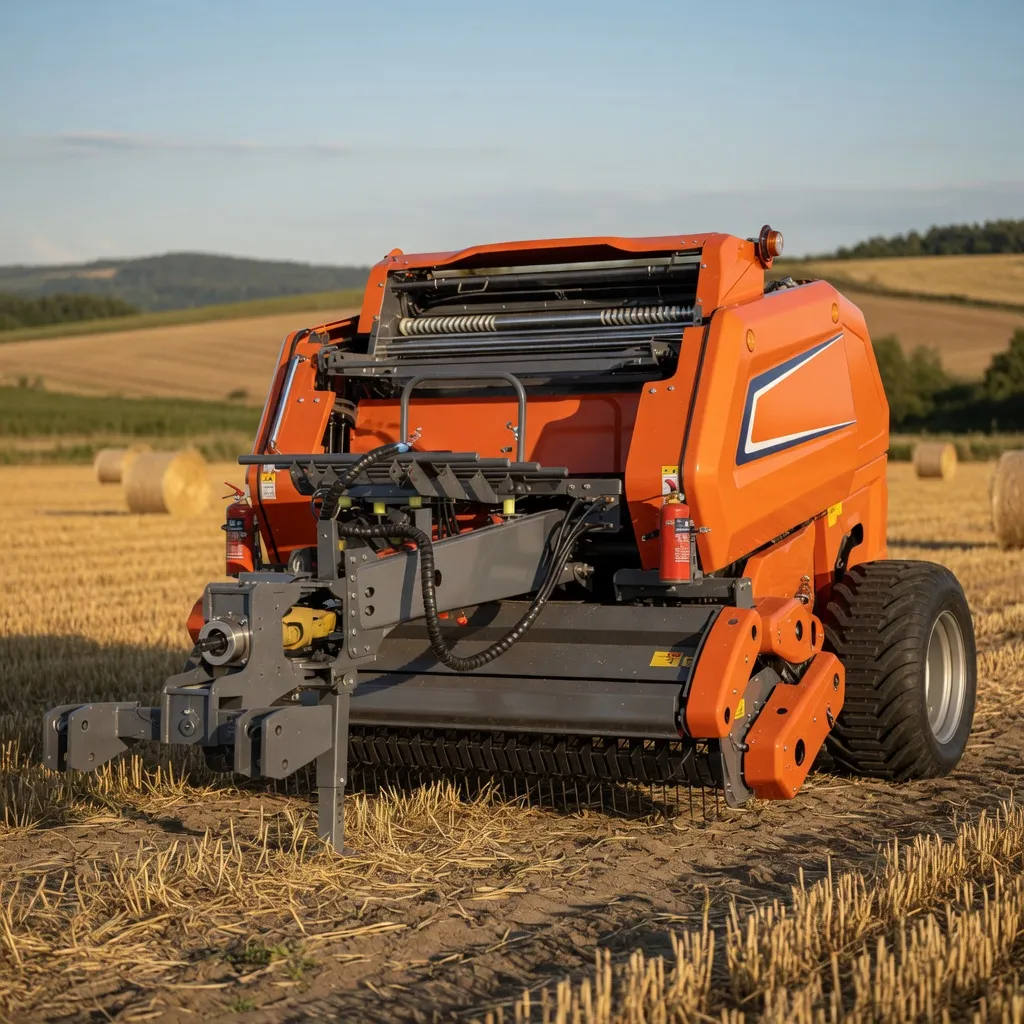
Wrapped bale silage, produced by a presse à ensilage and stretch film wrapper, creates individual sealed preservation units that can be stored anywhere, moved independently, and fed out one at a time. Pit silage — whether in a drive-over pit, a concrete bunker, a stack on plastic sheeting, or a stack-and-seal configuration — creates a single continuous mass of fermented material that must be managed as a unit and fed from a face that progressively advances through the stored mass. These are not just different machines producing the same product in different packaging — they are architecturally different preservation systems with different strengths, weaknesses, and implications for the farm business that uses them.
In Australia, both systems are well-established and both can produce excellent silage when correctly managed. The relative prevalence of each system varies by region, enterprise type, and farm scale — bale silage dominates in the typical farm-scale dairy and beef sector (operations under 300 cows or equivalent), while pit/bunker silage is more common in the intensive commercial dairy sector (300+ cows) and in the feedlot supply chain. Neither system is universally right or wrong; the question is which system fits a specific farm’s profile better across the dimensions that matter most to that operation.
This guide works through the comparison systematically across cost, quality, labour, infrastructure, flexibility, and risk — the dimensions that determine which system produces the best total outcome for a specific farm. It does not declare a winner, because there isn’t one in any universal sense. The Équipe Ever-Power is available to discuss which approach suits your specific operation’s profile.
Cost Comparison: Capital, Infrastructure, and Operating Costs
The Full Cost Picture Across the System Lifecycle
The cost comparison between the two systems is more nuanced than a simple “bale film vs concrete” comparison suggests. The capital costs need to be assessed across the complete system — harvesting equipment, storage infrastructure, and handling equipment — rather than any single component. And operating costs need to include labour, consumables, and maintenance across the full annual production cycle, not just the consumable cost per bale or per tonne.
Capital Cost
The bale silage system’s capital cost is dominated by the baler and wrapper — machines that depreciate over their service life but do not require fixed infrastructure investment. A complete round baler and satellite wrapper setup can be established for a fraction of the cost of constructing a properly engineered concrete bunker of equivalent seasonal capacity. At 200 tonnes DM per season capacity, a well-specified bale silage system including baler, wrapper, and all supporting equipment represents an entry cost substantially below the equivalent bunker construction cost. The bunker’s construction cost is a sunk investment that cannot be recovered if the farm’s scale or system needs change; the baler and wrapper retain residual market value and can be replaced at a cost that reflects accumulated hours rather than a total write-off.
Operating Cost Per Tonne DM
Operating cost per tonne DM favours the pit/bunker system at high production volumes. The plastic sheeting and cover film used for a drive-over stack or bunker system costs less per tonne DM than the stretch film used to individually wrap round bales, primarily because pit silage plastic covers a continuous mass of material with a single layer of film rather than wrapping each unit individually. At 200 tonnes DM per season, the annual film/plastic cost difference between the two systems is modest; at 1,000 tonnes DM, the difference becomes more significant and begins to contribute meaningfully to the total operating cost comparison. For operations below 300 tonnes DM per season, the capital cost advantage of the bale system typically outweighs the operating cost advantage of the pit system over a 10-year horizon.
Labour Cost
Labour cost per tonne DM is broadly comparable between systems at farm scale, though the distribution of that labour differs. Bale silage concentrates labour in the baling and wrapping harvest event, with modest daily labour for bale handling and feed-out. Pit silage concentrates labour in the intensive filling-and-compaction harvest event (which requires multiple simultaneous operators) and in the daily face management at feed-out. Neither system has a decisive labour cost advantage at farm scale, but the bale system’s ability to run with one to two operators is practically important for farm businesses where harvest crew availability is constrained. For presse à ensilage pour ferme laitière advice tailored to your operation, contactez l'équipe de Charlton.
| Cost Category | Bale Silage | Pit/Bunker Silage |
|---|---|---|
| System capital cost | Inférieur ✅ | Higher (bunker construction) |
| Plastic/film cost per t DM | Higher (individual wrapping) | Inférieur ✅ |
| Harvest labour (operators) | 1–2 ✅ | 3–5+ |
| Asset residual value | Baler resalable ✅ | Bunker sunk cost |
| Economic break-even volume | 50–300 t DM ✅ | 500+ t DM |
Silage Quality: Fermentation, Density, and Feed Outcome
Comparing the Two Systems on the Measures That Affect Livestock Performance
Well-managed pit or bunker silage can achieve slightly higher average density than well-made round bale silage, primarily because the physical compaction possible in a pit or bunker — using heavy tractors running back and forth over the filling surface — produces densities of 210–250 kg DM/m³ that round balers typically cannot match. This density premium produces lower fermentation dry matter losses and a shorter aerobic phase after sealing. For very large operations where every percentage point of DM preservation has significant financial value, the pit silage density advantage is a genuine quality benefit.
However, the quality advantage of pit silage is realised only when the system is managed correctly. Poor face management at pit silage feed-out is one of the most common feed-quality problems in Australian dairy systems — aerobic deterioration at a poorly managed bunker face can consume 10–20% of the face-exposed silage before it is fed, producing heating that reduces digestibility and animal intake. A well-managed bale silage system with high bale density and prompt wrapping can produce fermentation profiles and feed-face stability comparable to a well-managed pit silage system of the same crop — and significantly better than a poorly managed pit.
Bale silage has a containment advantage that pit silage cannot match: each bale is an independent preservation unit. A film puncture, storage problem, or management failure affects that bale only. A pit silage quality failure — whether from poor compaction, a rain event during filling, or a prolonged face management lapse — affects a large portion of the stored batch simultaneously. For smaller operations where the annual silage stock is the primary forage reserve without alternative feed sources, the containment risk profile of bale silage is a genuine risk management advantage over pit silage.
Daily Management: Harvest, Storage, and Feed-Out Practicalities
How the Two Systems Feel to Operate Day to Day
Harvest Event Management
Bale silage harvesting can pause and resume at any point — completed wrapped bales are protected the moment wrapping finishes, and the baling session can be interrupted for milking, weather changes, equipment issues, or other farm priorities without quality penalty. Pit silage filling must be completed in a single continuous operation from start to seal — leaving a half-filled pit or bunker open overnight or over a rain event risks serious quality loss to the exposed material. For Australian farms managing harvest around milking schedules and unpredictable weather, this pause-and-resume flexibility of the bale system is a practical advantage that reduces operational stress during what is already a demanding harvest period.
Storage Period Management
Bale silage storage requires regular inspection for film damage — bird pecks, sharp debris contact, or handling damage — and prompt repair of any breaches. This inspection requirement is modest (monthly walk-around during storage) but is ongoing throughout the season. Pit silage storage requires inspection of the covering sheet or film for damage and weighting integrity, plus attention to any visible seepage management around the pit perimeter. Both systems require storage period attention, but the consequences of a missed breach differ: a bale film puncture affects one bale; a pit cover failure can affect a much larger volume of stored material.
Daily Feed-Out
Bale silage feed-out is simple and equipment-independent — open a bale with the loader bale spike, distribute the silage directly or place into a TMR mixer. Pit silage feed-out at consistent quality requires face management skill and attention: removing the correct daily allocation from the face, keeping the face vertical and clean, and ensuring the daily progression rate is fast enough to limit aerobic re-exposure. For farmers feeding smaller herds where the daily removal rate from a pit face would be less than the 15–20 cm per day needed for good face management, bale silage provides better daily feed quality without the face management challenge.
Flexibility, Portability, and Risk Management
The Bale System’s Unique Advantages for Australian Farm Business Flexibility
The portability and tradeability of wrapped bale silage is one of its most important and most undervalued attributes in the Australian farm context. Bales can be sold to a neighbour in drought, transported to a secondary grazing block, purchased from a contractor when on-farm production is insufficient, and managed as individual units in stock control systems. Pit silage is fixed to the storage structure — it cannot be transported without converting it to a different product, and it cannot be sold as individual units that a buyer can independently manage and store.
Scale flexibility is similarly important. The bale silage system scales in direct proportion to production — 50 bales or 500 bales, the system operates the same way with proportionally more time. A pit silage system designed for 500 tonnes capacity is inefficient at 200 tonnes (underfilled pit with poor face management dynamics), and inadequate at 700 tonnes (requires overflow management). The bale system’s absence of fixed capacity constraints makes it well-suited to Australian farms where annual silage volumes fluctuate significantly with seasonal conditions.
The risk profile of each system reflects these structural differences. Bale silage risk is per-bale — individual, bounded, and manageable. Pit silage risk is batch-level — a management failure during filling or a storage incident can affect an entire season’s production. For farms where silage represents the primary or only forage reserve without redundancy from other feed sources, this risk difference is not abstract — it is the difference between managing a feed quality problem with one bale and managing a feed supply crisis with the entire winter silage stock. The presse à ensilage system’s risk containment architecture suits the risk management needs of Australian farm businesses in variable-rainfall environments.
Complete Comparison: Bale Silage vs Pit Silage
Every Relevant Dimension in One Reference Table
| Dimension | Bale Silage | Pit/Bunker Silage |
|---|---|---|
| Capital cost (system) | Inférieur ✅ | Plus haut |
| Plastic cost per t DM | Plus haut | Inférieur ✅ |
| DM density | 175–205 kg/m³ | 210–250 kg/m³ ✅ |
| Fermentation DM losses | 8–12% (well-managed) | 5–8% ✅ (well-managed) |
| Risk scope (management failure) | Par balle ✅ | Lot entier |
| flexibilité de la pause récolte | À tout moment ✅ | Doit remplir le formulaire |
| Harvest crew required | 1–2 ✅ | 3–5+ |
| Storage scale flexibility | Variable ✅ | Fixed capacity |
| Portability/tradeability | Élevé ✅ | emplacement fixe |
| Suitable production volume | 50–1,000 t DM ✅ | 500–10,000+ t DM |
| Feed-out management demand | Simple ✅ | Face management required |
Which System Is Right for Your Farm?
Matching the System to Your Farm’s Profile
✅ Bale Silage Suits:
- Farms under 300 cows or equivalent livestock
- Annual volumes under 500 tonnes DM
- 1–2 person harvest crew
- No existing bunker infrastructure
- Variable-rainfall regions (drought flexibility)
- Harvest competing with milking schedule
- Operations needing portability for bale trading or agistment
✅ Pit Silage Suits:
- Farms above 300 cows or equivalent
- Annual volumes above 500 tonnes DM
- Reliable 4+ person harvest crew
- Existing bunker infrastructure
- Large TMR dairies with consistent daily allocation
- Operations with high-HP tractors for compaction
- Stable, high-volume production year to year
Ever-Power: Built for the Bale Silage System That Suits Most Australian Farms
The Range, The Support, and The Local Presence That Makes the Difference
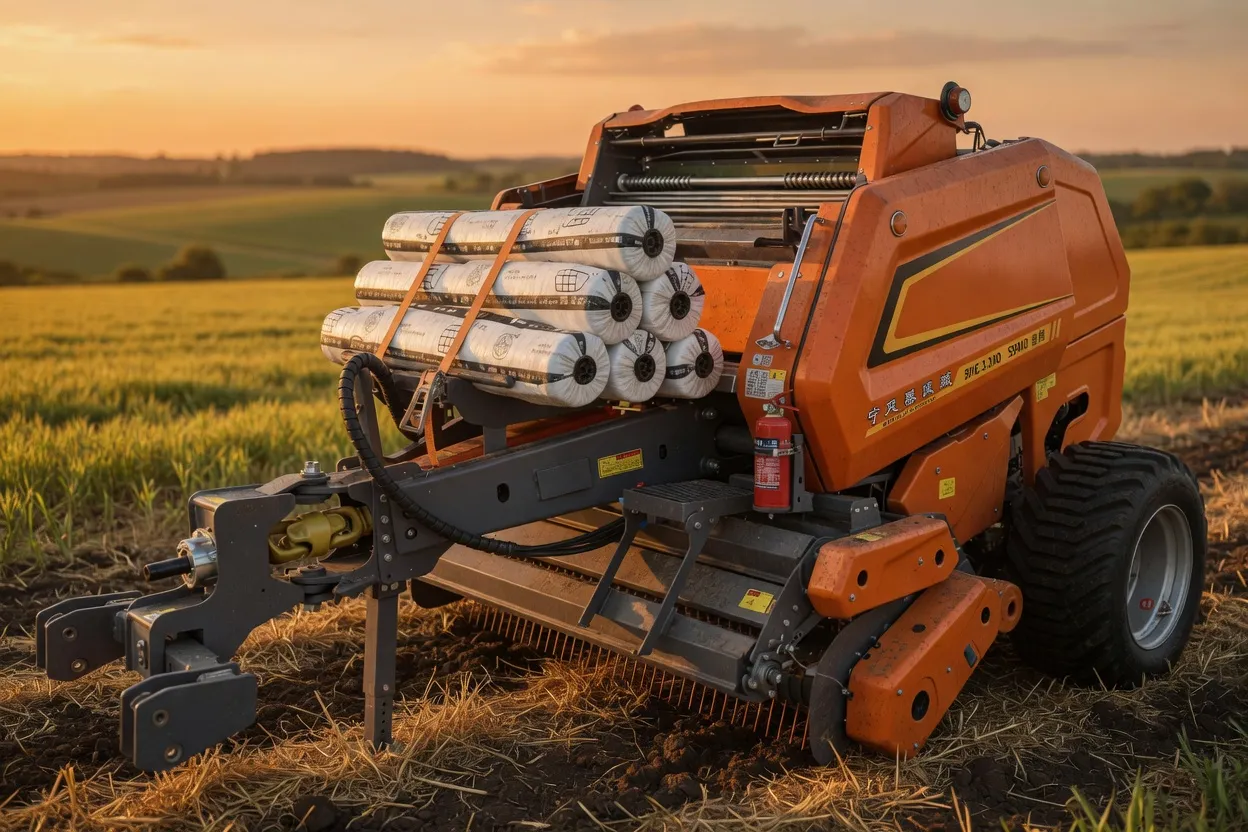
For the majority of Australian farm operations that fall within the bale silage system’s optimal profile — dairy farms under 300 cows, beef operations of any scale, mixed enterprises with variable annual production, and farms in variable-rainfall regions where silage tradeability is a genuine asset — the Ever-power round baler range provides the foundation of a system that is lower-cost, more flexible, and more forgiving than pit silage for their specific circumstances. From the 9YG-1.0 for small farms to the S9000 Au-delà for maximum-density commercial production, there is a model matched to every farm scale and quality priority. The Équipe de Charlton provides system design advice, parts supply, and technical support for Australian bale silage operations of all sizes.
Designing or Upgrading Your Silage System?
Talk to Australia’s Silage Baler Specialists
Charlton Industrial Area, Australia — system design advice, model matching, and technical support for every scale of Australian silage operation.
Foire aux questions
Common Questions About Bale vs Pit Silage

Australia Ever-power Forage Balers Co., Ltd.
📍 Zone industrielle de Charlton, Australie