producto
Empacadora de balas redondas 9YK-870 | Ultracompacta, 25 hp, toma de fuerza de 540 rpm
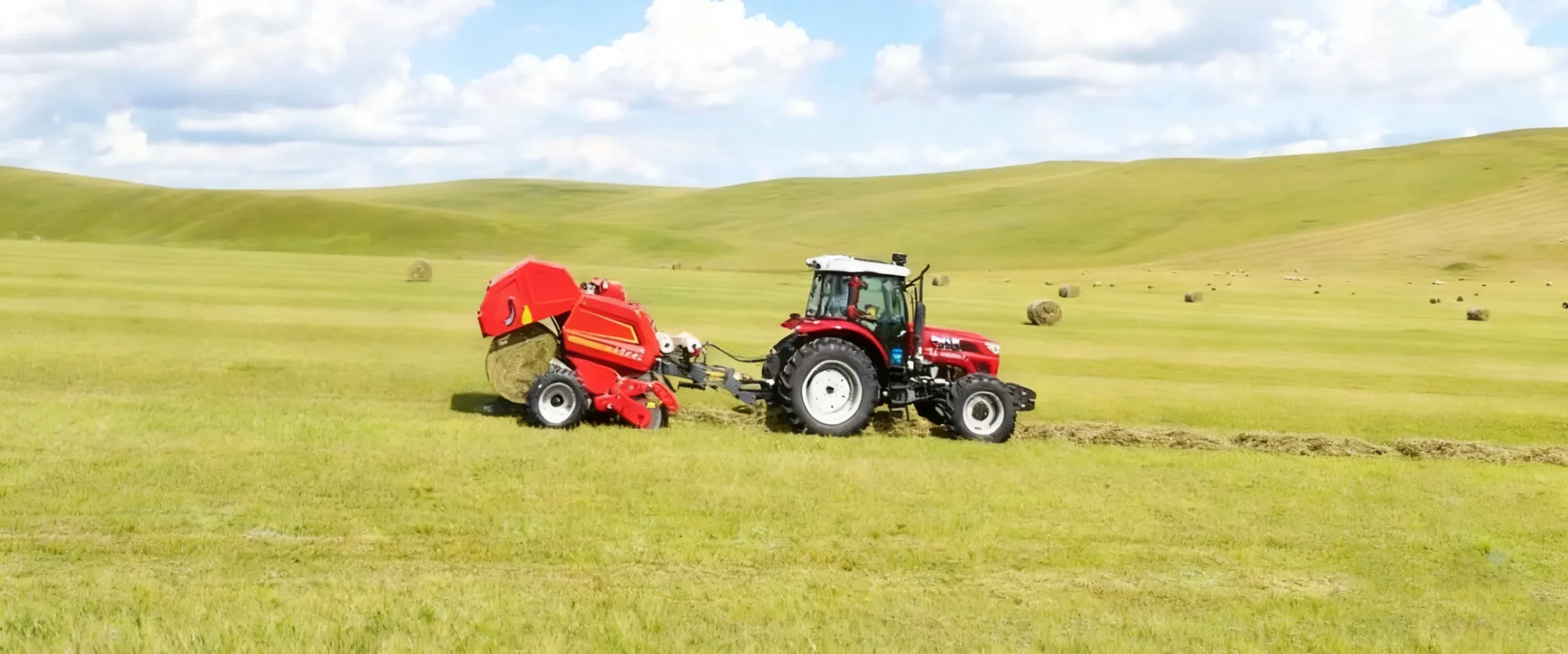
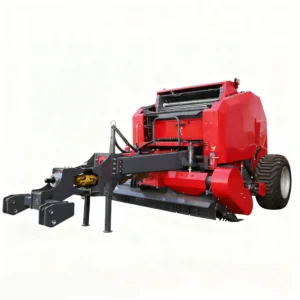
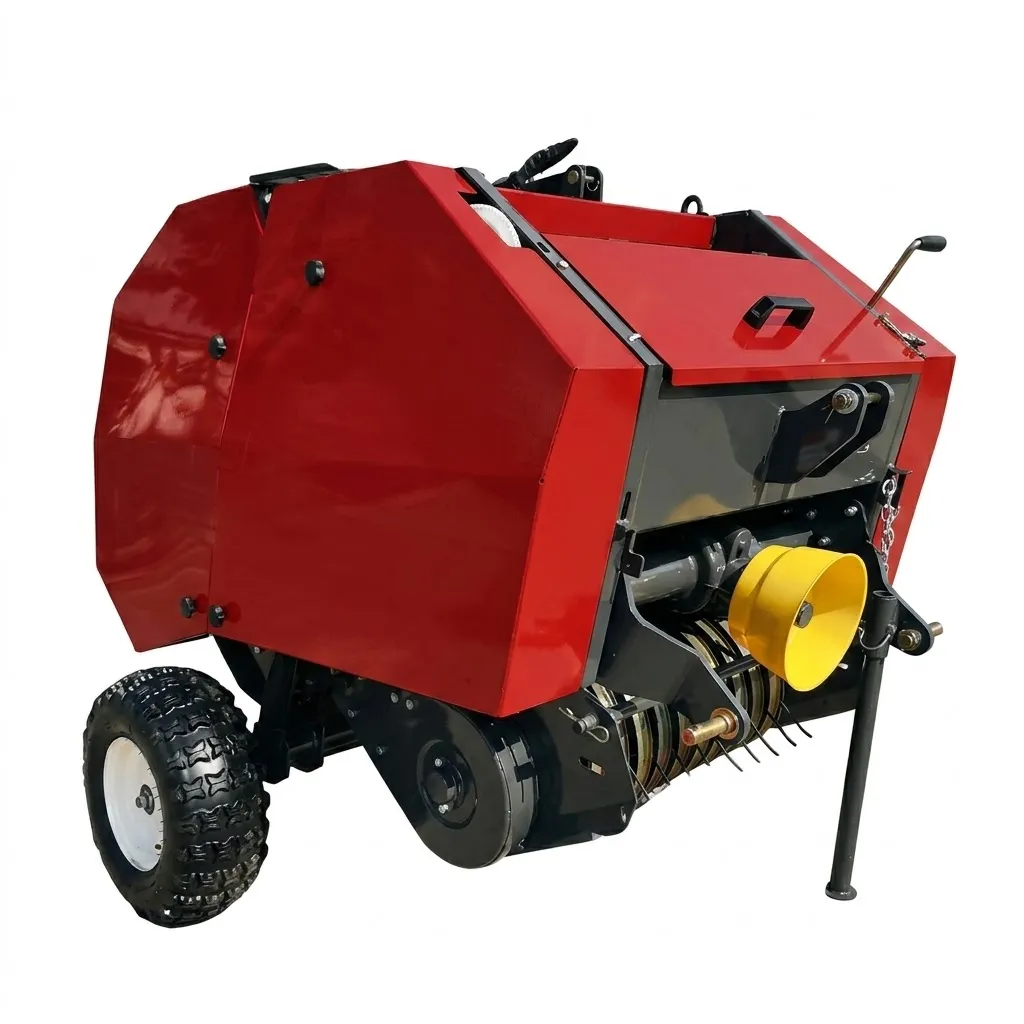
The 9YK-870 is the most compact machine in the Ever-power forage baler range — a 440 kg trailed roll drum baler running from 25 hp at 540 rpm PTO, with an 800 mm spring-tooth pickup and rope wrapping. It produces Φ630×700 mm bales at 2–5 km/h and fits through standard 1300 mm farm gates, making it the right choice for lifestyle properties, equine farms, and hobby holdings.
25 hp. 440 kg. Roll Drum Technology for Farms That Don't Need a Full-Scale Baler to Do the Job.
The round baler market has a gap at the small end. Below 1000 kg and below 50 hp, the options narrow quickly: simple belt-drive machines with the quality limitations that come with that design, or nothing at all. The 9YK-870 occupies that gap with a different proposition — 440 kg, 25–50 hp, roll drum compression, and a Φ630×700 mm rope-wrapped bale that can be moved by a single person in light hay crops. It is not a scaled-down commercial machine. It is a machine designed from the start for the operating environment of lifestyle properties, equine farms, hobby holdings, and market gardens — where the tractor is a compact utility model, the paddock is measured in acres not hectares, and annual bale volume is in the hundreds rather than the thousands.
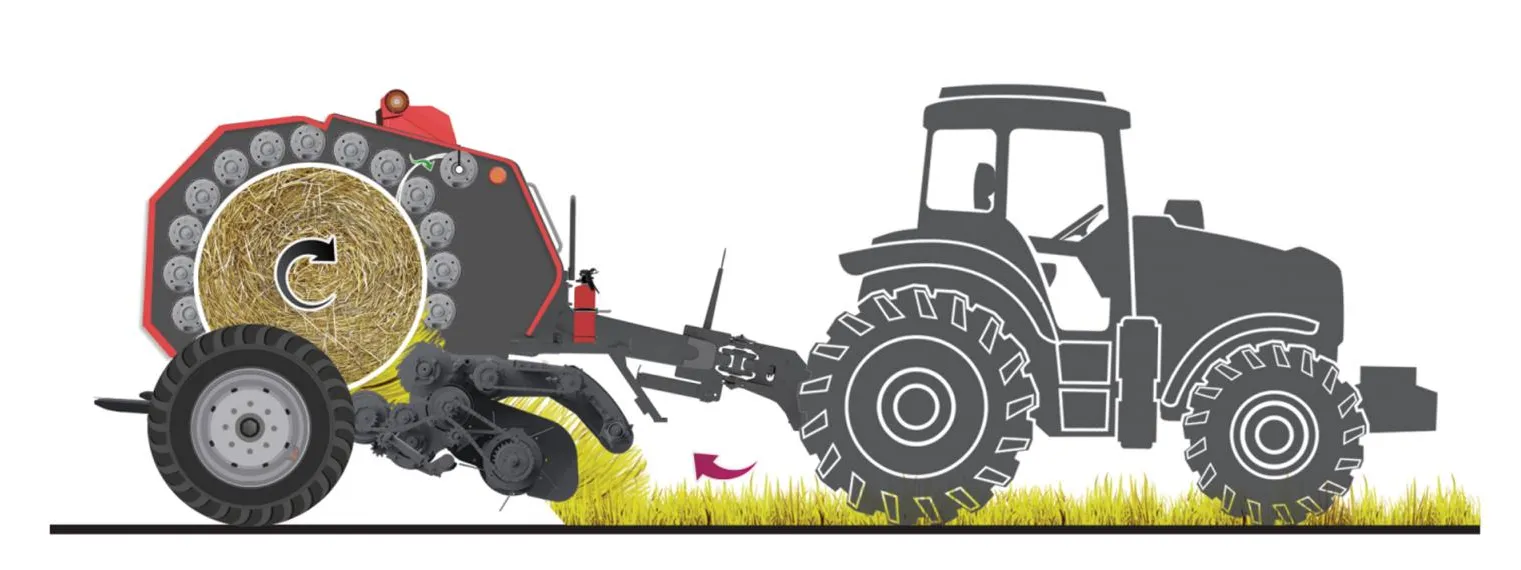
The mechanical design is as simple as the application demands. Spring tooth direct feeding — no fork stage, no screw stage — carries picked-up crop from the 800 mm reel directly into the roll drum compression chamber at a 2–5 km/h operating speed. A 540 rpm PTO drives the machine; this is the standard PTO speed on most compact utility tractors from 25 hp upward, making tractor compatibility straightforward. The resulting Φ630×700 mm rope-tied bale is the smallest in the Ever-power range and proportionally the most manageable — a practical format for the farms that do not have dedicated bale-handling equipment and rely on manual movement for feedout and storage. For guidance on matching a baler to your property scale, our article on what size forage baler suits a small farm covers the key considerations.
At 1300 mm overall width, the 9YK-870 passes through standard Australian farm gates without requiring removal or special access arrangements — no other round baler in the Ever-power range offers this. At 440 kg, it can be transported on a standard single-axle trailer behind most utes with an appropriate tow rating. Australia Ever-power Forage Balers Co., Ltd. supplies this machine direct from Charlton Industrial Area, with Australian spare parts stock for all wear components.
Especificaciones técnicas completas
Important: This machine requires exactly 540 rpm at the PTO shaft. Confirm your tractor's PTO speed before operating — Contáctanos with your tractor details if unsure.
The Property That Produces Hay but Cannot Justify — or Transport — a Full-Scale Baler
There are tens of thousands of properties across Australia that grow hay and cannot bale it themselves. Not because they lack the land or the crop — but because every available round baler requires a tractor they don't have, weighs more than they can practically transport, or is sized for a throughput level that makes the capital cost impossible to justify against their seasonal bale volume. The 9YK-870 is the machine those properties have been waiting for.
Equine Properties
Horse properties almost universally have a compact utility tractor — the same machine that mows, drags arenas, clears manure. The 9YK-870 pairs with that tractor for hay baling without a separate purchase. The Φ630×700 mm bale is a practical format for stable and paddock feeding: light enough for one person to carry in most hay crops, small enough to feed without waste in a single daily ration.
Lifestyle Blocks
A rural lifestyle block with a few sheep, a paddock producing annual grass growth, and a 30 hp compact tractor is a property the 9YK-870 was specifically designed for. Baling is a once-a-season event; a 2000 kg machine with a 100 hp requirement is not a sensible response to that. The 9YK-870 handles the property's baling needs at a scale and cost that matches the operation's actual requirements.
Market Gardens and Small Crop Farms
Cover crop residue, spent vine material, small cereal patches, and irregular paddock sections that a contractor-scale baler cannot justify attending. The 9YK-870's 800 mm pickup and 1300 mm overall width allow it to work in tight spaces, irregular areas, and small paddock sections where no other round baler in the range is practically operable.
Small Sheep and Goat Holdings
Small flocks require manageable bale volumes that one person can feed out daily without loader assistance. A Φ630×700 mm rope-tied bale is the right feed portion size for small to medium sheep operations — large enough to be a meaningful daily ration, small enough to handle without machinery every time a bale is needed. Self-sufficiency in hay production is achievable for these operations with the 9YK-870 in a way it is not with heavier machines.
First-Time Baler Operators
The 9YK-870 is genuinely one of the most operator-accessible balers available in the Australian market. Two operating parameters — 540 rpm PTO and 2–5 km/h ground speed — define most of what the operator needs to manage. There is no touchscreen to configure, no dual-stage feeder to monitor, no net-wrap count to set. For a first-time baler buyer managing the operation alone, this mechanical clarity is a practical advantage that compounds across the full season.
Five Specifications That Define What the 9YK-870 Can Do — and for Whom
Every specification on the 9YK-870 is a deliberate choice matched to its operating environment. Understanding each one explains not just what the machine does, but why it is designed the way it is.
540 rpm PTO — The Standard Speed on Every Compact Utility Tractor
The 9YK-870 requires exactly 540 rpm at the PTO shaft — not 1000 rpm. This is not a limitation; it is a deliberate alignment with the most common PTO configuration on compact utility tractors from 25 hp upward. Many small farm tractors in the 25–50 hp range have 540 rpm as their only PTO speed. The 9YK-870 is designed to run from that speed directly without any additional equipment or adaptation.
Critical operating note: If your tractor has a dual-speed PTO (540/1000 rpm), confirm that the 540 rpm setting is selected before engaging the PTO with the 9YK-870. Operating at 1000 rpm will immediately damage the driveline components. This is the single most important operating requirement for this machine — verify it before every session.
2–5 km/h Operating Speed — Designed For, Not Limited To
The 9YK-870 operates at 2–5 km/h — a pace that corresponds to the crop volumes an 800 mm pickup reel at this machine's power level can process per cycle. This is approximately walking pace at the lower end and a comfortable working pace at the upper end. The temptation to push above 5 km/h to increase daily bale output should be resisted: at higher speeds, the reel completes its tine cycle before full engagement with the windrow material, reducing pickup efficiency and potentially surging the direct-feed inlet.
What 5 km/h output looks like in practice
For a lifestyle block or equine property producing 100–400 bales per season, operating at 3–5 km/h in light to medium windrows produces a practical daily bale count that meets the property's seasonal need without requiring multi-day intensive baling runs. This machine is not optimised for contractor-scale daily throughput — it is optimised for the seasonal volume and operating context of the farms it serves.
1300 mm Width — Through Standard Farm Gates Without Removal
The 9YK-870's 1300 mm overall width is the most practically significant dimension specification in its class. Standard 1500 mm farm gates — common on lifestyle blocks, equine properties, and small farms throughout Australia — admit the 9YK-870 without gate removal, widening, or special access arrangements. No other round baler in the Ever-power range comes close to this: the next most compact model, the 9YQ-1250, is 2250 mm wide.
Transport without a wide-load concern
At 440 kg and 1300 mm wide, the 9YK-870 loads onto a standard single-axle trailer for road transport. Properties that want to share the machine between neighbours, move it to a leased paddock, or store it away from the main property can do so with the same vehicle and trailer combination used for everyday farm transport — no specialised equipment, no wide-load permit, no additional logistics planning.
Roll Drum Chamber + Rope Wrapping — Quality Bale, Minimum Consumable Cost
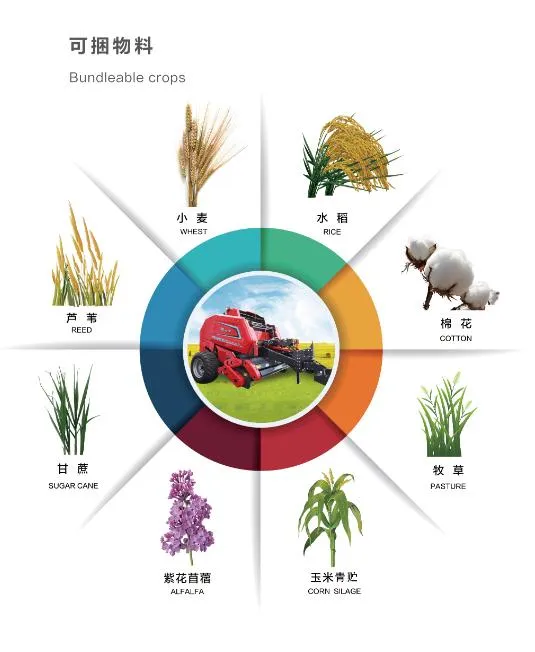
The combination of a fixed-diameter roll drum chamber with rope wrapping delivers a quality bale at the lowest possible per-bale cost. The roll drum's fixed geometry produces more uniform core-to-surface density than a variable-chamber belt design at any size — the bale that comes out of the 9YK-870 is more consistently dense than a belt-bale of the same dimensions. Rope wrapping costs a fraction of net wrap per bale. For a property producing a few hundred bales per year, the rope-versus-net cost difference across the machine's working life is a meaningful saving without any quality compromise for the dry hay application this machine serves.
Φ630×700 mm — what this bale weighs and what it takes to handle it
In light to medium oaten or ryegrass hay at 15–17% moisture, a Φ630×700 mm rope-tied bale typically weighs 30–60 kg depending on crop density and compression settings. This is within manual handling range for most adults — two people can manage these bales without loader assistance in most hay crops. For the solo operator on a lifestyle block who also handles the feedout, the 9YK-870's bale size is a practical daily-use advantage that a 1000 mm diameter bale does not offer.
Where the 9YK-870 Sits — and When to Step Up to the 9YQ-1250
The 9YK-870 is not a compromise version of a larger machine. It is the correct machine for a specific operating context. The table below shows where the boundary sits between the 9YK-870 and the next step up.
Running the 9YK-870 Well — Practical Tips for Lifestyle and Small Farm Operators
The 9YK-870's simplicity means most of the machine's seasonal performance comes from getting the basics right before each session — not from in-field adjustments or complex setup procedures.
Confirm 540 rpm PTO Before Every Session
This is not a once-per-season check — it is a before-every-session check. On tractors with dual-speed PTO selectors, the setting can change between uses. Before engaging the PTO at the start of each baling session, physically confirm the 540 rpm position is selected. Running the 9YK-870 at 1000 rpm causes immediate driveline damage. Two seconds of verification before engagement is the only action required to prevent this failure mode entirely.
Below 18% Moisture — Stricter With Rope Than Net
Rope-tied bales tolerate less moisture at baling than net-wrapped bales before heating risk in storage becomes a concern. Keep hay below 18% moisture — below 16% for legume hays like lucerne and clover. Use a hay moisture meter to confirm; visual or touch assessment is not reliable enough for this decision, particularly toward the end of the curing window when conditions change through the afternoon. A heating bale in a small shed is a more concentrated problem than on a large farm with dispersed storage.
Rake Windrows to 800 mm — Every Time
Most small mowers produce windrows wider than 800 mm. Rake or merge to approximately 800 mm before baling with the 9YK-870. The 800 mm reel will only capture what falls within its width — everything outside is left behind or requires a second pass. On small paddocks, a rake pass is fast and ensures full crop recovery. On a lifestyle block where every bale from the paddock counts, the rake pass is worth the additional time.
Stay Within 2–5 km/h — Don't Rush the Bale Cycle
Operating above 5 km/h reduces pickup engagement time and risks surging the direct-feed channel with more material than the reel cycle can deliver cleanly. In light windrows, 4–5 km/h is a productive working pace. In denser windrows — thicker oaten hay, heavier ryegrass — 2–3 km/h allows the reel to complete its full tine engagement cycle before the next windrow section arrives. The bale cycle time, not ground speed, determines daily output on this machine.
Check the Rope Path Before the First Bale
Inspect the rope routing path, bill hook position and condition, and twine guide wear before the first bale of each session. An untied bale on a lifestyle property operated by a solo operator is more disruptive than in a multi-person commercial operation — there is no one else to collect and re-run the untied bale while the operator continues. Two minutes of rope mechanism inspection before each session is the most reliable prevention for the most common baling interruption on this machine class.
Grease Before Storage and Before First Use Each Season
The 9YK-870 is typically used for a few weeks per year and stored for the balance. Grease all bearing and pivot points immediately before storage — not after, when the lubricant has already broken down under seasonal heat. Grease again before first use the following season to displace any moisture that entered bearing housings during the storage period. Seasonal balers that sit unused develop bearing corrosion faster than machines in regular year-round use; the storage-and-revival greasing routine is the primary protection against this failure mode.
Compact Baling Technology at a Price That Makes Sense for the Farm That Buys It
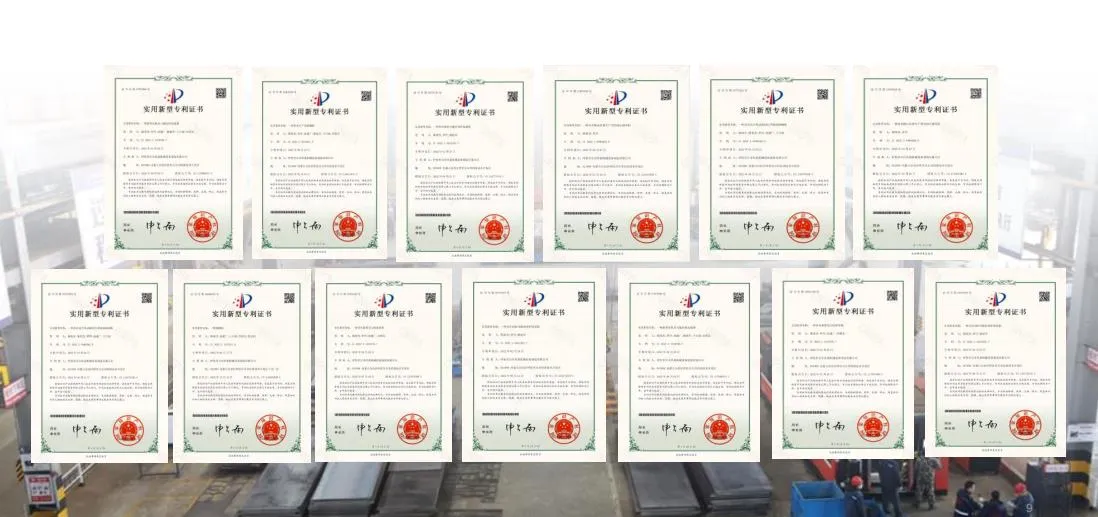
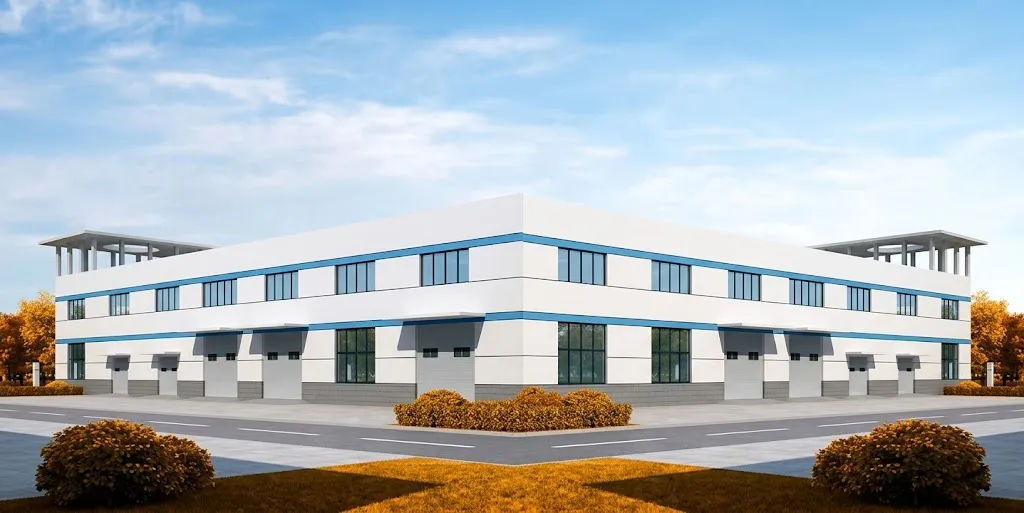
Australia Ever-power Forage Balers Co., Ltd., Zona Industrial de Charlton. Acerca de nuestro modelo de negocio y de suministro.
The Price Small Farms Can Justify
Small farm buyers evaluate purchase price against seasonal bale volume in a way commercial operations do not — the payback calculation is different when baling is a once-a-year event rather than a daily business activity. Ever-power's direct factory-to-Australia supply removes the distributor margin that inflates equipment prices in dealer channels, bringing the 9YK-870 to a price point where the calculation makes sense for a lifestyle block or equine property making 200 bales a year.
Australian Parts Stock — Fast Access When You Need It
Spring pickup tines, rope wrapping mechanism components, and roller bearings for the 9YK-870 are held in Australian stock at Charlton Industrial Area. For a seasonal machine used for a short window each year, the timing of a parts failure is critical — a two-week international freight delay may represent the entire hay season. Local stock means a worn tine or rope component is a same-week repair, not a season-ending delay.
First-Time Buyer Support — We Expect It, We Plan For It
The majority of 9YK-870 buyers have not operated a baler before. Our Australian team provides first-session support covering 540 rpm PTO confirmation, pickup height setup, rope routing, moisture requirements for rope-tied bales, and the pre-season roller check procedure. We approach first-time buyer support as a standard part of the machine purchase — not as an exception. Contact us at [email protected] o a través de nuestro formulario de consulta.
Preguntas frecuentes
Common questions from lifestyle property owners, equine farmers, and first-time baler buyers considering the 9YK-870.