
The complete guide for dairy and beef cattle farmers in Southeast Asia, Sub-Saharan Africa, and South China — from harvest stage selection to fermentation quality control.
✂️ Harvest Every 45–60 Days
🌡 Tropical Climate Fermentation
🌍 SE Asia · Africa · Southern China
Why Napier Grass Baleage Is the Most Practical Forage System for Tropical Livestock Farmers
Napier grass (Pennisetum purpureum), also known as elephant grass or king grass, is the dominant perennial forage crop across Sub-Saharan Africa, Southeast Asia, and the humid zones of South China. Its combination of extraordinary yield capacity — up to 30 to 40 tonnes of dry matter per acre per year under good management — fast regrowth after each cut, and high palatability makes it the logical feed base for small to mid-size dairy operations in regions where imported feed is prohibitively expensive.
The challenge is consistent supply. In tropical climates, Napier grass grows abundantly during the wet season and slows or stops during dry periods. Without a preservation system, farmers either overstock during flush growth and waste enormous quantities of forage, or understock to manage the dry-season gap and sacrifice milk production for months at a time. Neither outcome is economically viable for a commercial dairy operation.
Baleage — chopping or baling Napier grass at peak nutritional stage, then sealing the bale immediately with silage stretch film — converts wet-season surplus into stable, fermented feed that lasts 12 to 18 months without refrigeration or barn storage. The system requires no electricity at the storage site and can be implemented at farm scale with a single round baler and film wrapper.
This guide covers the full process: when to cut for maximum nutrition, how to manage the high moisture content that makes Napier grass challenging to bale, what wrapping specifications are required in hot tropical climates, and how to read fermentation quality indicators when opening bales. For broader context on how baleage compares to conventional pit silage methods, our article on baleage vs silage covers the key differences in preservation, infrastructure, and feed-out flexibility.
Section 1: Understanding Napier Grass as a Silage Crop
1.1 Nutritional Profile and Why Harvest Timing Defines Everything
Napier grass is not a fixed-composition crop — its nutritional value changes dramatically with plant age, and this variation is steeper and faster than most other tropical forages. The window between optimal and suboptimal harvest is measured in weeks, not months.
| Harvest Age | Plant Height | Crude Protein (DM) | Moisture | Verdict |
|---|---|---|---|---|
| 30–45 days | 0.8–1.2 m | 12–16% | 80–85% | High protein — too wet for baling without wilting |
| 45–60 days ✓ IDEAL | 1.2–1.8 m | 9–12% | 70–78% | Best balance of yield, protein, and baling moisture |
| 60–90 days | 1.8–2.5 m | 6–9% | 65–72% | Declining protein, rising stem fibre — still usable |
| 90+ days | >2.5 m | <6% | 60–65% | Stems lignified — low digestibility, poor silage quality |
The practical conclusion: cut at 45 to 60 days regrowth when plants reach 1.2 to 1.8 m. At this stage, crude protein sits between 9 and 12%, moisture is in the 70–78% range, and stem fibre is still digestible enough to produce high-quality silage. Farmers who push to 90-day cuts for the higher yield-per-visit trade off protein and digestibility in a way that is rarely economically justified.
1.2 The Moisture Challenge in Tropical Conditions
Napier grass at 45 to 60 days carries 70 to 78% moisture — significantly wetter than the 50–60% ideal baling window for most silage crops. This excess moisture is the central technical challenge in Napier grass baleage. Left unmanaged, it leads to clostridial fermentation, butyric acid production, and feed that cattle will refuse.
Three approaches address this, used in combination depending on farm scale and equipment availability:
After cutting, leave the Napier grass in the windrow or spread it on the stubble for 4 to 8 hours in direct tropical sun. In temperatures above 30°C with low cloud cover, this can reduce moisture from 78% to 65–70%. A tedder or rake speeds the process by inverting the windrow and increasing air exposure. Wilting is the cheapest and most widely applicable moisture reduction method, but it is also the most weather-dependent — a midday tropical shower can return the crop to near-cutting moisture levels within 30 minutes.
Chopping Napier grass to 3 to 5 cm particle size before baling serves two functions: it accelerates moisture loss from the cut stem faces, and it improves bale density by removing the air channels that intact stalks create in the bale chamber. Chopped material also produces higher bale density — up to 20% more dry matter per bale — and ferments more uniformly because lactic acid bacteria can colonise the cut surfaces more rapidly. The 9F-70 forage grinder/hammer mill handles this pre-processing step for farm-scale operations.
Where moisture reduction through wilting alone is insufficient — which is frequently the case during peak wet season harvests — a homofermentative lactic acid bacteria inoculant applied at the baler pickup or at chopping provides a critical safety margin. LAB inoculants accelerate pH drop time by 3 to 7 days, which is especially valuable in hot climates where the aerobic phase produces more heat and competes more aggressively with lactic acid fermentation during the first 72 hours post-sealing.
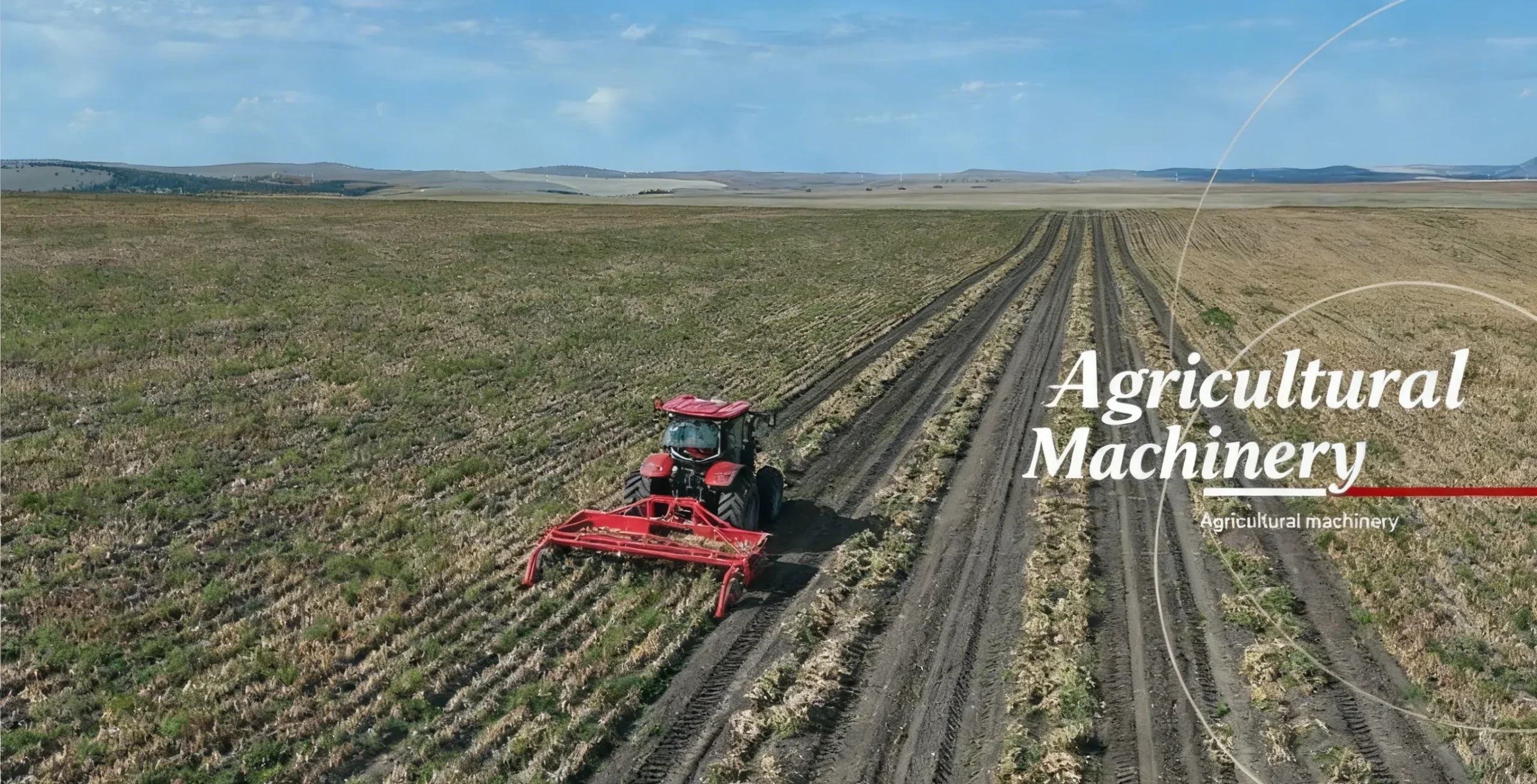
Section 2: Cutting and Pre-Processing
2.1 Cutting Height and Regrowth Management
Cut height has a direct effect on regrowth speed and plant vigour over multiple harvests. The recommended stubble height for Napier grass is 10 to 15 cm above ground level. Cutting too low — at 5 cm or less — removes the growing point on younger tillers, slows regrowth by 1 to 2 weeks, and over repeated cuts gradually reduces stand density. Cutting too high — above 20 cm — leaves too much mature stem in the field and reduces the net yield of harvestable material per acre.
Most traction mowers and conditioner-mowers can be set to a consistent cutting height. For farms running the 9GD-2.5 or 9GL-2.5/2.9 traction mower models, set the cutting bar to leave the 10–15 cm stubble height and check every 3 to 4 harvests that the stand has not thinned below 80% ground cover — if thinning occurs, the cutting interval may need to be extended temporarily or the stand may need reseeding on affected patches.
2.2 Windrowing and Wilting in Tropical Conditions
In tropical climates, the drying window is shorter and less predictable than in temperate regions. A practical schedule for Napier grass baleage in Southeast Asia and Sub-Saharan Africa:
Cut during early morning when the crop is at its highest sugar concentration — water-soluble carbohydrates are highest before midday photorespiration peaks. This timing also allows the maximum wilting window during the hottest and driest part of the day, and avoids the afternoon convective storms common across tropical regions.
Allow the cut windrow to wilt for 4 to 6 hours under direct sun. In a location with air temperatures above 32°C and humidity below 70%, moisture will drop approximately 5 to 10 percentage points during this window. Spread windrows with a tedder or rake if available. This is not sufficient to reach the ideal 60–65% baling target from a starting point of 78%, but it reduces the risk of clostridial spoilage and improves fermentation quality when combined with inoculant use.
Bale in the afternoon while solar heat is still reducing windrow moisture. Do not leave cut Napier grass in the field overnight — tropical dew conditions will re-wet the windrow to near-fresh moisture levels by morning. Any crop that cannot be baled and wrapped on the same day it is cut should be re-assessed the following morning before wrapping.
If rain falls on a wilted windrow, do not attempt to re-wilt and bale the same material. Re-wetted Napier grass has lost water-soluble carbohydrates from the cut stem surfaces and will ferment poorly regardless of the moisture level achieved before re-wetting. The practical decision rule: if afternoon rain falls before baling, bale the wettest windrows with inoculant and accept slightly lower fermentation quality, or leave the material as field compost and cut fresh the next available day.
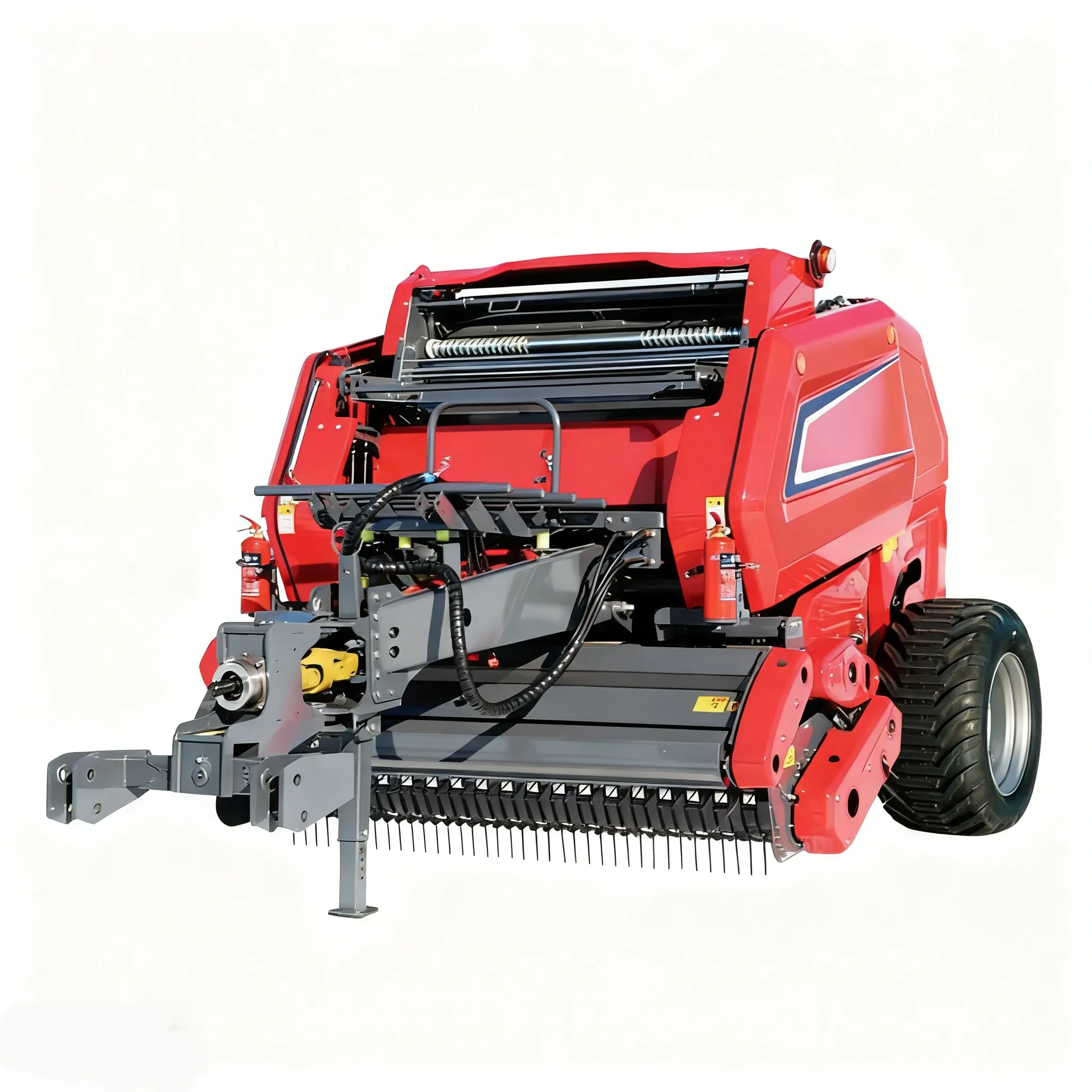
Section 3: Baling Napier Grass — Equipment Considerations
3.1 Why Napier Grass Is Mechanically Demanding
Napier grass presents mechanical challenges that differ from temperate forage crops. The stems are thicker and more fibrous than alfalfa or ryegrass — at 45 to 60 days growth, individual cane diameters can reach 15 to 25 mm. At higher moisture levels, these stems are flexible enough to pass through the baler pickup and chamber without breaking, but at lower moisture levels they become brittle and create plug-up risks in standard-clearance balers.
For this reason, Napier grass baleage on tropical farms is almost always performed at 70–78% moisture — wetter than ideal, with the moisture deficit managed through inoculant and additional film layers rather than through extended field wilting. This is the standard practice across commercial dairy operations in Thailand, Vietnam, Kenya, and South China.
3.2 Key Baler Specifications for Napier Grass
Napier grass windrows are typically wider and heavier than temperate grass windrows due to the crop’s high biomass yield. A pickup width of 1.5 m or greater is preferred to avoid repeatedly running over the edge of the windrow with the tractor wheel, which compacts the forage and introduces soil contamination. Ensure pickup tooth clearance is set to handle the thicker stem diameter without wrapping.
A belt-rotor or roller-rotor variable-chamber baler handles the variation in Napier grass windrow density across cuts and across wet and dry-season harvests. Fixed-chamber balers work for consistent-volume operations but produce bales that vary in diameter and weight when windrow density changes. For most Southeast Asian and African farm-scale operations, a 50–80 hp tractor at 540 RPM PTO is sufficient for standard Napier grass baling at 1.0–1.25 m bale diameter.
At the high moisture levels typical of Napier grass baleage, net wrap is mandatory rather than optional. The faster binding time (3–5 seconds versus 20–30 for twine) is critical at 70–78% moisture because each second the bale sits open in warm tropical air causes surface oxidation. Net wrap also maintains bale shape better at high moisture, which is essential for consistent film contact during wrapping.
In heavy first-cut Napier grass windrows, slow to 3–4 km/h and allow the chamber to fill evenly from both sides. Speed-related uneven fill is more pronounced in Napier grass than in lighter forages because the stems do not redistribute inside the chamber — they pack where they enter. An asymmetric bale at 75% moisture will bulge at the heavy side during wrapping and create film tension weak points within 4 to 6 weeks.

Section 4: Film Wrapping in Tropical Climates
4.1 Why Napier Grass Baleage Requires More Film Layers
The standard 6-layer minimum that applies to temperate silage crops is not sufficient for Napier grass baleage in tropical climates. Two factors combine to require a higher layer count:
At 70–78% moisture, Napier grass baleage has a longer and more active fermentation phase than drier silage crops. Gas production during the aerobic and transition phases is higher, creating more internal pressure on the film layers. A bale that starts the fermentation process with more gas pressure needs more film barriers to maintain integrity during the first 14 days post-wrapping.
UV radiation at tropical latitudes is 20 to 40% more intense than at temperate latitudes for the same hours of sunshine. Standard 25-micron silage film degrades approximately 30% faster under tropical sun than the same film at European or North American latitudes. This accelerated degradation means that a film specification designed for 12-month storage in Ireland or Germany will begin failing at 6 to 9 months in Thailand or Kenya under direct sun exposure.
The tropical recommendation: 8 layers minimum, white film, 25 micron. White film reflects UV radiation rather than absorbing it, which keeps bale surface temperatures 8 to 12°C lower than equivalent black film during peak sun hours — a significant factor in slowing aerobic spoilage in any undetected puncture zone.
4.2 Wrapping Speed and Timing
In tropical heat, the rule on wrapping delay is stricter than in temperate climates. No Napier grass bale should sit unwrapped for more than 2 hours after binding in temperatures above 30°C. The combination of high moisture and tropical heat creates ideal conditions for aerobic bacteria to consume water-soluble carbohydrates within hours of binding, reducing the sugar supply available for lactic acid fermentation and dramatically increasing the risk of heating and butyric spoilage.
For farms using separate balers and wrappers, the most reliable approach is to run both machines on the same field at the same time — the wrapper following the baler at a spacing of 4 to 6 bales. This eliminates the scheduling risk of the wrapper being unavailable or delayed when freshly bound bales are sitting in direct tropical sun.

Section 5: Storage in Tropical Conditions
5.1 Site Selection for Hot, Humid Climates
Tropical baleage storage sites must address three conditions that are less critical in temperate climates: intense sun, high humidity, and the presence of insects and rodents that are attracted to the sweet-smelling fermentation gases escaping through the film surface during the first 14 days post-wrapping.
Unlike temperate climates where shade is recommended but not essential, shade is a near-requirement for Napier grass baleage stored beyond 6 months in tropical latitudes. A simple open-sided roof structure over the storage pad — even corrugated iron on timber poles — reduces peak film surface temperature by 15 to 25°C and extends the useful storage life by 3 to 6 months compared to uncovered outdoor storage.
In humid tropical climates, soil moisture beneath outdoor bales is consistently higher than in dry regions. Bales stored directly on bare soil in wet conditions will develop film degradation and water infiltration at the base within 4 to 8 weeks. A compacted gravel pad 10 to 15 cm deep, or a concrete slab, prevents base-contact film damage and allows inspection of all bale surfaces during routine monitoring walks.
Fermentation gases from freshly wrapped bales are detectable by rodents from significant distances. Rats, mice, and certain beetle species will puncture film searching for the source of the smell. In tropical storage sites, a physical barrier around the storage pad perimeter, regular baiting during the first 30 days post-wrapping, and inspection every 7 to 10 days is the practical management approach. Punctures detected within the first 30 days can be repaired with silage repair tape without significant fermentation loss.
5.2 Maximum Storage Duration for Tropical Baleage
Under optimal tropical storage conditions — shade, raised pad, 8 layers of white UV film, regular inspection — Napier grass baleage remains at peak quality for 6 to 12 months. With a simple shade structure, 12 to 15 months is achievable. The 18-month maximum applicable to temperate-climate alfalfa baleage is generally not achievable outdoors in humid tropical conditions without covered storage, and farms should plan their baling schedule to ensure bales are consumed within 12 months of wrapping.
Section 6: Fermentation Biology in Hot Climates
6.1 How Tropical Temperature Affects Fermentation Speed
Fermentation in a tropical environment proceeds faster than in a temperate one. Lactic acid bacteria are more active above 25°C, and in a bale stored at ambient tropical temperatures of 28–35°C, the transition from aerobic to anaerobic conditions typically completes within 3 to 5 days rather than the 7 to 10 days typical at 15–20°C. The active fermentation phase also peaks faster, often completing pH stabilisation by day 14 to 21 rather than day 21 to 30.
This faster fermentation is generally positive — it means a shorter window of vulnerability for oxygen-driven spoilage — but it also means that clostridial spoilage, if it occurs, progresses faster and deeper into the bale than it would in cooler conditions. A bale that begins clostridial fermentation at 70% moisture in a tropical climate can lose 30 to 40% of its dry matter within 4 to 6 weeks, compared to 20 to 30% for the same scenario at 15°C.
6.2 Fermentation Quality Indicators
| Indicator | Good Fermentation | Poor / Clostridial Fermentation |
|---|---|---|
| Odour | Mild, acidic, pickled | Ammonia or rancid butter smell |
| Colour | Green to olive-green throughout | Brown / black core, slime present |
| pH (expressed juice) | 4.0 – 4.8 | >5.5 |
| Texture | Firm stems, slight moisture | Slimy, wet, falling apart |
| Cattle acceptance | Consumed readily | Refused or low intake |
Do not feed butyric baleage to lactating dairy cows. Even partial inclusion of clostridial silage in a ration has been documented to reduce milk fat percentage, increase somatic cell count, and in severe cases contribute to subclinical ketosis in high-yielding animals. Butyric baleage may be used as a roughage supplement for dry cattle or beef animals at low inclusion rates, but monitor intake carefully.
Section 7: Seasonal Management — Wet Season Surplus to Dry Season Reserve
7.1 Planning Baling Volume Around Herd Feed Requirements
The fundamental purpose of Napier grass baleage on a tropical dairy farm is to convert wet-season surplus into dry-season feed security. The planning calculation is straightforward:
Step 1: Estimate dry season duration (months where Napier grass growth rate drops below maintenance cut schedule).
Step 2: Calculate daily Napier grass intake per animal (typically 15–25 kg fresh weight per adult dairy cow per day, depending on production level and ration balance with concentrates).
Step 3: Estimate bale fresh weight (a standard 1.25 m round bale of Napier grass at 75% moisture weighs approximately 500–600 kg).
Example: 30 dairy cows × 20 kg/day × 90 days dry season = 54,000 kg fresh Napier needed. At 550 kg per bale: 98 bales minimum, plus 15–20% buffer for spoilage and feeding waste = approximately 115 to 120 bales required.
7.2 Matching Cutting Rotation to Baling Schedule
A well-managed Napier grass paddock divided into 6 to 8 cutting blocks — each cut on a 45 to 60 day rotation — provides continuous fresh forage during the growing season while allowing 2 to 3 cuts per block per season specifically for baling. The baling cuts should be scheduled for the 2 to 3 weeks before the onset of the dry season, when the crop has reached peak biomass from the preceding wet period and moisture levels are at their seasonal low point.
For operations producing baleage for the first time, our step-by-step guide on how to make silage bales provides a practical checklist covering equipment setup, film specification selection, and the first-bale quality check process.
Section 8: Recommended Equipment from Ever-Power
EverPower Baling Machinery Australia Pty Ltd — Charlton Industrial Area, Australia | +61 2 9708 3322 | [email protected]
8.1 Round Baler
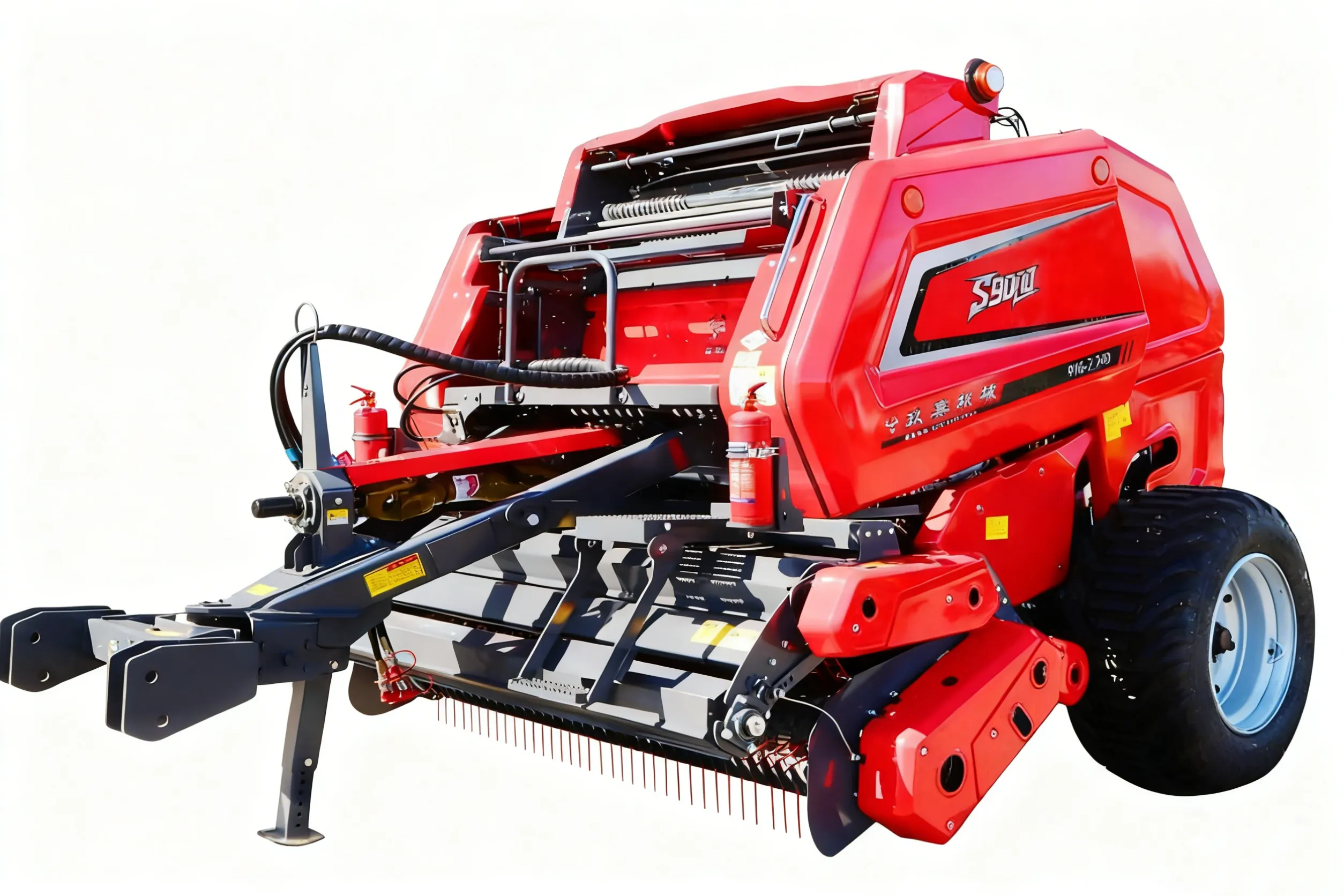
For farm-scale tropical operations handling Napier grass at 45 to 60 day cuts, the 9YG-1.25A variable-chamber round baler is the recommended entry point. Its variable chamber accommodates the density variation between early-cut high-moisture material and later-cut drier windrows, and the pickup width handles the heavy Napier grass windrows typical of wet-season harvests. The 540 RPM PTO requirement is met by the 50–80 hp tractors most commonly available on dairy farms across Southeast Asia and Sub-Saharan Africa.
8.2 Film Wrapping Machine
The 9YCM-850 bundling film wrapping machine is designed to pair with the 9YG-1.25A and larger baler models. Its programmable revolution counter allows operators to set 8 layers precisely without manual counting — the minimum recommended for Napier grass baleage in tropical conditions. The adjustable film tension system ensures consistent overlap even as ambient temperature changes cause film elasticity to vary between early morning and afternoon wrapping sessions.
8.3 Mower
For farms that do not yet have a dedicated forage mower, the 9GQY-3.2 mower-conditioner handles Napier grass at 1.2 to 1.8 m height cleanly at a consistent 10–15 cm cutting height, and the conditioning rollers begin the stem-crushing process that accelerates field moisture loss — useful for the 4 to 8 hour pre-baling wilt period described in Section 2.
Section 9: Napier Grass Baleage vs. Fresh-Cut Feeding vs. Pit Silage
Most tropical dairy operations use one of three Napier grass management approaches. Each has a different capital requirement, labour profile, and level of feed consistency across seasons.
| Factor | Fresh-Cut Daily | Pit Silage | Round Baleage |
|---|---|---|---|
| Infrastructure required | None | Concrete pit or bunker | Gravel pad only |
| Dry season feed security | None | High (if sealed well) | High — flexible feedout |
| Labour per tonne stored | High (daily cutting) | Medium (batch filling) | Low (mechanical baling) |
| Scale flexibility | Any size farm | Requires large minimum batch | Any size — bale by bale |
| Feedout flexibility | Fully flexible | Must feed face daily once opened | Open individual bales as needed |
| Capital cost | Lowest | Highest | Medium |
Section 10: Common Mistakes in Tropical Napier Grass Baleage
The most common mistake on farms transitioning from fresh-cut feeding to baleage. Past 60 days, crude protein drops below 9% and stem lignification makes the material less digestible even after fermentation. The silage may look and smell acceptable, but cattle intakes will be lower and milk production gains will not materialise. Set a rigid 45 to 60 day cutting schedule and stick to it, even during periods of labour shortage.
A 6-layer specification designed for temperate European conditions will begin failing at 4 to 6 months under direct tropical sun. This is not a manufacturer defect — it is a climate specification mismatch. Always use 8 layers minimum with white film for Napier grass baleage stored outdoors in latitudes within 20° of the equator.
At tropical overnight temperatures of 22–28°C, a net-wrapped but unfilmed Napier grass bale will begin aerobic deterioration within 4 to 6 hours. By morning, the outer 5 to 10 cm of the bale will have experienced significant dry matter loss and may show early mould development. Never leave Napier grass bales bound but unrapped overnight under any circumstances.
In the tropics, natural lactic acid bacteria populations are generally adequate during the main growing season, but lower during cool-dry-season harvests. More critically, Napier grass at 72–78% moisture is at the upper margin of reliable LAB dominance regardless of season. For any bale made above 68% moisture, inoculant application is the most cost-effective insurance against clostridial spoilage.
Fermentation gas pressure and tropical insect activity both peak during the first 30 days post-wrapping. Walk the storage site every 7 days — not monthly — during this critical period. Repair any puncture immediately with silage repair tape. A puncture found at day 7 can be repaired with no meaningful fermentation loss. The same puncture found at day 30 may have spoiled a 20 to 30 cm zone around the entry point.
Frequently Asked Questions
Common questions from tropical dairy farmers making Napier grass baleage for the first time.
Set Up Your Tropical Napier Grass Baleage Operation
Tell us your herd size, the number of Napier grass hectares you manage, and your available tractor horsepower — our team will specify the right baler, wrapper, and film specification for your tropical conditions and budget.