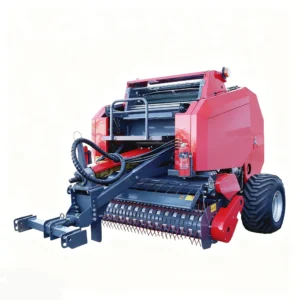
Produkt
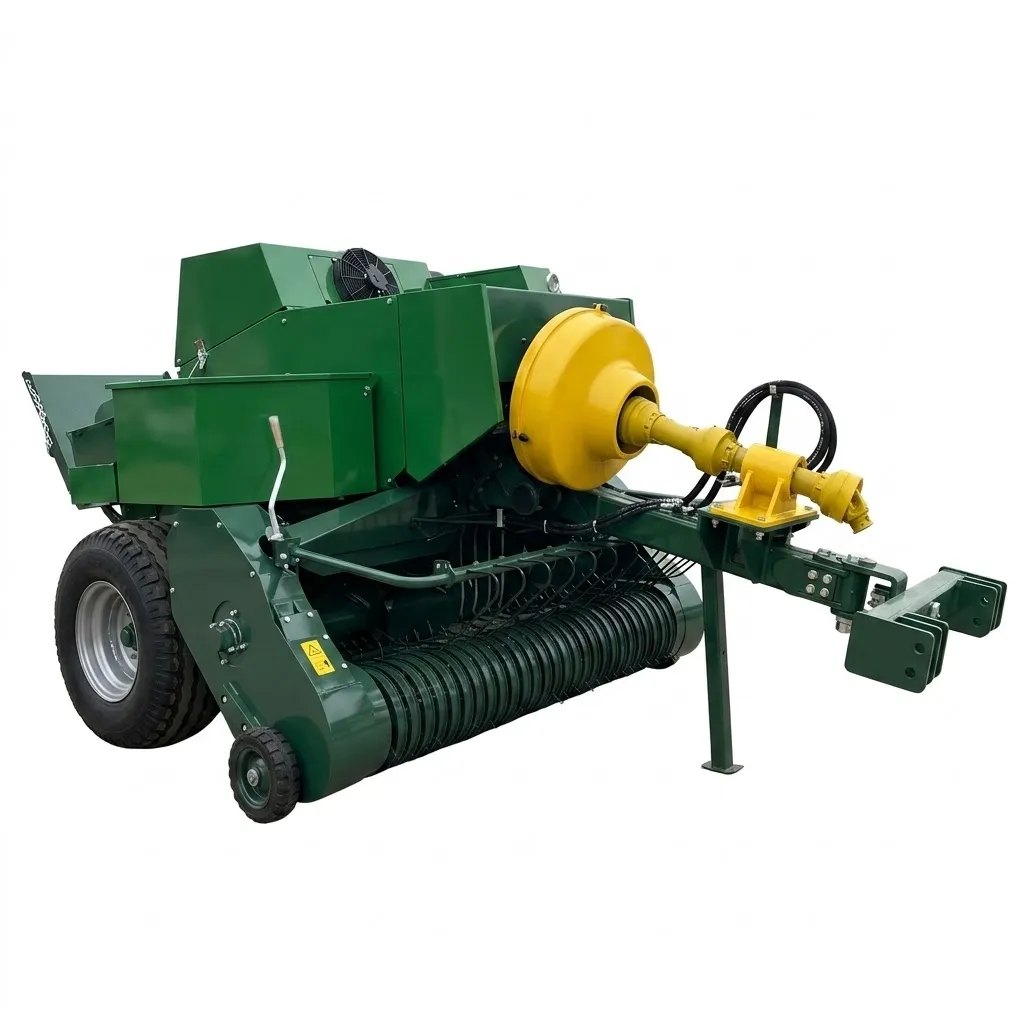
9YF-2200 Quaderballenpresse – 2200 mm Pickup, Gabelzuführung, ≥36,8 kW, 1950 kg
The 9YF-2200 is a mid-mounted towed square hay baler with a 2200 mm spring-tooth pickup — the widest in the 9YF single-chamber series — capturing full combine header windrows in a single pass. Fork feeding mechanism, two D-type automatic knotters, and a 460×360 mm compression chamber produce high-density rectangular bales from ≥36.8 kW (50 hp+). Machine weight 1950 kg. Suits grain farms, hay contractors, and commercial straw operations.
High-Volume Square Baler with 2200 mm Pickup — Wide-Coverage Straw and Hay Collection at 50 hp
The 9YF-2200 is a mid-mounted towed square hay baler designed for operations that need high bale output per field hour from a machine that runs from a standard 50 hp+ tractor. At 2200 mm, its spring-tooth pickup is the widest in the 9YF single-chamber series — capturing full windrows from wide-cut mowers and combine headers in a single pass, eliminating the re-raking pass that narrower machines require when windrows exceed reel width. For grain farms, mixed livestock operations, and commercial straw contractors with 50–80 hp tractors, this width-to-power ratio is where the 9YF-2200's value sits.
The machine's fork feeding mechanism delivers measured crop charges into the 460×360 mm compression chamber in synchronisation with each plunger stroke — producing the consistent bale density that separates fork-fed machines from auger-fed alternatives in variable windrow conditions. Two D-type knotters handle automatic rope tying without operator intervention. The resulting bales stack cleanly, load efficiently for transport, and meet the dimensional specifications of commercial straw buyers. For context on where square balers fit versus round balers in different farming situations, see our guide on round and square forage baler differences.
Australia Ever-power Forage Balers Co., Ltd. supplies the 9YF-2200 direct from Charlton Industrial Area, with local parts stock for all wear items: spring tines, knotter components, fork feeder parts, and rope guides.
Vollständige technische Spezifikationen
Full technical documentation including PTO shaft specs, lubrication map, and spare parts catalogue on request — Kontaktieren Sie unser Team.
What Wide Pickup Actually Saves — and How the Numbers Add Up Across a Baling Season
Pickup width is the most visible specification difference between square baler models, but the actual value of a wider reel is easy to underestimate. It shows up not as a single event but as accumulated time savings across every field pass of the season.
2200 mm Spring-Tooth Pickup — Matching Wide-Cut Windrow Width
Modern mowers and wide-cut combine headers produce windrows in the 1800–2200 mm range. When a baler's pickup reel is narrower than the windrow, the reel passes over the windrow edges — leaving straw on the ground that requires either a second pass or re-raking before it can be baled. Both options cost a field pass. The 9YF-2200's 2200 mm reel covers the full width of windrows from 5–6 metre header cuts in a single pass, recovering the full windrow and eliminating the edge-loss problem.
The re-raking pass — what it actually costs per season
On a 200 hectare grain farm baling wheat straw once annually, a narrow-pickup machine that requires re-raking 30% of the windrow width adds approximately 60 hectares of extra raking passes to the season. At a typical raking speed and cost, that is several hours of extra tractor time, additional fuel, additional wear on the raking implement, and — most critically in the narrow post-harvest baling window — extra days before the paddock is cleared for the next crop. The 9YF-2200 eliminates this pass entirely when its reel matches or exceeds the windrow width.
Fork Feeding — Even Chamber Loading Regardless of Windrow Density
The fork feeder between the pickup and the compression chamber delivers discrete, metered charges of crop into the compression zone on each plunger stroke. The key word is "discrete" — unlike continuous auger feeders that push a constant flow into the chamber, the fork charges and releases in synchronisation with the plunger cycle. This prevents the compression zone from being overloaded between strokes, which is the root cause of variable bale density in auger-fed machines operating in inconsistent windrow conditions.
Bale weight consistency — why it matters commercially
Commercial straw buyers — mushroom substrate producers, biomass energy plants, livestock operations — specify and pay by weight. Variable-weight bales mean some loads are underweight for the invoice price, or some bales get rejected for being too light. The fork feeder's consistent charging keeps bale-to-bale weight variation tight across the full day's run, simplifying invoicing and reducing the rejection rate at the buyer's gate.
D-Type Knotters — Automatic Rope Tie at ≥36.8 kW
Two D-type knotters complete the rope tying cycle automatically when each bale reaches preset length. The D-type geometry produces a consistent, load-bearing knot that holds through transport and stack handling without slipping under bale weight. At the 9YF-2200's 36.8 kW minimum power requirement — the lowest in the 9YF series that includes the 2200 mm pickup — this full mechanical package is accessible to any tractor from approximately 50 hp upward, including common two-wheel-drive utility tractors on mixed farms that were never intended as dedicated baling tractors.
The knotter inspection routine that prevents mid-field tie failures
Check both knotters before the first bale of each day: bill hook spring tension, twine disc condition, needle position. A two-minute check prevents the frustration of discovering untied bales scattered behind the machine an hour into the day's run. Carry a spare twine disc and needle assembly for each knotter in the tractor cab — a field repair takes under 10 minutes; returning to the shed and back costs closer to an hour.
460×360 mm Bale Format — Standard Dimensions Across the 9YF Series
The 9YF-2200 produces the same 460×360 mm bale cross-section as the 9YF-1900 and 9YF-1700. Operations using multiple machines in the range — or planning to upgrade from a narrower model — carry over bale handling equipment, shed stacking layouts, truck load configurations, and commercial buyer specifications without modification. The format also enables high-density stacking for export container loading, where bale dimensional consistency directly affects how many bales fit per container.
Why the towed design suits sustained seasonal runs
The mid-mounted towed configuration places the machine's 1950 kg weight on its own axle rather than the tractor's rear linkage, protecting tractor transmission components through long daily runs. Transport dimensions of 5700×2800×1780 mm (L×W×H) require standard wide-load awareness on public sealed roads between properties — check permit requirements with your state roads authority before on-road movement.
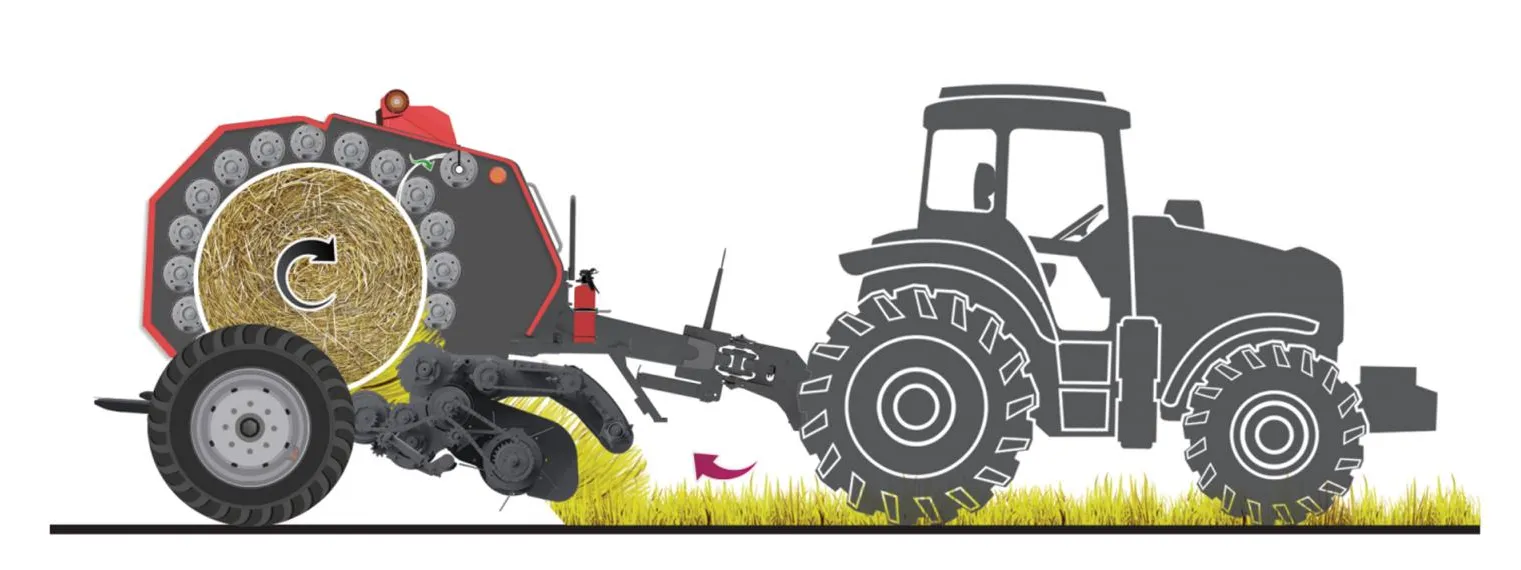
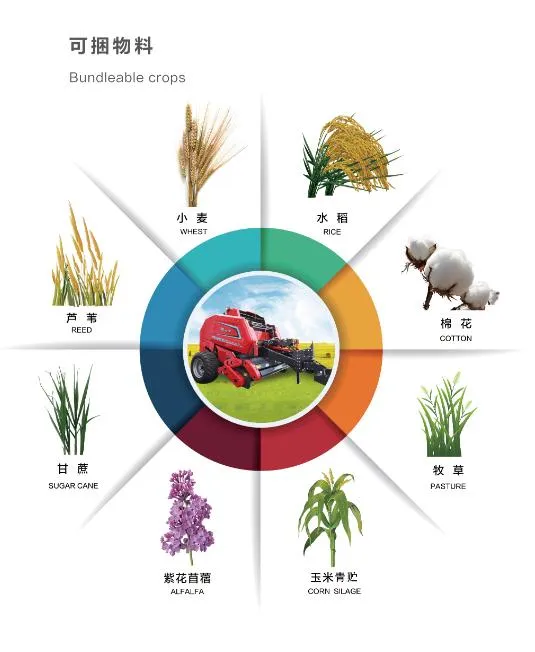
Dry Crops the 9YF-2200 Handles
The 9YF-2200 is a dry baling machine — it handles cured crop material at or below 20% moisture. For hard-stem crops such as corn straw or sorghum that require pre-processing before baling, see the 9YF-2200S with its hammer-claw shredder. For high-moisture silage, our round baler and film-wrapping range is the appropriate choice.
Wheat Straw
The primary application. Post-harvest wheat windrows from 5–6 m combine headers are captured fully in a single pass. Wheat straw at 24–48 hours post-harvest in fine weather typically reaches baling moisture. The 2200 mm reel runs at higher ground speed in light windrows — maximising daily bale count through the narrow harvest window.
Rice Straw
Allow 2–3 dry days after harvest before baling. The spring-tooth pickup tolerates paddy field surface irregularities without the rigid-tine breakage risk of older pickup designs. Bale density is somewhat lower than wheat straw due to rice straw's hollow fibrous structure — allow for this when calculating transport loads.
Cotton Straw (light)
Lighter cotton straw applications — where stalks are fully dried and laid in clear windrows — can be handled by the standard 9YF-2200. For heavier cotton straw with significant branching and node resistance, the 9YF-2200S's hammer-claw shredder is the more appropriate machine. Set pickup height slightly higher in cotton fields to minimise soil contamination.
Oaten & Mixed Hay
Cured oaten hay and mixed pasture hay at 15–18% moisture bale cleanly. The fork feeder maintains consistent charging in variable-density windrows from non-uniform pasture cuts. Resulting bales suit livestock feed use, farm-gate hay sales, and export hay supply chains where 460×360 mm bales meet standard container-loading specifications.
Ryegrass & Forage Grass
Ryegrass, vetch, clover, and mixed forage windrows cured to below 20% moisture bale reliably. The wide 2200 mm pickup is particularly useful in forage grass operations where mowers run at full cut width, producing windrows that narrower reels cannot fully capture. For high-moisture silage, the 9YCM-850 baler-wrapper is the appropriate machine.
Alfalfa (cured)
Cured alfalfa at or below 16% moisture produces export-quality square bales with the 9YF-2200. Target 16% or below for export markets where leaf retention and bale presentation affect buyer pricing. The fork feeder's consistent charging keeps leaf loss lower than variable-density baling, which crushes some charges more aggressively than others.
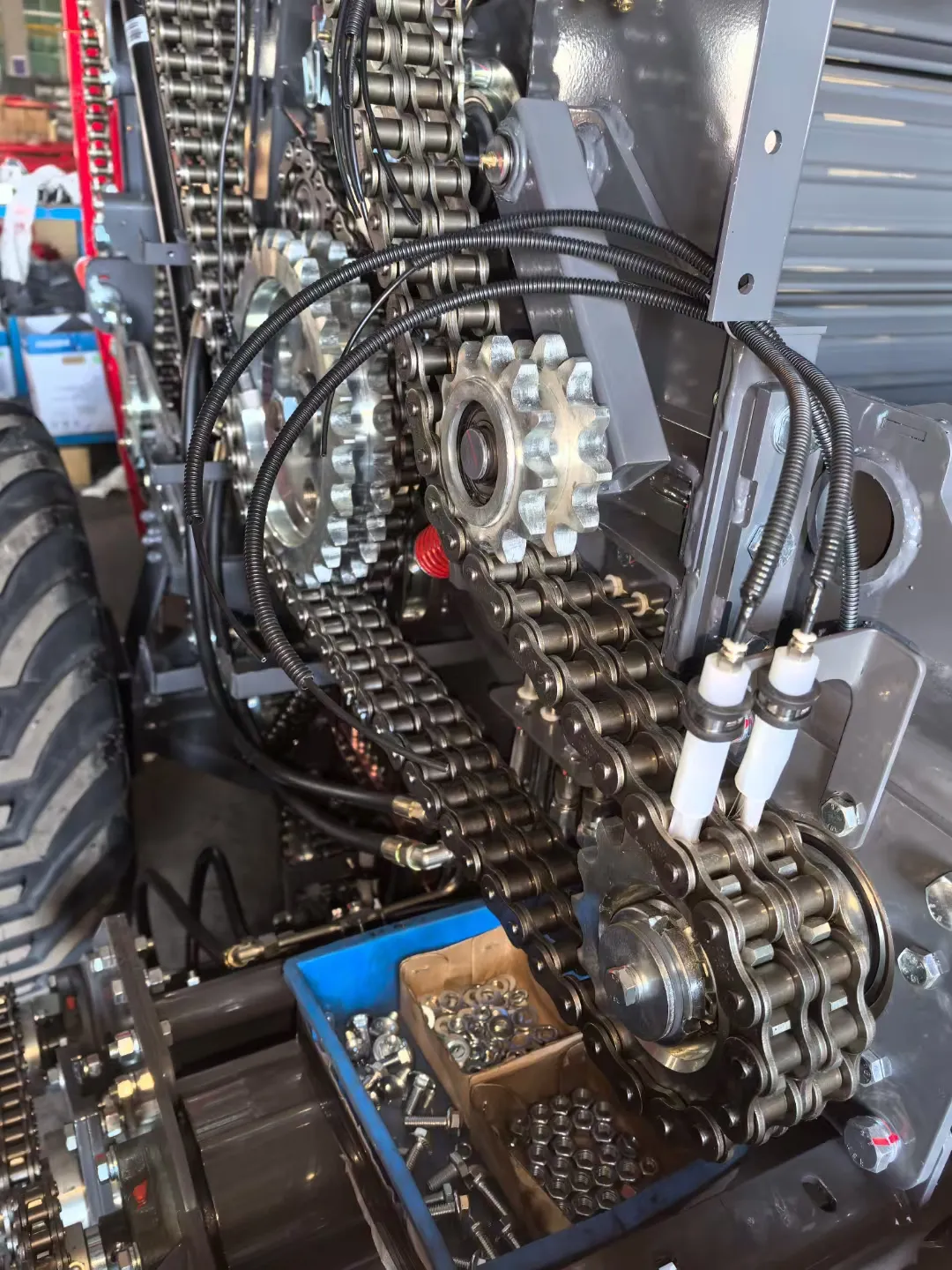
Where the 9YF-2200 Delivers Its Best Return
The 9YF-2200's value scales with bale volume and windrow width. Operations producing large numbers of bales from wide-cut equipment extract the most from its pickup width and throughput capacity.
Large Grain Farms — Post-Harvest Straw Collection
Grain farms baling wheat, rice, or barley straw after harvest face a narrow window between combine completion and land preparation for the next crop. The 9YF-2200's wide pickup clears paddocks faster than narrower machines, compressing the straw collection timeline and avoiding the field-burn that is increasingly restricted across Australian states. At ≥36.8 kW, it pairs with the farm's existing utility tractor without requiring a dedicated high-horsepower baling unit.
Commercial Straw Contractors and Recyclers
Contractors supplying straw to biomass energy plants, mushroom substrate producers, paper mills, or livestock bedding operations under volume contracts need consistent bale weight and reliable daily output. The 9YF-2200's fork-fed compression and D-type knotting deliver both — bale-to-bale weight variation is low enough for commercial invoicing, and the knotter tie reliability in dry straw conditions approaches 100% when daily maintenance is observed.
Livestock and Hay Supply Operations
Feedlots, dairy operations, and livestock farms baling their own hay or straw for on-farm feed or bedding benefit from the consistent 460×360 mm bale format that loads cleanly with bale-handling equipment. The 9YF-2200's throughput capacity handles the annual baling volume of properties up to several hundred hectares within the narrow seasonal window, without the investment in higher-power tractor requirements that larger machines demand.
Export Hay Production
Australian export hay operations shipping oaten hay, alfalfa, or wheat straw to Asian markets need bales that meet container-loading dimensional standards and maintain shape through sea freight. The 9YF-2200's plunger compression produces high-density rectangular bales that stack into 20-foot containers efficiently, and the D-type knotter's tie geometry holds through the handling stresses of loading, sea transit, and destination unloading.
9YF Square Baler Series — Which Model Fits Your Operation
Getting Full Output from the 9YF-2200 Each Season
Moisture, ground speed, knotter condition, and lubrication are the four variables that determine whether the 9YF-2200 runs at peak output or loses time to avoidable stoppages. These six habits cover all four.
Bale Below 20% Moisture
Elevated moisture overloads the rope-tie cycle and degrades knotter bill hook life. Wheat straw reaches baling moisture within 24–48 hours of fine weather post-harvest. Rice straw needs 2–3 dry days. Use a moisture meter — estimating by feel is unreliable, especially in variable autumn weather when the season is running long and the pressure to bale early is high.
Match Speed to Windrow Weight
Light wheat straw windrows allow higher ground speed; dense oaten hay or first-cut pasture windrows need a slower pass to let the fork feeder charge evenly. The diagnostic signal is the "variable bale length" pattern — alternating full-size and short bales — which appears when the feeder is being overloaded relative to ground speed. Reduce speed until the pattern disappears, then hold.
Check Both Knotters Before Each Run
Bill hook timing, twine disc condition, needle position — two knotters means two daily inspection points. Carry a spare twine disc and needle assembly for each. A 10-minute field repair prevents the half-day loss of returning to the shed, locating parts, and travelling back to the field.
Set Pickup Height for the Surface
Too low and tines drag soil into the feeder, contaminating the bale and accelerating tine tip wear. Too high and windrow edges are missed, reducing bale weight. Adjust at the start of each new crop type and when soil conditions change significantly within the same field. In paddy fields, check the reel float mechanism is not locked in a fixed position.
Grease at Every Fuel Stop
The 1950 kg machine carries multiple bearing and pivot points across the pickup, feeder drive, and plunger mechanism. Summer harvest temperatures accelerate grease breakdown. Greasing at each refuelling stop — not once per day — is the single most cost-effective preventive maintenance practice for avoiding unplanned field stoppages on this class of machine.
Clear the Chamber at Shutdown
Residual straw left compressed overnight dries into a hard plug that resists the morning's first plunger stroke. Run the machine for 20–30 seconds at shutdown after the last bale exits. This two-minute step at day's end saves 20–30 minutes of clearing time the following morning — particularly important with rice straw, which sets harder than wheat straw when compressed and allowed to dry overnight.
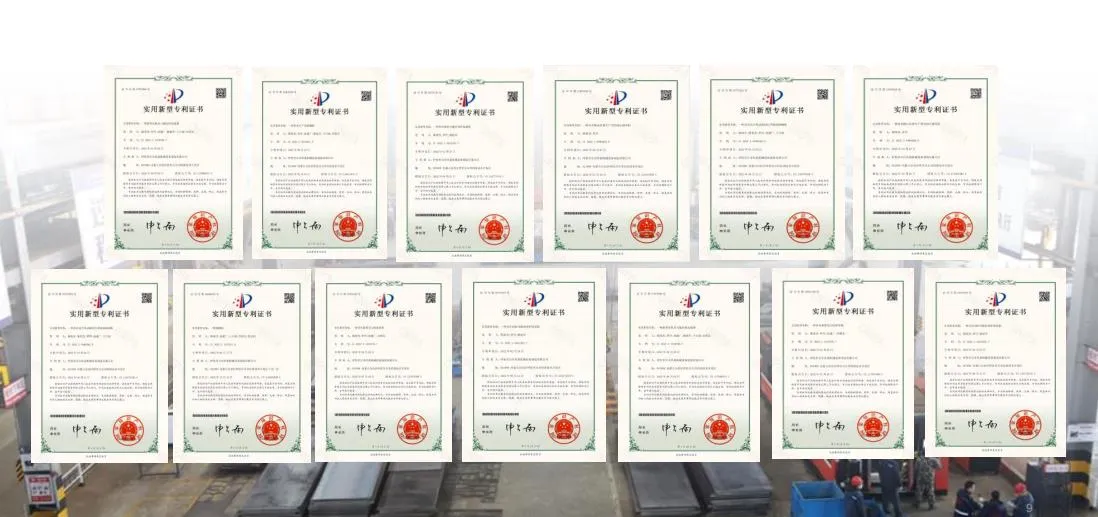
Factory-Direct Square Baler Supply with Australian Parts Stock — Charlton Industrial Area
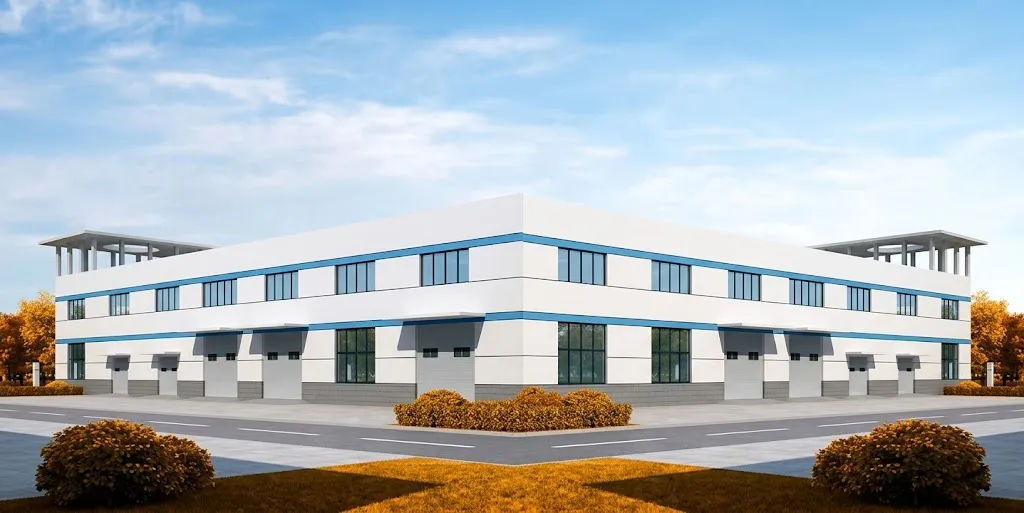
Australia Ever-power Forage Balers Co., Ltd., Industriegebiet Charlton. About our supply model and team.
Factory-Direct Pricing
Ever-power manufactures and exports the 9YF-2200 directly to Australia without a reseller chain. The savings from removing importer, distributor, and dealer margins go directly into the machine — more specification and build quality at the same price point as competitor machines sold through multi-tier distribution.
Australian Parts Stock — Charlton Industrial Area
Spring tines, knotter components (bill hooks, twine discs, needle assemblies), feeder fork parts, and rope guides for the 9YF-2200 are held in local stock. When a tine breaks at the start of harvest, you are not waiting weeks for international freight. Contact us at [email protected] or use the Anfrageformular to arrange a pre-season parts kit.
Setup and After-Sales Support
Our Australian team provides first-season guidance on knotter timing adjustment, pickup height calibration, tractor PTO matching, and seasonal maintenance planning. Technical documentation is supplied in English. We support the machine purchase as an ongoing relationship, not a one-time transaction — buyers can reach us with operational questions throughout the season.
Häufig gestellte Fragen
Common questions from grain farmers, hay contractors, and straw recyclers evaluating the 9YF-2200.