
Чым адрозніваецца прэсаванне кукурузнага сіласу ад пашавага сіласу
Характарыстыкі, якія змяняюць кожнае рашэнне ад рэзкі да рулона
Кукурузны сілас адрозніваецца ад сіласу з траў і бабовых па некалькіх асноўных прынцыпах, якія ўплываюць на падыход да ўборкі, кіраванне вільготнасцю, прэс-падборшчык сіласу налады і якасныя вынікі. Разуменне гэтых адрозненняў з'яўляецца неабходнай умовай для вытворчасці рулонаў кукурузнага сіласу, якія рэалізуюць высокі энергетычны патэнцыял культуры, а не марнуюць яго з-за няправільнага часу, неадпаведнасці тэхнікі або збояў у ферментацыі.
Па-першае, мэтавая вільготнасць для кукурузнага сіласу ніжэйшая, чым для пашавага сіласу — 60–681 TP3T вільготнасці для ўсёй расліны (32–401 TP3T сухога рэчыва) у параўнанні з 55–651 TP3T для травы. Гэтая ніжэйшая мэтавая вільготнасць азначае, што для кукурузы патрабуецца менш завядання ў полі, але гэта таксама азначае, што перыяд уборкі, на працягу якога культура мае ідэальную вільготнасць, больш вузкі. Кукуруза паступова сохне ад моманту дасягнення ўборачнай сталасці, і ўтрыманне вільгаці змяняецца хутчэй, чым у скошанай траве, таму што ўся расліна — сцябло, лісце, лупіна і катахан — сохне адначасова з некалькіх паверхняў, а не толькі са зрэзанага канца.
Па-другое, кукуруза з усёй расліны значна цяжэйшая на адзінку аб'ёму, чым травяны сілас. Метр кукурузнага валка пасля скошвання важыць у 4-8 разоў больш, чым эквівалентны метр травянога валка, гэта значыць, што тая ж хуткасць руху, пры якой апрацоўваецца трава, перагрузіць прэс-падборшчык кукурузай. Прапускная здольнасць машыны, нагрузка на ВОМ і вага рулона значна вышэйшыя для кукурузы, чым для травы, што патрабуе спецыяльных рэгуляванняў машыны, якія многія аператары, якія ўпершыню працуюць з кукурузай, недаацэньваюць.
Па-трэцяе, утрыманне крухмалу ў кукурузным сіласе, якое забяспечвае яму асноўную пажыўную перавагу перад травяным, залежыць як ад часу збору ўраджаю, так і ад якасці ферментацыі, у адрозненне ад травянога сіласу. Кукуруза, сабраная занадта рана, мае няспелае зерне з нізкай шчыльнасцю крухмалу; кукуруза, сабраная занадта позна, мае занадта цвёрдае зерне для аптымальнай даступнасці крухмалу ў рубцы. Максімальная якасць кукурузнага сіласу вызначаецца падчас збору ўраджаю такім чынам, што яго немагчыма аднавіць пры наступным выкарыстанні. Больш падрабязна пра Маштабны асартымент прэс-падборшчыкаў сіласу падыходзіць для кукурузы, наведайце старонкі прадуктаў.
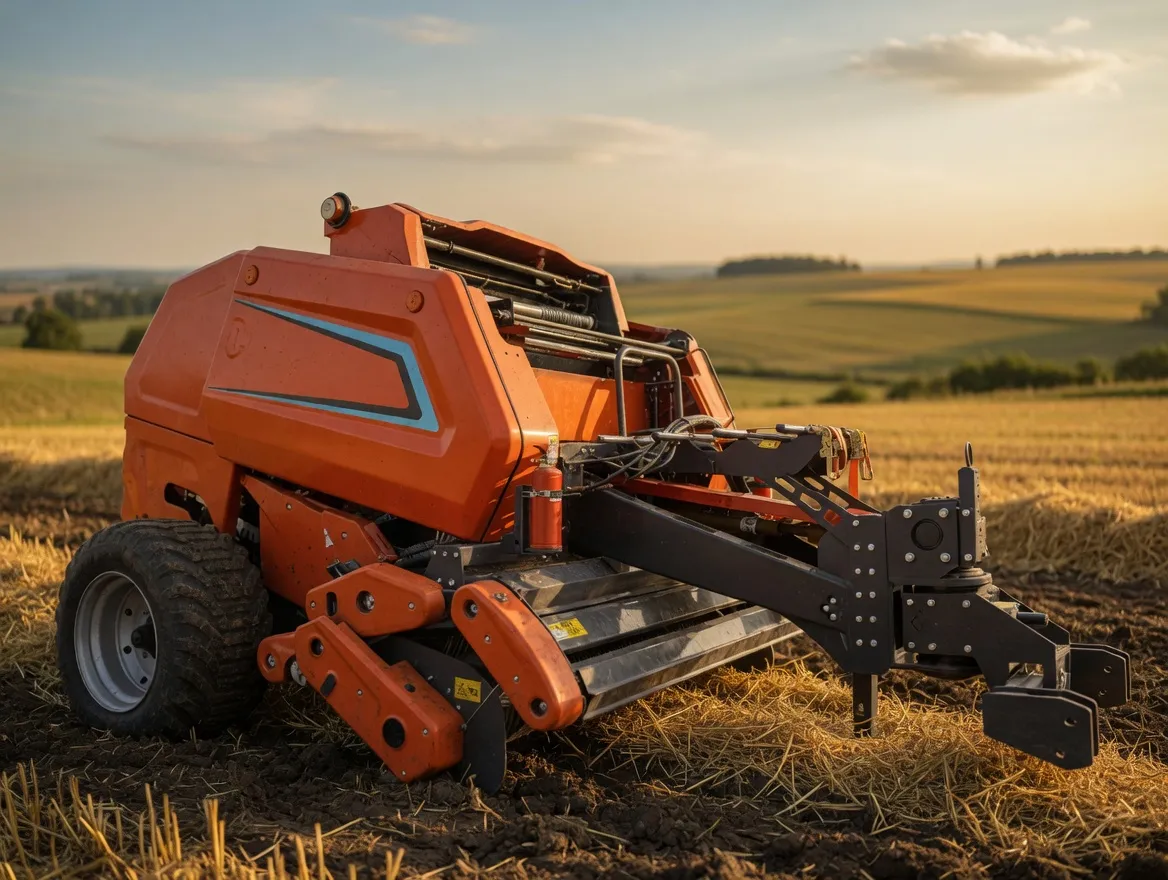
Тэрміны збору ўраджаю: лінія малака з зерня і вільготнасць усёй расліны
Два паказчыкі, якія вызначаюць, калі кукуруза гатовая да зрэзкі
Асноўным паказчыкам гатоўнасці кукурузнага сіласу да ўборкі з'яўляецца малочная лінія зерня — мяжа паміж мяккай, малочнай верхняй часткай і больш цвёрдай, крухмалістый ніжняй часткай кукурузнага зерня па меры яго праходжання ад стадыі малака праз цеста да фізіялагічнай сталасці. Малочная лінія бачная, калі зерне разламаць напалову ўздоўж ад катаха. Мэта — збіраць ураджай у той момант, калі малочная лінія знаходзіцца прыблізна на палову-тры чвэрці адлегласці ўніз па зерні (ад верхавіны да месца прымацавання катаха). Гэта адпавядае ўтрыманню сухога рэчыва ва ўсёй расліне прыблізна 32–381 TP3T, што з'яўляецца мэтавым дыяпазонам для добрай шчыльнасці рулона кукурузнага сіласу і ферментацыі.
Паказчык малочнай лініі з'яўляецца візуальным індыкатарам стадыі росту, але яго заўсёды варта пацвярджаць фактычным вымярэннем сухога рэчыва перад зрэзкай і прэсаваннем. Суадносіны паміж становішчам паказчыка малочнай лініі і колькасцю сухога рэчыва ўсёй расліны адрозніваюцца ў залежнасці ад гібрыда, сезону і ўмоў вырошчвання — у некаторых аўстралійскіх кліматычных умовах і гатунках паказчык малочнай лініі прагрэсуе хутчэй у параўнанні з колькасцю сухога рэчыва ўсёй расліны, чым ва ўмераных еўрапейскіх і паўночнаамерыканскіх умовах, якія ўстанавілі стандартныя рэкамендацыі па паказчыках малочнай лініі. Вымерайце сухое рэчыва ўсёй расліны як мінімум з 10 раслін, зрэзаных на вышыні іржышча, здробненых і высушаных у духоўцы або мікрахвалевай печы на пачатку ўборкі ўраджаю і зноў праз 5-7 дзён, каб адсочваць хуткасць прасоўвання ў межах мэтавага дыяпазону.
Перыяд уборкі, на працягу якога сухое рэчыва ўсёй расліны знаходзіцца ў межах мэтавага дыяпазону 32–381 TP3T, у аўстралійскіх умовах звычайна складае 7–14 дзён — значна карацейшы за перыяд уборкі травянога сіласу, які можна кантраляваць на працягу 3–5 дзён з улікам гнуткасці вільготнасці. Для завяршэння ўборкі кукурузы на працягу гэтага 7–14-дзённага перыяду вельмі важна спланаваць рэсурсы для скошвання і прэсавання, а таксама любыя патрабаванні да прычэпаў дакладнай здрабняльніцы або падрадчыка. Кукуруза, сабраная з утрыманнем сухога рэчыва вышэй за 401 TP3T (вільготнасць ніжэй за 601 TP3T), занадта сухая для добрай ферментацыі сіласу ў цюкі — цвёрдае зерне абмяжоўвае даступнасць крухмалу, грубыя сухія сцеблы зніжаюць шчыльнасць цюка, а нізкая вільготнасць абмяжоўвае актыўнасць малочнакіслых бактэрый.
| Кукурузны этап | ДМ % | Вільготнасць % | Прыдатнасць для сіласу з цюкоў |
|---|---|---|---|
| Малако / ранняе цеста | 25–30% | 70–75% | Занадта вільготна — нізкая шчыльнасць цюкоў, рызыка сцёкавых вод |
| Палова малочнай лініі | 32–35% | 65–68% | ✅ Аптымальны — добрая шчыльнасць і ферментацыя |
| 3/4 лініі малака | 35–38% | 62–65% | ✅ Аптымальны — максімальнае ўтрыманне крухмалу |
| Чорны пласт / фізіялагічная сталасць | 40–45% | 55–60% | Маргінальная — парушаная шчыльнасць і ферментацыя |
| Па-за межамі фізіялагічнай сталасці | >45% | <55% | Занадта суха — не выкарыстоўваць для сіласу ў цюкі |
Скошванне, скошванне і ўборка валкоў для кукурузы
Прывядзенне ўраджаю ў зручную для кіравання форму да прыбыцця прэс-падборшчыка
У адрозненне ад травянога сіласу, кукуруза з суцэльных раслін для сіласу ў цюкі зразаецца на ўзроўні зямлі або блізка да яго і ўкладваецца ў валкі для неадкладнага або амаль неадкладнага прэсавання — перыяд завядання кукурузнага сіласу мінімальны або адсутнічае зусім, калі яго збіраюць пры правільнай вільготнасці. Звычайна скошванне выконваецца дыскавай газонакасілкай або спецыялізаванай кукурузнай жаткай, настроенай на пакіданне іржышча вышынёй 10–15 см. Калі скошваць ніжэй за гэтую вышыню, павялічваецца колькасць глебы і багатага лігнінам каранёвага матэрыялу ў сабраным ураджаі; калі скошваць больш высокую вышыню, то марнуецца доля сухой масы сцябла.
Паколькі кукуруза — гэта вельмі аб'ёмная культура са сцяблом падчас збору ўраджаю, валок, які ўтвараецца пры стандартным скошванні, звычайна занадта густы і занадта шырокі, каб круглы прэс-падборшчык мог яго апрацаваць пры звычайнай хуткасці руху. Найлепшай практыкай з'яўляецца аб'яднанне некалькіх радкоў кукурузы ў адзіны, вузейшы валок, які падборшчык прэс-падборшчыка можа эфектыўна апрацаваць, выкарыстоўваючы аб'яднанне радкоў або зграбанне скошаных радкоў. Мэтавая шырыня валка павінна адпавядаць шырыні падбору прэс-падборшчыка і забяспечваць аднолькавую шчыльнасць ураджаю, якая дазваляе стабільна падаць без перагрузкі механізму набівальніка.
Калі кукуруза знаходзіцца ў верхняй мяжы перыяду ўборкі (35–381 TP3T SUV), прэсаванне можна пачаць праз некалькі гадзін пасля скошвання ў цёплы, сухі дзень, бо дадатковае завяданне патрабуецца нязначна. У ніжняй мяжы мэтавага дыяпазону (32–351 TP3T SUV) і ў цёплых умовах мэтазгодна прэсаванне адразу пасля скошвання — спроба завядаць кукурузу, якая ўжо мае вільготнасць 65–681 TP3T на працягу некалькіх дзён, рызыкуе перасушыць катах і сцябло, перш чым вільготнасць дасягне мэтавага значэння. У адрозненне ад травы, кукуруза не атрымлівае выгады ад працяглага завядання ў валках. Для Асартымент абсталявання для сіласу Ever-power у тым ліку ў камплекце з касілкай-плюшчылкай, наведайце нашу старонку «Аб нас».
Налады прэса для сіласу для кукурузы: што рэгуляваць і чаму
Усе ўмовы, якія трэба змяніць для кукурузы ў параўнанні са стандартным пашавым сіласам
Хуткасць руху: Зменшыць на 40–60%
Найважнейшай карэкціроўкай машыны для кукурузнага сіласу з'яўляецца значнае зніжэнне хуткасці руху ў параўнанні з аперацыяй з травяным сіласам. Цэлая кукуруза пры ўборачнай вільготнасці ў 4-6 разоў цяжэйшая на метр валка, чым параўнальны валок травянога сіласу. Тая ж хуткасць руху 6 км/г, якая дае аднастайныя, добра сфармаваныя рулоны з травянога валка, імгненна перагрузіць напаўняльнік кукурузнага валка, што прывядзе да неадкладнай блакіроўкі. Знізьце хуткасць руху да 2-4 км/г для прэсавання кукурузнага сіласу і падтрымлівайце яе на пастаяннай аснове — машына выконвае значна больш працы на метр прабегу нават пры такой зніжанай хуткасці. Аператары, якія калі-небудзь прэсавалі толькі траву, часта памыляюцца з хуткасцю руху падчас першай працы з кукурузай і сутыкаюцца з блакіроўкай на працягу першых 100 метраў.
Ціск у камеры: павелічэнне для грубай структуры кукурузы
Сцеблы кукурузы больш грубыя і больш устойлівыя да сціскання, чым трава — яны прыціскаюцца да сценак камеры з большай сілай, чым гнуткі ліставы і сцеблавы матэрыял травянога сіласу. Каб дасягнуць такой жа эфектыўнай шчыльнасці рулона, як і ў рулона травянога сіласу, для кукурузы патрабуецца больш высокі ціск у камеры. Павялічце ціск у камеры на 15–20% вышэй за стандартны ціск для травянога сіласу ў якасці пачатковай кропкі, а затым пацвердзіце, праверыўшы цвёрдасць рулона — правільна сціснуты рулон кукурузнага сіласу павінен быць цвёрдым, без спружыніння на паверхні, і павінен захоўваць сваю круглую форму пасля выкіду. Рулон, які дэманструе значнае павярхоўнае спружынінне або які дэфармуецца да авальнай формы на працягу 10 хвілін пасля выкіду, лічыцца недастаткова сціснутым, і ціск неабходна яшчэ павялічыць.
Нацяжэнне рамяня: павялічвайце і кантралюйце часцей
Кукурузны сілас падчас прэсавання вылучае значную колькасць соку з сцеблаў і лупіны катаха — гэты сок больш глейкі і ліпкі, чым сок з травянога сіласу, і ён пакрывае паверхні стужкі і ролікаў плёнкай забруджвання, якая зніжае трэнне хутчэй, чым рэшткі травянога сіласу. Нацяжэнне стужкі варта павялічваць на 10–151 м/3 т у параўнанні са стандартным узроўнем сіласу для кукурузы, а стужкі варта правяраць кожныя 3–4 цюкі падчас першага сеансу, каб кантраляваць развіццё глазуры. Сеанс кукурузнага сіласу звычайна патрабуе часцейшай чысткі стужкі ў сярэдзіне сеансу, чым сеанс травянога сіласу з эквівалентнай колькасцю цюкоў. Для запчасткі для прэс-падборшчыка сіласу і спецыфікацыі рамянёў, звяжыцеся з камандай Чарльтана.
Вышыня падбору: ніжэйшая для матэрыялу з кукурузных сцяблін
Сцеблы кукурузы цяжэйшыя і менш гнуткія, чым трава — яны не стаяць вертыкальна ў валку, як трава, і многія з іх пасля скошвання будуць ляжаць роўна на паверхні зямлі. Вышыню падбору трэба ўсталяваць крыху ніжэй, чым для сіласу з травы, каб забяспечыць паслядоўнае ўборку ляжачага сцебловага матэрыялу, — але не настолькі нізка, каб зубцы датыкаліся паверхні глебы і ўносілі забруджванне глебы ў сілас. Праверце кончыкі зубцоў падбору пасля першых 50 метраў працы: забруджванне глебы сведчыць аб неабходнасці павышэння вышыні; няпоўнае ўборка сцеблаў са значнай колькасцю засталося матэрыялу сведчыць аб неабходнасці яе паніжэння. Рэгулюйце з крокам 5 мм, пакуль не будзе знойдзены баланс для канкрэтнай культуры і ўмоў глебы.
⚙️ Зводка налад прэса для кукурузнага сіласу
| Абстаноўка | Травяны сілас | Карэкціроўка кукурузнага сіласу |
|---|---|---|
| Хуткасць руху | 5–8 км/г | 2–4 км/г (зніжэнне 40–60%) |
| Ціск у камеры | Стандартныя ўмовы для сіласу | Павелічэнне 15–20% |
| Нацяжэнне рамяня | Стандартныя ўмовы для сіласу | Павелічэнне на 10–15% |
| Інтэрвал праверкі рамяня | Кожныя 5–8 цюкоў | Кожныя 3–4 цюкі |
| Вышыня пікапа | Стандартнае становішча травы | Знізіць на 5–10 мм — адрэгуляваць у залежнасці ад аднаўлення культуры |
Абгортка рулонаў кукурузнага сіласу: тэрміновасць, пласты і захоўванне
Што змяняецца ў параўнанні з абгорткай травянога сіласу пры апрацоўцы кукурузы
Цюкі кукурузнага сіласу неабходна абгарнуць на працягу двух гадзін пасля прэсавання — той жа стандарт тэрміновасці, што і для сіласу з пашы з высокай вільготнасцю, але па іншай прычыне. Цюкі кукурузы з вільготнасцю 65–681 TP3T маюць высокае ўтрыманне цукру з няспелага зерня і свежай тканкі сцябла, што спрыяе хуткаму аэробнаму мікробнаму дыханню пасля таго, як цюк адкрываецца ў атмасферу. Пачатковая аэробная папуляцыя ў свежым кукурузным сіласе таксама звычайна вышэйшая, чым у сіласе з завялой травы, што робіць аэробнае акно перад абгорткай больш важным для кукурузы, чым для травы эквівалентнай вільготнасці.
Для цюкоў кукурузнага сіласу рэкамендуецца не менш за шэсць слаёў абгорткі, прычым настойлівая перавага аддаецца васьмі. Кукурузныя цюкі маюць менш аднастайную паверхню, чым добра зробленыя цюкі травянога сіласу — абрэзаныя канцы сцеблаў, якія выступаюць з паверхні цюка, ствараюць мікракропкі, якія могуць пранікаць у плёнку знутры пад уздзеяннем сціску і цыклічнай змены вагі падчас захоўвання. Восем слаёў забяспечваюць дастатковую агульную таўшчыню ў гэтых кропках кантакту сцеблаў, каб падтрымліваць цэласнасць бар'ера на працягу 12–18 месяцаў захоўвання. Наклейвайце плёнку з правільным перакрыццём 50–55% і пераканайцеся, што тарцовыя паверхні цюка добра герметычныя — агаленне тарца прапарцыйна большае для цюкоў кукурузы, чым для цюкоў травы такога ж дыяметра, таму што кукуруза менш шчыльна ўшчыльняецца на канцах.
Захоўвайце рулоны кукурузнага сіласу на роўнай, добра дрэнаванай пляцоўцы ў адзін рад — не складайце іх у штабелі. Кукурузныя рулоны цяжэйшыя за рулоны травы тых жа памераў (з-за больш высокага ўтрымання сухога рэчыва і вагі зерня), і штабеліраванне павялічвае ўжо падвышаную рызыку ўнутранага праколу плёнкі на канцах сцяблаў знізу. Трымайце рулоны далей ад любых вострых зямных прадметаў — шчыльнасць сцяблаў унутры рулона кукурузы робіць рызыку ўнутранага праколу асабліва высокай, таму што ціск канцоў сцяблаў на плёнку павялічваецца з вагой рулона і нагрузкай на штабеляванне. Пачакайце не менш за 8 тыдняў, перш чым адкрываць рулоны кукурузнага сіласу — ферментацыя кукурузы можа завяршацца павольней, чым ферментацыя травы, з-за крухмалістых кампанентаў зерня, а адкрыццё да завяршэння ферментацыі прыводзіць да атрымання няўстойлівага сіласу, які хутка награваецца ля паверхні падачы. Для прэс-падборшчык сіласу на продаж дыяпазон, прыдатны для пасеваў кукурузы, Каманда «Чарльтан» могуць параіць найлепшую мадэль.
Інакулянты для кукурузнага сіласу: ці вартыя яны сваіх грошай?
Даследчыя дадзеныя і практычныя рэкамендацыі па сіласе з кукурузы
Кукурузны сілас — гэта натуральная высокаферментуючая культура — высокае ўтрыманне цукру ў няспелым зерні і растваральных цукроў сцябла спрыяе хуткаму малочнакісламу закісанню, і добра сабраная кукуруза звычайна дае добрую якасць закісання без інакулянта. Аднак даследаванні інакулянтаў для кукурузнага сіласу паслядоўна паказваюць перавагі ў адным канкрэтным выніку: аэробнай стабільнасці (устойлівасці да награвання і псуты пасля адкрыцця цюка для кармлення). Інакулянты, якія змяшчаюць Lactobacillus buchneri, выпрацоўваюць воцатную кіслату падчас ферментацыі, якая інгібіруе актыўнасць дрожджаў на паверхні падачы — асноўную прычыну награвання кукурузнага сіласу пры выхадзе на паверхню. Для цюкоў кукурузнага сіласу, якія выкарыстоўваюцца ў гарачых аўстралійскіх умовах, дзе награванне паверхні з'яўляецца пастаяннай праблемай, інакулянт на аснове Lactobacillus buchneri пры прэсаванні з'яўляецца эканамічна эфектыўным умяшаннем. Для стандартных сцэнарыяў кармлення ў халодных умовах або з хуткім спажываннем карысць меншая, і выдаткі могуць быць неапраўданымі.
Прэс-падборшчыкі Ever-Power для кукурузнага сіласу: правільная машына для патрабавальнай культуры
Чаму серыя S9000 падыходзіць для высокіх нагрузак і ціску кукурузы

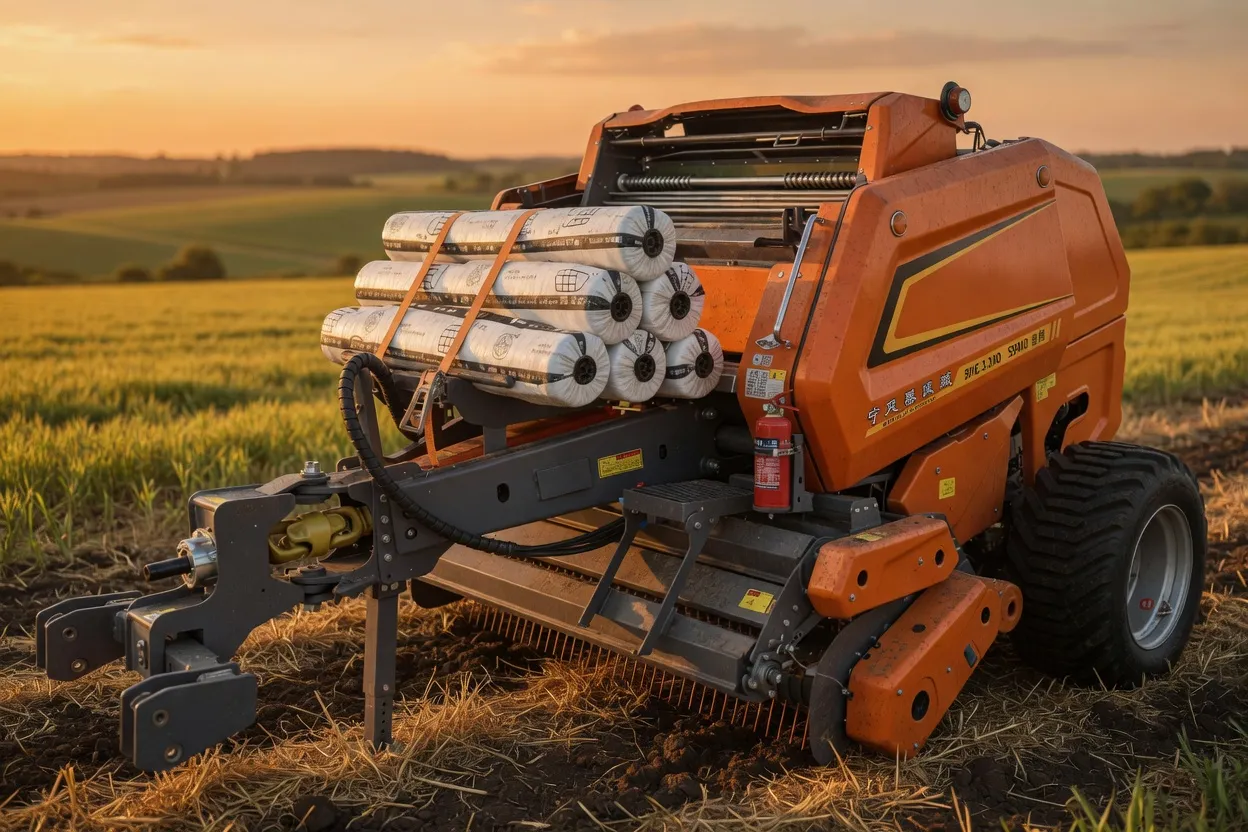
Пры прэсаванні кукурузнага сіласу пастаянна выяўляюцца механічныя слабыя месцы прэсаў з нізкімі характарыстыкамі — машыны, якія належным чынам апрацоўваюць травяны сілас, могуць сутыкнуцца з праслізгваннем рамяня, перагрузкай набівальніка і нагрузкай на падшыпнікі, якая перавышае канструкцыйныя межы пры працы з кукурузай. Серыя Ever-power S9000 вызначаецца нацяжэннем рамяня, памерам механізму набівальніка і нагрузкай на падшыпнікі, якія сапраўды адпавядаюць высокім патрабаванням да цэлай расліны кукурузы. Дыяпазон зменнага ціску ў камеры серыі S9000 таксама распаўсюджваецца на больш высокі ціск, неабходны для сціскання грубага сцеблавага матэрыялу кукурузы да дастатковай шчыльнасці рулона — магчымасць, якую канструкцыі з фіксаванай камерай і зменнай камерай ніжэйшага ціску не могуць надзейна забяспечыць для кукурузы. Для аўстралійскіх прадпрыемстваў, якія вырабляюць рулоны кукурузнага сіласу,... S9000 Класічны і S9000 за межамі з'яўляюцца рэкамендаванымі мадэлямі.
Вырабляеце рулоны кукурузнага сіласу?
Атрымайце парады па наладах для канкрэтных культур ад нашай каманды
Прамысловая зона Чарльтан, Аўстралія — налады прэсавання кукурузнага сіласу, выбар мадэлі і тэхнічная падтрымка для аўстралійскіх аперацый.
Часта задаваныя пытанні
Частыя пытанні аб прэсаванні кукурузнага сіласу

Аўстралійская кампанія Ever-power Forage Balers Co., Ltd.
📍 Прамысловая зона Чарльтан, Аўстралія