
ما هو انزلاق الحزام - ولماذا يزيد السيلاج من حدته؟
فهم الفيزياء قبل البدء بالتشخيص
انزلاق الحزام في مكبس السيلاج يحدث هذا عندما تنخفض قوة الاحتكاك بين بكرة القيادة وسطح الحزام إلى ما دون القوة اللازمة للحفاظ على حركة الحزام المتزامنة عند حمل التشغيل. يتوقف الحزام عن الحركة بسرعة البكرة ويبدأ بالانزلاق على سطحها، فاقدًا قوة الجر بدلًا من نقل الحركة. عمليًا، يعني هذا تباطؤ دوران حجرة التجميع أو توقفه، وتراكم المحصول دون تشكيله، ويتطور الوضع بسرعة نحو انسداد كامل إذا لم يتدخل المشغل.
تؤثر بيئة تشغيل السيلاج على احتكاك الحزام من عدة اتجاهات في آن واحد. إذ يُغطي عصير النباتات من المحاصيل عالية الرطوبة أسطح الحزام وأسطح البكرات بطبقة من مادة تشحيم عضوية تُقلل معامل الاحتكاك تدريجيًا. كما أن وزن بالات السيلاج يزيد من ضعفين إلى ثلاثة أضعاف وزن التبن الجاف، مما يزيد الحمل الذي يجب أن ينقله الحزام والبكرات. ويتدهور نسيج الحزام بشكل أسرع في بيئة السيلاج الرطبة والغنية بالأحماض مقارنةً بالتبن الجاف، حيث يُقلل تصلب السطح وتزجيجه من قوة التماسك حتى عندما يبدو الشد مناسبًا. إن فهم أي من هذه الآليات هو السائد في حالتك يُحدد الحل الذي يجب تطبيقه أولًا.
انزلاق الحزام في آلة كبس السيلاج كما أن هذه الظاهرة تتفاقم تدريجيًا؛ إذ أن انزلاقًا طفيفًا يُولّد حرارة عند نقطة تلامس الحزام والأسطوانة، مما يُسرّع من تآكل سطح كليهما، وبالتالي يُقلّل الاحتكاك أكثر، مما يزيد من الانزلاق. وإذا تُركت هذه المشكلة دون معالجة، فإن مشكلة شدّ بسيطة ستتحوّل إلى حزام متآكل وأسطوانة مخدوشة خلال يوم عمل واحد. لذا، فإن اكتشاف انزلاق الحزام وإصلاحه عند ظهور أولى علاماته يُعدّ أرخص بكثير من استبدال الحزام والأسطوانة بالكامل بعد اكتمال دورة التلف.
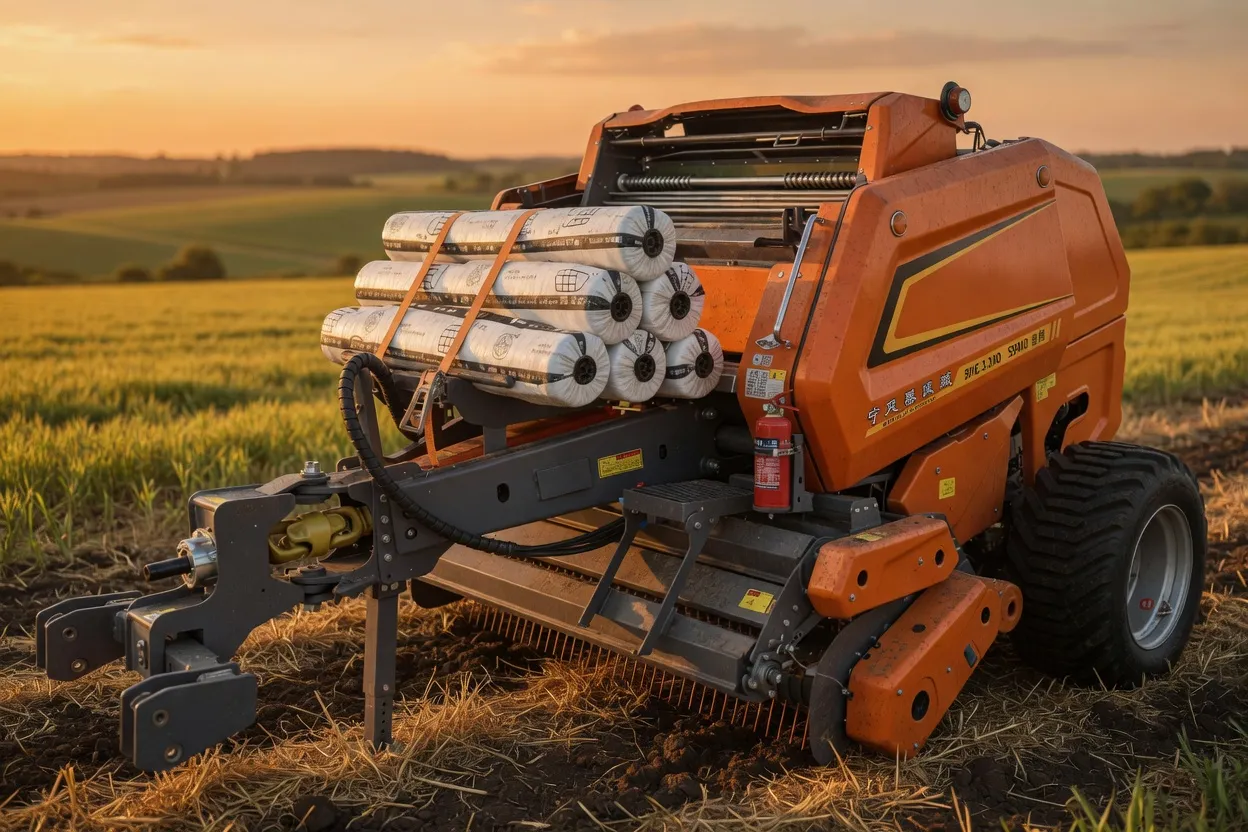
السبب #1 - عدم كفاية شد الحزام
السبب الأكثر مباشرة والأكثر شيوعاً لانزلاق سير مكبس السيلاج
يُؤدي ضبط شدّ الحزام بشكل صحيح إلى توليد قوة عمودية بين الحزام وبكرة القيادة، وهي أساس نظام الدفع القائم على الاحتكاك. عندما ينخفض الشدّ عن الحد الأدنى المطلوب، تنخفض القوة العمودية، وبالتالي تنخفض معها أقصى قوة احتكاك يُمكن أن يُولّدها سطح التلامس قبل بدء الانزلاق. في عمليات إنتاج السيلاج، يكون الشدّ المطلوب أعلى بكثير منه في عمليات كبس التبن الجاف، نظرًا لزيادة وزن البالة وانخفاض معامل الاحتكاك السطحي للأحزمة الملوثة بعصير المحصول الرطب. يؤدي تشغيل الآلة عند مستويات شدّ كبس التبن في ظروف السيلاج إلى ضمان انزلاق الحزام تحت الحمل - قد تعمل الآلة بشكل جيد حتى تصل البالة إلى وزنها الكامل، ثم يبدأ الانزلاق تحديدًا عند ذروة طلب الدفع.
كيف تفقد الأحزمة شدها بمرور الوقت
يُعدّ تمدد الحزام الآلية الرئيسية لفقدان الشد. تتميز الأحزمة الجديدة بمرونة أعلى تُنتج تمددًا أوليًا ملحوظًا خلال أول 20-30 ساعة من التشغيل - وهي فترة "التأقلم" التي يكون فيها إعادة الشد في غاية الأهمية. بعد التأقلم، تستمر الأحزمة في التمدد بمعدل أبطأ يتسارع مع مرور الوقت والإجهاد. في خدمة السيلاج، تعني ظروف الحمل العالي المستمرة أن معدل التمدد الفعلي أسرع بكثير مما هو عليه في خدمة التبن الجاف. قد يحتاج الحزام الذي يحافظ على الشد بشكل كافٍ لموسم تبن كامل إلى إعادة الشد مرتين خلال موسم السيلاج الواحد إذا كانت ساعات التشغيل طويلة.
عطل في زنبرك الشد
تستخدم العديد من مكابس السيلاج نظام شد تلقائي بنابض يحافظ على شد الحزام دون الحاجة إلى تعديل يدوي ضمن نطاق تمدد الحزام. عندما يضعف نابض الشد - وهي عملية تدريجية ناتجة عن الإجهاد والتآكل في بيئة السيلاج الرطبة - يُقلل النظام تدريجيًا من الشد حتى عند ضبطه على أقصى قيمة. قد يبدو الجهاز مضبوطًا بشكل صحيح، ومع ذلك يستمر انزلاق الحزام. يتطلب تشخيص ضعف نابض الشد قياس طوله الحر وخصائص انحرافه تحت الحمل وفقًا لمواصفات الشركة المصنعة - وهو فحص بسيط يستبعد نابض الشد كسبب محتمل قبل البحث عن أسباب أخرى.
✅ إصلاح: شد الحزام
- أعد شد جميع الأحزمة وفقًا لمواصفات السيلاج الخاصة بالشركة المصنعة - وليس إعداد القش الجاف - في بداية كل حملة سيلاج.
- أعد الفحص وإعادة الشد بعد أول 20-30 ساعة من عملية السيلاج لمراعاة فترة التمدد الأولية.
- تحقق من طول زنبرك الشد الحر وفقًا للمواصفات - استبدله إذا قصر الزنبرك بأكثر من 10%.
- يتم ضبط أحزمة الشد كمجموعة على مستويات متساوية - يؤدي الشد غير المتساوي عبر المجموعة إلى انزلاق تفاضلي يصعب تشخيصه.
- احمل أداة ضبط الشد الصحيحة في حقيبة الأدوات الميدانية - فالأدوات المرتجلة تنتج إعدادات شد غير دقيقة.
السبب #2 - تلوث سطح الحزام والبكرة
عصارة النبات والبذور والحطام الدقيق تعمل كمواد تشحيم لا إرادية
تُطلق محاصيل السيلاج عالية الرطوبة تيارًا مستمرًا من عصارة النبات والبذور الدقيقة والمخلفات العضوية التي تُغطي جميع الأسطح الداخلية لحجرة التجميع أثناء التشغيل. على أسطح الحزام والأسطوانات، تُشكّل هذه المواد طبقة رقيقة تزداد سماكتها تدريجيًا، تعمل كمادة تشحيم - وهو عكس ما تتطلبه واجهة الحركة تمامًا. يتراكم تأثير التلوث: فكلما طالت مدة تشغيل الآلة دون تنظيف، زادت سماكة الطبقة وانخفض معامل الاحتكاك عند واجهة الحزام والأسطوانة. بنهاية يوم كامل من تجميع السيلاج دون أي تنظيف، يُمكن أن يُشكّل انخفاض الاحتكاك الناتج عن تلوث السطح وحده جزءًا كبيرًا من الانزلاق الكلي.
تآكل التزجيج الحزامي نتيجة تراكم الحرارة
يُولّد الانزلاق الناتج عن التلوث حرارةً على سطح الحزام. في المراحل الأولى، تكون الحرارة خفيفة وتُجفف طبقة عصارة النبات، مما يُحسّن التماسك مؤقتًا، ليعود ويحلّ محلها عصير جديد على الفور. مع ازدياد الحرارة نتيجة الانزلاق التدريجي، يبدأ سطح الحزام المطاطي بالتزجج: حيث تتغلغل الملوثات العضوية في تركيبة المطاط، مُشكّلةً طبقة سطحية ناعمة وصلبة تبقى حتى بعد التنظيف. لا يُمكن استعادة معامل الاحتكاك الأصلي للحزام المُزجّج بالتنظيف وحده، بل يجب إزالة الطبقة السطحية المُزجّجة ميكانيكيًا، أو استبدال الحزام.
تراكم بقايا الأسطوانة
تتراكم طبقة التلوث نفسها على بكرات القيادة كما هو الحال مع الأحزمة، مع تعقيد إضافي يتمثل في أن تراكم هذه الطبقة يقلل فعليًا من قطر البكرة العامل، إذ يتغير شكل محرك القيادة مع ازدياد سمك طبقة التراكم. فعلى سبيل المثال، يؤدي تراكم 3 مم من بقايا السيلاج المجفف على بكرة قطرها 150 مم إلى تقليل قوس تلامس الحزام وتغيير توزيع الشد حول محيط البكرة. لذا، يُعد تنظيف البكرات في نهاية اليوم إجراءً وقائيًا لمنع الانزلاق، ومهمة صيانة دقيقة تضمن تشغيل الآلة ضمن نطاقها الهندسي المصمم.
✅ إصلاح: تلوث السطح
- نظف جميع أسطح الأحزمة وبكرات القيادة في نهاية كل يوم تشغيل - لا تدع البقايا تجف طوال الليل.
- استخدم غسالة الضغط على أسطح الأسطوانات - بقايا السيلاج الجافة تلتصق بقوة وتتطلب ضغط الماء لإزالتها بشكل نظيف.
- افحص أسطح الأحزمة تحت ضوء مباشر بحثًا عن التزجيج - تشير المنطقة اللامعة والناعمة إلى وجود تزجيج لا يمكن إزالته بالتنظيف.
- قم بصنفرة أسطح الأحزمة المزججة برفق باستخدام ورق صنفرة خشن كإجراء مؤقت - الاستبدال هو الحل النهائي.
- لا تقم أبدًا بوضع أي مادة تشحيم على أسطح الحزام أو البكرات - حتى الكميات الصغيرة من الشحم أو الزيت تسبب انزلاقًا شديدًا فوريًا.
السبب #3 - تآكل الحزام، والتقادم، وتدهور المادة
عندما يعجز الحزام نفسه عن التماسك عند أي مستوى من الشد
تتمتع الأحزمة بعمر افتراضي محدود يتحدد بالتأثير التراكمي للإجهاد الميكانيكي، والتغيرات الحرارية، والتآكل الكيميائي الناتج عن بيئة التشغيل. في عمليات السيلاج، تعمل آليات التلف الثلاث بمعدلات أعلى مقارنةً بكبس التبن الجاف. تهاجم الأحماض النباتية الموجودة في عصير السيلاج التركيب الكيميائي للمطاط، مما يقلل من سلامة سلسلة البوليمر التي توفر التماسك والمرونة. كما أن التغيرات الحرارية الناتجة عن التسخين والتبريد المتكررين أثناء عملية الكبس تُجهد تقوية أسلاك الحزام. بالإضافة إلى ذلك، فإن الشد العالي المستمر المطلوب لعمليات السيلاج يُجهد بنية الحزام بشكل أكبر من أحمال كبس التبن.
علامات تدل على ضرورة استبدال الحزام
يُعد الفحص البصري لحالة الحزام إجراءً روتينيًا قبل بداية الموسم وفي منتصفه. تشير التشققات السطحية - وهي تشققات جانبية صغيرة تمتد على عرض الحزام وتتعمق مع مرور الوقت - إلى تدهور تركيبة المطاط. أما انكشاف السلك - حيث يصبح المطاط رقيقًا بما يكفي لكشف سلك التقوية تحته - فيعني أن الحزام قد تجاوز عمره التشغيلي الآمن. ويشير اهتراء الحواف، حيث تتفكك جوانب الحزام، إلى أن الحزام لم يكن يسير في مركزه ويتآكل على حافة الأسطوانة. أي من هذه العلامات يستدعي استبدال الحزام قبل موسم حصاد السيلاج التالي، وليس خلاله.
اختيار الحزام البديل المناسب للسيلاج
لا تتساوى جميع أحزمة مكابس القش الزراعية في كفاءة استخدامها في صناعة السيلاج. تستخدم أحزمة القش الجاف القياسية مركباً مطاطياً مصمماً للبيئات منخفضة الرطوبة والحموضة، وعادةً ما يكون معامل الاحتكاك فيها مُقاساً في ظروف جافة. أما أحزمة السيلاج، فتستخدم مركباً مطاطياً ذا قوة تماسك أعلى ومقاومة أفضل للأحماض النباتية الموجودة في محاصيل السيلاج، وتعكس مواصفات الاحتكاك فيها ظروف التشغيل الرطبة. يُعد استخدام حزام القش القياسي في صناعة السيلاج توفيراً زائفاً شائعاً، إذ أن قصر عمر الخدمة الفعلي وزيادة خطر الانزلاق يؤديان إلى تكلفة أعلى في الموسم الواحد مما يوحي به فرق السعر الأولي بين أنواع الأحزمة. تواصل مع فريقنا لمجموعات الأحزمة المصنفة للسيلاج لطرازات إيفر-باور.
✅ الإصلاح: استبدال الحزام
- افحص الأحزمة بحثًا عن تشققات سطحية، أو انكشاف الحبال، أو تآكل الحواف قبل كل موسم سيلاج - واستبدلها إذا وُجد أي منها.
- استبدل الأحزمة كمجموعة كاملة متطابقة - خلط الأحزمة الجديدة والقديمة ينتج عنه شد غير متساوٍ وانزلاق تفاضلي فوري.
- حدد الأحزمة المصنفة للسيلاج، وليس أحزمة القش الجاف القياسية - فاختلافات مواصفات المركب والاحتكاك كبيرة في الظروف الرطبة.
- في خدمة السيلاج، خطط لاستبدال مجموعة الأحزمة كل موسم أو موسمين حسب ساعات العمل السنوية.
- بعد تركيب مجموعة جديدة، أعد ضبط الشد بعد أول 20-30 ساعة لمراعاة فترة التمدد الأولية.

السبب #4 - محصول رطب للغاية يؤدي إلى احتكاك مفرط في الحزام
عندما تكون المحصول نفسه هو مشكلة التزييت
تؤدي رطوبة المحصول التي تتجاوز 70% إلى انزلاق الحزام عبر آليتين مختلفتين تعملان في آن واحد. أولاً، تعني نعومة سطح المواد النباتية شديدة الرطوبة أن البالة المتشكلة تُمارس احتكاكًا مماسيًا أقل على أسطح الحزام - فسطح البالة نفسه أملس للغاية بحيث لا يتفاعل بفعالية مع الأحزمة، وبدلاً من الدوران تحت تأثير الحزام، يميل إلى الانزلاق. ثانيًا، يزيد الوزن الهائل للبالة شديدة الرطوبة - الذي قد يزيد بمقدار 30-40% عن وزن بالة قش جافة مماثلة - من الحمل القطري على سطح التلامس بين الحزام والأسطوانة بما يتجاوز قدرة الاحتكاك المحدودة بالشد، مما يتسبب في الانزلاق حتى على الأحزمة التي تتم صيانتها بشكل مثالي. لهذا السبب، يُعد انزلاق الحزام عند أعلى مستويات الرطوبة أمرًا شائعًا، ويمثل حدًا تشغيليًا للآلة، وليس عطلًا ميكانيكيًا.
الحل العملي هو فهم واحترام مستوى الرطوبة المسموح به في جهازك المحدد. مكبس سيلاج العشب تعمل التصاميم بكفاءة دون مشاكل انزلاق الحزام عند مستويات رطوبة المحصول من 50 إلى 65% مع أحزمة نظيفة ومشدودة بشكل صحيح. أما عند تجاوز مستويات الرطوبة من 68 إلى 70%، فيزداد احتمال الانزلاق تدريجيًا بغض النظر عن حالة الحزام. يوفر فحص رطوبة المحصول باستخدام مقياس علف يدوي قبل بدء عملية التجميع، والانتظار حتى يذبل المحصول لخفض الرطوبة إلى ما دون الحد الأدنى، وقتًا ثمينًا ويقلل من تآكل الحزام مقارنةً بمحاولة التجميع عند مستويات رطوبة عالية. يُعد هذا جزءًا بالغ الأهمية من إجراءات ما قبل بدء العمل، خاصةً بالنسبة للمشغلين في المناطق الأسترالية ذات الأمطار الغزيرة.
✅ الحل: إدارة رطوبة المحاصيل
- قم بقياس رطوبة المحصول قبل كل جلسة - لا تبدأ عملية التجميع إذا تجاوزت القراءات 68-70%.
- امنح وقتًا إضافيًا للذبول عندما يعيد ندى الصباح ترطيب الصف - حتى ساعة إضافية من التجفيف تحدث فرقًا.
- استخدم جزازة العشب مع جهاز التكييف لتسريع عملية الذبول - تجف السيقان المُكيَّفة أسرع بمقدار 20-30 مرة من المواد غير المُكيَّفة.
- إذا كان لا بد من إجراء عملية التجميع في بيئة ذات رطوبة أعلى، فقم بتقليل سرعة السير لتقليل معدل الإدخال ووزن البالة لكل دورة.
- تتبع مستويات الرطوبة التي تنتج تشغيلًا خاليًا من الانزلاق لآلتك المحددة واستخدم ذلك كعتبة شخصية لك.
السبب #5 — تلف سطح بكرة القيادة وتعطل المحمل
عندما لا تستطيع البكرة تحريك الحزام بغض النظر عن الشد
تُعدّ حالة أسطوانة القيادة بنفس أهمية حالة الحزام لمنع الانزلاق؛ فالحزام السليم تمامًا على أسطوانة مخدوشة أو ملوثة سينزلق بسهولة كما لو كان الحزام مهترئًا على أسطوانة سليمة. يحدث خدش سطح الأسطوانة عندما يُولّد انزلاق الحزام حرارة كافية لإذابة بقايا النباتات الدقيقة على سطح الأسطوانة، مما يُنشئ سطحًا خشنًا وغير منتظم يمنع تلامس الحزام بشكل متساوٍ. تُنشئ الأسطوانة المخدوشة مناطق منفصلة ذات احتكاك عالٍ ومنخفض على امتداد عرض التلامس، ويتأرجح الحزام بين التشبث والانزلاق أثناء مروره فوق هذه المناطق خلال الدوران.
يُعدّ تعطل محمل الأسطوانة أخطر أنواع أعطال أسطوانات القيادة. إذ يمنع المحمل المتعطل الأسطوانة من الدوران بحرية، محولًا إياها من جزء مُدار إلى سطح ثابت ينزلق عليه الحزام. وتكون الحرارة المتولدة من انزلاق الحزام على الأسطوانة الثابتة كبيرة، وفي الحالات الشديدة تكفي لإتلاف الحزام في غضون دقائق وحرق سطح الأسطوانة. وتتمثل الأعراض في انبعاث رائحة مطاط محترق يتبعها دخان مرئي، كما تصبح الأسطوانة ساخنة عند لمسها عند إيقاف الآلة للفحص. ويُعدّ منع تعطل المحمل من خلال التشحيم المنتظم أرخص بكثير من استبدال مجموعة الأسطوانة والحزام بعد حدوث التعطل. اطلع على تقريرنا الكامل نطاق المعدات ودعم الصيانة معلومة.
✅ إصلاح: حالة البكرة
- قم بتدوير كل أسطوانة يدويًا قبل الجلسة - أي خشونة أو مقاومة تشير إلى وجود مشكلة في المحمل قبل أن تصبح تشنجًا.
- تصرف فوراً عند شم رائحة الاحتراق - توقف، اعزل الآلة، وحدد الأسطوانة التي ترتفع درجة حرارتها قبل المتابعة.
- تنظيف أسطح الأسطوانات في نهاية اليوم - بقايا السيلاج الجافة على أسطح الأسطوانات تقلل من احتكاك الحزام ومنطقة الاحتكاك الفعالة.
- قم بتشحيم جميع محامل الأسطوانات يوميًا خلال موسم السيلاج - فالبيئة الرطبة تغسل الشحوم من أختام المحامل بشكل أسرع من خدمة القش.
- استبدل البكرات المحفورة - إن عملية طحن السطح غير عملية في ظروف العمل الميداني ولا تعيد سطح الاحتكاك الأصلي.
تشخيص انزلاق الحزام: مطابقة العرض مع السبب
حدد النمط قبل استخدام مفتاح الشد
| الأعراض | السبب الأكثر ترجيحاً | الإجراء الأول |
|---|---|---|
| يبدأ الانزلاق في منتصف البالة مع ازدياد الوزن | شد الحزام غير كافٍ لحمل السيلاج | أعد شد جميع الأحزمة وفقًا لمواصفات السيلاج. |
| يزداد الانزلاق على مدار اليوم على الرغم من إعادة الشد | تراكم التلوث السطحي | نظف جميع الأحزمة والبكرات؛ ثم أعد التشغيل |
| يستمر الانزلاق حتى بعد التنظيف وإعادة الشد. | تدهور التزجيج الحزامي أو المركب | افحص أسطح الحزام بحثًا عن التزجيج؛ استبدل المجموعة |
| يحدث الانزلاق فقط في الجلسات الصباحية، ويختفي بحلول منتصف النهار. | رطوبة المحصول مرتفعة للغاية بسبب الندى الليلي | تأخير عملية التجميع؛ قياس الرطوبة قبل البدء |
| رائحة احتراق، دخان مرئي، بكرة واحدة ساخنة | انحشار محمل الأسطوانة | توقف فوراً — استبدل المحمل قبل مواصلة التشغيل |
| شداد الحزام في أقصى حد، ولا يزال ينزلق | ضعف زنبرك الشد | قم بقياس طول الزنبرك الحر؛ واستبدله إذا كان قصيرًا. |
منع انزلاق الحزام: جدول صيانة عملي
البقاء متقدماً على دورة الفشل
يمكن كسر دورة فشل انزلاق الحزام - حيث يؤدي نقص الشد إلى الانزلاق، ويولد الانزلاق حرارة، وتسبب الحرارة التزجيج، ويقلل التزجيج الاحتكاك ويزيد الانزلاق - في أي مرحلة من خلال الصيانة الدورية. وتُعدّ الوقاية هي التدخل الأكثر فعالية من حيث التكلفة: الحفاظ على الشد الصحيح، وتنظيف الأسطح، واستبدال الأحزمة قبل أن تتدهور إلى مرحلة الانزلاق. مكبس السيلاج بالنسبة للمشغلين الذين يديرون عمليات حصاد سنوية متعددة في الظروف الأسترالية، يعكس الجدول التالي فترات الصيانة الواقعية لبيئة تشغيل السيلاج. قطع غيار مكبس السيلاج بما في ذلك الأحزمة، ونوابض الشد، ومحامل الأسطوانات، تواصل مع فريق تشارلتون لدينا للحصول على معلومات حول توافر قطع الغيار الخاصة بكل طراز.
| مهمة صيانة نظام الحزام | يوميًا | أسبوعي | ما قبل الموسم |
|---|---|---|---|
| نظف أسطح الحزام وجميع بكرات القيادة | ✓ | ||
| قم بتشحيم جميع محامل الأسطوانات | ✓ | ||
| تحقق من شد الحزام - اضبطه إذا لزم الأمر | ✓ | ||
| افحص أسطح الحزام بحثًا عن التشققات والتزجيج وانكشاف الأسلاك | ✓ | ||
| أدر جميع البكرات يدويًا - تحقق من وجود أي تذبذب أو خشونة في المحامل | ✓ | ||
| استبدل مجموعة الأحزمة بالكامل إذا وصلت إلى حد التآكل المُصمم خصيصًا للسيلاج. | ✓ | ||
| قم بقياس الطول الحر لزنبرك الشد - استبدله إذا كان أقصر من 10% | ✓ |
لماذا صُممت مكابس السيلاج من إيفر-باور لمقاومة انزلاق الحزام؟
قرارات التصميم التي تعالج الانزلاق على مستوى المكونات
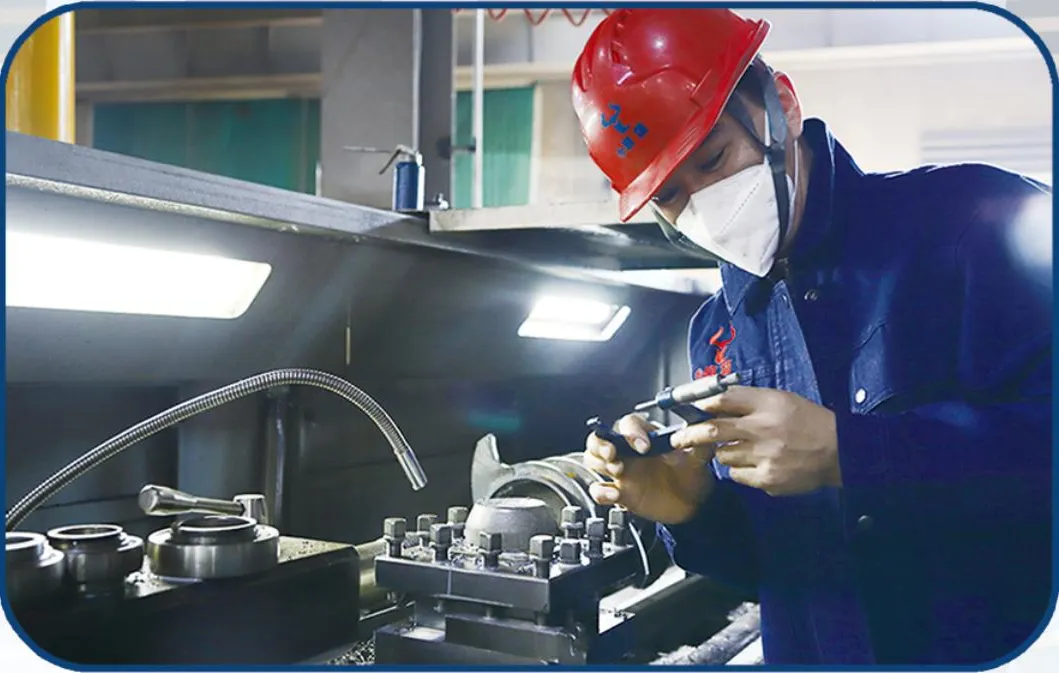
المشغلون الذين يبحثون عن مكبس سيلاج للبيع سيجد المستخدمون في أستراليا أن مقاومة انزلاق الحزام تُعدّ من أهم الفروقات العملية في أداء الآلات. تستخدم آلات Ever-power مركبات أحزمة مُصممة خصيصًا للسيلاج، مع مواصفات احتكاك مناسبة للظروف الرطبة، وبكرات مصنّعة بدقة عالية لضمان ثبات الحزام طوال الموسم، وأنظمة شدّ مُصممة لتلبية متطلبات شدّ الحزام العالية لأحمال السيلاج، وليس أحمال التبن الجاف. لا تظهر هذه الخيارات في مقارنة المواصفات، لكنها تُحدد ما إذا كانت الآلة تُنتج بالات باستمرار طوال يوم عمل كامل في السيلاج، أو ما إذا كانت تتطلب توقفات متكررة لمعالجة الانزلاق. بالنسبة للمشغلين الذين يُديرون مزارع ألبان أو أبقار مع حُصدات سنوية متعددة، يُعدّ فرق الموثوقية التشغيلية كبيرًا.
مركب حزام السيلاج
مواصفات الاحتكاك في الظروف الرطبة - تحافظ على التماسك في بيئة بالات السيلاج الملوثة بعصير النبات.
أسطح بكرات مصنعة آلياً
تم الحفاظ على مستويات خشونة السطح لضمان احتكاك الحزام الموثوق به طوال موسم التشغيل.
شدادات مصممة خصيصًا للسيلاج
تم تحديد معدلات زنبرك الشد لأحمال بالات السيلاج - ولم يتم نقلها من تصميمات القش الجاف ذات الخدمة الأخف.
محامل أسطوانية مغلقة
تقاوم أغلفة المحامل المصنفة بمعيار IP دخول الأحماض النباتية والرطوبة التي تسبب تعطل المحامل بسرعة في التصاميم القياسية.
هل ينزلق الحزام في مكبس البالات الخاص بك؟
احصل على قطع الغيار والدعم الفني من فريقنا
منطقة تشارلتون الصناعية، أستراليا - مجموعات أحزمة مصنفة للسيلاج، ونوابض شد، ومحامل أسطوانية متوفرة للتسليم السريع.
الأسئلة الشائعة
أسئلة شائعة حول انزلاق سير مكبس السيلاج

شركة أستراليا إيفر باور المحدودة لمعدات العلف
📍 منطقة تشارلتون الصناعية، أستراليا